
Shooting film in 2026 means you have real choices again, and black and white stock is where the craft lives. Whether you’re documenting street scenes on an overcast afternoon or pushing rolls through a dim concert venue, the emulsion you load shapes everything about the final print. This roundup covers seven widely stocked 35mm options, from forgiving everyday workhorses to fine-grain stocks aimed at careful, deliberate shooting. Each entry breaks down what the manufacturer specifies, how it behaves in real shooting situations, and which photographer profile it actually fits.
A Side-By-Side Look

Fujifilm Fujicolor 200 Color Negative Film – 3 Rolls

Ilford HP-5 Plus 400 Black and White Film, ISO 400, 3-Pack

Ilford Delta 100 Professional Black-and-White Film, ISO 100 (2 Pack)

Kodak Professional TRI-X 400/400TX 35mm Film, 36-Exposure (7 Rolls)

Ilford HP5 Plus 400 36-Exposure 6-Roll B&W 35mm Film
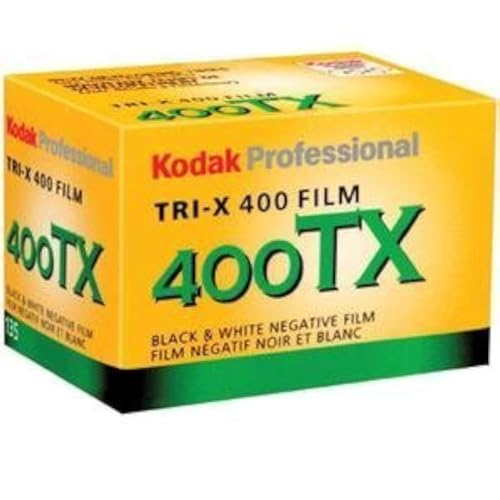
400TX Tri-X 135-36 2-Pack by Kodak
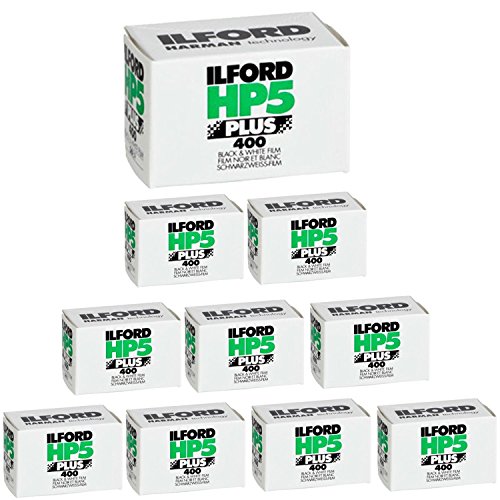
Ilford HP5 Plus ISO 400 Black and White 35mm Roll Film Bundle
The Picks, Examined More Closely
Yes, this one is a color stock sitting in a monochrome list, and that’s deliberate. Plenty of photographers load a roll of Fujicolor 200 alongside their black and white films so a single camera covers both looks, and this three-roll pack makes that easy to do.
The ISO 200 rating sits in the sweet spot for bright afternoons and on-camera flash, which suits beach trips, family gatherings, and travel days. With 36 exposures per roll, you get generous room to shoot freely without rationing frames.
Real Benefits
- ISO 200 speed balances sunny outdoor scenes and flash-lit indoor shots without exposure gymnastics.
- 36 exposures per roll means fewer mid-event reloads at parties or on vacation.
- Natural skin tones and smooth tonal transitions flatter portraits straight out of standard processing.
- Fine grain keeps casual snapshots looking crisp rather than muddy when printed.
Things To Consider
- At ISO 200 it struggles in dim interiors unless flash is available, so low-light shooters may find it limiting.
- Color negative film needs C-41 processing, a different lab route than your black and white rolls.
Key Specs
Who It Suits Best
Casual shooters and travelers who want dependable daylight results from any 35mm body they already own.
Where A Sibling Pick Shines
Dedicated monochrome shooters will get more character from the Ilford HP-5 Plus 400 three-pack reviewed next.
HP5 Plus has been the default answer to “which black and white film should I start with” for decades, and the reasoning holds. Its ISO 400 speed handles overcast streets, shaded parks, and indoor available light without a tripod, while the medium contrast look flatters documentary subjects.
This pack gives you three rolls of 24 exposures each, a sensible quantity for learning development at home since mistakes cost less than with bulk purchases. Compared with the finer-grained Ilford Delta 100 later in this list, HP5 trades some detail for flexibility, and most street photographers consider that a fair swap.
Reasons It Performs
- ISO 400 sensitivity keeps shutter speeds usable in shade, indoors, and on gray days.
- Forgiving exposure latitude rescues slightly off meter readings, a genuine help for beginners.
- Responds well to push processing, so a dim gig shot at ISO 1600 remains workable.
- Medium contrast and classic grain suit reportage, travel, and action subjects.
Worth Noting
- Grain becomes visible in larger enlargements, which some shooters love and others don’t.
- 24-exposure rolls mean more frequent reloading than 36-frame alternatives.
At A Glance
Made For
Street, documentary, and student photographers who want one reliable emulsion for nearly any lighting situation.
Consider Something Else When
Studio and landscape workers chasing maximum sharpness should step down to the Ilford Delta 100 instead.
Where HP5 Plus leans on forgiveness, Delta 100 leans on precision. This tabular-grain emulsion, meaning its silver crystals are flat platelets that capture finer detail than traditional grains, rewards careful metering and steady technique with negatives that enlarge beautifully.
You’ll want bright light or a fast lens here, since ISO 100 demands roughly two extra stops compared with the 400-speed stocks in this roundup. In return you get tonal smoothness that suits architecture, still life, and controlled studio sessions. The two-roll, 36-exposure format gives serious projects plenty of frames.
Useful Strengths
- Extremely fine grain preserves texture in architectural detail and landscape horizons.
- Professional-grade tonality renders smooth gradations across highlights and shadows.
- 36 exposures per roll supports longer, more deliberate shooting sessions.
Trade Offs
- ISO 100 limits handheld shooting to bright conditions or wide apertures.
- Less tolerant of sloppy exposure than faster, more forgiving stocks.
- Cool, dry storage matters more for slow films kept between projects.
Right Fit For
Deliberate photographers working landscapes, studios, or architecture who prioritize image quality over speed.
Look Elsewhere When
Fast-moving documentary work calls for the Kodak Tri-X 400 seven-roll pack covered next.
Tri-X needs little introduction among film shooters; its gritty grain structure defined photojournalism for generations. What this listing adds is volume: seven rolls of 36 exposures, enough to shoot a full project or a long trip without worrying about running dry.
At ISO 400 it occupies the same practical territory as Ilford’s HP5 Plus, with a slightly punchier contrast signature many photographers prefer for street and portrait work. Owners commonly note it tolerates push processing gracefully, which extends its reach into evening and indoor scenarios.
A Strong Showing
- Seven-roll supply supports sustained projects, workshops, or high-volume shooting habits.
- ISO 400 speed covers daylight through dim interiors with confidence.
- Distinctive grain and contrast give images a recognizable editorial character.
- Wide exposure latitude forgives challenging mixed-lighting scenes.
- Handles push processing well for low-light assignments.
Minor Gripes
- Seven rolls is a commitment; expired stock is a real risk for occasional shooters.
- The pronounced grain look won’t suit every aesthetic preference.
Quick Facts
Who Will Love This
Committed film shooters, students in intensive courses, and anyone burning through multiple rolls weekly.
Not Your Match When
Lighter users get better value from the two-pack Kodak Tri-X option appearing later in this list.
This listing packages the same HP5 Plus emulsion reviewed earlier, but in six 36-exposure rolls rather than three 24s. That difference matters more than it first appears: you get 216 frames total against 72, and longer rolls mean fewer darkroom interruptions mid-shoot.
Everything said about the emulsion applies here, including the forgiving latitude and push-processing behavior that make it a staple for varied lighting. The honest read is that this pack sits in a middle zone, larger than starter quantities yet smaller than the ten-roll bundle closing this list, which makes it a natural fit for regular weekend shooters.
Everyday Advantages
- 216 total frames support months of casual shooting before restocking.
- 36-exposure rolls reduce reload frequency during outings.
- Same trusted ISO 400 performance across diverse conditions.
Room For Improvement
- Third-party packaging means checking freshness dates on arrival, a commonly reported concern with repackaged film.
- No savings advantage for very light users who’d struggle to finish six rolls promptly.
Whose Shelf It Belongs On
Hobbyists shooting a few rolls monthly who want a steady home supply without overcommitting.
Another Choice May Suit
Heavy users should compare the ten-roll Ilford HP5 Plus bundle at the end of this list for deeper reserves.
For shooters who admired the seven-roll Tri-X pack but balked at the quantity, this two-roll version solves the problem. You get the identical 400TX emulsion, panchromatic meaning it renders all colors as natural gray tones, in standard 36-exposure cassettes.
Kodak specifies fine grain, high sharpness, and wide exposure latitude for this stock, plus solid push-processing response. Two rolls is enough for a weekend project or a first taste of the Tri-X look without freezer space concerns. Against the Ilford HP5 packs, expect a touch more contrast and a grain pattern with real personality.
Benefits That Matter
- ISO 400/27° rating performs consistently in standard processing chemistry.
- Wide exposure latitude absorbs tricky lighting without lost shadows.
- Two-roll size stays fresh and manageable for occasional use.
- Pushes acceptably for evening and indoor work.
Points To Note
- Only 72 frames total, so frequent shooters will reorder often.
- Grain-forward rendering divides opinion at large print sizes.
Core Details
Built With In Mind
Occasional film photographers and curious digital shooters sampling a legendary emulsion for the first time.
Reach For A Different Pick When
Volume shooters should move up to the seven-roll Kodak Tri-X pack reviewed earlier.
Closing out the list is the deepest HP5 Plus reserve here: ten rolls of 36 exposures, 360 frames ready for assignment work, workshops, or a year of personal shooting. Photojournalism students and documentary shooters burning through stock quickly will appreciate not reordering every few weeks.
The emulsion itself matches the qualities described in the earlier HP5 entries, strong sharpness, fine grain for its speed class, and dependable behavior under mixed lighting. One practical note: ten rolls stored over months deserve cool, stable conditions, so plan fridge or freezer storage if your pace is slower.
What Pays Off
- Ten-roll depth eliminates frequent reordering for active shooters.
- 360 frames cover coursework, projects, and travel comfortably.
- Consistent ISO 400 performance suits journalism, sports, and available-light work.
- Push-processing headroom extends usability into dim venues.
Small Caveats
- Long-term storage requires refrigeration to preserve freshness, adding minor hassle.
- Oversized for anyone shooting less than a roll or two per month.
Feature Snapshot
The Right Fit
Photojournalism students, working documentarians, and prolific hobbyists who finish multiple rolls monthly.
Skip It When
Newcomers testing the waters are better served by the three-pack Ilford HP-5 Plus near the top of this list.
What Matters Most Before Choosing Black And White 35mm Films
Speed First, Style Second
Film speed, expressed as an ISO number, determines how much light the emulsion needs. ISO 400 stocks like HP5 Plus and Tri-X handle shade, interiors, and moving subjects, while ISO 100 films such as Delta 100 demand brighter scenes or wider apertures. Match the speed to where you actually shoot, not to what sounds impressive.
Grain Is A Feature
Grain refers to the visible texture of silver particles in the developed negative. Finer grain yields smoother enlargements; pronounced grain delivers that classic editorial character. Neither is objectively better, so decide whether your prints favor polish or personality.
Latitude And Push Processing
Exposure latitude describes how far a negative can drift from perfect exposure and still print well. Forgiving stocks rescue imperfect metering, which matters enormously for beginners. Push processing, developing the film longer to compensate for underexposure, lets a 400-speed roll behave like ISO 800 or 1600 in dim venues.
Buy For Your Actual Pace
Multi-roll bundles reward frequent shooters but punish slow ones, since film ages even in decent storage. Honest self-assessment here saves money and disappointment.
Key Considerations Across These Picks
Traps First Timers Fall Into
The most common error is buying bulk before knowing your shooting rhythm; six unused rolls slowly lose contrast in a warm drawer. Another slip is mismatching film speed to your lens, loading ISO 100 into a slow zoom and then wondering why every indoor frame blurs. Start small, learn your development workflow, then scale up.
The Case For Spending Up
Premium and professional-tier stocks justify their cost through tighter quality control, more consistent batch-to-batch behavior, and refined tonal curves. Working photographers who print large or sell prints benefit most. Casual snapshot shooters rarely see the difference at 4×6 sizes, so spend up only when your output demands it.
Frequently Asked Questions
Can I develop black and white film at home?
Yes, home development is straightforward with a tank, reels, and developer chemistry. Many photographers process their own rolls within their first month of shooting film.
What does push processing actually change?
It compensates for shooting film at a higher ISO than rated by extending development time. Expect increased contrast and grain alongside the recovered shadow detail.
Does expired film still work?
Usually yes, though contrast drops and fog increases with age and heat exposure. Cold storage slows degradation considerably.
Why choose ISO 100 film over ISO 400?
Slower films deliver finer grain and smoother tones in bright conditions. They suit landscapes, studios, and any scene with ample light.
Do these films work in vintage cameras?
All 35mm cassettes fit standard 35mm cameras regardless of age. Just confirm your camera loads and advances film properly before committing to a full outing.
Closing Thoughts
Choosing among these seven comes down to light, pace, and patience. Fast stocks like HP5 Plus and Tri-X carry you through unpredictable days, Delta 100 rewards deliberate craft, and the Fujicolor 200 keeps a color option in the same bag. Size your purchase honestly, store it cool, and shoot often. The right emulsion is simply the one that matches how you already take pictures.
