
Restoring a worn cookbook or binding your own journal takes more than glue and hope. The right black book cloth gives a spine strength and a finish that looks intentional rather than patched together. This roundup covers seven options that suit different jobs, from full re-covering projects to narrow spine repairs, so you can match the material to the work instead of guessing at the craft store.
The Picks In Brief

Irenare Mull Cloth Book Binding Fabric 39 x 45 Inch

SICCOMA Matte Cloth Bookbinding Repair Tape 2 Inch x 33 Feet
Wooqu Book Cloth Fabric Surface Paper Backed 17×29 Black

Wooqu Book Cloth 17×29 Glitter Black

HHZZMIAO 10pcs Book Cloth 14×10 Style A
HHZZMIAO 10pcs Book Cloth 14×10 Style C
PerKoop 40×06 Inch Book Cloth for Bookbinding
Meet The Standout Selections
This is the bulk option of the group: one large sheet measuring 39 by 45 inches, sold as a mull-style cloth meant for covering spines and reinforcing bindings. Anyone repairing a shelf of well-loved paperbacks can cut ten or more spine strips from a single piece.
The cloth is described as acid-free and archival, which matters when you’re working near old paper, since acidic materials can stain pages over time. Compared with pre-cut packs like the HHZZMIAO sheets below, you trade convenience for control over every cut.
Everyday Wins
- A single 39 x 45 inch sheet covers numerous spines or full book boards
- Acid-free construction is kinder to aged paper than generic tapes
- Thin, pliable handling makes wrapping corners less fussy
- Cut-to-shape freedom suits odd spine widths and custom projects
Things To Consider
- You supply your own adhesive, so budget for paste or PVA glue
- Requires careful measuring before cutting, since mistakes eat into the sheet
Who It Suits Best
Serial repairers and hobby binders who want maximum yardage from one purchase.
Where A Sibling Pick Shines
For quick fixes without glue mess, the SICCOMMA self-adhesive tape below handles small repairs faster.
Where the Irenare sheet demands glue and patience, this roll skips both. It’s a two-inch-wide cloth tape with adhesive already applied, running 33 feet long, so a torn spine gets fixed in under a minute at a desk or kitchen table.
The surface is matte and non-reflective, which keeps repaired books looking subdued rather than shiny. Hand-tearable backing means no scissors hunting mid-project, and owners commonly report the bond holds without leaving sticky residue if a strip ever needs lifting.
Useful Touches
- Self-adhesive design removes the need for separate glues or brushes
- Tears cleanly by hand for fast, tool-free application
- Matte fiber face blends with most black and dark bindings
- 33 feet of roll length outlasts dozens of typical household repairs
Trade Offs
- Fixed two-inch width limits fine detailing on narrow spines
- Adhesive tapes generally suit light-duty repairs better than full re-binding work
- Once pressed down, repositioning can be tricky on porous covers
At A Glance
Made For
Parents, teachers, and anyone patching daily-use books where speed matters more than archival polish.
Not Your Match When
Crafters wanting decorative color options will get more range from the HHZZMIAO five-color packs later in this list.
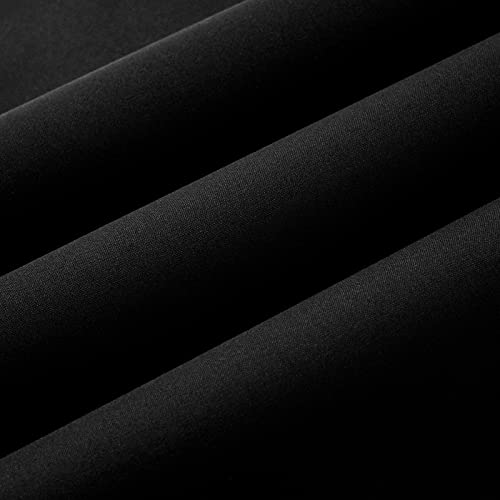
Book cloth like this works differently from tape: a woven fabric face is bonded to a paper backing, giving you something that cuts like cardstock but wears like textile. This Wooqu sheet measures 17 by 29 inches, large enough to wrap a hardcover board with room to spare.
The weave is tight, which helps edges resist fraying while you fold and glue. In our view it’s the sensible middle ground here, bigger than the HHZZMIAO squares yet simpler to store than the Irenare bolt.
What Helps Most
- Paper backing cuts and folds predictably with standard craft tools
- Tight-weave fabric resists fraying along trimmed edges
- 17 x 29 inch size fits most hardcover and photo album boards
- Suits boxes, menus, and journals beyond book repair alone
Minor Gripes
- Screen colors vary between monitors, so expect slight shade differences on arrival
- One sheet means a second purchase for larger production runs
Key Specs
Right Fit For
Intermediate DIY binders making journals, albums, or keepsake boxes at a home worktable.
Consider Something Else When
Gift projects calling for visual flair are better served by its glitter-finish sibling, the Wooqu Glitter Black below.
Same platform as the plain Wooqu sheet above, same 17 by 29 inch paper-backed format, but the face carries a glitter treatment that catches light across a cover. That single change shifts this from repair stock to presentation material.
It earns its place for handmade gifts: sketchbooks, wedding guest books, recipe collections. You may find the sparkle too busy for restoring an antique novel, though, which is exactly what the plainer picks handle best.
Strong Points
- Glittered black face gives finished pieces a distinctive look
- Identical easy-cut paper backing as the standard Wooqu version
- Durable enough for covers handled regularly once bound
Points To Note
- Glitter texture reads casual, so it clashes with formal restoration work
- Single-sheet quantity requires reordering for multiple projects
Who Should Grab It
Makers producing gift journals and event albums where the cover itself is part of the statement.
Swap It Out When
Straightforward spine repair calls for the SICCOMMA tape instead, since decoration isn’t the goal there.
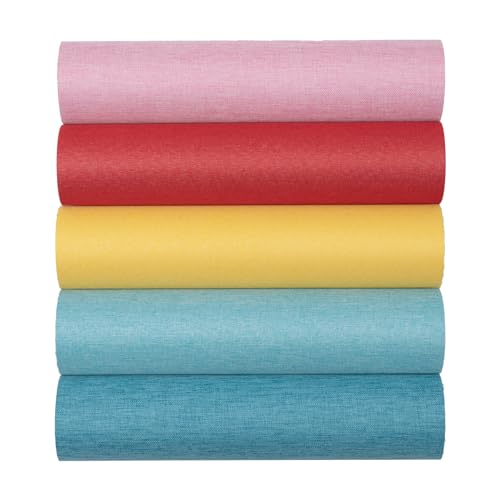
Beginners often stall because cutting into a big expensive sheet feels risky. This pack sidesteps that: ten pre-cut 14 by 10 inch panels in five colors, all linen-faced with paper backing, ready to use straight from the envelope.
Each panel comfortably wraps a small notebook or lines a box lid. The high-density linen weave gives covers a refined hand feel that flat paper can’t match, and having spare sheets on hand makes practice runs painless.
Advantages To Know
- Ten pre-cut panels remove measuring stress for newcomers
- Five colors per pack support mixed-media and accent designs
- Linen face delivers a textured, premium-feeling cover surface
- Compact sheets store flat in a drawer between sessions
Softer Spots
- 14 x 10 inch size falls short for full-size hardcover boards
- Color mix varies by pack, so exact shades depend on the batch received
Quick Facts
Who Will Love This
New binders and classroom settings where low-cost practice material matters as much as results.
Look Elsewhere When
Large-format cover work needs the Wooqu 17×29 sheet, whose extra width handles full boards.
This is the Style A pack’s sibling with a different color arrangement, built from the same durable linen-faced, paper-backed formula in the same 14 by 10 inch cut. Choosing between them comes down purely to which palette matches your project list.
Where the earlier set leans toward notebook work, this assortment tends to suit album covers and decorated gift boxes, since the varied shades layer well against kraft and white board. Same honest caveat applies: monitor settings can shift how the colors appear before they arrive.
The Helpful Details
- High-density linen construction stands up to repeated handling
- Pre-cut sizing speeds up album and box-cover assembly
- Alternate colorway complements the Style A pack for larger palettes
Room For Improvement
- Too small for standard hardcover re-binding jobs
- Shade accuracy depends on your display, a commonly noted frustration
Core Details
Whose Shelf It Belongs On
Hobbyists decorating photo albums, menus, and boxed gifts who want coordinated color options on hand.
Another Choice May Suit
Repair-focused users should reach for the Irenare large sheet, which offers far more coverage per dollar of effort.
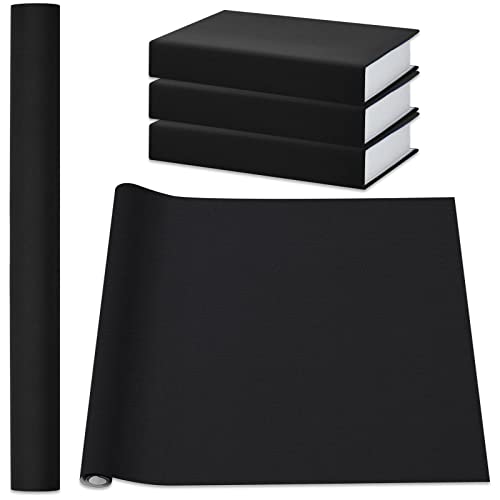
Spine work rewards precision, and this PerKoop strip is shaped for it: a long 40-inch run just over half an inch wide, faced in a fine suede-like fabric with a soft, even nap. Narrow spines and quarter-bindings take to it naturally.
Against the SICCOMMA tape, which shares a similar width philosophy, this cloth offers a finer European-style texture that photographs beautifully on finished shelves. The trade-off is that it’s a raw cloth, so adhesive comes from your own bench supplies.
A Few Highlights
- Suede-textured face feels smooth and looks refined up close
- 40-inch continuous length spans several spines or one tall volume
- Narrow profile suits delicate spine and edge detailing
- Works across book covers, box lids, menus, and craft surfaces
Worth Bearing In Mind
- Narrow width rules out full board covering entirely
- Needs external glue, adding a step the self-adhesive options skip
- Soft nap can show pressure marks, so burnish gently
Feature Snapshot
Built With In Mind
Detail-oriented binders finishing hardcovers and heirloom restorations where the spine finish carries the whole look.
Reach For A Different Pick When
Broad surface coverage calls for the Wooqu 17×29 sheet, which wraps entire boards without seaming.
What Matters Most Before Choosing Black Book Cloths
Match The Format To The Job
Book cloth arrives three ways: bulk sheets, pre-cut panels, and self-adhesive tape. Bulk sheets like the Irenare favor volume repair work, panels suit beginners learning the fold-and-glue rhythm, and tape wins for five-minute fixes. Decide which kind of project dominates your bench before anything else.
Backing And Adhesive Basics
Most quality book cloth pairs a woven face with a paper backing, a combination that cuts cleanly and folds without cracking. Self-adhesive versions trade that flexibility for speed. Raw cloth needs PVA glue or wheat paste, so factor those supplies into your setup.
Size And Coverage Math
Measure your largest planned cover first, then add an inch of overhang on every side for wrapping. A 17 x 29 inch sheet handles most hardcovers; 14 x 10 inch panels stop at notebooks and slim albums. Buying undersized material is the most common regret in this category.
Key Considerations Across These Picks
Traps First Timers Fall Into
Ordering tape-width material for full re-covers is the classic error, followed closely by skipping the glue check on raw cloth. Confirm the product format and required adhesives before checkout, and measure your book twice.
Where The Extra Money Goes
Pricier cloths buy tighter weaves, finer textures, and consistent dye lots. That shows up in cleaner folds and covers that survive daily handling. Occasional crafters can stay economical; anyone selling finished books will feel the difference immediately.
Frequently Asked Questions
Can book cloth be used without glue?
Only self-adhesive formats like the SICCOMMA tape skip glue entirely. Standard cloth sheets require PVA adhesive or paste applied during binding.
What’s the difference between book cloth and regular fabric?
Book cloth has a paper backing that prevents glue bleed-through and allows crisp folding. Plain fabric frays and absorbs adhesive unevenly.
How much cloth do I need for one hardcover?
Add roughly one inch of overhang around your book board’s dimensions. Most hardcovers fit comfortably within a 17 x 29 inch sheet.
Does black book cloth fade over time?
Quality woven faces hold their color well indoors. Direct sunlight on a shelf can dull any dyed textile gradually over years.
Can I write on book cloth?
Yes, with permanent markers or fabric pens, though test on a scrap first. Ink can feather slightly on coarser weaves.
Closing Thoughts
Black book cloth is a small purchase that changes how finished projects feel in the hand, and there’s a format here for nearly every skill level. Start with your project list, not the products, then pick the sheet, panel, or tape that matches it. Your bookshelf will thank you for the effort.
