
Dark fabric earns its keep in more ways than one. Maybe you’re draping a haunted porch in October, lining a costume, or cutting yardage for a craft table that needs a matte black base. The catch is that “black fabric” covers everything from gauzy creepy cloth to tight-woven jute, and grabbing the wrong one means a floppy drape where you wanted structure, or a stiff roll where you wanted something that tears by hand.
This roundup sorts seven options into two camps: seasonal spooky gauze built to hang, shred, and store, and sewable bolts meant for apparel, quilting, and décor. Each pick below breaks down what the material actually is, how it behaves in real use, and who should reach for it instead of its neighbors on this list.
Your Options, Compared

Legigo 6 Pack Halloween Creepy Cloths
Sedona Designz 60″ Wide Cotton Blend Broadcloth

LessMo 200×80 Inch Halloween Creepy Cloth

Natural 100% Cotton Poplin Fabric by The Yard

ZeeDix 6 Pack Black Halloween Creepy Cloth

ZXIIXZ Black Linen Fabric 59In x 19In
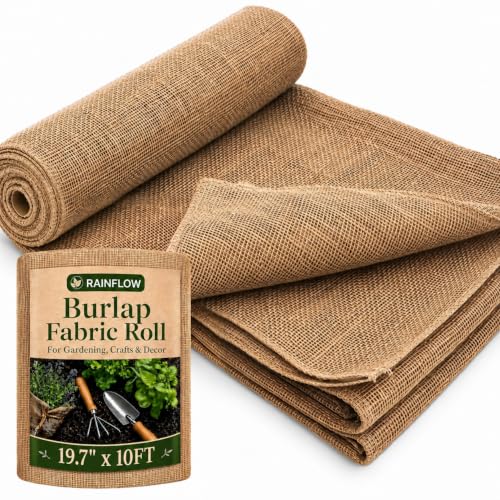
RAINFLOW 19.7″ x 13 Feet Jute Burlap Roll
A Closer Look At Each Pick
Six separate sheets beat one big bolt when your porch has multiple zones to cover: doorframe, railing, mailbox post. Each Legigo piece runs roughly 30 by 72 inches, long enough to drape a standard doorway with a little pooling at the floor.
The loose gauze weave is the point here. It reads as aged, tattered cloth straight out of the package, which saves you the shredding work that denser fabrics demand.
The Practical Payoff
- Six individual sheets let you dress several spots around the yard from a single purchase
- Tears and cuts cleanly by hand or scissors, so custom shapes take minutes, not an evening
- Folds down small between seasons, and owners commonly report it holds up across repeated Halloweens when stored dry
Small Caveats
- The open weave offers almost no privacy or wind block; treat it purely as visual dressing
- Lightweight enough that gusty porches may need clips or twine at several points
Key Specs
Who It Suits Best
Anyone decorating a whole front yard or haunted trail who wants several matching pieces rather than one oversized sheet.
Where A Sibling Pick Shines
For one massive uninterrupted drape over a garage or fence line, the LessMo giant sheet below gives you far more coverage per piece.
Broadcloth is a tightly woven, smooth-surfaced fabric, and this version blends about 80 percent polyester with 20 percent cotton. That ratio explains its personality: crisp hand feel, low shrinkage, and a surface that resists wrinkling through a school day or a long car ride.
At a full 60 inches wide, you lose fewer seams on shirts, table runners, and curtain panels than you would with narrower bolts. Sold by the single yard, so order multiples for larger projects.
Strong Points
- The poly-cotton blend shrugs off wrinkles, a genuine win for garments worn straight from the dryer
- Smooth finish takes embroidery and appliqué cleanly without the fuzz of looser weaves
- Wide 60-inch cut means fewer joins on bedding panels and wide home-décor pieces
Points To Note
- Higher polyester share means less breathability than pure cotton in hot weather
- One-yard increments add up quickly on big projects, so plan your total before ordering
Made For
Home sewists making everyday wear, bed linens, or structured décor who want low-maintenance black yardage.
Swap It Out When
Quilters and anyone wanting natural fiber next to skin will prefer the 100% cotton poplin at number four.
Roughly five meters long and two wide, this is the biggest single piece of spooky gauze on the list. One sheet spans a two-car garage door, a full fence section, or an entire ceiling canopy for an indoor party, no seams required.
The polyester-cotton blend stretches slightly, which helps it hug irregular shapes like tree branches and porch columns. Compared with the Legigo six-pack, this trades quantity for sheer scale.
Everyday Perks
- A giant uncut sheet lets you decide later how many zones one purchase covers
- Stretchy weave conforms to posts, rails, and branches without constant re-tucking
- Durable enough that many owners reuse it season after season
Things To Consider
- One piece only; multi-area displays mean buying more than one
- Handling nearly 17 feet of loose gauze outdoors can tangle in wind, so stage it before hanging
Feature Snapshot
Right Fit For
Haunters covering large outdoor structures or creating one dramatic ceiling-to-floor indoor scene.
Reach For A Different Pick When
Smaller door-and-window accents are cheaper and simpler with the ZeeDix six-pack further down.
Poplin gets its name from a plain, tight weave that feels smoother than basic muslin, and this bolt is combed 100% cotton, meaning shorter fibers were brushed out before spinning for a softer thread. The result is a black fabric that presses flat and behaves predictably under a beginner’s machine.
It’s sold as one yard at 59 inches wide, a sensible trial size for lining a jacket, backing a quilt block, or test-sewing a pattern before committing to more yardage.
Positive Takeaways
- All-cotton construction irons crisply and accepts fusible interfacing without complaint
- Silky hand feel elevates simple projects like tote linings and pillow backs
- Lightweight yet sturdy enough for garment seams that see regular wear
Where It May Fall Short
- Single-yard length limits ambitious projects until you reorder
- Pure cotton wrinkles more than the Sedona blend and may need pressing after washing
Core Details
Who Will Love This
Newer sewists and quilters who want forgiving, natural-fiber black fabric for linings and practice pieces.
Consider Something Else When
Wrinkle-free garments for daily rotation suit the Sedona Designz broadcloth better.
This set mirrors the Legigo concept with a slightly longer cut: six roving-mesh sheets at about 30 by 75 inches each. The large, open grid is what makes it fun to work with, since a firm pull creates authentic-looking rips in seconds.
Indoors it shines. Drape it over mantels, stair rails, and light fixtures for instant atmosphere, then fold it into a bin come November.
Real-World Strengths
- Coarse open mesh tears into jagged, convincing edges with zero tools
- Six sheets spread across walls, doorways, and furniture in one go
- Folds flat and stores compactly for reuse next year
Honest Caveats
- Very airy weave snags easily on velcro, rough brick, and jewelry
- Too translucent to hide anything behind it; strictly a surface layer
Quick Facts
Built With In Mind
Party hosts dressing several indoor rooms on a budget who value easy tearing over durability.
Another Choice May Suit
Wind-exposed porches hold up better with the sturdier LessMo sheet at number three.
Unlike every bolt on this list, this is a single pre-cut panel of cotton-linen canvas aimed squarely at needlework. The visible, even weave gives cross-stitchers and embroiderers a reliable grid to count against, something broadcloth and poplin can’t offer.
At 59 by 19 inches, there’s ample room for several small hoop projects or one substantial wall piece, plus offcuts for patchwork.
Standout Benefits
- Countable canvas texture suits cross-stitch, punch needle, and embroidery hoops
- Cotton-linen mix stays stable under tension without excessive stretch
- Generous panel yields multiple smaller craft projects from one purchase
A Few Limitations
- Fixed 19-inch depth won’t cover garment-scale sewing projects
- Canvas weight is too heavy for flowing curtains or apparel drape
The Right Fit
Embroidery hobbyists and DIY decorators who want textured black ground fabric for stitched designs.
Look Elsewhere When
Apparel sewing calls for the finer, lighter poplin at number four instead.
Jute burlap is the coarse, earthy woven fiber behind coffee sacks, and RAINFLOW supplies it as a continuous 13-foot roll just under 20 inches wide. Reinforced stitched edges stop the fraying that unravels cheap rolls within a week outside.
Because jute breathes, air and moisture pass through the weave, which matters when wrapping shrubs against frost or shielding young trunks from sunscald in summer.
What It Does Well
- Breathable weave protects plants without trapping moisture against bark
- Stitched edges resist unraveling through a full season of weather
- Tight weave also suits rustic table runners, banners, and wedding décor
Trade Offs To Consider
- Natural jute sheds fibers and carries a distinct earthy scent indoors at first
- Stiff texture resists fine folds; expect a rugged look rather than crisp lines
Details At A Glance
Who Should Grab It
Gardeners winterizing shrubs and crafters after rustic, natural-texture décor in one roll.
Not Your Match When
Soft, drapey Halloween gauze is a better match; the ZeeDix pack handles that job.
Choosing Between These Fabrics With Confidence
Match The Material To The Job
Start with behavior, not looks. Loose gauze hangs and tears beautifully but hides nothing and survives nothing rough. Woven broadcloth and poplin hold seams, take ironing, and behave like real garment fabric. Jute sits at the opposite end: coarse, breathable, and happiest outdoors.
Width And Length Math
Always check both dimensions before ordering. A 59-inch-wide bolt fits most apparel patterns without piecing, while 19-inch strips suit runners and wraps. For décor, estimate your longest span first, then buy either one giant sheet or enough small ones to cover each zone.
Fiber Content Changes Everything
Polyester-heavy blends resist wrinkles and shrink less, which suits garments and items that get washed often. Pure cotton presses flat and breathes, ideal for linings and quilting. Cotton-linen adds texture for stitch work. Choose based on how the finished item will be cleaned and worn.
Plan For Storage And Reuse
Seasonal gauze lasts years when folded dry and kept out of damp garages, though snagging on rough surfaces is common. Jute tolerates weather but sheds, so keep it away from pale upholstery. Sewing bolts simply need a cool, dark shelf away from direct sun to prevent fading.
Key Takeaways Before You Order
Traps First Timers Fall Into
The classic slip is buying decorative gauze expecting fabric-store performance. It won’t survive a seam or a wash cycle. The reverse mistake happens too: ordering stiff burlap for a flowing curtain and fighting the drape ever after. Measure your space, name the project, then let those two answers pick the category for you.
The Case For Spending Up
Higher-tier rolls tend to differ in finishing details rather than raw look: reinforced stitched edges, tighter weaves, consistent dye lots. Those details decide whether a garden wrap lasts one season or four, and whether a black bolt fades blotchy near a sunny window. Pay up when the item faces weather or repeated washing.
Frequently Asked Questions
Is creepy cloth the same as cheesecloth?
They’re close cousins, both loose open-weave fabrics made for draping and tearing. Halloween versions usually use a polyester-cotton blend that’s sturdier and more reusable than kitchen cheesecloth.
Can I sew Halloween gauze into costumes?
You can, but the huge open mesh barely holds a seam and frays instantly. Layer it over a solid base garment or back it with fusible webbing first.
Does black burlap fade in sunlight?
Natural jute lightens gradually with prolonged UV exposure, especially outdoors. Rotating or seasonal use keeps the color looking even for longer.
How much fabric do I need for a doorway drape?
A standard interior doorway needs roughly 80 inches of drop plus extra for swagging, so a single 30-by-72-inch sheet falls short. Two sheets side by side, or one of the giant LessMo pieces, covers it cleanly.
Will the poly-cotton broadcloth shrink when washed?
The high polyester share keeps shrinkage minimal compared with all-cotton fabric. Pre-washing once still smartens edges and removes any finishing residue before you cut.
Bottom Line
Seven picks, three distinct jobs. For whole-yard Halloween scenes, the Legigo six-pack spreads furthest, while the LessMo giant sheet owns big structures. Sewists get their money’s worth from the Sedona broadcloth or the beginner-friendly cotton poplin, crafters from the ZXIIXZ linen panel, and gardeners from the stitched-edge RAINFLOW jute roll. Match the material to the task and any of these will earn its shelf space.
