
Black fabric is the workhorse of any sewing stash, and the wrong bolt can sink a project before the first stitch. Whether you’re lining a jacket, sewing a costume for a weekend convention, or whipping up a plush blanket for movie nights, the material you choose decides how the finished piece drapes, stretches, and wears. This roundup covers seven black fabrics that handle real projects well: stretch velvet, cotton poplin, minky plush, satin, and more. Each one suits a different maker and a different job, so read with your next project in mind.
The Main Contenders
KKJIAF 5 Yard Black Stretch Velvet Fabric 60″

Master FAB Black 100% Cotton Poplin Fabric by The Yard

Homiest Minky Dot Fabric by The Yard, 2 Yards x 60 Inch

FFPDYBEST Natural 100% Cotton Poplin Fabric 59 Inches Wide, 1 Yard

Entisn 2 Yards x 60 Inch Black Pre-Cut Minky Fabric

Q&J Fabric Co. 5 Yards Black Satin Fabric 55″ Wide
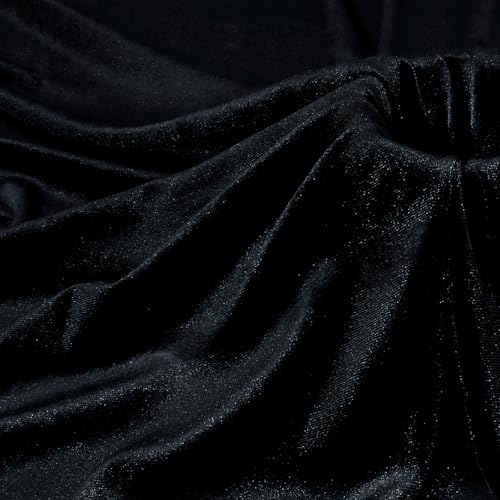
P Pothuiny Black Stretch Velvet Fabric by The Yard, 1 Yard x 60 Inch
Inside Each Recommended Option
Five yards of 60-inch-wide velvet is a serious amount of cloth, enough for a full gown, a cape, or several smaller pieces from a single order. The blend runs 90% polyester with 10% spandex, which is what gives it genuine stretch and recovery rather than the stiff drape of basic craft velvet.
For cosplay and eveningwear, that elasticity matters more than anything else on the spec sheet. A bodice cut from this material moves with the wearer instead of fighting them, and the pile stays soft against skin. Compared with the single-yard option later in this list, you’re trading flexibility of quantity for bulk value here.
Reasons It Performs
- The spandex content lets garments flex through shoulders and hips without seam strain.
- Cuts cleanly with standard shears, so layout and pattern-matching stay manageable.
- Five yards covers most full-garment projects without piecing seams mid-panel.
- The polyester base resists pilling better than natural-fiber velvets tend to.
Things To Consider
- Synthetic velvet holds heat, so summer costumes can get warm under stage lights.
- Velvet nap (the direction the surface fibers lie) needs consistent cutting or panels will look mismatched.
Made For
Cosplayers, dance-costume builders, and anyone sewing fitted black garments that need to move.
A Better Fit Elsewhere
For small accent pieces like headbands or trim, the P Pothuiny Black Stretch Velvet Fabric sold by the single yard avoids leftover surplus.
Poplin is a tightly woven plain-weave cotton, smooth on the face and crisp enough to hold a pressed edge. That combination makes it the default choice for shirts, dresses, quilting tops, and kids’ craft projects where a stable, breathable cloth matters.
This version is sold by continuous yardage, so ordering three yards gets you one uncut length. Home sewists who iron their seams flat will appreciate how poplin presses; unlike the plush picks further down, there’s no pile to crush under a hot iron.
Positive Takeaways
- Natural cotton breathes, which keeps wearable projects comfortable in warm weather.
- Holds creases well, so hems and collars press sharp and stay that way.
- Takes dye evenly, useful for over-dyeing or fabric-painting projects.
- Safe and easy enough for children’s craft sessions under supervision.
Minor Gripes
- Deep blacks on cotton can fade slightly after repeated hot washes; cold cycles help preserve depth.
- No stretch at all, so fitted patterns need ease built into the design.
Who It Suits Best
Garment sewists and quilters who want a dependable, washable black cotton for everyday makes.
Where A Sibling Pick Shines
Projects needing a silkier finish may suit the FFPDYBEST Natural 100% Cotton Poplin better, thanks to its smoother hand.
Minky is a short-pile polyester plush, and the dotted variant adds raised bumps across the surface for extra tactile interest. Two pre-cut yards at 60 inches wide is roughly a throw-blanket’s worth of material, sized right for baby gifts or lap quilts.
In a busy household, this is the fabric that ends up on the couch. The dot texture gives sensory appeal for kids and a grippier feel than flat minky, though it does shed lint in the dryer more than woven cottons do.
Practical Advantages
- Raised polka-dot texture adds grip and sensory interest beyond flat plush.
- Dries quickly after washing compared with heavier fleece options.
- Warm without weight, so blankets stay cozy but not heavy on laps.
Softer Spots
- Plush pile attracts pet hair and lint; a lint roller becomes part of routine care.
- Slippery under a presser foot, so walking-foot attachment helps keep seams even.
- Pre-cut two-yard length limits scaling up for larger bed-size projects.
Feature Snapshot
Right Fit For
Parents and gift-makers sewing blankets, pillow covers, or sensory-friendly items for young children.
Swap It Out When
Larger bed quilts call for more yardage, which is where the Entisn pre-cut option or buying multiple cuts makes sense.
Where the Master FAB poplin aims at general crafting, this FFPDYBEST roll positions itself as a finishing fabric: linings, embroidery grounds, quilt backs. The 59-inch width is slightly wider than many budget cottons, which means fewer joins when lining a coat body.
The combed construction (short fibers removed before spinning) gives it a smoother face than standard muslin, and owners commonly note the silky hand straight off the bolt. One yard is a modest cut, best treated as an add-on to a larger order rather than a standalone supply.
Points In Its Favor
- Combed yarns produce a finer, less fuzzy surface ideal for visible linings.
- Lightweight yet durable enough to survive daily wear inside a jacket.
- Embroidery hoops grip it securely without distorting the weave.
Points To Note
- A single yard won’t cover most full garments; plan on ordering multiples.
- Lightweight hand means sheer drape, so it shows every seam underneath.
Quick Facts
Who Will Love This
Detail-oriented sewists finishing tailored jackets, bags, or embroidered heirloom pieces.
Consider Something Else When
Bulk garment sewing goes faster with the Master FAB poplin, which offers the same fiber in longer continuous cuts.
This Entisn cut sits right beside the Homiest dotted pick in the lineup, but skips the embossed dots for a smooth 3mm pile. That shorter, even surface is easier for beginners to sew because the feed dogs grip it more predictably than textured plush.
First-time plush sewers making stuffed animals or simple blankets will find the pre-cut two-yard format removes guesswork about how much to order. The solid black also hides minor stitching imperfections better than lighter shades would.
Practical Pluses
- Short 3mm pile feeds smoothly through a home machine without a walking foot.
- Traps warmth effectively, keeping finished throws genuinely cozy.
- Solid colorway simplifies matching thread and hiding seam allowances.
Small Caveats
- No dot texture, so it lacks the sensory grip some children prefer.
- Like all plush, edges shed fibers when cut; a lint brush tidies raw edges quickly.
Who Should Grab It
Newer sewers tackling their first blanket or plush toy project at home.
Not Your Match When
Sensory-focused baby gifts benefit more from the Homiest Minky Dot Fabric’s raised bump design.
Satin refers to the weave, not the fiber, and this polyester version delivers the glossy face and fluid drape the name promises. Five yards at 55 inches wide is event-scale yardage: table runners, chair sashes, bridesmaid sashes, or full linings for formal gowns.
The manufacturer highlights wrinkle resistance, which matters enormously for decor that gets folded, packed, and unpacked before an event. In our view, that alone justifies choosing satin over taffeta for travel-heavy wedding setups.
Where It Helps
- Glossy face catches light beautifully under event and photography lighting.
- Resists wrinkling, so packed decor arrives looking presentable.
- Five-yard cut handles multi-table decor schemes from one purchase.
- Fluid drape flatters gown linings and flowing skirt overlays alike.
Trade Offs To Consider
- Satin frays aggressively at raw edges; serging or French seams are near-mandatory.
- The slick surface slides while cutting, so weights beat pins for pattern holding.
At A Glance
Who Should Grab It
Wedding planners, party decorators, and formalwear sewists working on multi-piece projects.
Reach For A Different Pick When
Stretch and body-hugging fit matter more than shine, which points back to the KKJIAF stretch velvet instead.
Same velvet family as the KKJIAF opener, different buying model. This one sells in separate one-, two-, or five-yard pieces, so you pay only for the length a small project actually needs. The blend matches too: 90% polyester, 10% spandex, 60 inches wide.
That per-yard flexibility suits trial runs. Testing a new pattern in one yard costs far less than committing to five, and leftovers from a hatband or choker project stay minimal.
The Practical Payoff
- Multiple length options let you match the cut to the project precisely.
- Spandex blend stretches and recovers like the larger KKJIAF bolt.
- Full 60-inch width accommodates wider pattern pieces without piecing.
Worth Bearing In Mind
- Per-yard pricing typically runs higher than bulk-bolt equivalents.
- Separate pieces mean multiple orders for large garments, adding shipping waits.
Best Suited To
Hobbyists making accessories, trims, and small accent pieces in stretch velvet.
Another Choice May Suit
Full gowns and capes are more economical from the KKJIAF 5 Yard Black Stretch Velvet Fabric bolt.
What Matters Most Before Choosing Black Fabrics
Fiber First, Always
Fiber content drives everything downstream: drape, breathability, care requirements, and cost. Cotton poplin presses crisply and breathes, polyester plush traps warmth and dries fast, and spandex blends stretch. Match the fiber to where the finished piece will live, whether that’s a summer dress or a winter throw.
Width Changes Your Math
A 60-inch-wide cut yields more usable area per yard than a 44-inch one, often meaning fewer seams and less waste on wide pattern pieces. Check the listed width before comparing prices between bolts, since narrower fabric quietly costs more per finished square inch.
Care Requirements Deserve Honesty
Velvet nap crushes, satin frays, and deep blacks on natural fibers can soften with repeated hot washing. Think about how often the item will be laundered and whether you’re willing to cold-wash, line-dry, or serge edges to keep it looking sharp long term.
Quantity Realism
Pre-cuts suit small projects and first attempts; bulk bolts reward repeat makers. Overbuying ties up storage space, while underbuying risks dye-lot mismatches on a second order. Measure your pattern’s yardage requirement before clicking, then add a margin for errors.
Key Considerations Across These Picks
Wrong Turns To Avoid
The most common slip is ignoring fabric width when comparing listings, which skews value calculations badly. Another frequent miss: ordering stretch fabric for a structured project, or stable fabric for a fitted one. Read the fiber content twice before checkout.
The Upgrade Payoff
Higher-tier cuts justify their cost through combed yarns, wider widths, and better colorfastness. Those attributes show up as smoother surfaces, fewer seams, and deeper blacks after months of washing. Frequent sewers recoup the difference quickly; occasional crafters rarely notice it.
Frequently Asked Questions
What is cupro fabric, and how does it differ from these picks?
Cupro is a regenerated cellulose fiber made from cotton linter, prized for its silk-like drape and breathability. The picks above are cotton, polyester, and blend alternatives that hit similar use cases at accessible prices.
Can I machine wash black velvet?
Most polyester-spandex velvets tolerate gentle cold cycles, though the nap can crush over time. Turning garments inside out and air-drying preserves the surface longest.
How much fabric do I need for a throw blanket?
A standard lap throw needs roughly two yards of 60-inch-wide material, which is why several picks here come pre-cut at that size. Add extra for hems or binding.
Does black satin fray badly?
Yes, satin weaves unravel quickly at raw cut edges. Finishing seams with a serger, zigzag stitch, or French seam technique keeps edges intact.
Will black cotton fade in the wash?
Deep-dyed cottons gradually lighten with repeated hot washing and sun exposure. Cold water cycles and inside-out drying slow the process considerably.
Bottom Line
Your next project should dictate the pick, not the other way around. Bulk velvet builders have the KKJIAF bolt waiting, detail sewists will lean toward the FFPDYBEST combed poplin, and event decorators get the most mileage from Q&J’s five-yard satin. Whichever direction your needle points, matching fiber and quantity to the actual job is what separates a satisfying make from a drawer-bound one.
