
Black enamel paint earns its keep where ordinary paint gives up: greasy metal, outdoor equipment, model kits, scratched rims. The seven options below cover that whole range, from marker pens you can pocket to half-pint cans built for farm machinery. Each one suits a different job, so match the format to your project before anything else.
Your Options, Compared

Enamel Paint Markers MPD-15 Matte Black

Rust-Oleum Farm & Implement Gloss Paint

Testors Semi-Gloss Black Enamel Paint
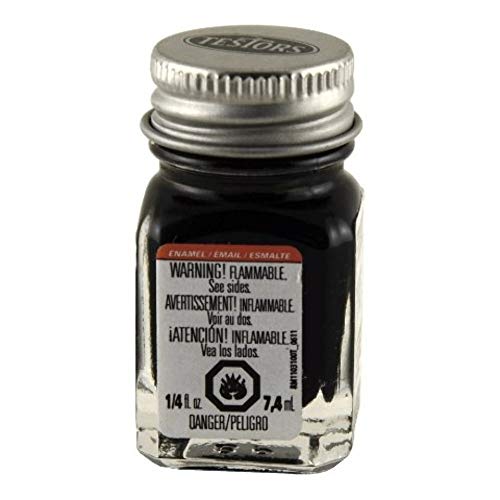
Testor Corp. Enamel 1/4 oz Flat Black TES1149TT

SENVEN Car Black Paint Touch Up Pen 30ML
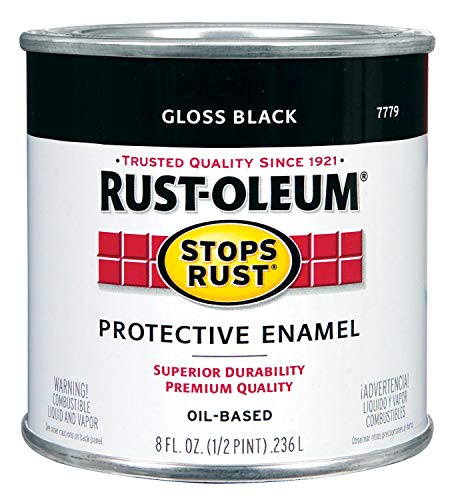
Rust-Oleum 7779730 Stops Rust Brush On Paint Half Pint

Testors Gloss Black Enamel Paint
The Picks, Examined More Closely
A marker changes the math entirely. Instead of decanting paint into a tray, you shake, uncap, and write straight onto the part, which matters when you’re tagging cut steel stock or labeling bins mid-shift in a busy shop.
The matte black ink carries an industrial-strength enamel base, so marks hold up against weather and handling rather than smearing off like a Sharpie would. It also bonds to surfaces most pens refuse: oily metal, rubber, glass, concrete, even fabric.
A Strong Showing
- Writes directly onto oily metal without priming first, saving prep time on shop floors
- Waterproof, UV-resistant marks survive outdoor storage racks and sun-exposed equipment
- No brush cleanup, since the pen tip does the work and reseals between uses
- Part of a 17-color line, handy once color coding becomes a habit
Things To Consider
- A single pen covers far less area than a can, so large panels call for one of the brush-on options below
- Enamel ink dries fast in the tip, so cap it promptly or you may lose flow
Key Specs
Who It Suits Best
Fabricators, mechanics, and warehouse staff who need permanent identification marks on mixed materials.
Where A Sibling Pick Shines
Covering broad surfaces goes to the Rust-Oleum 7779730 Stops Rust Brush On Paint, whose half-pint can outpaces any pen by a wide margin.
Equipment paint lives a hard life. Tractors get chipped by gravel, flexed by vibration, and baked by sun, and ordinary house paint flakes off within a season. This specialty gloss is formulated for exactly that abuse cycle.
Rust-Oleum builds it as a rust-preventative coating with strong color retention, aimed at tractors, trailers, mowers, and implements. Availability shifts seasonally, so check the listing before planning a repaint weekend.
What Pays Off
- Weather- and chip-resistant film stands up to stone strikes on mowers and trailer hitches
- Rust-preventative chemistry protects bare steel edges after repairs
- Gloss black refreshes faded equipment so it reads well-maintained again
Worth Noting
- Stock levels fluctuate, and alternate listings may carry different pricing, so confirm availability early
- Oil-based equipment paints demand mineral spirits for brush cleanup, a chore some owners skip projects over
- Proper surface prep, degreasing and light sanding, heavily influences how long the coat lasts
Built With In Mind
Property owners restoring tractors, implements, or trailers who need a tough, glossy protective coat rather than a decorative finish.
Swap It Out When
Smaller household metalwork suits the Rust-Oleum 7779730 Stops Rust half pint better, since its smaller volume matches railing-sized jobs.
Semi-gloss sits in the sweet spot for models: enough sheen to look finished, not so much that every fingerprint shows. Testors has anchored this niche since long before most current hobbyists were born, and this bottle keeps the formula simple.
It brushes on smoothly, covers metal, wood, and plastic, and dries to the touch in roughly an hour, which means you can base-coat a kit in the evening and detail it the next day. For small crafts and school projects, that pace fits real schedules.
What Earns Its Place
- One-hour dry time lets you stack coats across a single afternoon
- Smooth brush application reaches tight panel lines and recessed details
- Adheres to metal, wood, and plastic, covering most kit materials in one bottle
- Semi-gloss hides minor surface imperfections better than a mirror gloss
Small Caveats
- Enamel fumes mean ventilation matters, especially at a desk indoors
- Brush-only format leaves visible strokes on large flat areas unless you thin it and practice technique
Feature Snapshot
Right Fit For
Hobby builders finishing scale models, miniatures, and mixed-material crafts who want dependable coverage without airbrush gear.
Another Choice May Suit
First-timers wanting the flattest, most forgiving finish often start with the Testor Corp. 1149 Flat Black instead.
Quarter of an ounce sounds tiny until you realize how little paint a 1/72 scale tank actually drinks. This is the classic starter bottle, the one that’s sat beside model kits for decades, and flat black remains its most requested shade.
Flat finishes absorb light instead of reflecting it, which makes them ideal for tires, treads, gun barrels, and cockpit interiors where gloss would look toy-like. Compared with the semi-gloss Testors above, this one trades sheen for realism on military subjects.
Key Advantages
- Flat black delivers the non-reflective look scale armor and aircraft demand
- Small bottle size keeps cost down while you learn brush control
- Long shelf life in a sealed jar means leftover paint survives between builds
Points To Note
- The 1/4 oz volume runs out quickly on larger kits, so frequent builders should buy multiples
- Jar lids can stick if enamel dries in the threads; wiping the rim after each session avoids that
Whose Shelf It Belongs On
Newcomers to plastic model building practicing their first base coats and detail passes on small kits.
Reach For A Different Pick When
Larger craft surfaces call for the Testors Gloss Black Enamel Paint, whose broader multi-surface range handles ceramics and paper alike.
Parking-lot door dings and curb-scraped rims never wait for a body shop appointment. This 30ml pen exists for that gap: shake it for about two minutes, dab the brush head onto the chip, and the formula cures in roughly ten minutes.
SENVEN layers the coating to seal out water and oxygen, the two ingredients rust needs to spread from a scratch. Beyond car bodies and wheels, the listing extends compatibility to motorcycles, yachts, and even furniture with bright finishes, though exact color matching on factory paint varies by vehicle.
Useful Strengths
- Ten-minute cure time means a lunch-break repair instead of a weekend project
- Layered sealing process helps stop exposed metal from oxidizing behind the repair
- Precise brush head targets wheel hub scratches and narrow door-edge chips
- Works across vehicles, bikes, boats, and household items with glossy finishes
Practical Considerations
- Universal black won’t disappear on every factory paint shade; test on a hidden spot first
- Shake thoroughly before use, or the pigment and sealant may apply unevenly
Quick Facts
Who Should Grab It
Daily commuters and leased-vehicle drivers keeping black trim, wheels, and body panels presentable between professional services.
Not Your Match When
Full-panel refinishing belongs with the Rust-Oleum Farm & Implement Gloss Paint, which covers large steel surfaces economically.
This is the benchmark oil-based protective enamel, and the half-pint can is sized honestly: at up to 22 square feet of coverage, one can handles a wrought-iron railing section, a mailbox post, or a set of patio furniture legs with room to spare.
The oil-based formula dries to the touch in two to four hours, slower than the SENVEN pen but far tougher once cured. It bonds to wood, metal, concrete, and masonry, indoors or out, and pairs with a Stops Rust primer for maximum longevity on bare steel.
Positive Takeaways
- Corrosion-resistant film protects exterior metal through wet seasons and freeze-thaw cycles
- 22 sq ft per can covers typical railing or gate jobs in a single purchase
- Excellent chip resistance and color retention keep gloss black looking fresh for years
- Works on masonry and concrete, not just metal, widening its around-the-house uses
Trade Offs To Consider
- Two-to-four-hour tack time requires a dust-free workspace and patience between coats
- Oil-based cleanup needs mineral spirits, and brushes must be washed promptly or they stiffen permanently
Details At A Glance
The Right Fit
Homeowners maintaining exterior ironwork, steel gates, and outdoor fixtures who value longevity over speed.
Look Elsewhere When
Quick cosmetic touch-ups on a vehicle suit the SENVEN touch-up pen, whose ten-minute cure beats any brush-on can.
Where the semi-gloss Testors earlier in this list aims at realism, this gloss version chases shine. Car bodies, race kits, and anything meant to look polished benefit from that deep reflective finish, and Revell kit builders have paired these two brands for generations.
Coverage runs heavy for a small-format paint, and durability holds up to handling once fully cured. The surface list stretches past plastic into ceramics, glass, pottery, stone, paper, and foam, which makes it a genuine all-purpose craft bottle rather than a hobby-only item.
Standout Benefits
- Maximum coverage means fewer passes to reach an even, opaque black
- Adheres to ceramics, glass, pottery, stone, foam, and paper alongside standard kit plastics
- Extremely durable cured film resists scuffs on handled display pieces
- Proven pairing with Revell model kits for automotive gloss work
Less Ideal Details
- Gloss magnifies dust nibs and brush strokes, so a clean workspace and steady hand matter more than with flat finishes
- Enamel odor calls for open windows during indoor crafting sessions
Core Details
Who Will Love This
Craft fair sellers and kit builders chasing a deep, shiny black finish across varied materials.
Consider Something Else When
Subtle, low-reflection military models pair better with the Testor Corp. 1149 Flat Black covered earlier.
Choosing Between These Black Enamel Paints
Match the Format to the Job
Pens, jars, and cans solve different problems. Markers excel at identification and thin lines, small bottles serve detail work, and brush-on cans cover square footage. Deciding the surface area first narrows the field faster than comparing brand names ever will.
Surface Prep Determines Lifespan
Enamel bonds best to clean, degreased, lightly sanded surfaces. Oily metal repels coatings regardless of quality, so a wipe-down with solvent before painting pays off more than any premium formula choice. Skipping prep is the most common reason coatings peel early.
Finish Changes the Perception
Gloss reads bold and cleans easily, semi-gloss balances both worlds, and flat hides imperfections on display pieces. Choose based on lighting conditions and how often hands will touch the painted object, not just aesthetics.
Ventilation and Cleanup Count
Most enamels here are solvent-based, meaning fumes during application and mineral spirits afterward. Plan a ventilated space and budget for proper brush care, because hardened brushes are the quiet cost nobody factors in.
Key Considerations Across These Picks
Wrong Turns To Avoid
The biggest mistake is buying a tiny hobby jar for a fence-sized job, then blaming the paint. Equally common: applying a second coat before the first fully cures, which wrinkles the film. Read dry times, measure your surface, and buy accordingly.
What The Higher Tier Buys
Premium formulations add rust inhibitors, UV stabilizers, and resin content that extends outdoor life by years. For interior crafts, that engineering is wasted money; for a gate facing winter weather, it’s the difference between repainting annually and forgetting about it.
Frequently Asked Questions
Can black enamel paint be used on plastic?
Yes, several picks here bond to plastic, including both Testors bottles and the MPD-15 marker. Light sanding improves adhesion on slick plastics.
How long does enamel paint take to fully cure?
Touch-dry times range from ten minutes to four hours depending on the product. Full hardness typically develops over several days to a week.
Is enamel paint waterproof?
Once fully cured, quality enamels form a water-resistant film. Products like the MPD-15 marker and Rust-Oleum formulas are specifically rated for outdoor exposure.
Do I need primer under black enamel?
Bare metal benefits greatly from a rust-preventative primer. Previously painted or porous surfaces often accept enamel directly with good results.
Can I thin enamel paint for spraying?
Solvent-based enamels can be thinned with appropriate reducers for spray application. Follow the manufacturer’s ratio guidance and strain the mix before loading your gun.
Closing Thoughts
Seven products, seven different jobs, and the honest advice is to resist buying more than you need. A marker solves labeling, a quarter-ounce jar solves a model kit, and a half pint solves a gate. Match the container size and finish to your actual project, prep the surface properly, and any pick on this list will outlast your expectations. Start with the smallest option that covers the job.
