
Faded black jeans, a washed-out couch cushion, a blank tote waiting for a design: black fabric paint fixes all of it. The catch is that not every bottle behaves the same way once it hits cotton, denim, or vinyl. Some stay soft after washing, some crack, and a few are built for upholstery rather than t-shirts. This roundup sorts seven solid options by what they actually do well, so you can match the paint to the project instead of guessing.
An Overview Of The Picks

HI-TECH Big Can Black Spray Dye 15oz

Fabric Creations Fabric Ink 2-Ounce Black
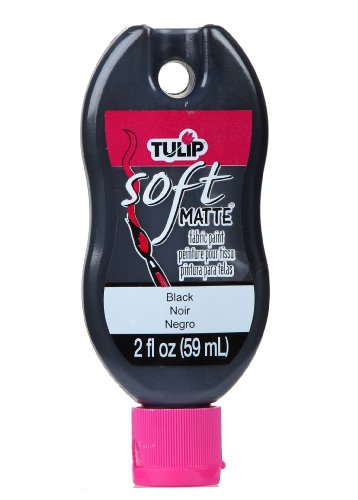
Tulip Soft Fabric Paint 2 fl oz Black
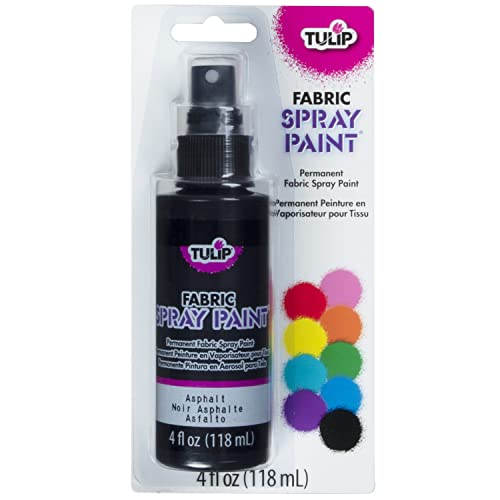
Tulip Fabric Spray Paint 4 fl oz Black Asphalt

Jacquard Neopaque 2.25 Oz Black
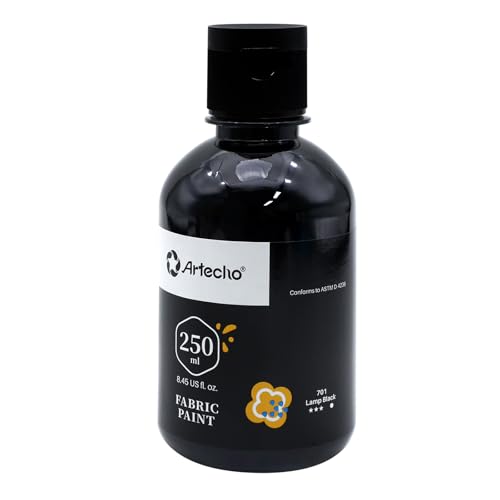
Artecho Black Fabric Paint 250 ml

Shuttle Art Black Fabric Paint 4 oz
Meet The Standout Selections
Most craft paints stop at clothing, but car interiors, carpet, and vinyl furniture need something tougher. This HI-TECH can holds 15 ounces of dye, roughly a third more than a standard spray dye, which matters when you’re recoloring a faded seat or a large rug section.
The snorkel-style nozzle adjusts its fan pattern, so you can lay down a wide sweep on open carpet or narrow it for seams and trim. Owners commonly report the finish keeps the original texture instead of leaving a stiff shell, which is exactly what you want on anything you sit on.
Real-World Strengths
- Extra dye per can stretches further across big restoration jobs
- Adjustable fan tip cuts overspray on detailed areas
- Bonds without cracking, peeling, or rubbing off on high-contact surfaces
- Preserves carpet and vinyl texture rather than coating over it
- Suits both indoor and outdoor applications
Things To Consider
- Aerosol application means masking nearby surfaces and working in ventilation
- Overkill for small garment projects where a brush-on paint wastes less
Key Specs
Who It Suits Best
DIYers restoring car interiors, RV carpet, or worn household upholstery will get the most from this can.
Where Another Pick Suits Better
Shirt and tote painters should reach for the Tulip Soft Fabric Paint instead, since brush-on control beats aerosol on garments.
Water-based ink is the gentlest way into fabric painting, and this 2-ounce bottle of black is about as forgiving as the category gets. Mistakes clean up with soap and water while the ink is still wet, which takes real pressure off a first project.
The formula is mixable too, so you can blend shades toward charcoal or soften the black for shading work. Once cured, finished pieces handle machine washing, which is the test most beginner projects never survive.
Notable Gains
- Wet cleanup with plain soap and water spares your brushes and table
- Colors mix freely for custom shades
- Finished designs hold up through machine wash cycles
Worth Bearing In Mind
- The 2-ounce size runs out fast on full-garment coverage
- Water-based inks generally need full curing before their first wash, so patience is part of the process
Made For
Newcomers, classroom settings, and anyone testing design ideas on cheap blanks before committing to better fabric.
Consider Something Else When
Artists chasing maximum opacity on dark grounds will prefer the Jacquard Neopaque, whose heavier pigment load covers deep colors in fewer passes.
The complaint that kills most fabric paint is stiffness: a design that cracks every time the shirt bends. Tulip’s Soft line is formulated specifically to dry pliable, so painted areas move with the knit instead of fighting it.
It’s opaque enough for dark fabrics yet thin enough to dilute with water for watercolor-style washes, a range you don’t get from thicker craft paints like the Shuttle Art below. Brush it, sponge it, stamp it, or push it through a stencil; the 2-ounce bottle suits single-garment projects best.
Where It Delivers
- Dries soft and flexible, so wearables stay comfortable
- Highly opaque coverage works on light and dark cloth
- Thins with water for gradient and wash effects
- Permanent once set, surviving regular laundering
Small Caveats
- Prewashing fabric first removes sizing that would otherwise block adhesion, an easy step to skip
Feature Snapshot
Right Fit For
Hobbyists decorating t-shirts, hoodies, and canvas bags who want a soft hand feel above all else.
Not Your Match When
Upholstery and vinyl repair jobs belong with the HI-TECH Big Can Spray Dye, which bonds to non-garment surfaces this paint isn’t designed for.
Spray application changes what you can do on fabric: misted gradients, splatter texture, and fast stencil fills that would take forever with a brush. This 4-ounce trigger bottle of Black Asphalt handles all three, and unlike aerosol cans it emits no propellants, so indoor crafting stays reasonable.
The color dries vibrant yet remains soft, and it’s rated permanent through repeated washes. Compared with the HI-TECH can earlier in this list, this one trades raw coverage volume for finer artistic control on garments.
Points In Its Favor
- Trigger sprayer supports spritzing, splattering, and even coats
- No aerosol propellants released during use
- Works alone for abstract looks or under stencils for crisp shapes
Potential Sticking Points
- Trigger bottles demand steady finger pressure, and long sessions tire your hand faster than an aerosol valve
- Four ounces covers less ground than larger bottles like the Artecho
- Light, even passes matter; soaking fabric wet causes pooling and uneven drying
Quick Facts
Who Will Love This
Stencil artists and upcyclers refreshing denim jackets, canvas shoes, and home textiles with layered effects.
Look Elsewhere When
Precise lettering and fine outlines call for the Shuttle Art bottle, whose brush-applied control beats any sprayer on detail work.
Jacquard sits at the serious end of textile supplies, and Neopaque is the line artists reach for when ordinary craft paint turns translucent. The pigment load here delivers maximum coverage on dark grounds, meaning one pass over navy or charcoal reads true black instead of muddy.
Despite that density, the dried film stays flexible and soft across a variety of surfaces, not just cotton. The 2.25-ounce jar is small, but concentrated paint goes further than its volume suggests, especially thinned for glazing.
Everyday Wins
- Heavily pigmented formula achieves true opacity on dark fabrics
- Stays supple after drying, keeping garments wearable
- Adheres across multiple surface types beyond basic cotton
- Made in the USA with a long track record among textile artists
Points To Note
- The jar format means supplying your own brushes and palette discipline
- Small volume costs more per ounce than hobby-bottle brands
Best Suited To
Experienced painters, costume makers, and fiber artists who need gallery-level opacity and consistent results.
A Better Fit Elsewhere
Casual weekend crafters get friendlier handling and easier cleanup from the Fabric Creations Fabric Ink covered earlier.
Volume is this bottle’s whole argument. At 250 milliliters, it holds four times the paint of a typical 2-ounce craft bottle, which translates directly into full base coats on jeans, tablecloths, or a stack of shirts without mid-project reordering.
Application is standard brush, sponge, or stencil work, and the manufacturer’s guidance is sensible: start with clean, fully dry fabric and slip cardboard between layers so paint doesn’t bleed through. The single-bottle packaging also travels well to workshops and classes.
Features That Help
- Large 250 ml supply handles big or repeated projects economically
- Portable single-bottle pack suits classes and mobile crafting
- Compatible with brushes, sponges, and stencils
Details To Watch
- Layer separation before use matters with large bottles, so expect a quick stir each session
- No applicator included, so budget for decent brushes
Core Details
The Right Fit
Teachers, camp counselors, and anyone batching decorated apparel for groups benefits most from this size.
Skip It When
Detail-focused artists doing fine linework will find the smaller Shuttle Art bottle easier to manage at the table.
Some blacks do one job; this lamp-black shade is pitched as a workshop staple that does several. The brand positions it for base coverage, toning down brightness in mixed colors, outlining, shading, and lettering, which covers nearly everything a clothing customizer attempts in a month.
The 4-ounce bottle lands between the tiny 2-ounce jars and the hefty Artecho pour, a middle size that suits ongoing projects. Once bonded and dried, the paint stays flexible and stands up to repeat washing without fading or cracking, according to the maker.
What Helps Most
- Rich lamp black suits coverage, blending, and detail roles equally
- Bonds securely to fibers and remains flexible post-dry
- Withstands repeated laundering without fading or cracking
- Non-toxic formulation fits shared craft spaces and family use
- Works across t-shirts, shoes, and denim
One Thing Worth Considering
- A single-color bottle means mixing shades requires buying companion colors separately
Feature Rundown
Who Should Grab It
Daily DIYers customizing wardrobes, sneakers, and canvas gear want this kind of all-purpose black on the shelf.
Another Choice May Suit
Restorers working on carpet or vinyl interiors should pick the HI-TECH Big Can Spray Dye, engineered for those surfaces rather than apparel.
What Matters Most Before Choosing Black Fabric Paints
Match The Format To The Surface
Spray dye, trigger sprayers, and brush-on bottles solve different problems. Upholstery and carpet call for aerosol-style products that bond without stiffening, while garments reward brushable paints that stay pliable. Buying the wrong format is the fastest route to a cracked design or a wasted can.
Opacity And Pigment Load
Not all blacks cover equally. Heavily pigmented options like artist-grade lines reach true black over dark fabric in one pass, while thinner formulas may need two or three coats. On light fabric, almost anything works; on navy or charcoal, pigment load decides whether your result looks rich or grayish.
Flexibility After Drying
A paint that dries hard will crack along fold lines within a few wears. Formulas designed for textiles stay soft so the design moves with the knit. For anything wearable, treat flexibility as a requirement, not a bonus.
Wash Durability And Prep
Permanent doesn’t mean skip the prep. Prewashing removes factory sizing that blocks adhesion, and most paints need full curing, often several days, before the first machine cycle. Build that waiting time into your project plan.
Key Considerations Across These Picks
Traps First Timers Fall Into
The classic error is grabbing the cheapest small bottle for a large project, then running out halfway through a base coat. Measure your surface area first and size up. Skipping the prewash is the second common slip; residue left in new fabric quietly undermines adhesion no matter how good the paint is.
What The Higher Tier Buys
Premium textile paints charge more for pigment concentration and consistency, which shows up as fewer coats and truer color on dark grounds. Casual crafters rarely notice the difference on light cotton. Anyone selling finished pieces or working on dark fabrics will see the upgrade pay for itself quickly.
Frequently Asked Questions
Do black fabric paints work on dark-colored clothes?
Yes, though coverage varies by pigment load. Heavily pigmented formulas reach true black over dark grounds in fewer coats, while lighter-bodied paints may look grayish until you add another layer.
How long should fabric paint cure before washing?
Most manufacturers recommend letting designs cure for several days before the first machine cycle. Always check the specific product’s directions, since curing windows differ between brands.
Can fabric paint be used on shoes?
It can, provided the shoe material accepts textile paint, such as canvas. Leather and synthetic meshes behave differently, so test a hidden spot first.
Is fabric paint safe for kids’ crafts?
Many water-based fabric paints carry non-toxic formulations suitable for supervised family projects. Check the label for the specific safety wording before handing bottles to children.
How do I keep painted designs from cracking?
Choose a formula labeled soft or flexible, apply thin layers rather than one thick coat, and let each layer dry fully. Thick application is the main cause of cracking in finished pieces.
Closing Remarks
Black is the hardest color to fake on fabric, so picking the right paint matters more than it seems. Match the format to your surface, respect the prep steps, and give designs time to cure before their first wash. Any of these seven will serve you well in the right hands; the trick is choosing the one shaped like your actual project.
