
Black is the workhorse color of heat transfer vinyl, and the roll you choose decides whether your designs survive the wash or peel after three cycles. Whether you’re running a small Etsy shop, making team shirts for the weekend game, or personalizing tote bags as gifts, the right black iron-on should cut cleanly, weed without frustration, and press flat with minimal fuss. This roundup covers seven options across different widths, lengths, and finishes, from budget-friendly sheets to matless smart material built for newer machines. Each pick below fits a different kind of maker, so match the roll to how often you press and what you press it onto.
The Lineup, Simplified

MerryMade Black Glitter HTV Roll 12″ x 8 ft
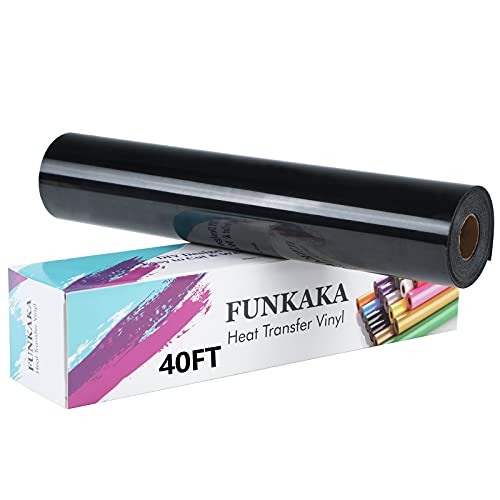
FUNKAKA Black HTV Roll 12″ x 40ft

Cricut Value Iron-On, Black (10 ct)

Cricut Smart Iron On, Black (13in x 3ft)
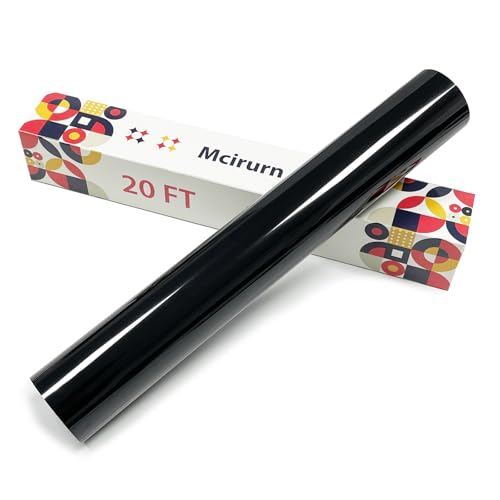
Mcirurn Black HTV Roll 12in x 20ft

Cricut SportFlex Iron-On, Black (5 ft)

EIZYCUT Black HTV Roll 12″ x 25FT
Why These Options Stand Out
Glitter vinyl behaves differently from smooth HTV, and this MerryMade roll leans into that with a sparkle surface that hides small weeding imperfections better than flat film. The 12-inch width by 8-foot length gives you enough material for a season of birthday shirts and holiday gifts without committing to a 40-foot spool.
The PU-based construction matters here because polyurethane films tend to stay flexible after pressing rather than turning stiff like older PVC formulations. That flexibility shows up in daily wear, where a glitter chest logo on a sweatshirt moves with the fabric instead of cracking at the shoulders.
The Good Stuff
- Glitter texture masks minor blade skips, so first-timers get cleaner-looking results
- Polyurethane build keeps pressed designs soft against skin rather than plasticky
- Works with all major cutter brands, so no machine lock-in
- Eight feet covers dozens of small-to-medium designs before you reorder
Things To Consider
- Glitter film typically needs a slightly longer press time than smooth HTV, so follow a test swatch before batch production
- Store the roll flat or upright; creased glitter sheeting can show permanent lines under heat
Key Specs
Who Will Love This
Hobbyists who make personalized gifts and want a little sparkle without stepping up to specialty sequin materials.
A Better Fit Elsewhere
Crafters producing plain black logos in volume will get more mileage per dollar from the FUNKAKA 40-foot roll instead.
Forty feet of black HTV changes how you plan projects. Instead of rationing every inch, you can cut practice swatches, redo a misaligned design, and still have plenty left for the actual order. For anyone selling shirts or outfitting a team, that buffer is worth more than any single feature.
FUNKAKA builds this roll with a two-layer structure: the colored vinyl plus a clear protective carrier film with a sticky backing. That adhesive layer does real work during weeding, holding stray pieces in place so a slip with the hook tool doesn’t scatter your design across the cutting mat.
Everyday Perks
- Glossy finish presses to a smooth, professional-looking surface on cotton tees
- Sticky carrier backing rescues accidentally lifted pieces, cutting down wasted material
- Compatible with all common cutter machines, from entry-level to pro models
- Eco-friendly vinyl formulation suits garments worn close to the skin
Small Caveats
- A 40-foot roll takes storage space; keep it sealed and away from dust to protect the adhesive backing over months of use
- Glossy black shows lint and fingerprint oils more than matte alternatives, so handle the liner carefully
At A Glance
Right Fit For
Small business owners and team organizers who press shirts weekly and need bulk supply without frequent reorders.
Where A Sibling Pick Shines
Anyone wanting a decorative finish rather than plain gloss will prefer the MerryMade glitter roll reviewed above.
This pack flips the usual roll format on its head: ten individual 12-by-12-inch sheets instead of one long spool. That format suits occasional makers beautifully, since each sheet stays protected until the moment you need it and there’s no partially used roll curling up in a drawer.
Because it’s engineered by Cricut for its own machines, Design Space assigns automatic cut settings the moment you select the material. You skip the trial-and-error dial adjustments that generic rolls sometimes demand, which is a genuine time-saver when you’re learning. One sheet handles a standard chest graphic with room to spare, and leftovers from a previous cut often fit smaller accents like pocket logos.
Positive Points
- Ten separate sheets mean zero waste between projects compared to an exposed roll edge
- Automatic settings in Design Space remove guesswork for Cricut machine owners
- Bulk packaging keeps the per-sheet cost lower than buying singles
Points To Note
- Twelve-inch sheets cap your largest single-cut design, so oversized back prints need tile-and-layer workarounds
- Optimized mainly for Cricut machines; users of other cutter brands may need manual setting tweaks
Who Should Grab It
Casual crafters with a Cricut machine who personalize a few shirts a month and value tidy storage over maximum yardage.
Swap It Out When
Makers with a Cricut Explore 3 or Maker 3 who want continuous-length cuts will find the Smart Iron-On below far more convenient.
The headline feature here is what’s missing: a cutting mat. Smart Materials feed directly into compatible Cricut machines, which means no mat cleaning, no sticky residue buildup, and no repositioning mid-project. In our view, that alone justifies the premium for anyone who cuts several times a week.
The extra inch of width, thirteen versus the standard twelve, opens slightly larger single-cut designs too. Compared with the Value sheets above, this roll trades sheet convenience for continuous length, so long text banners and repeated graphics flow through in one pass. The simplified packaging keeps cost reasonable while delivering the same Smart Iron-On formula found in pricier boxed versions.
Benefits That Matter
- Matless feeding eliminates the most tedious maintenance step in vinyl crafting
- Thirteen-inch width accommodates wider designs than standard rolls
- Automatic cut profiles in Design Space deliver consistent results across projects
- Three feet of continuous length suits multi-design sessions
Less Ideal Details
- Requires a compatible Cricut machine; older Explore Air 2 and original Maker units still need mats and standard materials
- Three feet runs out faster than the 20-to-40-foot third-party rolls if you produce in batches
Quick Facts
Made For
Dedicated Cricut Explore 3 and Maker 3 owners who cut regularly and want the fastest possible workflow.
Another Choice May Suit
Owners of older Cricut machines should stick with the Value Iron-On sheets, which work with matted setups.
Twenty feet sits right in the sweet spot between the short Cricut rolls and FUNKAKA’s industrial-length spool. You get serious yardage for weekend projects without dedicating half a closet shelf to storage, and the price point reflects that middle position.
The polyurethane construction is the practical story here. PU films bond well to cotton blends and hold their color through repeated laundering, which is exactly what you want on kids’ shirts and everyday wear. Weeding reports from regular users describe clean releases on both bold lettering and finer detail work, though results naturally depend on blade sharpness and cut depth calibration.
Features That Help
- Twenty feet balances bulk value with manageable storage
- Polyurethane film resists peeling through normal wash cycles
- Cuts and weeds cleanly across a range of design complexities
- Adheres to t-shirts, hoodies, and most cotton-rich fabrics
What To Weigh
- No glitter or specialty texture option in this line, so decorative projects need a second purchase
- As with any generic roll, run a small test cut first to dial in pressure settings for your specific machine
Whose Shelf It Belongs On
Weekend crafters and parents making family shirts who want dependable quantity without overspending.
Reach For A Different Pick When
High-output sellers burning through twenty feet monthly should step up to the FUNKAKA 40-foot roll for fewer interruptions.
Standard HTV cracks when stretched, which is why jersey numbers and yoga-top graphics demand a different material entirely. SportFlex is Cricut’s answer: a thin, elastic iron-on formulated to move with performance fabrics instead of fighting them.
The five-foot roll at roughly 11.8 inches wide covers a full set of team numbers with room for names on the back. Because it’s thinner than standard HTV, it also presses at lower temperatures, protecting delicate synthetics like polyester jerseys that would scorch under heavier settings. Design Space handles the cut settings automatically, same as the other Cricut materials in this list.
Points In Its Favor
- Stretches and flexes with athletic wear, so designs survive movement
- Thinner profile suits lightweight synthetics that standard HTV can overwhelm
- Five feet handles a complete roster of numbers and names
- Lower press temperature reduces scorch risk on polyester
Honest Caveats
- Overkill for plain cotton t-shirts; the stretch formula costs more than you need for rigid fabrics
- Thin film demands gentle weeding, as aggressive hooking can tear fine details
Core Details
Perfect Match For
Coaches, league organizers, and fitness enthusiasts decorating jerseys, leggings, and other stretch garments.
Not Your Match When
Standard cotton tee projects are better served by the Mcirurn roll, which costs less per foot for non-stretch applications.
Twenty-five feet lands between the Mcirurn and FUNKAKA rolls, giving school clubs and fundraiser groups enough material for a full event run of shirts, tote bags, and hats. The pitch here is versatility across surfaces as much as raw length.
EIZYCUT emphasizes precise cutting and effortless weeding, and the film’s compatibility claim spans all major cutter brands. For mixed-fabric events where some pieces go on canvas totes and others on cotton tees, one roll covering both simplifies ordering considerably. The honest read is that generic rolls live or die on consistency, so a quick test press on your actual garment fabric remains smart practice regardless of brand claims.
Notable Upsides
- Twenty-five feet supports large group orders without mid-project reordering
- Adheres to varied surfaces including hats, shoes, pillows, and bags
- Clean cutting performance works with every mainstream cutter machine
- Smooth weeding saves time on intricate lettering
Details To Watch
- Long rolls benefit from careful end-of-roll storage; reseal the opening to keep dust off the adhesive side
- Press temperature and dwell time vary by fabric, so verify settings on scrap material before committing a full batch
Feature Rundown
Who It Suits Best
Teachers, club leaders, and event volunteers producing mixed merchandise runs on a shared budget.
Consider Something Else When
Volume sellers exceeding thirty feet per month will find the FUNKAKA roll’s extra length more economical over time.
What Matters Most Before Choosing Black Irons On Vinyl
Match The Material To Your Fabric
Cotton and cotton-blend shirts accept nearly any HTV in this list, but performance fabrics tell a different story. Polyester jerseys and leggings need a stretch-formulated film like SportFlex, since rigid vinyl cracks the first time the garment flexes. Check the fabric content label before ordering, not after.
Length Versus Storage Reality
A 40-foot roll sounds appealing until it sits unsealed in a humid room for six months. Longer rolls save money per foot only when you’ll actually use them within a reasonable window. Casual makers doing two projects a month are better served by shorter rolls or sheet packs that stay fresh.
Finish Changes Everything
Glossy black reads sharp and professional on solid-color tees. Glitter adds dimension and forgives minor cutting errors, which makes it friendlier for beginners. Matte finishes hide lint best. Decide the look first, then filter by it, because finish affects both press technique and perceived quality.
Machine Compatibility Is Not Universal
Cricut’s Smart Materials require specific machine generations, while generic rolls work everywhere but demand manual setting calibration. Confirm your cutter model against the product requirements before checkout to avoid a frustrating return cycle.
Key Considerations Across These Picks
Traps First Timers Fall Into
The most common mistake is buying a huge roll before calibrating cut settings, then wasting yards on failed cuts. Start with a modest length, nail your blade depth and pressure, then scale up. Another trap: ignoring fabric type and pressing standard HTV onto stretchy activewear, which cracks within a few wears.
Where The Extra Money Goes
Premium-priced materials buy consistency and workflow speed. Cricut’s branded films carry automatic cut profiles and tighter quality control, which translates to fewer ruined sheets and less fiddling. Third-party rolls trade that polish for raw yardage per dollar. Frequent makers recover the premium quickly; occasional crafters usually won’t notice the difference.
Frequently Asked Questions
Can I use these rolls with any cutting machine?
Generic rolls like FUNKAKA, Mcirurn, and EIZYCUT work with all major cutter brands. Cricut-branded materials perform best on Cricut machines, and Smart Materials specifically require compatible newer models.
How long do pressed designs last in the wash?
Quality polyurethane films typically survive dozens of wash cycles when applied correctly. Turn garments inside out, wash cold, and avoid high-heat drying to maximize lifespan.
Do I need a heat press or will a household iron work?
A household iron works for small designs with firm, even pressure. A heat press delivers more consistent temperature and pressure, which matters for larger graphics and batch production.
What does “weeding” mean in vinyl crafting?
Weeding is removing the excess vinyl surrounding your cut design, leaving only the artwork on the carrier sheet. Films with good adhesive backing make this step noticeably easier.
Which roll should a complete beginner start with?
Sheet formats like the Cricut Value pack forgive mistakes cheaply and store neatly. Once your settings feel reliable, graduate to a 20-foot roll for better value.
Closing Thoughts
Black iron-on vinyl rewards matching the roll to your actual output. Casual gift-makers should lean toward the Cricut Value sheets or the MerryMade glitter roll, while anyone pressing weekly will appreciate the yardage economics of FUNKAKA or EIZYCUT. Stretch-garment projects have exactly one right answer here, and it’s SportFlex. Start small, calibrate your settings, and scale up once the results look consistent.
