
Raw black jade and obsidian specimens reward patience. The right chunk tumbles into jewelry, anchors a meditation corner, or simply looks striking on a shelf. The wrong one arrives cracked, undersized, or nothing like the photos. This guide walks through seven options that cover tumbling stock, palm stones, wands, and display pieces, so you can match the stone to what you actually plan to do with it.
The Main Contenders
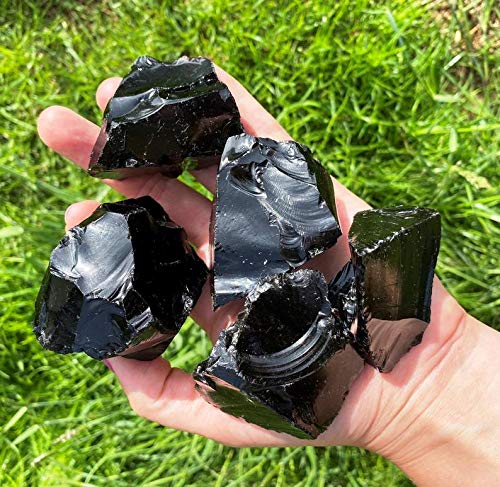
Zenkeeper 1Lb Black Obsidian Raw Stones for Tumbling

Black Obsidian Palm Stone Crystal

AROUROUA Fengshui Natural Green Jade Bracelet

Ebristar Tumbled Stones Bulk 20 PCS Mixed Gemstones

QINJIEJIE 10 PCS Black Obsidian Hexagonal Wands
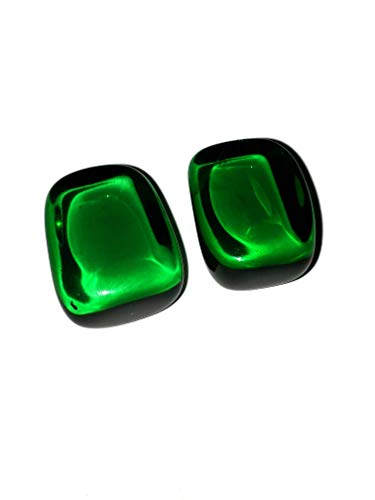
Gaia Stone Medium Green Obsidian Tumbled 2pc

GAF TREASURES Extra Large Black Obsidian Rough Stones
Inside Each Recommended Option
A pound of rough obsidian goes further than most people expect. At the stated 1 to 2.5 inch sizing, you get enough material to fill a rotary tumbler barrel or to keep a steady supply for wire wrapping without rationing pieces. Each stone is sorted by hand before packing, which tends to mean less gravel and filler than bulk lots from less careful sellers.
Obsidian itself is volcanic glass, formed when lava cools too quickly for crystals to grow. That glassy structure takes a mirror polish in a tumbler, though it also chips more readily than quartz, so gentle stages matter.
Real Benefits
- A full pound gives tumblers roughly a dozen-plus workable pieces per batch, enough to justify a full grit cycle.
- The 1 to 2.5 inch range suits wire wrap pendants and small carvings without heavy saw work.
- Hand selection usually means cleaner fracture faces and fewer dud rocks in the box.
- Deep black gloss after polishing reads as far more expensive than the raw material suggests.
Honest Caveats
- Natural growth marks and surface scratches come standard; owners should treat those as character, not defects.
- Obsidian edges can be sharp before tumbling, so handle raw pieces with some care.
Key Specs
Who It Suits Best
Rock-tumbling hobbyists and jewelry makers who want dependable black material in useful mid-size chunks.
Swap It Out When
Shoppers wanting one large statement specimen will get more value from the GAF TREASURES extra-large rough stones later in this list.
Where the Zenkeeper lot serves the workshop, this UFEEL palm stone serves the person. It’s carved and polished into an oval shaped to sit flush in your closed hand, the kind of form factor that disappears into a coat pocket during a commute or rests under your palm during breathing exercises. No sharp edges, no tumbling required.
The polished surface also means zero maintenance beyond an occasional wipe. Compared with raw chunks, there’s nothing to snag fabric or scratch furniture, which makes this the easiest pick here to live with day to day.
The Practical Payoff
- The oval profile matches the natural curve of a closed palm, so long holding sessions stay comfortable.
- Pocketable size makes it practical for desk drawers, travel bags, or bedside tables.
- Polished finish wipes clean and won’t shed grit onto fabric or surfaces.
- Natural stone carving, so no two pieces share the exact same banding or sheen.
Things To Consider
- You receive a single stone rather than a set, so anyone wanting multiples for group settings pays per piece.
- Being glass-based, obsidian can chip if dropped onto hard floors; a padded pouch helps.
At A Glance
Made For
Meditation practitioners and anyone who wants a tactile grounding object they can carry daily.
Another Choice May Suit
Collectors who prefer variety over a single stone should look at the Ebristar mixed tumbled pack instead.
This is the only wearable option in the lineup, and that changes the conversation entirely. Instead of a stone that sits on a shelf, you get green jade beads strung into a unisex bracelet styled around traditional feng shui themes of luck and protection. It works as everyday jewelry first, symbolic piece second.
Jade wears differently from obsidian too. It’s tougher against knocks, so daily wrist wear is less risky than carrying glass. The listing keeps details sparse, so checking current product photos before ordering is worth a minute of your time.
Why It Works Well
- Green jade tones pair with both casual and dressier outfits, unlike raw stones that live at home.
- Unisex styling makes it an easy gift choice when you’re unsure of someone’s taste.
- Jade ranks among the toughest gem materials, holding up well to regular wear.
Potential Drawbacks
- Listed details are thin, so bead size and cord construction aren’t confirmed up front; ask the seller before committing.
- Elastic or strung bracelets generally benefit from rolling on and off rather than stretching wide over the hand.
- Natural color variation between batches means your bracelet may differ slightly from listing images.
Right Fit For
Gift shoppers and everyday wearers who want jade symbolism in a form they can actually put on.
Reach For A Different Pick When
Anyone focused on raw tumbling stock should stick with the Zenkeeper obsidian lot reviewed above.
New collectors rarely know which material they’ll love, and that’s exactly the problem this pack solves. You get twenty tumbled stones drawn from Brazilian stock spanning rose quartz, lapis lazuli, tiger eye, labradorite, black obsidian, yellow jade, and more, each polished smooth at a half-inch to one-inch size. The seller commits to no duplicates within a pack, so twenty stones means up to twenty different varieties.
Opening the box plays out like a grab bag since assortment is random. Some people find that half the fun.
The Case For It
- Twenty distinct varieties let beginners learn to identify minerals by sight and feel in one purchase.
- The no-duplicates promise stretches the educational value of every single stone.
- Half-inch to one-inch sizing suits bowls, grids, terrariums, and small jewelry projects alike.
- Pre-polished surfaces mean no equipment or finishing work on your end.
Small Caveats
- Random assortment means no guarantee your favorite variety appears; obsidian fans may want the dedicated QINJIEJIE set below.
- Small pieces pose a storage challenge around young kids and pets since they’re easy to drop and lose.
Quick Facts
Who Will Love This
First-time crystal enthusiasts and teachers building a hands-on geology collection on a modest budget.
Where A Sibling Pick Shines
Anyone committed specifically to black obsidian gets better depth from the QINJIEJIE ten-piece wand set.
Pointed wands occupy their own niche, and buying them in tens makes sense because they vanish fast. These hexagonal double-pointed obsidian towers measure roughly 33mm tall by 8mm wide, small enough for a shirt pocket yet substantial enough to anchor a crystal grid. Ten matching pieces also solve the symmetry problem, since grids built from mismatched stones tend to look uneven.
Compared with the UFEEL palm stone earlier in this list, these trade comfort for directionality, the shape energy workers associate with focused intent.
Bright Spots
- Ten uniform wands support multi-point grid layouts without hunting for matched singles.
- Pocket-sized dimensions make them easy to carry, stash in a pouch, or gift individually.
- Double-pointed cuts suit both directional placement and handheld meditation work.
- Splitting the set into gifts covers several occasions from one order.
Points To Note
- At roughly 40 grams per set, individual wands are lightweight and can feel delicate in larger hands.
- Sharp points deserve careful storage; a divided case prevents tips from chipping against each other.
Feature Snapshot
Best Suited To
Crystal-grid builders and workshop hosts who need multiple matching pointed stones at once.
Look Elsewhere When
Display collectors wanting heft and visual drama will prefer the GAF TREASURES jumbo rough chunks closing this list.
Most obsidian on the market comes from Mexico, so a two-piece set sourced in Washington State stands out immediately. Gaia Stone is the collector name for this green-tinted obsidian, and its translucent olive glow under light separates it visually from everything else reviewed here. Top-Rock-Shop sells it tumbled and polished, ready for a display tray or wire wrap.
In crystal circles it carries associations with harmony and relationships, though your mileage with symbolism will naturally vary. As a geological curiosity alone, it earns shelf space.
Notable Upsides
- American sourcing gives provenance that mass-imported lots can’t match, which matters to serious collectors.
- The green translucency photographs beautifully and contrasts sharply with black obsidian pieces.
- Tumbled finish arrives display-ready with no finishing work required.
Less Ideal Details
- Two medium pieces offer limited volume compared with the pound-scale lots elsewhere on this list.
- Scarcity means availability fluctuates, and natural variance between pairs is expected.
Whose Shelf It Belongs On
Regional-mineral collectors and anyone building a curated display of American-sourced specimens.
Consider Something Else When
Volume-focused tumblers will find far better yield per dollar with the Zenkeeper one-pound rough lot.
Everything prior to this point has been working stock. This is the statement piece. GAF TREASURES ships a single Mexican obsidian chunk graded A++, running three to ten inches across and two to three pounds in this listing tier, with heavier weight classes available up the range. One rock, glossy black conchoidal fractures, real visual weight on a desk or altar.
For carvers and sculptors, a chunk this size offers genuine material to remove. For everyone else, it’s decor that starts conversations.
Everyday Wins
- Three to ten inches of solid obsidian delivers presence that small tumbled stones simply cannot.
- Grade A++ sorting aims at clean, high-quality specimens rather than fractured castoffs.
- Multiple weight tiers let you scale up once you know how much mass suits your space.
- Raw fracture faces showcase the glassy character that makes obsidian recognizable at a glance.
Trade Offs To Consider
- Shape and weight vary piece to piece, so the exact silhouette you receive won’t match listing photos precisely.
- Two to three pounds demands sturdy shelving, and sharp natural edges warrant mindful placement away from children.
- One chunk only, so buyers wanting multiple display stones should order additional units.
The Numbers That Matter
Who Should Grab It
Lapidary artists, interior decorators, and collectors who want one dramatic natural centerpiece.
Not Your Match When
Tumblers needing many small feed stones are better served by the Zenkeeper pound lot at the top of this list.
What Matters Most Before Choosing Black Jade Roughs
Match the Stone to the Project
Start with the end use, not the photo. Tumbling needs multiple mid-size chunks, ideally a pound or more, while a meditation practice calls for one comfortable palm stone. Carvers and sculptors should prioritize mass and fracture quality over quantity. Ordering backwards from a pretty image is the fastest route to disappointment.
Understand Size and Weight Language
Listings describe stones by diameter ranges and weight tiers, and both matter. A “1 to 2.5 inch” range tells you whether pieces fit a standard tumbler barrel. Weight classes like two to three pounds signal display-scale material. Read those numbers before anything else, because they determine what physically arrives at your door.
Expect Natural Variance
Rough gemstones are cut by volcanoes, not machines. Growth marks, surface scratches, and shape differences come standard, and reputable sellers say so plainly. Treat listings that promise identical stones with suspicion, and budget expectations for character rather than cookie-cutter uniformity.
Factor In Handling and Storage
Obsidian is glass, so raw edges run sharp and polished pieces chip on hard floors. Plan for padded pouches, divided cases for pointed wands, and stable shelving for heavy chunks. A little foresight protects both the stones and your fingers.
Key Considerations Across These Picks
Traps First Timers Fall Into
The classic error is buying quantity when the goal was impact, or vice versa. Another common slip is ignoring the size range until the package arrives. Check dimensions first, then piece count, then price.
What Separates Premium From Basic
Higher-tier lots pay for hand sorting, grading like A++, and rarer sourcing regions such as Washington State. Casual users rarely notice the difference; dedicated collectors and carvers almost always do.
Frequently Asked Questions
Is black obsidian the same as black jade?
No, they’re distinct materials. Obsidian is natural volcanic glass, while true jade is a tougher silicate mineral, and they differ in feel, toughness, and appearance.
Can rough stones go straight into a rock tumbler?
Yes, that’s exactly what tumbling-grade rough is sold for. Expect several weeks across coarse to polish grit stages for a glassy finish.
How do I clean polished palm stones?
A soft cloth dampened with water handles routine dust. Avoid harsh chemicals, which can dull a polished surface over time.
Will my stones look exactly like the listing photos?
Almost certainly not, and honest sellers say so upfront. Natural stones vary in shape, banding, and sheen from piece to piece.
Are pointed wands fragile?
The tips are the vulnerable part since obsidian fractures conchoidally. Store them separated in a padded case to prevent chipping.
Closing Thoughts
Seven picks, seven different jobs. Tumblers have the Zenkeeper pound lot, meditators the UFEEL palm stone, grid builders the QINJIEJIE wand set, and display hunters the GAF TREASURES jumbo chunk. Match the format to your actual routine and any of these will earn its place. Start with the use case, and the rest sorts itself out.
