
Faded black leather has a way of making good gear look finished. A once-crisp pair of sneakers turns gray at the creases, a favorite couch loses its depth along the arms, and most people assume replacement is the only answer. The right black leather paint or recoloring balm fixes that for a fraction of the cost. This roundup covers seven options across three distinct jobs: artistic leather painting, bulk craft work, and furniture restoration, so you can match the product to the project instead of guessing.
A Quick View Of The Lineup

DMSVK Foam Paint Brushes 20 Pcs 1 Inch

Nicpro Black Acrylic Paint 16.9oz

Colorful Leather Paint 2.5oz Black

SHABEIBEI Leather Recoloring Balm Repair Kit
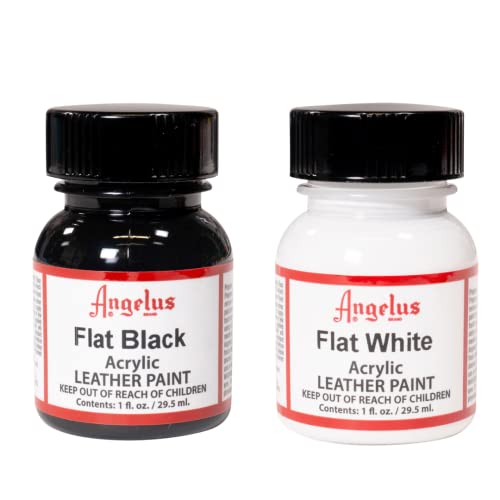
Angelus Acrylic Leather Paint Flat Black & White Duo 1oz

Leather Studio Leather Paint 2-Ounce 71412 Black

UP22YOU Leather Recoloring Dye Balm
What Each Pick Brings To The Table
Paint is only half the equation; application tools decide whether black leather paint lands smooth or streaky. This 20-piece set of one-inch sponge brushes gives you enough disposables to cover a full sneaker project or a round of touch-ups without rinsing between coats.
The soft foam head holds paint evenly and releases it without leaving bristle marks, which matters on flexible surfaces like window frames and door trim where a hog-bristle brush would show every stroke. For most hobbyists, twenty units at this size outlast several projects before you need more.
What Helps Most
- One-inch heads reach tight corners and seams a wide brush can’t
- Soft, elastic foam lays down an even coat with minimal streaking
- Twenty pieces mean a fresh applicator per color or coat session
- Works across wood, canvas, paper, and varnish jobs beyond leather
Small Caveats
- Foam heads are single-use in practice; heavy solvent cleanup degrades them fast, so plan to toss after sticky finishes
Key Specs
Who Should Grab It
Hobbyists running multi-step paint or stain projects who want cheap, consistent applicators on hand.
A Better Fit Elsewhere
Anyone needing actual pigment should jump to the Nicpro Black Acrylic Paint 16.9oz below, since these are tools rather than paint.
Most acrylics come in two-ounce tubes that vanish quickly on big canvases or mural work. Nicpro flips that script with a 500ml flip-cap squeeze bottle, which translates to weeks of studio sessions before a reorder, even with daily use.
The consistency runs thick and creamy, loading a brush fully so blacks stay deep instead of going watery gray over dark underlayers. It dries to a matte surface and blends cleanly with other colors or mediums, which makes it a practical base for mixing custom shades. Beginners and working artists both get mileage here.
What Stands Out
- 500ml volume covers large-scale projects without constant restocking
- Flip-cap bottle dispenses controlled amounts and seals against drying out
- High pigment load produces true, consistent black shades
- Mixes readily with mediums for glazes and tints
Points To Note
- Matte finish won’t suit anyone chasing gloss; a separate topcoat adds shine if that’s the goal
- This is general acrylic, not a leather-specific binder, so adhesion on worn shoes benefits from prep and sealer
At A Glance
The Right Fit
Art students, mural painters, and teachers who burn through standard tubes faster than they’d like.
Where A Sibling Pick Shines
For dedicated leather and shoe work, the Angelus duo later in this list carries a formulation built specifically for flexing leather.
First-time shoe customizers usually worry about two things: fumes and mistakes. Colorful’s 2.5-ounce black removes the first concern entirely, using a solvent-free, odorless formula that’s comfortable to work with indoors and around kids doing school art projects.
Blending performance is the second selling point. The paint mixes smoothly, so you can thin it for base layers or adjust opacity between passes on sneakers and bags. Compared with the Nicpro bottle above, you’re trading raw volume for a purpose-built leather binder, and for footwear that trade usually pays off.
Where It Excels
- Odorless, non-toxic makeup suits indoor tables and family crafting
- Blends easily for custom tones and thinner washes
- Formulated for shoe leather, so flexibility beats generic acrylics
Things To Consider
- A 2.5oz bottle covers a few pairs at most; heavy customizers will want multiples
Who It Suits Best
Newcomers to sneaker painting and parents supervising kids’ leather craft sessions.
Swap It Out When
Professionals charging clients should lean toward the Angelus Brand duo, whose reputation in the custom-shoe scene runs deeper.
A couch doesn’t need repainting; it needs its color back. Recoloring balms like this SHABEIBEI kit sit somewhere between dye and conditioner, rubbing into faded arms, seat edges, and scuffed panels to restore depth rather than build a paint film on top.
That distinction matters on furniture. Painted couch cushions crack at flex points within months, while a balm absorbs into the surface and moves with the leather. Owners commonly report it also handles vinyl car seats and minor scratches, which stretches one tub across the whole household.
Advantages To Know
- Revives faded color on sofas and chairs without cracking at stress points
- Blends to match surrounding leather for a uniform look
- Works on vinyl car interiors and small scratch repair too
- Kit format means you’re not hunting for separate applicators
Less Ideal Details
- Results depend heavily on cleaning and prepping the surface first; skipping degreasing shows through as patchy spots
- Deep structural tears need a filler product first, as a balm alone won’t rebuild material
Feature Snapshot
Made For
Homeowners refreshing a well-used black leather sofa or armchair before considering reupholstery costs.
Another Choice May Suit
Shoppers wanting a conditioning-first approach may prefer the UP22YOU dye balm closing out this list.
Walk into any custom sneaker workshop and you’ll find Angelus bottles on the shelf. This pairing bundles the two shades every artist burns through fastest: flat black for outlines and soles, flat white for mixing highlights and pastels.
The formula is water-based acrylic engineered for leather, meaning it flexes with the material instead of spider-cracking across toe boxes. Each one-ounce bottle suits detailed brushwork, and the flat finish takes clear topcoats evenly. In our view, this duo is the sensible starting point for anyone serious about the craft.
A Strong Showing
- Industry-standard brand among sneaker customizers and leather artists
- Waterproof once cured, standing up to wear and weather on footwear
- Black-plus-white pairing covers outlining, shading, and tint mixing
- Flat finish accepts matte or gloss topcoats without fighting them
Honest Caveats
- One ounce per bottle runs out quickly on full-coverage sole repaints, so frequent users buy larger sizes
Whose Shelf It Belongs On
Serious hobbyists and paid customizers who need reliable adhesion and color consistency on wearable leather.
Skip It When
Casual crafters doing occasional touch-ups will find the cheaper Colorful 2.5oz bottle perfectly adequate.
Thrift-store revivals live or die on whether the paint survives daily bending. Leather Studio’s 2-ounce black is formulated to stay put on flexible goods, resisting the cracking and peeling that plague standard craft paints on belts, straps, and bag corners.
Cleanup adds to the appeal: soap and water handle spills while the paint is still wet, and the satin finish dries quickly enough to stack thin coats in one afternoon. It’s water-based and non-toxic, so a kitchen-table workspace stays reasonable. Against the Angelus duo, this one leans toward accessory upcycling rather than sneaker-grade durability.
What Earns Its Place
- Resists cracking and peeling on bendable leather and vinyl surfaces
- Fast-drying satin finish lets you layer coats the same day
- Wet cleanup with soap and water keeps tools reusable
- Non-toxic water base suits shared home workspaces
Worth Bearing In Mind
- The 2-ounce jar limits coverage; a full jacket or large tote will drain it fast
The Details
Best Suited To
Upcyclers transforming flea-market belts, handbags, and small leather goods into refreshed statement pieces.
Reach For A Different Pick When
Larger furniture surfaces call for the SHABEIBEI recoloring balm earlier in this lineup, which spreads further per dollar.
Where the SHABEIBEI kit focuses on furniture rescue, this UP22YOU balm doubles down on conditioning alongside color. That dual action appeals to car owners, since dashboard vinyl and seat bolsters fade from sun exposure long before the material actually wears out.
Rub it into faded or scratched zones and it restores pigment while feeding the surface, a combination that helps treated areas resist future drying. Depending on your interior’s condition, one pass may be enough for light fading, though sun-baked panels typically want a second application.
Strengths Worth Knowing
- Restores color on both leather and vinyl surfaces
- Conditions as it colors, helping dried-out areas feel suppler
- Targets scratches and sun-faded patches directly
Trade Offs
- Severe fading often needs repeat applications, so budget time for layering
- Balm texture transfers onto clothing until fully absorbed, so keep treated seats unused overnight
Quick Facts
Right Fit For
Drivers maintaining black car interiors and renters freshening worn vinyl accents on a budget.
Consider Something Else When
Sofa-scale projects benefit more from the SHABEIBEI kit’s broader furniture-focused setup.
What Matters Most Before Choosing Black Leather Paints
Match The Product To The Material
Acrylic leather paint sits on top of the surface and builds a new colored layer, which suits creative projects and full color changes. Recoloring balms soak in and renew existing shade, which suits faded but intact furniture and car interiors. Using paint where a balm belongs leads to cracked cushions within months.
Check Flexibility Before You Commit
Anything that bends, think shoe toe boxes, belt loops, couch cushions, needs a formulation rated for flexing. Rigid craft acrylics will split along crease lines as the leather moves. Water-based leather-specific formulas generally handle this best.
Size Your Purchase Honestly
A 2.5oz bottle covers roughly a pair of sneakers with careful layering, while a full sofa needs a balm kit plus spare applicators. Estimating your true coverage area first prevents mid-project shortages, which show up as visible tone shifts between coats.
Prep Determines The Outcome
Every option in this roundup performs dramatically better on cleaned, degreased leather. Wipe down surfaces, let them dry fully, and test in a hidden spot before committing to visible panels.
Key Considerations Across These Picks
Traps First Timers Fall Into
The classic mistake is buying generic craft acrylic for wearable leather and wondering why it cracks by week two. Another common slip is skipping the hidden-spot test; some finishes darken differently than expected on treated or dyed leather. Read the surface list before checkout, not after.
What Separates Premium From Basic
Higher-tier options like Angelus earn their price through binder chemistry that flexes with leather and resists wear. Budget balms trade some longevity and consistency for affordability, which is fine for low-contact items. High-touch surfaces justify spending up.
Frequently Asked Questions
Can regular acrylic paint be used on leather?
It will adhere initially but tends to crack and peel wherever the leather flexes. Leather-specific formulas contain binders designed for that movement.
How long does black leather paint take to cure?
Surface dryness usually arrives within hours, but full cure commonly takes 24 hours or more depending on thickness and humidity. Handle treated items gently during that window.
Do I need a finisher over leather paint?
A topcoat protects high-wear areas like soles and bag corners from scuffs and moisture. Low-contact decorative pieces can go without one.
Will recoloring balm rub off on clothes?
Slight transfer can occur until the balm fully absorbs and sets. Letting treated furniture rest overnight minimizes this.
Can these products fix cracks and holes?
Paint and balm address color loss and light surface scratches only. Structural damage needs a leather filler applied before any coloring product.
Closing Thoughts
Black leather doesn’t have to look tired. Match the format to your job, paint for creativity, balm for restoration, and prep the surface properly before opening anything. Start with the smallest size that covers your project, then scale up once you know how the formula behaves on your particular piece. Done right, a thirty-minute afternoon refresh buys years of extra life from things you already own.
