
Hand-printing fabric comes down to one decision more than any other: which ink sits on your brayer. The wrong formula cracks in the wash or gums up a linoleum block; the right one pulls crisp edges on cotton and cleans off your tools without a fight. Whether you’re stamping tea towels at the kitchen table or pulling editions in a studio, this shortlist covers oil-based permanence, water-soluble convenience, screen-printing paste, and even metallic finishes. Each entry below breaks down where it shines, where it doesn’t, and who should reach for it first.
A Fast Comparison Of The Options

Speedball 3450 Oil-Based Block Printing Ink, Black

Speedball 3470 Water-Soluble Starter Set, 6 Colors
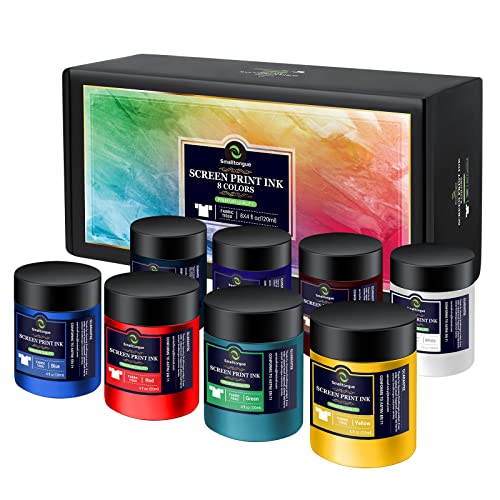
Smalltongue Chalk Paste Screen Printing Ink, 8 Colors

Speedball Water-Soluble Block Ink Set, 4 Colors

Speedball Water Soluble Block Ink

Speedball Premium Block Printing Ink Set, 6 Colors

Speedball Metallic Block Ink Set, 4 Iridescent Colors
Why These Options Stand Out
Oil-based ink is the traditional route for prints that survive real laundering, and this single black tube is built around that promise. The pigment is ground dense enough to hold fine linocut detail, and the AP certification matters for anyone working alongside kids or students.
In practice, you’ll brayer it onto linoleum, wood, or soft-cut blocks and pull it onto cotton, polyester blends, linen, or rayon. Nylon is the one fiber it skips, so check your blanks first.
Everyday Perks
- Dries to a permanent bond that holds up to repeated machine washing once fully cured
- Rich black pigment keeps fine carved lines from filling in or going muddy
- AP-certified formula suits shared studios and family craft sessions
- Works across paper and most natural or synthetic textiles except nylon
Things To Consider
- Cleanup calls for solvents rather than plain water, so keep ventilation and rags handy
- A 37cc tube runs out quickly on large repeat patterns
Key Specs
Who It Suits Best
Printmakers selling or gifting wearable pieces need exactly this kind of wash-fast permanence.
Where A Sibling Pick Shines
For casual weekend projects where easy cleanup beats maximum durability, the Speedball Water-Soluble Block Ink Set is the friendlier option.
Where the 3450 trades convenience for permanence, this six-tube set flips the priority: everything rinses off with soap and water. Red, blue, yellow, black, white, and gold give you a full mixing wheel, so a first-time printer can blend custom shades instead of buying tubes one by one.
The consistency is milled smooth enough to roll evenly with a brayer, and finished prints dry to a satiny surface rather than a flat matte. Classrooms, after-school clubs, and curious adults starting their first carving kit are the obvious audience here.
Notable Gains
- Six colors including primaries plus black and white make on-the-spot color mixing simple
- Water cleanup means no solvents near your kitchen table or classroom sink
- Smooth, even tack lays down bold coverage without patchy spots
- Satiny dried finish looks more polished than typical student-grade ink
- Works for both paper prints and fabric stamping projects
Worth Noting
- Tubes hold 1.25 fl oz each, so heavy production printing will drain them fast
- Water-soluble formulas generally demand gentler garment care than cured oil-based inks
Product Snapshot
Made For
First-time carvers, teachers stocking a supply shelf, and parents setting up rainy-day projects.
Swap It Out When
Shoppers chasing true wash-permanence on clothing should step up to the Speedball 3450 Oil-Based ink instead.
This set breaks from the Speedball mold entirely. Instead of brayer-and-block ink, you get eight 4-ounce jars of chalk-style paste made for silk-screen stencils, which means squeegee application over mesh rather than hand-carved blocks.
The generous jar size changes how you work: covering a throw pillow front or a batch of tote bags stops feeling like rationing. White, black, yellow, purple, blue, green, red, and brown cover the basics, and since they’re mixable, custom shades stay within reach. Once printed, pieces need a full 24 hours to cure before the color sets properly, so plan projects a day ahead of gift deadlines.
Real-World Strengths
- Eight colors in bulk 4-oz jars handle large surfaces and repeated sessions without running dry
- Intermixable shades let you build a custom palette from one box
- Cured prints resist water and sun exposure for everyday-use decor
Potential Sticking Points
- The mandatory 24-hour dry window tests patience before washing or wearing
- Paste consistency suits stencils and screens better than fine linoleum carving
- Jars take up more shelf space than slim tubes
Right Fit For
Home decorators stenciling pillows, signs, and tote bags in bigger volumes than tube ink allows.
Another Choice May Suit
Carvers working linoleum blocks will get sharper results from the Speedball Water Soluble Block Ink designed for relief printing.
Think of this as the starter set’s leaner sibling. You lose two tubes compared to the 3470 set above, but the four remaining colors cover the essential mixing primaries, and the smaller footprint keeps cost down for anyone still deciding whether printmaking will stick.
The ink itself shares the same water-soluble DNA: bold laydown, satiny dry finish, and sink-friendly cleanup. In a home studio where the dining table doubles as the press bed, being able to rinse a brayer under the tap between colors is worth more than an expanded palette.
Real Benefits
- Four-color primary base mixes into nearly any shade you need
- Soap-and-water cleanup protects brushes, brayers, and your workspace
- Satiny finish elevates results beyond basic craft-store ink
Honest Caveats
- No black or white included, which limits contrast work until you add tubes separately
- Smaller set means more frequent repurchasing for prolific printers
At A Glance
Whose Shelf It Belongs On
Casual hobbyists testing the waters, plus teachers building a low-cost class supply list.
Reach For A Different Pick When
Anyone wanting a ready-made black tube out of the box should grab the Speedball 3470 six-color set instead.
This listing covers the same well-regarded water-soluble formula sold as single tubes, which makes it the refill strategy in this lineup. Sets like the four- and six-color options reviewed earlier get you started; individual tubes keep a favorite shade topped up without rebuying colors you barely touch.
The formula carries the traits Speedball is known for in relief work: pigments milled to a consistent grind, good tack for even brayer coverage, and that signature satiny dried surface. Linoleum, woodblocks, and soft-kut surfaces all take it cleanly, and the water cleanup stays gentle on tools between sessions.
The Helpful Details
- Buy-one-shade-at-a-time flexibility avoids paying for colors you won’t use
- Even tack produces consistent solid coverage across long print runs
- Suits linoleum, wood, and synthetic soft-cut carving surfaces alike
Points To Note
- Buying singles adds up faster per color than a bundled set
- Tube caps can dry out if not sealed tightly between sessions, so store them upright and closed
Core Details
Who Will Love This
Intermediate hobbyists who’ve identified their go-to colors and want steady refills on hand.
Not Your Match When
Total beginners building a first palette will save money with the Speedball Water-Soluble Block Ink Set of four colors.
This set threads a needle the others don’t: an oil-based body that still cleans up with soap and water while wet. That combination targets fabric printers directly, since the dried result cures into something durable enough for machine laundering on cotton and poly-blend garments.
You get six 1.25-oz tubes spanning red, blue, yellow, green, black, and white, which is a wider spread than the four-color set and adds green for botanical designs. The ASTM D4236 conformance signals a formulation evaluated for art-material safety labeling. The trade-off shows up in workflow: once these dry, they’re committed, so clean tools promptly.
Key Advantages
- Cured prints tolerate machine washing on cotton and polyester-blend fabrics
- Wet-ink cleanup needs nothing stronger than soap and water
- Six-color range includes green, handy for leaves, florals, and landscape motifs
- Dual paper-and-fabric performance covers mixed-media sketchbooks too
Details To Watch
- Once dried, the oil-based film becomes permanent, so mistakes and messy palettes are hard to rescue
- Allow proper curing time before the first launder to protect the print
The Numbers That Matter
Best Suited To
Makers printing wearable art and household textiles who want durability without solvent cleanup.
Consider Something Else When
Pure beginners practicing on paper should start cheaper with the Speedball Water-Soluble Block Ink Set before committing to cured-fabric chemistry.
Every lineup needs a wildcard, and this is it. Four iridescent tubes in silver, gold, pewter, and copper turn ordinary relief prints into cards and gift wrap that catch light from across the room. The formula keeps the familiar water-soluble handling, so cleanup stays as painless as the standard sets.
Metallic pigments behave a little differently under a brayer than matte colors; expect slightly more attention to even rolling for uniform shimmer. Lightfastness is part of the spec sheet, which matters for framed prints hung near windows. As a fabric choice, treat these as accent inks for decorative pieces rather than everyday-wear garments.
Where It Excels
- Four metallic shades cover holiday cards, wedding stationery, and festive wrapping paper
- Lightfast pigments help displayed prints resist fading over time
- Same water cleanup as the standard line, so no new habits required
Small Caveats
- Metallic flakes can show streaking unless the brayer coat goes on evenly
- Niche palette means these supplement, rather than replace, a core color set
Who Should Grab It
Card makers and gift-crafters already own a base set and want seasonal shine on top.
Look Elsewhere When
Everyday wardrobe printing calls for the wash-durable Speedball Premium Block Printing Ink Set instead.
Choosing Between Fabric Inks Without Guesswork
Base Chemistry First
The biggest fork in the road is oil-based versus water-soluble. Oil-based formulas cure into a permanent film that survives laundering, which matters for anything worn or washed regularly. Water-soluble versions rinse off tools with tap water and suit casual projects, though finished pieces generally call for gentler care. Hybrid options split the difference with wet-soap cleanup and cured durability.
Match The Ink To Your Surface
Relief carving on linoleum or wood wants a stiff, tacky ink that sits on the block without bleeding into carved grooves. Silk-screen and stencil work prefers a looser paste pushed through mesh. Buying a screen-print paste for lino cutting, or vice versa, is the fastest route to frustration.
Think About Volume
Tube sizes around 1.25 fluid ounces suit detail work and small editions. Bulk jars in the 4-ounce range pay off once you’re covering pillow fronts or producing batches of bags. Running dry mid-edition forces a color match problem nobody enjoys solving.
Check Fiber Compatibility
Most quality block inks bond well with cotton, linen, rayon, and polyester blends, but nylon often resists adhesion. Confirm the fabric content of your blanks before committing a design, especially for apparel intended for regular wear.
Key Considerations Across These Picks
Traps First Timers Fall Into
Grabbing a cheap multi-surface paint and calling it block ink is the classic error; consistency that works on canvas floods a carved block. Skipping the cure window before washing ruins otherwise good prints. And buying a huge palette before finishing a single edition usually wastes money on unused colors.
What Separates Premium From Basic
Higher-tier inks spend more on pigment grinding and binder quality, which shows up as finer detail retention and better lightfastness. Paying up makes sense once prints leave your hands as gifts or products. For practice sheets and experiments, entry-level sets do the job fine.
Frequently Asked Questions
Can block printing ink be used on any fabric?
Most formulations bond well with cotton, linen, rayon, and polyester blends, but nylon typically rejects adhesion. Always confirm your fabric content before committing to a design.
How long does block printing ink take to cure?
Water-soluble inks dry to the touch fairly quickly, while oil-based formulas need extended curing before laundering. Follow the manufacturer’s stated drying window, commonly 24 hours or more for full permanence.
Is water-soluble ink permanent on clothing?
It adheres nicely but generally demands gentler care than cured oil-based ink. Hand washing or delicate cycles help printed designs last longer.
Do I need special tools to use these inks?
A brayer and a carved block cover standard relief printing, while screen-print pastes call for a squeegee and mesh stencil. Most beginner kits include the essentials.
Can different ink colors be mixed together?
Yes, most block printing inks intermix freely, and primary-based sets exist specifically for blending custom shades. Mix small batches to avoid wasting pigment.
Closing Remarks
Your best match depends on what happens after the print dries. Garments headed for the laundry earn their keep with the Speedball 3450 or the Premium hybrid set, while paper crafts and learning sessions run happily on the water-soluble options. Start narrow, learn your surfaces, and expand the palette once the habit sticks.
