
Pulling a clean print off a carved block should feel satisfying, not frustrating. The right ink makes the difference between crisp lines that transfer on the first pass and a muddy mess you have to wipe away. Whether you’re teaching a classroom of beginners, running an Etsy shop from your kitchen table, or pulling edition prints in a dedicated studio, this list covers oil-based, water-soluble, and fabric-friendly options for every setup.
A Closer Look At The Lineup

Speedball 3450 Oil-Based Block Printing Ink Black 37cc Tube

Speedball 3470 Water-Soluble Block Printing Ink Starter Set
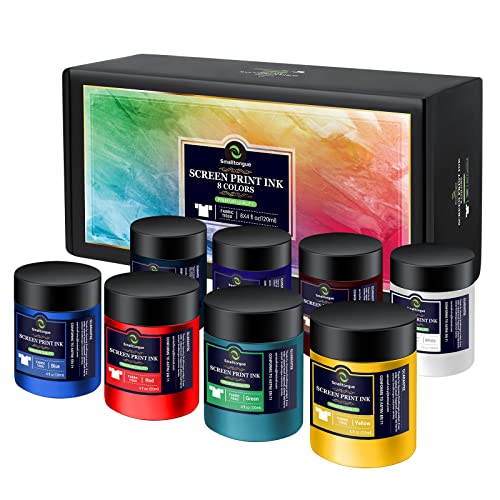
Smalltongue Screen Printing Ink Chalk Paste 8 Colors

Essdee Premium Block Printing Ink Black 100 ml

Speedball Professional Relief Ink Supergraphic Black 8OZ

Speedball Water-Soluble Block Printing Ink Set 4 Colors

Schmincke Aqua lindoprint Linoleum Printing Set 5 x 20 ml
More Details On Our Top Picks
This small black tube carries real weight in the printmaking world. Speedball’s oil-based formula is built for permanence, which matters the moment you start numbering editions or selling finished work. The AP certification signals a safer formulation than many solvent-heavy alternatives.
The trade-off shows up at cleanup time. Oil-based ink needs mineral spirits rather than soap and water, so budget extra bench time after a long printing session. For anyone producing work meant to last, though, that’s a fair exchange.
The Good Stuff
- Oil-based pigment dries to a permanent bond, so finished prints resist smudging once cured.
- AP certification gives peace of mind in shared studios and home workspaces alike.
- The 37cc tube suits occasional edition runs without leaving half-used ink drying out.
Things To Consider
- Cleanup requires solvents, which adds time and means proper ventilation in smaller rooms.
- Drying takes longer than water-based options, so stack prints with care overnight.
Key Specs
Who It Suits Best
Printmakers selling or archiving their work who want a trusted black that holds up over years.
Where A Sibling Pick Shines
Hobbyists wanting faster cleanup will get more mileage from the Speedball 3470 Water-Soluble Starter Set.
Most people’s first linocut happens at a kitchen table, and this set respects that reality. Six tubes covering red, blue, yellow, black, white, and gold give you a working palette plus mixing options, all cleaning up with plain soap and water. No solvents, no ventilation worries.
The satiny dried finish reads well on paper and fabric, and the milled consistency brayers evenly without much practice. Compared to the single-color Speedball 3450 above, you’re trading permanence for convenience and range, which is exactly the right call early on.
What It Does Well
- Six coordinated colors let you mix custom shades instead of buying tubes piecemeal.
- Water-soluble cleanup means brushes, brayers, and hands rinse clean at the sink.
- Bold saturation holds detail through repeated pulls on soft-cut blocks.
Trade Offs
- Water-soluble formulas generally offer less wash permanence on textiles than oil-based inks.
- Small 1.25 oz tubes go quickly during classroom-sized sessions.
At A Glance
Made For
Students, teachers, and weekend carvers setting up their first relief-printing station.
Consider Something Else When
Printmakers needing archival permanence should step up to the Speedball Supergraphic Black reviewed below.
Fabric projects change the rules entirely, and this chalk paste set is aimed squarely at them. Eight four-ounce jars span white, black, yellow, purple, blue, green, red, and brown, giving you enough body to mix nearly any shade you need. The thicker paste texture suits stencils and silk screens more than fine lino carving.
Where the Speedball sets focus on paper prints, this one leans toward tote bags, tees, and home textiles. Owners commonly report the cured color holding up well through regular washing, provided you let prints rest a full day before handling them.
Where It Delivers
- Eight generous 4 oz jars cover large fabric runs without constant restocking.
- The mixable primary palette lets you dial in custom hues for matching existing decor.
- Once fully cured, prints stand up to washing and everyday sunlight exposure.
Minor Gripes
- The paste consistency demands a full 24-hour cure before washing, which tests patience.
- Thicker body makes it less suited to detailed block carving than traditional inks.
Quick Facts
Right Fit For
Crafters decorating clothing, cushions, and canvas bags with stencils or screens.
Look Elsewhere When
Fine-line lino work calls for the smoother-tacking Essdee Premium Ink coming up next.
One hundred milliliters of solid black changes how freely you print. While the Speedball tubes hover around 37cc, this UK-made tub invites experimentation: proofing a carving ten times costs nothing psychologically. Essdee engineered it specifically for its own Linoleum, SoftCut, MasterCut, and Printfoam surfaces, though it behaves well on most standard blocks.
The water-based formula cleans up fast, and the enhanced tack transfers cleanly even on less-than-perfect pressure. Being non-permanent, it’s a working ink rather than an archival one, which is precisely what classroom and sketchbook use demands.
Noteworthy Benefits
- The larger 100 ml volume supports high-volume proofing and group workshops.
- Enhanced tack pulls crisp detail even with lighter hand pressure.
- Water-based cleanup keeps turnaround quick between classes or sessions.
- Tuned for SoftCut and MasterCut surfaces, where softer blocks often grab cheaper inks unevenly.
Points To Note
- Non-permanent formulation isn’t intended for archival or sellable editions.
- Black-only supply means buying separate colors as your palette grows.
Who Will Love This
Teachers and prolific hobbyists who burn through black ink faster than any other color.
Reach For A Different Pick When
Archival permanence for numbered editions points you back to the Speedball 3450 Oil-Based tube.
Relief artist Bill Fick helped develop this one, and the collaboration shows in the priorities: dense blacks, lightfast pigments, zero fillers. At eight ounces, it’s also the largest container here, sized for artists pulling serious editions rather than single experiments.
The clever part is the hybrid chemistry. It behaves like an oil-based ink on the press yet rinses away with soap and water, sidestepping the solvent cleanup that makes the Speedball 3450 slower to wrap up. In our view, that combination is worth the premium for anyone printing weekly or selling work.
Real-World Strengths
- Lightfast, filler-free pigments keep deep blacks from fading or graying over time.
- Water-miscible oil base combines oil-ink richness with sink-level cleanup.
- The 8 oz tub supports long edition runs without frequent reordering.
- Artist-driven development targets exactly what relief printers ask for: opacity and transfer.
Room For Improvement
- Single-color supply, so building a full palette means additional purchases.
- Larger upfront commitment than the smaller starter tubes elsewhere on this list.
Core Details
Whose Shelf It Belongs On
Working relief artists producing saleable or exhibited black-and-white editions regularly.
Skip It When
Newcomers testing the craft will find the Speedball 3470 Starter Set a gentler entry point.
This set trims the six-tube Speedball 3470 down to four essentials while keeping the same satiny, water-cleanable formula. You lose gold and one supporting color, but for greeting cards, gift tags, and casual card prints, the core quartet covers most requests. Safe handling and simple cleanup make it an easy recommendation for family crafting afternoons.
The honest read is that it’s a stepping stone. Anyone who catches the printmaking bug usually upgrades within a few months, but as a low-commitment way to find out whether relief printing sticks, it does its job well.
Well-Handled Touches
- Four bold colors handle the majority of casual card and paper projects.
- Soap-and-water cleanup keeps shared family spaces mess-free.
- Satiny dried finish gives homemade prints a tidy, deliberate look.
Small Caveats
- Narrower palette limits color mixing compared to the six-tube sibling set.
- Small tubes deplete quickly once enthusiasm kicks in, a commonly reported pattern.
The Right Fit
Casual hobbyists and families wanting a low-stakes introduction to block printing at home.
Another Choice May Suit
Anyone planning mixed-fabric projects gets better value from the Schmincke Aqua lindoprint set closing this list.
Schmincke has ground pigments in Germany for generations, and this pocket-size cardboard set brings that pedigree to lino printing. Five 20 ml tubes pair the basic primaries with black and white, so you can mix a genuinely wide range of brilliant shades despite the modest footprint. The whole kit measures roughly 11 by 10 centimeters.
Compared to Speedball’s plastic-tube sets, the presentation feels more gallery than classroom, which suits artists who travel to workshops or print in tight apartment corners. The trade-off is volume: heavy users will empty these tubes far sooner than the Essdee tub.
A Few Highlights
- Primaries plus black and white unlock extensive custom color mixing.
- Slipcase design fits into a satchel for workshop and plein-air sessions.
- German-milled pigment quality delivers vivid, consistent color pull after pull.
Honest Caveats
- 20 ml tubes run dry quickly under daily studio use, owners commonly note.
- Cardboard case offers limited protection against crushing in crowded bags.
Feature Snapshot
Built With In Mind
Mobile artists and workshop attendees who value pigment quality over bulk quantity.
A Better Fit Elsewhere
High-volume classroom settings should lean on the Essdee Premium Ink’s larger 100 ml format instead.
What Matters Most Before Choosing Block Printing Inks
Base Type Shapes Everything
Oil-based inks deliver permanence and rich density but demand solvent cleanup and longer drying windows. Water-soluble formulas rinse clean at the sink, making them the practical choice for homes, classrooms, and anyone printing in short bursts. Hybrid options like water-miscible oils split the difference nicely.
Match The Surface To The Project
Paper prints forgive almost any ink, while fabric work needs formulations designed to survive washing. Chalk pastes and fabric-specific inks cure differently from standard relief inks, so confirm textile compatibility before committing to a large run of shirts or bags.
Volume Versus Freshness
Large tubs lower the cost per print but risk skinning over between sessions. Small tubes stay fresher yet run out mid-project. Frequent printers benefit from big containers; occasional crafters are better served by compact sets.
Palette Planning
Black alone covers monochrome work, but mixing your own colors requires primaries plus white. Sets bundling those five basics save money and shelf space compared with buying individual tubes.
Key Considerations Across These Picks
Wrong Turns To Avoid
The most common slip is buying an archival-grade oil ink for kids’ crafts, then battling solvent cleanup nobody enjoys. The reverse mistake hurts too: using non-permanent student ink on pieces meant for sale. Check drying and curing requirements before starting a timed project.
Where The Extra Money Goes
Premium inks fund finer pigment milling, lightfast ratings, and artist-informed formulations. Those qualities show up as denser blacks, cleaner transfer, and colors that survive decades on a wall. Casual users won’t notice; exhibiting artists will.
Frequently Asked Questions
Can block printing ink be used on fabric?
Only inks labeled for textiles hold up to washing reliably. Standard paper-focused relief inks tend to fade or crack on wearable fabric.
How long does block printing ink take to dry?
Water-based inks typically dry within hours, while oil-based formulas can need overnight or longer. Fabric pastes often require a full day before washing.
What’s the difference between oil-based and water-soluble ink?
Oil-based inks offer stronger permanence but need solvents for cleanup. Water-soluble inks clean up with soap and water at the cost of some durability.
Do I need a special brayer for these inks?
A standard soft rubber brayer works across every product listed here. Softer durometer rollers help spread thicker pastes evenly.
How should leftover ink be stored?
Seal tubes tightly, wipe the threads clean, and store upright away from heat. Tubs benefit from a sheet of parchment pressed onto the surface before closing.
Closing Thoughts
Every option here earns its place for a different kind of printer. Students get the friendliest start with Speedball’s water-soluble sets, working artists gain from Supergraphic Black’s hybrid chemistry, and travelers will appreciate Schmincke’s portable quality. Match the ink to how often you print and where the finished pieces will live. Start with the profile closest to yours and adjust as your technique grows.
