
Blue is the workhorse color of the sewing room, and the fabric you choose decides whether a project lasts one season or ten. This roundup covers seven blue material fabrics spanning waterproof outdoor canvas, glossy satin, printed cotton, stretch jersey knit, and plain poplin. Home sewists, quilters, costume makers, and event decorators will all find a fit here. Each entry breaks down what the material actually does in real hands-on use, plus the trade-offs nobody mentions until the first wash.
A Snapshot Of The Selections

GeeComfy Outdoor Waterproof Upholstery Fabric Royal Blue
Horbaunal Royal Blue Satin Fabric 55 Inch Wide

Master FAB Cotton Floral Print Fabric Spring Flowers Blue

Barcelonetta ITY Jersey Spandex Knit Navy 60 Inch

FFPDYBEST Royal Blue Cotton Poplin Fabric 59 Inches
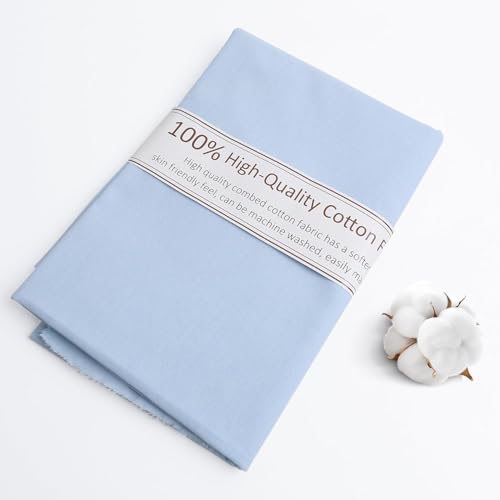
FFPDYBEST Lake Blue Cotton Poplin Fabric 59 Inches

FFPDYBEST Blue Cotton Poplin Fabric 59 Inches
Meet The Standout Selections
This is the tough one of the group, built for weather rather than draping. It’s a non-stretch 600 denier Oxford polyester canvas with a coating that makes water bead off like it does on a lotus leaf, so rain rolls away instead of soaking through.
One yard gives you a 58 by 36 inch panel at around 220 gsm, which suits cushion tops, bench seats, or a small grill cover. Denier refers to yarn thickness, and 600D sits firmly in rugged territory, so seams hold up under tension better than lightweight cottons ever will.
Where It Excels
- The water-repellent finish keeps patio cushions usable after an overnight downpour instead of soggy for days.
- Scratch resistance matters when pets climb on outdoor furniture, and this weave tolerates claws far better than satin or poplin.
- Reactive printing locks the royal blue shade in, so sun-exposed projects fade less over a season.
- Zero stretch means pattern pieces stay true while you cut and sew.
Things To Consider
- Heavy coated canvas can fight a home sewing machine; owners commonly report needing a denim or size 18 needle.
- It’s stiff by design, so skip it for anything worn against skin.
Key Specs
Who It Suits Best
Anyone reupholstering patio furniture, making boat or grill covers, or tackling outdoor cushions in a rainy climate.
Where Another Pick Suits Better
Indoor decor projects call for something softer, and the Horbaunal satin below handles table runners and event draping with far more elegance.
Where the GeeComfy canvas shrugs off rain, this Horbaunal satin exists to catch light. The deep royal blue sheen reads beautifully under event lighting, which explains why it shows up constantly in wedding backdrops, chair sashes, and aisle runners.
You get a single continuous piece rather than joined strips, sold by the yard at roughly 36 inches long per yard ordered. That continuity matters more than people expect, since seamed panels ruin the clean fall of a backdrop curtain.
The Practical Payoff
- The glossy face photographs well, so table linens and photo backdrops look polished in event pictures without extra styling.
- Continuous-yard cutting means no mid-curtain seam lines breaking up the drape.
- At 55 inches wide, one yard covers a generous runner or several sashes.
Worth Noting
- Satin frays aggressively at cut edges; plan to hem or seal every raw edge promptly.
- The slippery hand makes it a frustrating first project fabric for anyone new to garment sewing.
- Snags from jewelry or velcro are commonly reported, so storage away from rough surfaces helps.
Made For
Event decorators, wedding DIYers, and crafters who need dramatic blue sheen for one-day celebrations.
Consider Something Else When
For washable everyday linens, the FFPDYBEST royal blue cotton poplin later in this list survives repeated laundering far better than satin ever will.
Not every blue needs to be solid. This Master FAB print layers spring flowers over a blue ground, woven from combed cotton, meaning shorter fibers have been removed for a smoother, stronger yarn than basic carded cotton.
In practice that translates to a light, breathable cloth that presses flat with a warm iron and behaves predictably under scissors. Parents cutting felt-board shapes, appliqué pieces, or simple costumes will appreciate how cleanly it takes detailed cuts compared to looser weaves.
Advantages To Know
- Eco-style dye processing holds color through repeated washing, so kids’ projects survive the laundry cycle.
- The smooth combed surface feels pleasant against skin, a real advantage for children’s clothing.
- Printed patterns hide minor stitching imperfections, which beginners quietly benefit from.
- Irons glide over it without scorching concerns at normal cotton settings.
Trade Offs
- A floral print limits you to casual projects; formal or minimalist designs need a solid like the FFPDYBEST poplins.
- Lightweight cotton offers little structure, so bags or upholstery need interfacing.
Right Fit For
Hobby crafters, parents sewing for kids, and quilters who want a cheerful accent print rather than a plain solid.
Look Elsewhere When
Costumes requiring stretch belong with the Barcelonetta ITY jersey knit reviewed next, since woven cotton simply cannot flex the way spandex blends do.
ITY stands for Interlock Twist Yarn, a knitting method that produces a jersey with excellent recovery, meaning it springs back after stretching instead of bagging out. This navy version pairs 95% polyester with 5% spandex across a wide 60 inch cut, sold two yards at a time here.
Compared to every woven option earlier in this list, it moves with the body. Fitted dresses, dancewear, and draped event columns all benefit, and the wrinkle-resistant finish means garments pulled from a suitcase look presentable almost immediately.
The Case For It
- Two-way stretch with strong recovery keeps fitted bodices and skirts shaped wear after wear.
- Breathability makes it comfortable for long events where rigid fabrics would feel stifling.
- The elegant flow suits column drapes and table overlays that need soft movement.
- Wrinkle resistance removes ironing from the prep checklist entirely.
Points To Note
- Knits demand a ballpoint needle and stretch stitch; a standard straight stitch will pop seams during wear.
- Spandex blends degrade with high heat, so tumble drying on low or air drying preserves elasticity longer.
Quick Facts
Who Will Love This
Sewists comfortable with knits who want travel-friendly event wear or body-conscious garments that keep their shape.
Not Your Match When
Quilters and structured-project makers should stay with wovens; the Master FAB floral cotton above holds pieced seams far more predictably.
This is the quiet all-purpose pick of the list. Poplin is a tightly woven, plain-weave cotton that feels smooth yet stays crisp, and this version uses combed yarn finished softer than standard muslin, the loose inexpensive cotton often used for test garments.
The 59 inch width gives linings, shirt bodies, and quilt backs real coverage per yard. Deep royal blue also earns its keep in school uniforms, stage costumes, and patriotic holiday decor, so keeping a spare yard on the shelf rarely goes to waste.
The Good Stuff
- The silky combed hand feels noticeably finer than muslin against skin, ideal for shirt linings.
- Tight poplin weave takes crisp pressed hems and sharp collar points.
- Natural cotton breathes, making it comfortable for summer clothing projects.
- Embroidery hoops grip it securely without puckering badly.
Minor Gripes
- Like most cotton poplins, expect some shrinkage; pre-washing before cutting is widely recommended.
- Wrinkles set readily, so finished garments need regular pressing.
Core Details
Best Suited To
Garment sewists, quilters, and embroiderers who want a dependable solid blue that launders and presses like classic cotton should.
A Better Fit Elsewhere
Outdoor exposure calls for the GeeComfy waterproof canvas at the top of this list, since untreated poplin has no defense against rain.
Same construction as the royal blue version above, different mood entirely. This lake blue shade runs lighter and cooler, closer to a sky-washed pastel than a saturated primary, and that changes what it’s good for.
Spring dresses, nursery accents, baby quilts, and coastal-themed table settings all suit this tone better than deep navy or royal. The combed cotton poplin base delivers the same soft hand and 59 inch working width, so your cutting math stays identical between the two colors.
What Stands Out
- The pale tone brightens small rooms and baby spaces where darker blues feel heavy.
- Identical poplin performance means you can mix it with the royal blue sibling in one project confidently.
- Soft combed finish works well for items worn close to skin, like summer blouses.
Softer Spots
- Light shades show stains and soil faster, which matters for kids’ clothing and table linens.
- As with any cotton, pre-wash to account for shrinkage before cutting pattern pieces.
Whose Shelf It Belongs On
Quilters assembling pastel palettes, nursery decorators, and anyone sewing warm-weather garments in a lighter palette.
Skip It When
Projects needing visual weight or stain resistance belong with the royal blue FFPDYBEST poplin, whose deeper dye hides everyday wear much better.
Rounding out the trio, this middle-blue option splits the difference between lake and royal. It carries the same 100% combed cotton poplin build, the same 59 inch width, and the same one-yard cut format as its siblings.
For a first sewing machine project, stable wovens like this are genuinely easier than knits or slippery satins. Straight seams press flat, edges behave under pins, and mistakes show up clearly enough to fix before they become habits.
The Upside
- A stable plain weave forgives beginner technique better than satin or stretch jersey ever will.
- Combed cotton yields a smoother finish than budget muslin, so early projects still look considered.
- Versatile mid-tone blue coordinates with both the lighter and deeper siblings for tonal quilts.
- Presses crisply, teaching good pressing discipline from day one.
Small Caveats
- Cotton wrinkles by nature, so finished items need ironing to look their sharpest.
- No stretch or water resistance, which rules out athletic wear and outdoor use entirely.
Product Snapshot
The Right Fit
First-time sewists, students practicing straight seams, and teachers stocking classroom craft supplies.
Another Choice May Suit
Anyone sewing fitted clothing will get more satisfaction from the Barcelonetta ITY jersey, once basic skills are in place.
Choosing Between These Blues Without Guesswork
Match The Fiber To The Job
Start with environment, not color. Polyester canvas with a waterproof coating owns anything exposed to rain, while natural cotton poplin wins indoors where breathability and pressing matter. Satin lives in the one-event zone, and spandex knits exist solely for things that must move with a body.
Weight And Width Do Real Work
A 220 gsm coated canvas behaves nothing like a lightweight printed cotton, even at the same yardage. Wider cuts, like the 59 to 60 inch options here, reduce seams on backs, curtains, and tablecloths. Fewer seams mean less measuring, less matching, and a cleaner final result.
Plan For Care Before You Cut
Cottons shrink, so pre-wash and press before cutting. Satins fray and snag, demanding prompt edge finishing. Coated canvas needs heavy needles but shrugs off weather. Knowing the maintenance routine upfront prevents a finished project from disappointing after its first wash.
Key Considerations Across These Picks
Traps First Timers Fall Into
The most common mistake is buying on color alone and ignoring fiber behavior. A gorgeous satin becomes a headache in a beginner’s machine, and untreated poplin fails fast outdoors. Skipping the pre-wash on cotton ranks second, since shrinkage distorts finished garments.
What The Higher Tier Buys
Pricier fabrics generally buy better yarn preparation, like combing, plus denser weaves and more durable finishes. In practice that means softer hand feel, truer color after washing, and fewer snags. For heirloom quilts or frequently worn garments, those upgrades pay for themselves in longevity.
Frequently Asked Questions
Is polyester canvas really waterproof or just water resistant?
Coated Oxford polyester resists rain and repels standing water effectively for covers and cushions. Extended submersion or sustained pressure will eventually let moisture through, so treat it as highly water resistant.
Do I need a special needle for these fabrics?
Standard universal needles handle the cotton poplins and printed cotton fine. Heavy coated canvas wants a larger denim needle, and the spandex knit requires a ballpoint needle to avoid skipped stitches.
How much fabric do I need for a standard chair cushion?
A typical seat cushion top and bottom fits comfortably within one yard of 54-plus inch wide material. Add extra yardage for piping, welting, or oversized cushions.
Will the blue colors fade in sunlight?
Reactive-printed and well-dyed fabrics hold color considerably longer than cheap prints. Any textile left in direct sun year-round will gradually lighten, so rotating or covering outdoor items extends color life.
Should cotton poplin be washed before sewing?
Yes, pre-washing accounts for the shrinkage natural cotton undergoes. Wash and dry it the way you plan to care for the finished item, then press before cutting.
Bottom Line
Your project should choose the fabric, not the other way around. Rain-exposed furniture points to the GeeComfy canvas, weddings and photo moments point to the Horbaunal satin, and everyday garments, quilts, and learning projects live comfortably in the cotton and knit options. Match the material’s strengths to the job, pre-wash the cottons, and any of these seven blues will earn its place in your stash.
