
Blue metallic finishes live or die on the flake. Too little sparkle and you’ve got flat blue; too much and the surface looks like glitter glue. This shortlist covers seven cans that thread that needle across different jobs: wheels, engines, model kits, craft tables, and even exact-match GM body panels. Whether you’re refreshing a spoiler on a Saturday afternoon or detailing a 1/24 scale build at your desk, there’s a formulation here built for your surface. Each pick below breaks down where it shines, where it doesn’t, and who should reach for it first.
How The Shortlist Stacks Up

Dupli-Color Metal Specks Metallic Coating Ocean Blue

Nicpro Metallic Blue Acrylic Paint 250ml

EASTUP Premium Metallic Flash Blue Wheel Paint

Tamiya Spray Lacquer TS-19 Metallic Blue 100ml
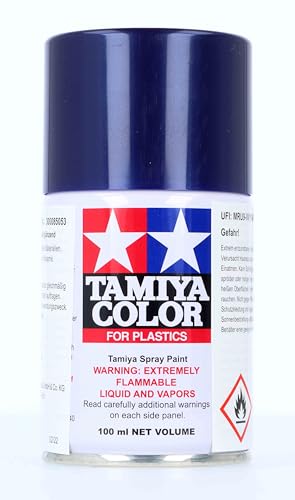
TAMIYA TS-53 Deep Metallic Blue Spray Lacquer

VHT Engine Metallic Titanium Silver Blue 11 oz

Custom Spray Paint WA928L / U928L Blue Granite Metallic
What Each Pick Brings To The Table
Metal flake is an old hot-rodding trick, and this can modernizes it by suspending tiny metallic particles in a saturated ocean-blue base. The result reads like candy paint from a few feet away without any clearcoat gymnastics. Spoilers, mirror caps, trim moldings, even bike frames take to it well.
Drying speed is the quiet advantage here. In a garage session where you’re masking one part while another cures, quick set times keep the whole project moving in an afternoon rather than a weekend.
Positive Takeaways
- Suspended metal flake delivers genuine depth instead of a flat tinted look
- Rapid dry times let you handle parts sooner between coats
- Simple spray application suits first-time customizers
- Suits auto accessories and recreational gear alike, so one can covers several projects
Things To Consider
- The flake settles over time, so owners commonly report shaking the can longer than usual before each pass
- An 11 oz can goes quickly on large panels; budget multiple cans for hoods or roofs
Key Specs
Who It Suits Best
Weekend customizers adding flair to spoilers, mirrors, and molding will get the most out of this can.
Where A Sibling Pick Shines
For engine components that see real heat, the VHT Engine Metallic below handles temperatures this decorative finish was never meant to survive.
Not every blue metallic job needs an aerosol. This 250 ml acrylic bottle brushes, sponges, or pours onto canvas, wood, and furniture accents with a reflective sheen that reads well under indoor lighting. The large volume is the headline: most craft-store metallics come in 2 oz bottles, and this holds nearly five times that.
Ocean scenes, winter palettes, and abstract pieces benefit from how smoothly the pigment flows. You may find coverage denser than cheaper student-grade acrylics, which means fewer repeat coats on dark surfaces.
Features That Help
- 250 ml supply supports large canvases and repeated furniture touch-ups
- Reflective metallic sheen adds dimension under typical home lighting
- Smooth flow works with brushes, palette knives, and sponges
Small Caveats
- Bottled acrylic needs its own applicators, unlike the ready-to-spray cans elsewhere on this list
- Lids left loosely closed tend to skin over, so seal it tight between sessions
Whose Shelf It Belongs On
Home artists and décor upcyclers working big surfaces will appreciate the volume-to-sheen ratio here.
A Better Fit Elsewhere
Model builders after a factory-smooth sprayed coat should look at the Tamiya TS-53 instead, which lays down evenly on styrene plastic.
Wheels punish ordinary paint: brake dust, curb rash, road salt, constant heat cycling. This acrylic enamel is formulated specifically for aluminum alloy rims, with a fluorine-free chemistry aimed at reducing environmental impact. The gloss level sits higher than Dupli-Color’s flake-forward finish above, giving rims a wet, showroom look.
Quick drying matters more here than almost anywhere else. Wheels need mounting, balancing, and back on the car, and a fast-curing formula compresses that timeline considerably.
Where It Excels
- Chip and crack resistance stands up to daily driving abuse
- Fade-resistant pigment keeps the flash blue vivid through sun exposure
- Fast cure gets rims back on the car the same day in many cases
- Glossy brilliant finish gives alloy wheels a freshly detailed appearance
Points To Note
- Surface prep dominates results: degreasing and scuffing the alloy thoroughly is non-negotiable for adhesion
- No clearcoat is specified in the system, so some owners add their own topcoat for extra stone-chip protection
Feature Snapshot
The Right Fit
DIYers refreshing daily-driver alloy wheels will find the durability-to-effort balance hard to argue with.
Swap It Out When
Purely decorative accent work on mirrors or trim calls for the Dupli-Color Metal Specks, whose flake effect suits show pieces better than street-driven rims.
Tamiya’s TS line has been the default answer in scale modeling for decades, and TS-19 carries that reputation into the blue metallic corner. The synthetic lacquer atomizes finely enough for 1/24 scale car bodies, where orange peel ruins a build faster than anything else. One 100 ml can reportedly covers two or three standard-sized car shells, which stretches further than the can size suggests.
A useful quirk: cured Tamiya lacquer shrugs off acrylic and enamel paints laid over it, so you can detail panel lines and badges afterward without lifting the base.
Real Benefits
- Fine atomization produces smooth coats on small scale surfaces
- Short curing window lets you mask and layer details the same day
- Resists overcoating paints, simplifying multi-stage finishing
Honest Caveats
- Lacquer fumes demand outdoor spraying or serious booth ventilation, which limits winter workspaces
- Thin coats are essential; heavy passes commonly cause runs on vertical body panels
Core Details
Best Suited To
Intermediate modelers building automotive kits who want a proven, consistent metallic blue straight from the can.
Reach For A Different Pick When
Total newcomers to airbrush-and-can work may prefer the gentler learning curve of the TS-53 covered next.
Where TS-19 leans bright, TS-53 goes moody: a deeper, darker metallic blue that suits muscle cars, night-racer liveries, and anything wanting understated depth. It shares the same 100 ml lacquer platform, so handling feels identical if you already know the TS range. Styrene and ABS plastic, the two plastics most model kits use, both accept it readily, and metal parts are fair game too.
In our view this is the easier first can for someone new to the hobby, since the darker tone hides minor imperfections that brighter metallics broadcast.
Benefits That Matter
- Deep tone masks small surface flaws better than lighter blues
- Bonds cleanly to both ABS and styrene kit plastics
- Works on metal sub-assemblies, widening its use beyond plastic
Worth Noting
- Dark metallic shades reveal dust nibs under clearcoat, so a clean spray area still pays off
Who Will Love This
First-time kit builders chasing a rich, dark blue without mixing or thinning anything themselves.
Not Your Match When
Craft painters decorating canvas or wood should step back to the Nicpro acrylic bottle, which cleans up with water instead of solvent.
Engine bays destroy everything on this list except this can. VHT blends urethane and ceramic resins into a coating rated for intermittent temperatures up to 650°F, which covers valve covers, brackets, and most engine accessories. The titanium silver blue shade lands closer to a silvery steel-blue than a saturated royal, giving restored bays a factory-correct look.
Gasoline additives, degreasers, salt spray, and rust are the enemies VHT explicitly targets, so the finish tends to hold up through years of under-hood service where decorative paints would blister off within months.
Points In Its Favor
- Handles intermittent heat up to 650°F without discoloring
- Chemical-resistant film survives fuel, oil, and common degreasers
- Urethane-ceramic resin blend resists corrosion and salt exposure
- Suits drivetrain parts as well as engine hardware
Less Ideal Details
- Flat sheen lacks the flash of the EASTUP wheel paint, so show-car shine seekers may want a different route
- Proper heat curing requires running the engine through cycles afterward, a step some owners skip and regret
The Numbers That Matter
Who Should Grab It
Restorers and engine-bay detailers rebuilding a motor or dressing up stock hardware need exactly this chemistry.
Consider Something Else When
Body panels and exterior trim belong with the Jerzyautopaint match below, since engine coatings aren’t formulated for cosmetic panel work.
This one solves a problem nothing else here can: matching a factory GM color. Blue Granite Metallic carries GM codes starting with WA or U, and you’ll find yours on the glove box sticker, door jamb plate, or spare tire area. The can packs 7.5 oz of reducer solvent alongside 4 oz of high-solids basecoat mixed 1:1, delivering coverage that blends into existing panels convincingly.
One requirement shapes everything: this is a basecoat only, meaning a clearcoat must follow. Jerzyautopaint points to Spraymax cans for the topcoat step, and skipping it leaves the color exposed and dull.
Real-World Strengths
- Matches factory GM Blue Granite Metallic for invisible repairs
- High-solids 1:1 basecoat provides strong hiding power per pass
- Two-stage system reproduces the depth of original dealership paint
Trade-Offs To Weigh
- Clearcoat is mandatory, adding cost and an extra spraying session
- Blending technique matters; spot repairs on large panels can show edges for less practiced hands
Product At A Glance
Right Fit For
GM owners fixing door dings, bumper scuffs, and faded spots on Blue Granite Metallic paintwork.
Another Choice May Suit
Customizers painting non-factory colors on any vehicle should stick with the Dupli-Color Metal Specks, which needs no code matching at all.
What Matters Most Before Choosing Blue Metallic Spray Paints
Match The Paint To The Surface
Lacquer, acrylic enamel, urethane-ceramic, and bottled acrylic behave nothing alike. Lacquers like the Tamiya pair lay down glassy films on plastic but hate flexing. Enamels such as EASTUP cure harder and tolerate vibration, making them the sensible choice for wheels. Heat-rated urethane blends are the only option anywhere near an exhaust manifold or valve cover.
Prep Determines Everything
Metallic flakes expose every flaw underneath them, since light catches ridges and dust nibs that solid colors hide. Degrease, sand, and tack-wipe before the first pass, whatever the substrate. Owners who skip primer on bare metal or raw plastic commonly report peeling within weeks, no matter how good the paint itself is.
Count Your Coats And Cans
Metallics need light, overlapping passes rather than one wet flood, or the flake mottles unevenly. A single 11 oz can rarely covers four wheels or a hood, so plan quantity before starting. Two-stage systems like the Jerzyautopaint also require clearcoat on top, which doubles your material list.
Think About Where You’ll Spray
Solvent-based lacquers and enamels release strong fumes, so garages need cross-ventilation or a respirator setup. Water-based acrylics in bottles sidestep that entirely but demand brush work instead. Your workspace often decides the right format before brand loyalty ever enters the picture.
Key Considerations Across These Picks
Where Shoppers Go Wrong
The most frequent mistake is buying a decorative metallic for a functional surface. Engine heat peels standard flake paint; brake dust chews through craft-grade finishes. Check the temperature rating and intended substrate before committing, and always confirm whether a clearcoat stage is required.
What Separates Premium From Basic
Higher-tier formulations spend money on resin quality and pigment suspension. Ceramic-urethane blends resist chemicals that strip cheap paint, and well-suspended flake sprays evenly instead of settling mid-can. For visible, long-lived work, that difference shows up within months.
Frequently Asked Questions
Do blue metallic spray paints need a clearcoat?
Single-stage products like the Dupli-Color and Tamiya cans include their finish in one formula. Basecoat systems such as the Jerzyautopaint require a separate clearcoat for protection and gloss.
How do I find my GM paint code?
Look at the sticker inside the glove box, the driver-side door jamb, or the spare tire well. Codes for this color begin with WA or U followed by numbers.
Can I use engine paint on wheels or body panels?
It adheres and protects, but the flat sheen looks dull on cosmetic surfaces. Wheel-specific enamels deliver far better gloss for rims.
Why does my metallic finish look blotchy?
Heavy, wet passes cause the metal flake to clump and mottle. Apply several light, overlapping coats with proper shake time between them.
Is bottled acrylic a substitute for spray paint?
For canvas, wood, and crafts, yes, and the Nicpro bottle offers generous volume. Automotive surfaces need solvent-based sprays engineered for adhesion and durability.
Bottom Line
Every can on this list earns its place for a specific surface, not a general purpose. Match the chemistry to your project: Tamiya for models, EASTUP for wheels, VHT for engine heat, Jerzyautopaint for factory GM repairs, Dupli-Color for custom flair, Nicpro for the craft table. Get the prep right and apply thin coats, and any of these will reward the effort with a finish worth admiring.
