
Blue pigment sounds simple until you’re staring at a cured river table that turned muddy grey or a concrete patio that faded after one summer. The right powder or paste makes the difference between a project you show off and one you redo. This roundup covers seven blue pigments across two camps: iron oxide powders built for cement, mortar, and plaster, and mica-based colorants made for epoxy resin, soap, and craft work. Each entry breaks down where it shines, where it falls short, and who should actually buy it.
A Snapshot Of The Selections

GOODTAKE Blue Iron Oxide Concrete Pigment Powder, 4 oz

MEYSPRING Pacific Blue Mica Powder, Epoxy Resin Pigment, 50 g

NTWJNJY Blue Mica Powder for Epoxy Resin
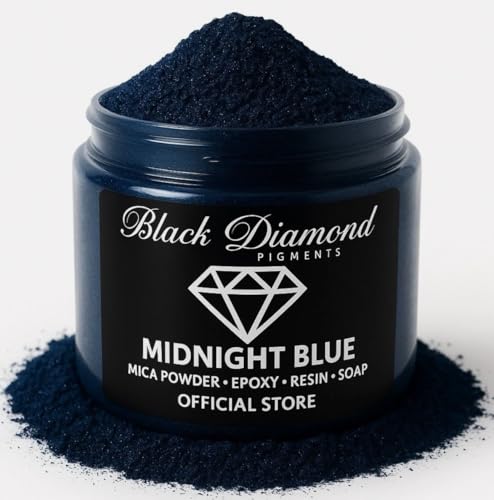
Black Diamond Pigments Midnight Blue Mica Pigment

Baltic Day Royal Blue Epoxy Pigment Paste XL, 191 g

Huixiang Blue Iron Oxide Concrete Pigment Powder, 0.22 lb

Eye Candy Nokon Blue Mica Powder, 25 g
Taking A Closer Look At The Options
Iron oxide is the workhorse of concrete coloring: a mineral powder that bonds into cement as it cures instead of sitting on the surface like paint. GOODTAKE’s version runs at 95% or higher oxide content, which matters because filler-heavy pigments wash out to a pale, chalky blue in wet mixes.
The 4-ounce bottle suits smaller batches, think stepping stones, planters, tile grout touch-ups, or a bucket of tinted plaster. Each shade ships in its own resealable container, so leftover powder stays dry between projects rather than hardening into a brick in the bag.
Notable Gains
- High oxide purity keeps the blue consistent batch to batch, so a second pour matches your first
- Waterproof once cured, which is what you want on outdoor brick, mortar joints, and garden features
- Strong hiding power means less powder per mix, stretching a small bottle further
- Non-toxic formulation is friendlier to handle around the house than solvent dyes
- Doubles for bath bombs and craft coloring beyond masonry work
A Few Limitations
- Four ounces covers modest batches only; a full patio slab will drain it fast
- Oxide powders are dusty, so owners commonly report wearing a mask while measuring
Key Specs
Who It Suits Best
DIYers tackling small-to-medium cement, grout, or plaster projects who want dependable, fade-resistant color without buying industrial quantities.
Where A Sibling Pick Shines
For bigger pours, Huixiang’s 0.22-pound jar of blue iron oxide gives you more volume per purchase and suits anyone coloring pavers or multiple slabs.
Where GOODTAKE’s oxide goes flat and matte, MEYSPRING’s Pacific Blue leans pearlescent: sapphire-toned mica that shifts as light crosses the surface. That quality is exactly why resin artists reach for it on ocean pours, beach scenes, and river tables where water needs to look alive rather than painted on.
The particles disperse evenly through clear epoxy and UV resin, so you won’t fight clumps mid-pour while the pot life ticks away. Opacity is fully adjustable too; a pinch gives translucent shimmer, a heavier dose builds deep-water density. The honest read is that this shade rewards layering, since single thin coats can read lighter than expected.
Real Benefits
- Pearlescent finish creates natural light movement in ocean and galaxy scenes
- Fine particle size mixes smoothly with no lumps settling at the bottom of the cup
- You control opacity from sheer veil to solid deep blue with dose alone
- Works in both slow-cure epoxy and faster UV resin setups
Things To Weigh Up
- Shimmer reads subtle under low light, so display placement affects the final look
- Mica dust settles on every nearby surface; a damp cloth cleanup after pouring saves frustration
Quick Facts
Right Fit For
Resin artists building layered ocean, wave, or celestial pieces who want light-shifting depth rather than flat opaque color.
Consider Something Else When
Solid, fully opaque royal blue coverage calls for Baltic Day’s Royal Blue Pigment Paste instead, which blocks light completely in thick pours.
First pours go wrong for predictable reasons: clumped pigment, over-tinting, and jars you can’t reseal properly. NTWJNJY addresses all three. The powder measures 10 to 60 microns, fine enough to dissolve into resin without leaving mushy pockets, and the lid seals tight enough to control exactly how much you shake out.
At 50 grams, the jar holds roughly double what many starter tins offer, which matters once you realize how quickly a soap-making habit consumes pigment. Compared with MEYSPRING’s Pacific Blue, this one skips the pronounced pearlescent shift in favor of a straightforward natural shimmer, which some makers actually prefer for everyday coasters and trays.
The Helpful Details
- Extra-fine 10-60 micron particles blend lump-free even when stirred by hand
- Large 50 g jar outlasts typical starter sizes by a wide margin
- Precision lid lets you meter out tiny amounts without waste
- Versatile enough for soap, cosmetics, and general craft tinting beyond resin
Small Caveats
- Color depth depends on your resin ratio; pale results usually mean adding more powder gradually
- No stated micron-grade certification beyond the listed range, so expect slight batch variation
Whose Shelf It Belongs On
Newcomers to resin and soap crafting who want forgiving mixing behavior and a supply that won’t run out after three projects.
Swap It Out When
Hobbyists chasing dramatic twilight-blue saturation will get more character from Black Diamond Pigments’ Midnight Blue mica.
Some blues whisper; Midnight Blue doesn’t. Black Diamond built its reputation on saturated, unusual shades, and this one lands closer to a starlit evening sky than a standard sky blue, with a shimmer that carries real drama in resin geodes and dark-themed art. The brand assembles its pigments in the United States and positions itself as artist-run, which shows in the color curation.
The non-toxic mica formula extends well past resin: nail polish, lip gloss, slime, and acrylic paint all take it readily. In clear slime, the recommended technique is placing pigment in the center and folding repeatedly until it disperses, a method worth following since vigorous stirring introduces bubbles.
What Earns Its Place
- Exceptionally deep saturation that holds up in thin applications like polish and gloss
- Strong lightfastness reputation, meaning finished pieces resist fading on sunny shelves
- Non-toxic mica suitable for cosmetic-adjacent crafts such as lip gloss
- Wide compatibility spanning resin, acrylic, slime, and soap bases
Points To Note
- A little goes a long way, so beginners often overshoot and darken their whole batch
- Dark shades can stain porous work surfaces; lay down parchment before opening the jar
Core Details
Made For
Intermediate crafters working in resin, cosmetics, or slime who want a signature dark blue with genuine depth and staying power.
Look Elsewhere When
Budget-conscious starters testing the waters will find NTWJNJY’s larger 50-gram jar the more forgiving entry point.
Every other resin option here is a powder; Baltic Day ships a paste, and that changes the working experience entirely. No airborne dust, no sneezing fits over an open jar, just a scoopable concentrate that folds straight into mixed epoxy. The trade-off is that pastes demand slightly more stirring to distribute evenly through thicker pours.
Concentration is the headline attribute: a small amount produces bold, opaque royal blue that blocks light completely, ideal for river tables where you want a solid channel of color rather than translucency. At 191 grams, the XL tub comfortably covers several large projects, and the format suits jewelry, tumblers, coasters, and trays equally well.
Strengths Worth Knowing
- Highly concentrated formula means a pea-sized scoop tints a full cup of resin
- Fully opaque coverage creates crisp, defined color zones next to clear resin
- Dust-free paste application keeps your workspace clean
- XL quantity supports big builds like countertops and multi-layer river tables
- Non-toxic composition eases handling during long studio sessions
What To Weigh
- Opaque paste won’t produce the translucent shimmer effects mica powders do
- Thick paste needs thorough folding to avoid streaks in deep pours
The Right Fit
Resin artists prioritizing solid, vivid color blocking in furniture-scale pieces over delicate shimmer effects.
Another Choice May Suit
Anyone wanting see-through water-like layers should pick MEYSPRING’s Pacific Blue mica, whose pearlescent transparency is built for that look.
Huixiang plays the same game as GOODTAKE but deals a bigger hand: 0.22 pounds of blue iron oxide against GOODTAKE’s 4 ounces, which translates to roughly 100 grams versus 113. The practical difference shows up on outdoor work, where coloring a set of pavers or a garden bench eats pigment fast.
The manufacturer notes corrosion-resistant performance alongside the coloring role, a sensible pairing for rebar-adjacent concrete and exterior masonry exposed to weather. Mixing works the same way as any oxide dye: blend the dry powder into your cement or paint before adding liquids for the most even distribution.
Where It Helps
- Larger jar volume covers multiple outdoor pours without repeat orders
- Corrosion-resistant behavior suits structural and exterior concrete use
- Mixes into both wet cement and existing paint for flexible tinting
- Iron oxide base holds color through sun and rain exposure
Room For Improvement
- Packaging is more utilitarian than GOODTAKE’s individual bottles, so transfer to an airtight jar helps storage
- Exact oxide percentage isn’t published, so consistency relies on mixing carefully by weight
Who Should Grab It
Weekend builders coloring patios, walkways, planters, or any project measured in bags of cement rather than cups.
Not Your Match When
Smaller decorative jobs with precise color-matching needs are better served by GOODTAKE’s 4-ounce bottle with its resealable container.
Eye Candy markets Nokon Blue as a cross-medium performer, and the compatibility list backs that up: epoxy, acrylic pour, melt-and-pour soap, bath bombs, candle wax, polymer clay, even automotive paint and fishing lures. Few pigments in this price bracket claim that range, and the varied micron sizing is what makes it possible across such different viscosities.
Against Black Diamond’s Midnight Blue, Nokon sits brighter and more electric, better suited to geode art and acrylic pours where you want pop rather than mood. The 25-gram tin is modest, though, so heavy users will cycle through it quicker than the 50-gram competitors earlier in this list.
Reasons It Performs
- Genuine multi-medium flexibility, from woodwork finishes to bath products
- Mixed micron grades integrate smoothly into resins, varnishes, glazes, and creams
- Bright, glowing blue that stands out in geode and pour artwork
- Brand specializes in artist-focused pigment curation
Trade Offs To Consider
- Smaller 25 g quantity runs out faster on large river-table builds
- So many compatible mediums mean experimenting to find your ideal ratio per material
Product Snapshot
Built With In Mind
Mixed-media hobbyists who bounce between resin, soap, painting, and candle making and want one blue that travels across all of them.
Reach For A Different Pick When
Dedicated resin artists focused solely on ocean scenes will extract more value from MEYSPRING’s larger, purpose-built Pacific Blue jar.
Factors To Consider Before You Choose A Blue Pigment
Match The Pigment To Your Base Material
This is the mistake that ruins most first projects. Iron oxide powders bond chemically with cement, lime, and plaster, while mica powders and paste colorants suspend in resins, waxes, and glycerin soap. Putting mica in concrete leaves you with speckled disappointment; putting oxide in clear resin gives you a dull, sediment-heavy pour. Confirm compatibility before ordering anything.
Decide Between Opaque And Translucent
Mica reflects light, creating shimmer and depth you can see through. Paste concentrates and dense oxide loads block light for flat, saturated color. Ocean art demands the former; a solid royal-blue countertop channel demands the latter. Some artists keep both on hand and layer them.
Calculate Quantity Honestly
Pigment typically runs a small percentage of total mix weight, but big builds add up. A river table can consume 10 times the pigment of a coaster set. Buying too little mid-project risks a visible color mismatch between batches, so size up for anything furniture-scale.
Factor In Handling And Cleanup
Powders travel. They coat countertops, lungs, and pets unless you work carefully with a mask and damp cloth nearby. Pastes cost a bit more convenience in mixing but keep the air clean.
Key Considerations Across These Picks
Traps First Timers Fall Into
Overdosing is the classic error. More pigment rarely means better color; past saturation point you weaken cure strength in resin or compromise concrete integrity. Start at half the suggested dose and build up. The second trap is ignoring batch consistency: mix enough tinted material for the entire project up front, because matching a cured blue later is nearly impossible.
Why Top Tier Costs More
Premium pigments charge for purity and particle engineering. Higher oxide percentages mean truer, longer-lasting color in masonry, while finely graded mica disperses without clumping and shifts light convincingly. Cheap fillers dilute both. For heirloom pieces and outdoor work exposed to weather, the upgrade pays for itself in longevity; for practice pours and experiments, budget jars make sense.
Frequently Asked Questions
Can I use mica powder in concrete?
It’s not recommended. Mica suspends rather than bonding, producing weak, uneven color. Iron oxide pigment is engineered for cementitious materials.
How much pigment should I add to epoxy resin?
Most manufacturers suggest starting around a small fraction of your resin weight and adjusting gradually. Exceeding recommended ratios can interfere with proper curing.
Will blue pigment fade outdoors?
Quality iron oxide holds color extremely well in sunlight and weather. Mica-based colors also resist fading, though display conditions affect how the shimmer reads over time.
What’s the difference between pigment powder and pigment paste?
Powder is dry mineral that you stir in and can create dust; paste is pre-wetted concentrate that mixes cleanly but needs thorough folding. Results differ mainly in opacity and ease of handling.
Are these pigments safe for skin-contact items like soap?
Several mica options here, including Black Diamond and NTWJNJY, suit cosmetic-style crafts. Always verify the specific product listing states suitability before using any pigment in items touching skin.
Closing Remarks
The right blue comes down to your medium and your patience level. Masonry projects want GOODTAKE or Huixiang’s iron oxide; resin art lives on MEYSPRING, Black Diamond, or Eye Candy depending on whether you chase shimmer, saturation, or versatility. Start small, mix honestly, and let the color prove itself before committing to the big pour.
