
Blue plaid never really leaves the sewing room. It shows up in flannel pajamas, farmhouse table runners, baby quilts, and that one throw blanket everyone fights over on cold evenings. The catch is that not all plaid fabric behaves the same way once it hits your machine, and choosing wrong means a stiff shirt or a quilt that pills after two washes.
This roundup sorts seven blue plaid options by what they actually do well: precut charm squares for quick projects, heavyweight ticking for structured pieces, brushed flannel for cozy wear, and lightweight gingham for summer sewing. Each entry covers who the fabric suits, where it falls short, and which alternative makes more sense for your project.
A Closer Look At The Lineup

Tegeme 40 Pcs Vintage Plaid Cotton Fabric Squares
Roc-lon Woven Ticking Fabric Stripe Navy 5 Yard Precut
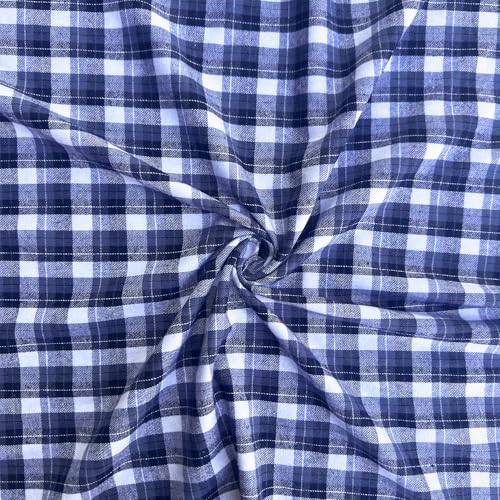
Barcelonetta Ailsa Blue Plaid Cotton Flannel Fabric

Richcheck 60″ Gingham Check 1″ Navy Fabric by the Yard

Pico Textiles Light Blue Tartan Plaid Flannel Fabric

FabricLA Bluebird Valley Plaid Check Cotton Flannel
Tudomro Blue Cottage Floral Quilting Fabric Squares
The Strengths Of Each Pick
Charm packs save you the most tedious part of patchwork: cutting forty identical squares from yardage. This set arrives as 10 x 10 inch pre-cuts in assorted vintage plaid and snowflake prints on cotton, so a beginner can start stitching a quilt top the same afternoon the package lands.
In practice, these squares suit small-batch projects. Think mug rugs, coasters, tote panels, or a lap quilt built over a few weekends. Compared with buying bolts like the Roc-lon below, you trade continuous yardage for variety, which matters more than most people expect when mixing prints.
Where It Delivers
- Pre-cut sizing removes measuring and squaring errors entirely
- Assorted vintage plaids mix together without clashing
- Cotton base takes pins, pressing, and seam ripping without damage
- Forty pieces cover most small quilt layouts with room to spare
Small Caveats
- Prints ship assorted, so exact pattern counts vary between sets
- Pre-washing separate small squares causes fraying edges worth zigzagging first
Who Will Love This
Beginners and casual crafters who want instant patchwork results without investing in full bolts.
A Better Fit Elsewhere
Sewists needing continuous yardage for garments should reach for the Barcelonetta Ailsa Blue Plaid flannel instead.
Ticking is the dense woven cloth historically used for mattress covers, and this Roc-lon version keeps that heritage at 245 GSM, a genuinely sturdy medium-heavy weight. At 44/45 inches wide with a five-yard precut, you get enough continuous fabric to upholster a bench cushion and still have leftovers.
The navy stripe reads more classic utility than soft plaid, so think farmhouse pillows, tote bags, aprons, and slipcovers rather than pajamas. Owners commonly note that tightly woven ticking softens after a couple of washes while keeping its structure, which is exactly why it outlasts lighter cottons in high-friction spots.
Good Reasons To Consider
- 245 GSM density resists wear on cushions and bags
- Five uninterrupted yards handle larger projects cleanly
- Woven stripes stay aligned through repeated laundering
- Suits both home décor and heavier craft applications
Points To Note
- Stiffness out of the package may frustrate apparel sewists
- Narrower width than the 60-inch flannels elsewhere here
- Stripe design leans rustic rather than traditional tartan
Key Specs
Right Fit For
Décor-focused sewists making cushions, bags, or slipcovers that need fabric with real backbone.
Swap It Out When
Garment makers wanting drape will prefer the softer Barcelonetta flannel reviewed next.
This is the pick for anything that touches skin. The Ailsa Blue Plaid runs 60 inches wide in 180 GSM brushed cotton flannel, meaning the fibers are raised on the surface for that fuzzy, broken-in feel people associate with winter pajamas. One yard covers a child’s sleep set or a generous swaddle.
Where the Roc-lon ticking above prioritizes toughness, Barcelonetta prioritizes hand feel, and the brand also sells the same print on a 50-yard roll for anyone producing in volume. For most home sewists, the single yard works well for testing a pattern before committing to bulk.
A Strong Showing
- Brushed finish feels soft immediately, no break-in period
- 60-inch width fits blanket and garment pattern pieces
- 180 GSM balances warmth against breathability
- Available in large rolls for repeated production runs
Things To Consider
- Flannel sheds lint heavily during the first several washes
- Single-yard cut limits larger single-piece projects
Feature Snapshot
Made For
Sewists crafting pajamas, baby accessories, or blankets where softness outranks structure.
Not Your Match When
You need crisp check geometry for tailored shirts, in which case the Richcheck gingham below performs better.
Gingham differs from plaid in one key way: yarn-dyed checks are woven in from colored threads rather than printed on afterward, so the pattern shows through on both sides and resists fading. This Richcheck option pairs that construction with a light, airy weave suited to warm-weather sewing.
The one-inch navy checks on a 60-inch width make quick work of picnic-style tablecloths, children’s clothing, and breezy summer blouses. Because it’s sold by the yard and cut to order, you buy exactly what your pattern calls for. One planning note: budget extra yardage, since aligning those checks at seams eats fabric fast.
Useful Highlights
- Yarn-dyed checks keep color through machine washing
- Lightweight drape suits dresses and blouses
- 60-inch width covers tablecloth spans with fewer joins
- Cut-to-order yardage reduces leftover waste
Worth Noting
- Polyester-cotton blend breathes less than pure cotton options
- Pattern matching at seams demands careful cutting and extra length
- Lighter weave offers less warmth for winter projects
Quick Facts
Who Should Grab It
Home sewists making summer apparel, kids’ clothes, or washable table settings on a practical budget.
Reach For A Different Pick When
Winter-weight coziness is the goal; the Pico Textiles tartan flannel up next handles that better.
A proper light-blue tartan on true cotton flannel is harder to find than it should be, and this one-yard bolt fills that gap neatly. The 60-inch width and medium weight match the Barcelonetta spec sheet almost exactly, so the real difference comes down to shade and availability of multi-yard orders.
One quirk worth knowing before checkout: multiple quantities ship as separate one-yard bolts rather than one continuous piece. That’s fine for patchwork and small accessories, less ideal for a floor-length robe. For throws, scarves, and swaddle blankets, the soft hand and good heat retention do the job comfortably.
Real Benefits
- Genuine tartan patterning in a gentle light blue
- Cotton flannel retains heat for loungewear and throws
- Wide 60-inch cut maximizes each bolt
- Medium thickness presses flat for neat seams
A Few Limitations
- Larger quantities arrive as disconnected one-yard sections
- Generic branding means batch consistency can shift between orders
Details At A Glance
Whose Shelf It Belongs On
Weekend hobbyists making cozy gifts, throws, and small winter accessories in modest quantities.
Consider Something Else When
You want a named brand behind consistent quality batches; the FabricLA flannel closing the list offers that reassurance.
Call this the workhorse of the group. FabricLA’s Bluebird Valley plaid hits the same 180 GSM, 60-inch-wide, 100% cotton flannel formula as the Barcelonetta earlier in the list, but positions itself as an everyday staple for everything from flannel shirts to quilt backing and bedding.
The one-yard precut keeps entry costs sensible, and owners frequently report the softness holds up through regular machine cycles better than cheaper printed flannels. In our view, this is the safest starting point for a first big flannel project, since the weight splits the difference between drape and durability nicely.
Where It Helps
- Handles apparel, quilts, bedding, and crafts equally well
- Super-soft texture straight off the shelf
- Lightweight feel stays comfortable in layered garments
- Recognizable brand simplifies reordering matching lots
Honest Caveats
- Pre-cut sizing means seam-matching across yards takes planning
- Lightweight classification won’t satisfy anyone wanting heavy flannel
Core Details
Who It Suits Best
All-purpose home sewists tackling mixed project lists who want one dependable blue plaid on hand.
Another Choice May Suit
Quilters chasing maximum print variety per dollar will get more mileage from the Tudomro squares set below.
Strictly speaking, this set leans floral cottage rather than pure plaid, but its blue palette slots beautifully beside any of the tartans and ginghims above in a sampler quilt. You receive 100 ten-inch squares across varied French-country rose and hydrangea prints, roughly double the piece count of the Tegeme pack.
That volume changes what you can build. A hundred coordinated squares covers a full-size quilt top, a stack of zip pouches, or months of scrap-busting sessions. The trade-off mirrors the Tegeme situation: assorted assortments mean you can’t guarantee specific repeats, so treat each square as a pleasant surprise.
What Earns Its Place
- 100 pre-cut squares support large patchwork layouts
- Varied floral styles keep scrappy quilts visually rich
- Blue palette coordinates with the other picks here
- Ready-to-sew format skips all cutting prep
Less Ideal Details
- Floral-forward mix won’t replace dedicated plaid yardage
- Assorted counts of each print vary from set to set
Best Suited To
Scrap-quilt enthusiasts and gift makers who value print variety and volume over matched yardage.
Where A Sibling Pick Shines
Anyone wanting uniform vintage plaid specifically should stick with the Tegeme squares set at number one.
What Matters Most Before Choosing Blue Plaid Materials
Match The Weight To The Project
Weight, measured in GSM (grams per square meter), tells you how substantial a fabric feels before you ever touch it. Around 180 GSM suits flannel pajamas and quilts, while ticking near 245 GSM holds up under cushions and bags. Buying heavy cloth for a flowy blouse is the fastest way to waste a weekend.
Understand Weave Versus Print
Yarn-dyed fabrics like gingham and true tartan weave color into the threads themselves, so patterns survive years of washing. Printed plaids apply dye on top, which costs less but fades sooner. Garments worn weekly justify yarn-dyed; decorative pieces rarely need it.
Account For Shrinkage And Care
Cotton shrinks, sometimes noticeably on a first hot wash. Pre-wash yardage before cutting, and remember flannel sheds lint early in its life. Polyester blends such as the Richcheck gingham skip much of that fuss, trading away some breathability for easier laundry days.
Buy The Right Format
Precut squares reward quilters who hate rotary cutting; bolts by the yard reward garment sewists. Multiple one-yard quantities often ship as separate cuts, so confirm continuity before ordering fabric for a single long panel.
Key Considerations Across These Picks
Mistakes Worth Dodging
The most common error is ignoring pattern scale. A one-inch gingham reads completely different from a broad tartan across the same skirt, and mismatched checks at seams expose sloppy cutting instantly. Second mistake: skipping the pre-wash. Cotton flannel that shrinks after assembly puckers every seam line. Wash first, always.
When Paying More Pays Off
Higher-tier fabrics earn their cost through yarn-dyed colorfastness, consistent GSM, and brand-controlled batches. FabricLA and Barcelonetta charge slightly more because their weights run true and reorder lots match. For heirloom quilts or garments washed weekly, that consistency pays for itself; for one-off craft fair stock, budget cuts perform fine.
Frequently Asked Questions
Is flannel the same thing as plaid?
No, they describe different things entirely. Flannel refers to the brushed, fuzzy weave, while plaid describes the crossed-stripe pattern printed or woven onto it.
Do I need to pre-wash cotton plaid fabric?
Yes, especially for garments and quilts. Cotton shrinks on its first wash, and pre-washing prevents finished seams from puckering later.
How wide is standard quilting fabric?
Most bolts run 44/45 inches, which fits conventional quilt patterns. Several picks here offer 60-inch widths, giving extra margin for blankets and backs.
Can I mix different blue plaids in one quilt?
Absolutely, and scrappy mixing is a beloved quilting tradition. Keeping shades within the same blue family, as these seven picks do, keeps the result cohesive.
What does GSM mean on a fabric listing?
GSM stands for grams per square meter, a measure of fabric density. Higher numbers indicate heavier, more substantial cloth.
Bottom Line
Blue plaid rewards a little planning. Match the weight to your project, pre-wash the cotton, and choose precuts or bolts based on how you actually sew. Quilters will lean toward the Tegeme and Tudomro squares, garment sewists toward the Barcelonetta and FabricLA flannels, and décor makers toward that sturdy Roc-lon ticking. Whichever direction your next project points, there’s a solid match waiting in this lineup.
