
Blue is one of those colors that works everywhere: on a set of custom wheels, a steel garden bench, or suspended in a clear resin pour. The catch is that “blue” covers a lot of ground, from shimmering craft pigments to industrial-grade thermoset powders that need an oven to cure. This shortlist splits the difference, covering both worlds so you can match the material to the job instead of guessing. Each entry below earns its spot on specific strengths, with honest trade-offs noted along the way.
How The Shortlist Stacks Up

NTWJNJY Blue Mica Powder for Epoxy Resin

Eastwood Hotcoat Henry’s Light Blue Powder Coat 1 Lb

ninesung Powder Coating Paint for Metal Surfaces (Blue)
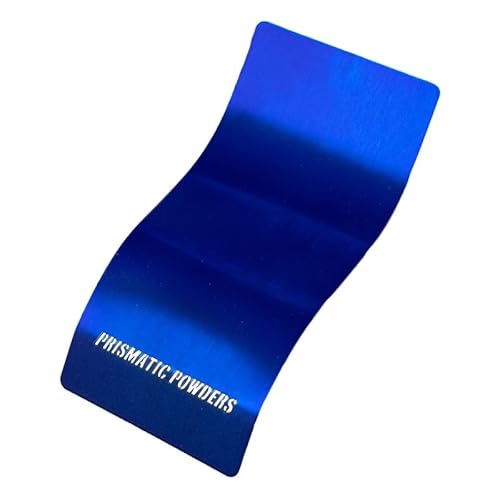
PRISMATIC POWDERS Dazzling Blue Transparent Powder Coating, 1 lb

PRISMATIC POWDERS Empire Blue Transparent Polyester Powder Coating PPB-4585
A Breakdown Of The Leading Choices
Not every blue in this roundup needs a curing oven. This one is a mica powder, meaning a finely ground mineral pigment that adds shimmer rather than forming its own protective layer, and it’s aimed squarely at resin artists and soap makers working at a kitchen table.
The jar format matters more than you’d expect. A wide-mouth container lets you scoop exactly what a pour needs instead of shaking out too much, which keeps expensive resin batches from turning muddy. For anyone doing coasters, geode art, or tinted soap loaves, this is the low-commitment entry point into blue.
The Case For It
- Pearlescent finish gives resin pours depth that flat dyes can’t match
- Jar lid allows measured scooping, cutting down on wasted pigment
- Suits multiple crafts beyond epoxy, including soap making
- No special equipment needed compared to true powder coat systems
Things To Consider
- It’s a colorant only, so it offers none of the impact or corrosion protection real powder coats provide
- Shimmer intensity depends heavily on your base resin clarity, so results vary between brands
Who Will Love This
Hobbyists pouring resin art or handcrafting soap who want reliable blue shimmer without investing in spray equipment.
Where Another Pick Suits Better
Anyone coating functional metal should look at the Eastwood Hotcoat Henry’s Light Blue instead, since it cures into a durable surface.
Eastwood has been a fixture in garage restoration circles for decades, and Hotcoat is their house line of thermoset powders, coatings that chemically harden under heat into a single tough skin. Henry’s Light Blue leans toward a soft vintage American car shade, which suits brackets, valve covers, and trim pieces on older builds.
The formula skips solvents entirely, so there’s no strong odor filling your shop while you work, a genuine quality-of-life difference versus liquid paint. Owners commonly report the cured film shrugs off chips and chemicals well on parts that see regular handling. One pound covers a fair amount of small-to-medium components, though large panels will eat through it faster than you’d think.
What It Does Well
- Cures to a smooth, chip-resistant finish suited to automotive wear
- Solvent-free formula means minimal fumes in a home garage
- Good chemical resistance on parts exposed to cleaners and fluids
- Vintage-correct light blue fits restoration projects naturally
Points To Note
- You’ll need a dedicated cure oven; household ovens shouldn’t be shared with coated parts
- Surface prep failures are the most common cause of adhesion problems reported by hobbyist coaters
Feature Rundown
Made For
DIY restorers with an infrared lamp or spare oven who want an authentic period blue on engine bay hardware and exterior trim.
Swap It Out When
For a deeper, show-ready metallic look on wheels, the Prismatic Powders Empire Blue below delivers more visual drama.
Where Eastwood targets cars, this ninesung jar aims at everything else metal: railings, playground frames, fence sections, structural steel around a property. The four-ounce size is deliberately modest, sized for touch-ups and single projects rather than production runs.
The manufacturer positions it as corrosion-resistant and heat tolerant, which lines up with what you’d want on outdoor fixtures that face rain and sun year after year. Adhesion is called out as a strength, and that tracks, because bonding quality decides whether a coating survives a winter outdoors. The honest caveat is that documentation is thinner than the bigger brands offer, so first-time coaters may find themselves figuring some steps out alone.
Positive Points
- Works across steel, iron, and aluminum without reformulating
- Rust and corrosion resistance suits uncovered outdoor installations
- Small jar keeps storage simple in crowded workshops
A Few Limitations
- Four ounces limits coverage, so larger gates or fences need several jars
- Application guidance is sparser than what Eastwood provides for beginners
- Color consistency between batches isn’t documented, worth checking before a multi-jar project
The Right Fit
Homeowners refreshing garden structures and fencing who need a dependable blue in small, affordable quantities.
A Better Fit Elsewhere
Automotive work calls for the Eastwood Hotcoat Henry’s Light Blue, whose documented durability better matches vehicle demands.
This is the flashiest option here. Dazzling Blue is a transparent cobalt loaded with silver metallic flake, and transparency changes everything about how it looks: the coating lets your substrate show through, so polishing the bare metal underneath produces that deep candy-apple effect custom builders chase.
Over raw blasted steel you get a different, darker result than over chrome or polished aluminum, which cuts both ways. You gain flexibility in final appearance but lose predictability, so test pieces are genuinely worth the extra powder. As a polyester top coat rated above 85 gloss units, it reflects light sharply once cured, giving finished parts that wet-look shine.
Bright Spots
- Transparent base with silver flake creates depth flat colors can’t reach
- Polyester chemistry holds gloss well on parts kept outdoors
- High gloss rating above 85 units delivers a mirror-like cured surface
- Final hue shifts with substrate polish level, offering two looks from one jar
Small Caveats
- Transparency means surface flaws telegraph straight through the coating
- Expect to run sample coupons first; the same powder reads very differently over various metals
Quick Facts
Whose Shelf It Belongs On
Custom builders and motorcycle enthusiasts chasing a show-quality metallic blue on polished parts.
Not Your Match When
Imperfect or pitted substrates suit the opaque Eastwood Hotcoat better, since solid coverage hides surface faults.
Sibling to Dazzling Blue but a completely different animal visually. Empire Blue is a very deep, near-navy transparent with no flake, and where the Dazzling reads flashy, this one reads serious, closer to luxury yacht hardware than show bike tanks.
Prismatic documents the prep process thoroughly, calling for full removal of oils and old coatings using strippers or degreasers like acetone, plus careful masking of mating surfaces so tolerances aren’t spoiled by coating buildup. That guidance alone makes this the friendliest pick for someone coating their first set of wheels. The same 85-plus gloss polyester top coat applies here, so cured parts keep their shine through weather exposure.
Everyday Wins
- Deep saturated blue delivers a premium, understated look
- Detailed prep instructions reduce rookie adhesion mistakes
- Polyester formulation stands up to outdoor conditions on wheels and rails
- High gloss rating keeps cured surfaces reflective long term
Where It May Fall Short
- Like all transparents, it demands flawless substrate prep to look right
- Masking mechanical interfaces takes patience on complex assemblies
Key Specs
Right Fit For
Wheel refinishers and marine-minded DIYers wanting a rich navy-blue with manufacturer-backed prep instructions.
Reach For A Different Pick When
Craft-table projects belong with the NTWJNJY Blue Mica Powder, since no oven or gun is involved.
What Matters Most Before Choosing Blue Powder Coats
Match The Chemistry To The Job
Powder comes in epoxy, hybrid, and polyester families, and each behaves differently. Epoxy bonds hard but chalks in sunlight, making it an indoor-only choice, while polyester resists UV fade on anything living outside. Pick the wrong family and even a flawless application fails within a season.
Substrate Prep Decides Everything
Every experienced coater says the same thing: the coating is only as good as the surface beneath it. Oils, rust, and old paint must go completely, usually via blasting or chemical stripping, before any powder touches the part. Skipping this step is the leading cause of peeling reported among hobbyists.
Equipment Reality Check
True powder coats need an electrostatic gun to charge the particles and an oven hot enough to flow and cure them. Budget for both before ordering powder, or consider a mica pigment like the NTWJNJY for color-only craft work instead.
Coverage Math
A one-pound jar handles plenty of brackets and small parts, but wheels, frames, and furniture consume it quickly. Estimate generously; running short mid-project means a visible color-matching risk on the second batch.
Key Considerations Across These Picks
Traps First Timers Fall Into
The most common error is buying powder before confirming oven capacity, leaving a jar stranded on the shelf. Another frequent misstep is treating transparent powders like solid colors; they magnify every scratch underneath. Always run a test coupon.
Where The Extra Money Goes
Premium powders justify their cost through documented gloss ratings, consistent batch color, and detailed technical support. Cheaper jars rarely publish those numbers, which means more guesswork for you. On visible, weathered parts, that consistency pays for itself.
Frequently Asked Questions
Do I need special equipment for these products?
True powder coatings require an electrostatic spray gun and a curing oven. The mica powder entry needs neither, just mixing into resin or soap bases.
Can blue powder coats be applied over rust?
No, rust must be fully removed by blasting or chemical stripping first. Coating over corrosion traps moisture and causes early failure.
What’s the difference between transparent and opaque powder?
Transparent powder lets the substrate’s finish influence the final color, while opaque hides it completely. Transparent options demand cleaner, better-polished surfaces.
How durable are polyester powder coats outdoors?
Polyester formulations resist UV fading and hold gloss through seasonal weather. They’re the standard choice for fences, wheels, and garden furniture.
Can I mix mica powder with any resin?
Most epoxy resins accept mica pigment well when mixed thoroughly. Clarity of the base resin affects how vividly the shimmer displays.
Closing Thoughts
Choosing between these five comes down to one question: are you coloring something or protecting something? The NTWJNJY mica handles the craft table, while the Eastwood, ninesung, and two Prismatic entries protect real metal against chips, chemicals, and weather. Match the chemistry to your project, prep the surface properly, and any of these blues will reward the effort. Start with the smallest quantity that covers your job, and scale up once you’ve confirmed the look works for you.
