
Bluegrass punishes dull strings. Fast runs, hard flatpicking, and long jam nights expose anything that sounds muddy or dies after a week of playing. The right set keeps your trebles cutting through a crowded room while your bass stays tight under a banjo and fiddle. This list covers seven sets that handle that workload, from vintage-flavored bronze to modern low-tension options, so you can match your strings to your hands and your guitar instead of guessing.
A Quick View Of The Lineup
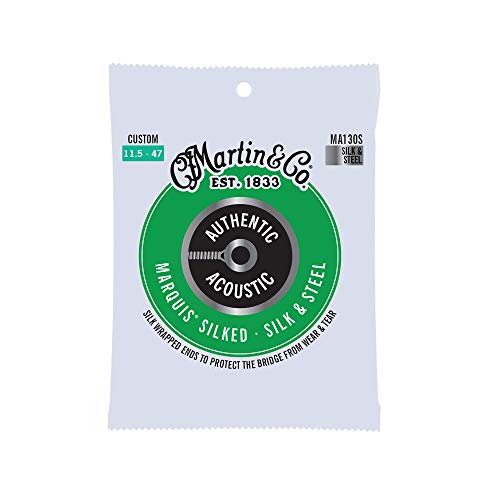
Martin Authentic Acoustic Marquis Silked Silk & Steel Strings

D’Addario EJ14 80/20 Bluegrass Acoustic Strings

Ernie Ball Earthwood 5-String Banjo Strings, 9-20

Martin Retro MTR13 Bluegrass-Gauge Monel Strings

Martin Authentic Acoustic Superior Performance Medium 12.5-55
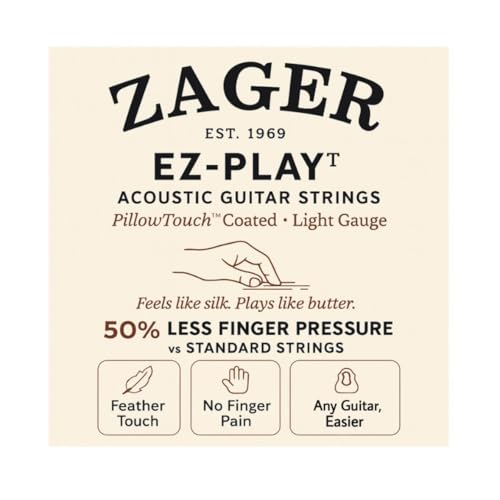
Zager Easy Play Acoustic Guitar Strings

GHS Vintage Bronze Bluegrass Gauge Strings (12-56)
More On The Choices That Made The List
Silk and steel construction pairs a steel core with silk and metal windings, which drops string tension noticeably compared with standard acoustic sets. That softer pull is why fingerstyle players and anyone revisiting the guitar after a break tend to gravitate here.
The custom gauge set (.0115 to .047) lands between extra light and custom light, giving you easy fretting without losing all tonal body. Owners commonly mention the smooth silk wrap at the bridge end as a nice touch for protecting the saddle area during aggressive strumming.
Strengths Worth Knowing
- Lower tension means less finger fatigue during long practice sessions
- Mellow, vintage-leaning tone suits parlor guitars and old-time repertoire
- Smooth silk wrap helps reduce wear where strings meet the bridge
- Custom gauge balances playability with surprising low-end warmth
Small Caveats
- Reduced tension can cause intonation drift on some guitars until the setup is adjusted
- Projection falls short of bronze sets like the D’Addario EJ14 when you need volume over a loud jam
Who Will Love This
Fingerstyle players, vintage-guitar owners, and returning players whose fingertips need a gentler start.
A Better Fit Elsewhere
Loud flatpickers chasing punch should reach for the D’Addario EJ14 instead, since its brighter 80/20 wrap projects far harder in group settings.
This set carries the name honestly: 80/20 bronze windings over a hexagonal high-carbon steel core, built for the bold, crisp sound bluegrass demands. The alloy itself dates back decades, originally developed alongside well-known guitar makers, and it still delivers that glassy top end people associate with classic recordings.
In practice, you get strong projection from the first strum, which matters most at jams where banjos and mandolins compete for space. Available gauges run from extra light 10-47 up through light 11-52, so you can dial in feel. One honest note: 80/20 bronze tends to lose its sparkle faster than coated or monel alternatives.
Reasons It Performs
- Precision winding over a hex core keeps intonation consistent along the neck
- Bright attack cuts through a full bluegrass ensemble without EQ tricks
- Multiple gauge options let you match tension to your picking style
Points To Note
- Uncoated bronze oxidizes relatively quickly, especially with sweaty hands, so expect more frequent changes than coated sets
Right Fit For
Flatpickers and rhythm players who restring regularly and want maximum brightness per dollar.
Where A Sibling Pick Shines
Players tired of frequent swaps will get far more life from the Martin Retro MTR13’s corrosion-resistant monel build.
Every bluegrass guitarist eventually ends up near a banjo, and this Ernie Ball set covers that side of the jam. The gauges (.009.011.013.020w.009) follow the standard five-string layout, with a wound fourth string for proper bass response.
Construction mirrors the brand’s popular acoustic formula: an 80/20 copper-zinc wrap over hex-shaped tin-plated steel cores, with tin-plated plain strings. All five are loop-end, which is what banjo tailpieces require, so no adapters or improvising. Players commonly describe the result as crisp and ringing, with pleasing overtones that suit Scruggs-style rolls. Keep spares handy, though, since light-gauge plain strings are the first thing to snap at a campfire session.
Practical Advantages
- Loop-end design fits standard banjo tailpieces directly
- Same 80/20 alloy family as trusted acoustic sets, so tone matches your guitar’s brightness
- Light gauges make fast three-finger rolls effortless
Honest Caveats
- Thin .009 plain strings are fragile and prone to breaking under heavy attack
- Uncoated winds will darken with regular playing, as with any bare bronze set
Made For
Guitarists doubling on banjo at jams and clawhammer or Scruggs players wanting bright, snappy response.
Consider Something Else When
For six-string work, the GHS Vintage Bronze set offers a warmer, fuller option better suited to rhythm guitar duties.
Monel, a nickel-copper alloy, behaves differently from bronze: it softens pick attack and lets the guitar’s tonewoods come forward instead of the string dominating the sound. That’s exactly why these are associated with flatpicking legend Tony Rice, whose signature tone was famously wood-first.
The practical payoff is longevity. Martin builds these around a naturally corrosion-resistant material, so they hold their voice far longer than bare bronze sets like the D’Addario EJ14. In our view, that makes them the smart choice for gigging players who can’t restring every week. The trade-off is character rather than flash: expect a warm, rounded, slightly dark presentation that some players find less exciting out of the pack but deeply satisfying over months of use.
Standout Benefits
- Corrosion-resistant alloy dramatically extends usable string life
- Softened attack reveals your guitar’s natural voice and sustain
- Consistent tone from day one through month three
- Bluegrass gauge supports confident, aggressive flatpicking
Things To Weigh
- Warmer, less sparkling sound may disappoint players who love fresh-bronze zing
- You may find the muted initial impression takes a few sessions to appreciate
Who Should Grab It
Working musicians and recording players who prioritize tonal consistency and long intervals between changes.
Swap It Out When
Players wanting immediate brightness for casual weekend jams will prefer the punchier D’Addario EJ14.
Phosphor bronze, an alloy of copper with a small phosphor addition, resists corrosion better than plain 80/20 and warms up the midrange. Martin’s take uses premium wrap wire over a core designed for stability, aimed at players who practice and perform hard.
The 12.5-55 medium gauge sits right where bluegrass rhythm lives: enough mass for driving bass runs, not so heavy that barre chords become a chore. Compared with the Retro MTR13 in this list, this set is brighter and more immediate, closer to traditional Martin voice. Owners frequently highlight how well it holds tune through temperature swings at outdoor shows. The honest caveat is that mediums demand more finger strength than lights, which newer players may find tiring.
A Strong Showing
- Medium gauge delivers full, driving bass for rhythm-heavy bluegrass
- Tuning stability holds up through rigorous practice and performance schedules
- Phosphor bronze wrap offers a balanced, true tone across the register
Worth Noting
- Heavier tension asks more of fingers, hands, and older instruments
- Some guitars with light bracing respond better to lighter gauges
Key Specs
Who It Suits Best
Intermediate and advanced rhythm players on dreadnoughts who want dependable, full-bodied tone night after night.
Reach For A Different Pick When
Fingerstyle players needing lower tension will be happier with the Martin Marquis Silk & Steel set reviewed earlier.
Not every player chasing bluegrass tone has calloused fingertips yet, and that’s the gap Zager targets. These strings use a patented soft-metal core with an ultra-smooth coating that reportedly needs considerably less finger pressure than conventional sets, which translates directly into longer, less painful practice sessions.
They’re marketed as fitting standard acoustic bridges on major brands including Martin, Taylor, Yamaha, Fender, and Gibson, so installation is a normal restring job. The coating also guards against rust, a real advantage for players in humid climates who watch bare strings corrode in weeks. Tone lands on the warm, rich side rather than bright. For seasoned flatpickers chasing cutting projection, that’s a compromise; for beginners building endurance, it’s a fair trade.
Noteworthy Benefits
- Reduced required finger pressure eases soreness and fatigue
- Anti-rust coating extends life in humid environments
- Smooth surface feels comfortable under fast position shifts
- Warm, rich tone flatters vocal accompaniment
Less Ideal Details
- Coated strings generally cost more per set than bare bronze alternatives
- Softer feel comes with slightly less bite than uncoated sets
Whose Shelf It Belongs On
New players, returning players, and anyone with hand sensitivity who still wants genuine acoustic tone.
Another Choice May Suit
Experienced players wanting raw brightness and lower cost per set should stick with the D’Addario EJ14.
GHS built this set around an 85/15 copper-zinc alloy over a hex core, an old-school recipe tuned for a richer blend of warmth and vibrancy than brighter 80/20 wire. The 12-56 bluegrass gauging gives you a chunky bottom end suited to old-time rhythm and Carter-style playing.
The core-to-wrap ratio is deliberately designed, according to the maker, to yield that fuller mix rather than a single dominant frequency band. Singles ship in Nitro-Pack sealing to arrive factory-fresh, which matters because aged stock is a common complaint with budget string lines. Versus the Martin Superior Performance set above, these lean warmer and darker. Expect the usual bronze behavior: great first weeks, gradual dulling after.
Bright Spots
- 85/15 alloy produces a warm yet vibrant blended tone
- Heavy 12-56 gauge anchors drop-thumb and boom-chuck rhythm styles
- Nitro-Pack sealed singles help ensure fresh strings out of the box
- Generally positioned as an affordable option for frequent changers
Potential Sticking Points
- Thick bass strings challenge smaller hands and shorter-scale guitars
- Bare bronze winds will darken steadily with regular play, as widely reported for this alloy type
Feature Snapshot
Best Suited To
Traditional and old-time players on dreadnoughts who favor warmth and don’t mind changing strings often.
Look Elsewhere When
Players wanting extended string life between changes should step up to the Martin Retro MTR13’s monel construction.
What Matters Most Before Choosing Bluegrass Guitar Strings
Match The Alloy To Your Sound Goal
Alloy choice shapes everything downstream. 80/20 bronze rings bright and loud out of the packet but fades quickly, while phosphor bronze trades a little sparkle for warmth and slower corrosion. Monel sits furthest toward warmth and longevity, letting your guitar’s wood lead. Decide whether you want excitement on day one or consistency by week eight before comparing brands.
Gauge Decides Feel More Than Tone
Lighter gauges bend easier and suit fingerstyle, but bluegrass rhythm benefits from the mass of 12s and up for driving bass notes. Heavier sets also stress older or lightly built instruments, so check your guitar’s tolerances. A middle path like 11-52 covers most jam-night duties comfortably.
Think About Your Change Cycle
Honest self-assessment saves money. Restring weekly anyway? Uncoated bronze gives peak tone cheaply. Months between changes? Coated or monel sets pay for themselves. Sweaty hands and humid climates accelerate corrosion on everything bare, pushing those players toward protective coatings regardless of budget.
Key Considerations Across These Picks
Traps First Timers Fall Into
The most common slip is buying pure tone on day one and ignoring lifespan, then wondering why strings sound dead in ten days. Another is matching gauge to a famous player instead of your own guitar and hands. Check your instrument’s setup tolerance before jumping to heavy gauges.
The Case For Spending Up
Premium sets earn their price through materials and consistency: monel alloys, tighter winding tolerances, and fresher packaging all extend usable life. Heavy players recoup the difference within a couple of change cycles, while occasional players may never notice.
Frequently Asked Questions
What gauge do most bluegrass guitarists use?
Most settle between light (12-54) and medium (13-56) for rhythm authority. Fingerstyle-leaning players often drop to 11s for comfort.
How often should bluegrass strings be changed?
Bare bronze sets typically need changing every two to four weeks with regular playing. Coated and monel options can stretch several times longer.
Are 80/20 or phosphor bronze strings better for bluegrass?
80/20 delivers the bright, cutting attack traditional recordings showcase. Phosphor bronze suits players wanting warmth and slower tonal decay.
Can I use banjo strings on my guitar?
No, banjo sets like loop-end five-string packs won’t fit standard guitar bridges and tuners. Each instrument needs its own string format.
Do heavier strings damage an acoustic guitar?
Within a manufacturer’s recommended range, heavier gauges are safe on most instruments. Very old or lightly braced guitars deserve a tech’s opinion first.
Wrap Up
Your ideal set depends on how you play and how often you restring. Bright and immediate points to the D’Addario EJ14, longevity points to the Martin Retro MTR13, and comfort points to the Marquis Silk & Steel or the Zager set. Start with the profile that matches your hands, give the strings a few sessions to settle, and adjust from there.
