
Regular sewing thread gives up fast when you push a needle through leather, canvas, or vinyl. Bonded nylon threads solve that with a light adhesive coating that stops fraying and adds tensile strength, which is why upholstery shops and gear repairers rely on them daily. This roundup covers seven spools worth a spot in your kit, from a budget-friendly T70 workhorse to heavier T135 options for industrial machines. Whether you mend boat covers, stitch wallets, or reupholster furniture, there’s a match here for your project list.
A Snapshot Of The Selections
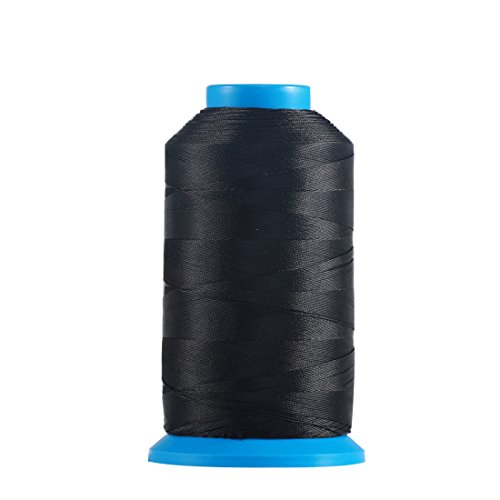
YOKER Bonded Nylon Sewing Thread Size 69 T70 (Black)

YOKER Bonded Nylon Sewing Thread Size 69 T70 (White)

ANMINY Bonded Nylon Thread N66 #138 T135
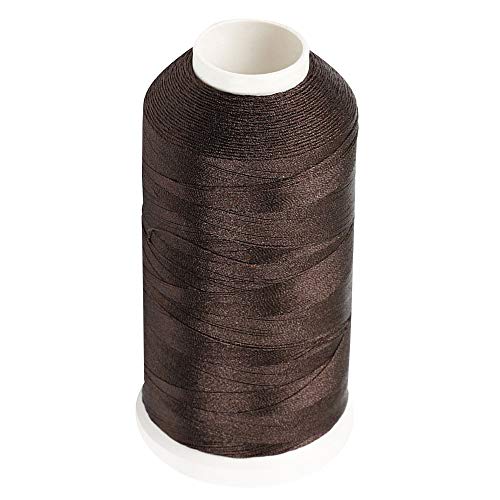
ANMINY Bonded Nylon Thread N66 #138 T135

ANMINY Bonded Nylon Thread N66 #138 T135

ANMINY Bonded Nylon Thread N66 #138 T135

T70 #69 Bonded Nylon Thread 1500 Yard 2-Pack
More On The Choices That Made The List
Size 69, also written T70 or 210D/3, is the sweet-spot weight for most heavy-fabric work: strong enough for seams that take abuse, yet slim enough to run through many home machines without constant tension fiddling. This black YOKER spool carries 1500 yards, which translates into a long stretch of wallet, shoe, and bag repairs before you need a refill.
The bonded coating matters more than people expect. It keeps the twist from unraveling under friction, so stitches stay tight in high-wear spots like handbag handles and denim reinforcement patches.
The Value In It
- 1500 yards means fewer mid-project refills than typical hobby spools
- Bonded finish resists fraying at the needle, so threading stays quick
- Black hides itself in dark leatherwork and canvas repairs
- Works across embroidery machines, home sewists, and hand-stitching
- Size 69 suits both delicate vinyl and thick canvas layers
Things To Consider
- Thick layers may need a larger needle eye to avoid shredding the filament
- Nylon holds some memory from the spool, so slack can appear until the thread relaxes
Key Specs
Who Should Grab It
Home sewists and small-shop makers who want one dependable black spool for bags, shoes, and canvas without overspending.
Where A Sibling Pick Shines
Anyone needing lighter-colored stitching on outdoor gear will get better camouflage from the white YOKER T70 spool reviewed next.
Same spec sheet as the black version above, different job. White thread disappears against sunbrella awnings, sailcloth, tent panels, and pale canvas, where a black stitch line would look like a scar. For anyone maintaining patio furniture or boat covers season after season, this is the color that earns its keep.
You still get the full 1500-yard spool at size 69 T70, so coverage matches the black listing exactly. Owners commonly report the bonded coating keeps the strand smooth through machine tension discs, which cuts down on skipped stitches during long outdoor-gear sessions.
What It Does Well
- White blends cleanly into light canvas, sails, and drapery work
- Identical 1500-yard length to its black sibling
- Holds up in damp outdoor settings thanks to nylon’s low water absorption
Worth Noting
- White shows dirt and grime transfer faster on frequently handled items like tool rolls
Right Fit For
Garden and marine DIYers repairing tents, awnings, and light-colored upholstery who need strength plus an invisible stitch line.
Swap It Out When
Dark fabric projects call for the black YOKER T70 instead, since white thread would stand out sharply against navy or brown materials.
This is where the list steps up a weight class. Size 138, labeled T135 or 420D/3, is roughly twice the thickness of the T70 spools above, built for seams that carry real load: sofa corners, horse tack, heavy luggage straps. The material is nylon 66, a grade known for higher heat tolerance and lower stretch than standard nylon 6.
The trade-off is machine compatibility. Most domestic machines will struggle with this gauge, so it belongs on an industrial or walking-foot setup. In that environment, owners commonly report clean, even stitching through multiple leather layers.
Real-World Strengths
- Nylon 66 construction offers high tensile strength with minimal give
- Handles elevated temperatures better than lighter nylon grades
- Water resistance makes it suitable for outdoor and marine seams
- 700 yards at 4.9 oz reflects a dense, substantial spool
Potential Sticking Points
- Too thick for most household sewing machines without modification
- Half the yardage of the YOKER spools, so heavy users restock sooner
- Oversized stitches look out of place on thin garments or linings
Feature Snapshot
Who It Suits Best
Professional upholsterers and leatherworkers running industrial machines who need maximum seam strength over subtlety.
Consider Something Else When
Standard home-machine users will find the JIAKAI T70 two-pack far easier to feed and better matched to domestic equipment.
Another entry in ANMINY’s #138 lineup, differing only in the available colorway rather than construction. That’s actually useful information: if your workshop cycles through several material shades, matching spools from the same manufacturer keeps stitch appearance consistent across a whole furniture set or product run.
Specs carry over unchanged, so expect the same 700-yard, 4.9 oz spool of bonded nylon 66. The bonding agent does double duty here, reducing friction heat at the needle and keeping multi-directional stitches from loosening over time, which matters on items that flex constantly like recliner mechanisms and pet harnesses.
Notable Gains
- Consistent quality across the ANMINY range simplifies color matching
- Bonded coating reduces needle friction during long runs
- Low-stretch behavior keeps tension settings stable
Small Limitations
- Requires an industrial-class machine, limiting casual use
- Storing spools away from direct sunlight preserves nylon strength over time
- Single-spool packaging means no bulk savings for frequent users
Core Details
Built With In Mind
Semi-professional workshops doing regular furniture, tack, or gear repair on walking-foot machines.
Reach For A Different Pick When
Occasional menders working on a home machine should step down to the YOKER T70 black spool, which feeds through lighter-duty setups without complaint.
Same trusted N66 formula, another shade option for the toolbox. Luggage repair is arguably this thread’s best stage: suitcase handles, zipper tape edges, and corner guards all take repeated stress, and a T135 seam shrugs off loads that would pop a standard polyester stitch within weeks of travel.
The honest read is that this listing exists mainly to expand color choice. Nothing about the fiber, coating, or yardage differs from picks three and four, so your decision here comes down purely to which shade matches the gear you fix most often.
Advantages To Know
- Strength-to-thickness ratio suits handle and strap reinforcement
- Resists moisture, useful for gear exposed to rain and humidity
- Bonded surface feeds smoothly through heavy-duty tension systems
Where It May Fall Short
- No advantage over sibling ANMINY listings beyond color selection
- Overkill for clothing alterations and lightweight crafts
- Coated thread can feel slightly stiff in hand-sewing applications
The Right Fit
Frequent travelers and repair hobbyists restoring luggage, backpacks, and tactical gear on capable machines.
Another Choice May Suit
Budget-conscious shoppers wanting two colors at once will prefer the JIAKAI two-pack, which pairs black and white T70 spools in one purchase.
The final ANMINY variant rounds out the color range while keeping every mechanical property intact. Mixed-material projects benefit most here: think canvas-and-leather duffels, vinyl-and-fabric car seat repairs, or awning panels stitched against webbing straps. One thread that grips all those surfaces simplifies the supply shelf considerably.
Nylon’s slight elasticity, modest compared to polyester, actually helps in these hybrid builds by absorbing stress at the junction of dissimilar fabrics. You may find the thicker gauge demands slower machine speeds at first, especially around tight corners.
Everyday Perks
- Performs across leather, vinyl, canvas, and synthetic webbing alike
- High strength with low shrinkage keeps finished seams dimensionally stable
- Heat resistance supports high-speed industrial stitching
- 700 yards covers a full furniture recovery project comfortably
Details To Watch
- Domestic machines generally lack the power and clearance for this gauge
- Thread stored near heaters may dry out and weaken over seasons
Quick Facts
Whose Shelf It Belongs On
Makers juggling varied materials in one workshop who value a single heavy thread that works everywhere.
Not Your Match When
Lightweight garment sewists should skip this entirely and stay with the YOKER T70 white spool for finer, less visible stitching.
Two spools, two essential colors, one order. This JIAKAI set bundles a black and a white 1500-yard spool at size 69 T70, covering roughly ninety percent of everyday repair color needs right out of the box. For someone building a first serious mending kit, that’s a smarter start than committing to a single shade.
The filament is drawn from high-tensile, low-shrinkage yarn, so seams stay put after washing or weather exposure. Compared with the single-color YOKER listings, you sacrifice nothing in yardage and gain flexibility, though brand consistency differs slightly between manufacturers.
What Helps Most
- Black and white pairing handles most fabric colors immediately
- 3000 combined yards at T70 weight lasts a home workshop years
- Low-shrinkage yarn keeps stitch lines flat after laundering
- Feeds through many home machines better than T135 alternatives
- Suited to car mats, purses, wallets, and general canvas work
A Few Limitations
- Only two colors offered, so specialty shades require other listings
- Not rated for the heaviest industrial seam loads like T135 options
At A Glance
Who Will Love This
Beginners and household menders who want dependable heavy thread in the two most useful colors without buying separately.
Look Elsewhere When
Industrial users needing structural-grade thickness will be better served by any of the ANMINY N66 T135 spools covered earlier.
What Matters Most Before Choosing Bonded Nylon Thread
Match The Weight To The Machine
Thread size numbers climb with thickness: T70 (#69) is the versatile middle ground, while T135 (#138) demands an industrial or walking-foot machine. Feeding oversized thread through a domestic machine leads to shredded filament, broken needles, and frustration. Check your machine’s manual for maximum thread recommendations before ordering anything heavier than T70.
Understand What Bonding Does
Bonded thread carries a thin resin coating that locks the twisted filaments together. In practice, that means less fuzz at the needle eye, fewer breakages under tension, and seams that resist unraveling when cut. Unbonded nylon costs less but frays quickly in high-friction applications like footwear and luggage handles.
Think About Fiber Grade And Environment
Nylon 66 offers greater heat resistance and lower stretch than standard nylon 6, a real advantage for high-speed industrial sewing. Both grades absorb little water, making them suitable for outdoor gear, though prolonged UV exposure degrades any nylon over time. Store spools in a drawer, away from sunlight and heat sources.
Buy Length Strategically
A 1500-yard T70 spool represents months of weekend repairs, while 700 yards of T135 goes further than it sounds because each stitch uses thicker strand. Frequent users save by choosing multi-spoon packs; occasional menders waste money on bulk they’ll never finish before the thread ages.
Key Considerations Across These Picks
Traps First Timers Fall Into
The classic error is buying T135 for a home sewing machine. Another common slip: ignoring color until the project is half done, then discovering black thread on tan canvas. Order the shade alongside the spool, not after.
The Case For Spending Up
Higher-tier nylon 66 thread costs more because of fiber grade, tighter twist control, and consistent bonding. For professional upholstery or items bearing human weight, that consistency prevents seam failure. Casual crafters rarely notice the difference and do well with budget T70.
Frequently Asked Questions
Can bonded nylon thread be used in a regular home sewing machine?
Size 69 (T70) usually works in sturdy domestic machines with a large-eye needle and adjusted tension. Sizes above that, such as T135, generally require industrial equipment.
What does “bonded” mean on a nylon thread label?
It refers to a light resin coating applied to hold the twisted fibers together. The coating reduces fraying, improves abrasion resistance, and helps the thread glide through fabric.
Is nylon thread suitable for outdoor projects?
Yes, nylon resists moisture and mildew well, which suits tents, awnings, and boat covers. Extended sunlight exposure will eventually weaken it, so shaded storage helps.
How much area does a 1500-yard spool cover?
Roughly speaking, a T70 stitch line consumes about eight yards per foot of seam depending on stitch length. A 1500-yard spool typically handles dozens of medium repair jobs.
Does nylon thread stretch?
It has slight natural elasticity, less than polyester but more than cotton. That mild give helps seams absorb stress without snapping, particularly on flexible items like bags.
Closing Remarks
Your best choice comes down to machine capability and project weight. Home menders should start with the JIAKAI two-pack or either YOKER T70 spool, while workshop owners with industrial equipment get real value from the ANMINY T135 range. Match the gauge to the gear, pick your color deliberately, and these spools will quietly outlast whatever you stitch them into.
