
Strapless tops that slump, corset seams that ripple, hat brims that wilt by lunchtime. The fix is usually the same: a length of boning stitched where the fabric needs a spine. This guide walks through seven rolls of polyester and cotton-covered boning suited to lingerie makers, bridal seamstresses, cosplayers, and anyone hemming a structured garment at home. Each entry covers width, yardage, sewability, and the honest trade-offs so you can match the roll to the project instead of guessing.
A Side-By-Side Look

Sntieecr 1/2 Inch x 25 Yard White Polyester Boning

NYKKOLA 50 Yards Polyester Boning 6mm White
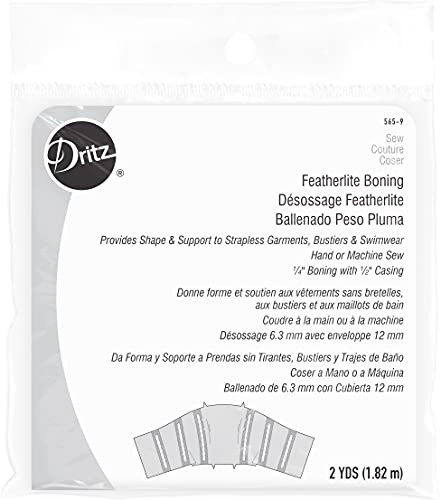
Dritz 565-9 Featherlite Boning, White, 2-Yards

GUGULUZA Polyester Boning 50yd 1/4″ Sew-Through

PH PandaHall Cotton Covered Boning 12 Yards 10mm White

PH PandaHall Cotton Covered Boning 12 Yards 10mm Black

NYKKOLA 25 Yards Polyester Boning 6mm White
The Strengths Of Each Pick
The half-inch width is the story here. Narrow boning disappears inside casings on delicate bodices, while this wider profile gives real structure to strapless dresses, corsets, and even hat brims where a flimsy edge ruins the silhouette.
It’s low-density polyester, meaning it bends with the body rather than fighting it, and you can stitch it straight onto fabric without building a separate casing first. For someone learning garment structure, that saves a whole step.
Where It Helps
- Sew-through design skips the casing step entirely, cutting prep time on simple projects
- 25 yards covers multiple garments before you need a reorder
- Mild stiffness holds shape without feeling board-like against the skin
- Cuts cleanly with scissors to any channel length you need
Small Caveats
- White only, so dark fabrics may show it through sheer layers unless fully enclosed
- Low density means heavy corsetry may want steel stays instead
Quick Facts
Built With In Mind
Newer sewists tackling their first strapless dress or soft corset who want forgiving material and no casing construction.
A Better Fit Elsewhere
Costume makers burning through yardage will get more mileage from the NYKKOLA 50-yard roll reviewed next.
Fifty yards changes how you plan projects. A full corset might eat six to ten channels of boning, so a roll this size supports an entire wardrobe of structured pieces, cosplay builds, or a small batch of nursing caps without constant reordering.
At 6mm wide, it sits in the same narrow category as the GUGULUZA pick later in this list, which suits fine lingerie seams and bridal bodices where bulky support would show. Hand or machine stitching both work, and owners commonly report it feeds through a domestic machine without jamming when sewn slowly along both edges.
Positive Points
- Double-length roll keeps long-term projects stocked
- Narrow 6mm profile tucks into tight seam allowances
- Suitable for corsets, bridal gowns, swimwear, and caps alike
- Straightforward to snip into custom lengths mid-project
Things To Weigh Up
- Stiff polyester hand feel may need soft fabric layers over it next to skin
- White tone limits invisible use under dark sheers
- No pre-made casing, so enclosed channels require extra sewing time
Who Will Love This
Production-minded sewists, theater departments, and Etsy sellers who run structured garments through regularly and want one roll to last seasons.
Where A Sibling Pick Shines
Occasional hobbyists will find the 25-yard NYKKOLA roll at position seven easier to store and just as capable for smaller batches.
Dritz is a household name among home sewists, and this Featherlite variant earns its keep on garments that actually get laundered. The poly/cotton cover wraps a quarter-inch core in a half-inch casing, giving you a finished edge straight off the card.
The washable and dry-cleanable rating matters more than it sounds. Most bulk polyester rolls force you to spot-clean around them, while this one tolerates a normal laundry cycle in a finished dress or swimsuit cover-up. Two yards won’t build a full corset, though. Think of it as repair stock or a single-bodice quantity rather than production supply.
What Earns Its Place
- Machine washable and dry cleanable once sewn in, unlike most bare polyester rolls
- Poly/cotton cover means no extra casing fabric to cut and stitch
- Featherlite weight barely registers in lightweight summer fabrics
Honest Caveats
- Two yards limits you to repairs, straps, or one small garment section
- Higher cost per yard than bulk rolls makes large projects expensive
Feature Snapshot
The Right Fit
Menders and garment sewists who wash what they make and need a small, care-friendly quantity rather than warehouse volume.
Swap It Out When
Corset builders needing serious yardage should reach for the GUGULUZA 50-yard roll instead and add their own casing.
Where the Dritz roll trades volume for convenience, this one goes the other way: fifty yards of bare, quarter-inch polyester built for people who sew structured pieces weekly. Swimwear edges, bra cradles, and costume bodices all fall inside its comfort zone.
The narrow width is genuinely useful in lingerie work. A 6mm stay fits inside a bra wing seam allowance that would reject anything wider, and its light flexibility lets cups flex naturally instead of standing away from the body. You’ll need to create your own channels since there’s no cover, but experienced sewists usually prefer that control anyway.
Real Benefits
- Quarter-inch width slips into slim lingerie and swimwear seams
- Lightweight bend follows body movement during wear
- Works with hand or machine stitching on most domestic setups
- Fifty yards absorbs heavy project months without a restock
Points To Note
- Uncovered polyester can feel scratchy against skin until layered under fabric
- Requires casing construction, adding steps for beginners
At A Glance
Made For
Lingerie and swimwear sewists with established skills who burn through narrow boning and want bulk supply at a sensible pace.
Consider Something Else When
Beginners wanting a skip-the-casing experience will find the Sntieecr half-inch roll far less fiddly to start with.
Bridal and evening wear demand a cleaner finish than bare plastic provides, and this cotton-covered roll answers that. The fabric sleeve means you stitch it to a garment edge directly, no additional covering layer needed, and the result reads as part of the construction rather than an afterthought.
At 10mm it’s the widest option here alongside its black sibling, which translates to firmer stand in bodices, bustiers, and hat crowns. Twelve yards handles several formal pieces. One honest note: the white casing shows under dark sheers, so color choice genuinely matters with this format.
Good Reasons To Consider
- Pre-covered cotton surface gives a polished, ready-to-wear look
- Sews directly to garment edges, skipping the casing step
- Cuttable to exact lengths for curved bodice seams
- Suits theatrical costumes and structured headwear too
Softer Spots
- Twelve yards runs out faster than the 50-yard bulk rolls on big projects
- Wider profile needs roomier seam allowances than 6mm options allow
Key Specs
Whose Shelf It Belongs On
Dressmakers working in whites, creams, and pastels on wedding, prom, or stage pieces where a visible covered stay looks intentional.
Not Your Match When
Dark-fabric projects call for the black version of this same PandaHall roll, covered next.
This is the white PandaHall roll’s darker twin, and the color swap matters more than any spec sheet suggests. Black stays vanish inside navy evening gowns, gothic corsetry, and stage costumes where a pale casing would glare through every photo flash.
Everything structural carries over: 10mm width, twelve yards, machine or hand stitchable, and flexible enough to curve around waistlines. The covered construction also lets you recover it with your own outer fabric when a project demands a specific texture, which costumers tend to appreciate. Stock both colors and most formal projects are covered for years.
Where It Delivers
- Black casing stays invisible under dark and jewel-toned fabrics
- Covered design accepts an additional custom fabric wrap
- Straightforward cutting and stitching for shaped seams
- Same dependable 10mm support as its white sibling
Less Ideal Details
- Only twelve yards, so frequent users will reorder sooner than with bulk rolls
- Overkill for casual cotton projects that never show the stay
Who Should Grab It
Costume designers and evening-wear sewists working predominantly in dark palettes who need stays that disappear.
Reach For A Different Pick When
Light-colored gowns are better served by the white PandaHall roll directly above it in this list.
Halfway between the Sntieecr roll and the giant 50-yard NYKKOLA spool sits this 25-yard middle path. It carries the same narrow 6mm profile that suits corset channels, nursing caps, and bridal seams, just in a quantity a hobbyist drawer can absorb.
The stiff-but-not-rigid polyester hand gives strapless garments honest shape, and cutting custom lengths takes seconds with ordinary scissors. Storage is the quiet advantage here: a compact roll like this lives happily in a sewing box, whereas bulk spools demand shelf space many home studios don’t have.
A Few Highlights
- 25 yards balances project capacity against storage footprint
- Narrow width suits detailed corsetry and cap construction
- Hand or machine friendly across common fabric weights
Points To Note
- Heavy corset builders will exhaust it quickly and pay more per yard over time
- Bare polyester needs a casing or lining layer for skin contact
Core Details
Right Fit For
Weekend sewists and craft-fair sellers who want meaningful yardage without committing a whole shelf to boning.
Another Choice May Suit
Anyone producing structured pieces monthly should step up to the 50-yard NYKKOLA roll for better long-run value.
What Matters Before Choosing Bonings For Sewing
Width Decides Where It Can Go
Narrow 6mm boning slips into bra wings, swimwear edges, and tight corset channels. Half-inch and 10mm profiles bring more authority to bodices, hat brims, and bustiers, but they need wider seam allowances to hide properly. Measure your intended channel before ordering.
Coverage Changes Your Workflow
Bare polyester costs less per yard but demands a casing, an extra fabric tunnel you cut and stitch yourself. Cotton-covered versions arrive finished and sew straight onto garment edges, trading some economy for speed and a cleaner visible result.
Quantity Should Match Your Output
Two yards suits repairs and single bodices. Twenty-five yards covers a season of hobby projects. Fifty yards belongs to production sewing, theater shops, and anyone selling structured garments regularly. Overbuying wastes money and drawer space alike.
Care Requirements Are Easy To Miss
Most bare polyester stays tolerate only gentle handling once installed. Washable, dry-cleanable options such as the Dritz Featherlite survive full laundering cycles, which matters enormously for everyday clothing versus occasional-wear costumes.
Key Considerations Across These Picks
Traps First Timers Fall Into
The classic error is buying narrow boning for a corset, then discovering it buckles under real tension. Match width to garment weight before checkout. Another slip: forgetting that bare polyester shows through dark sheers, leaving you scrambling for a covered alternative mid-project.
When Paying More Pays Off
Pre-covered and washable options cost more per yard yet save hours of casing construction and survive the washing machine. Occasional menders benefit most from that convenience, while high-volume sewists still win with bulk bare rolls.
Frequently Asked Questions
What does “low density” boning mean?
It describes polyester stays engineered to flex with the body rather than hold rigidly. Low-density boning suits fashion garments, while rigid steel stays handle heavy corsetry.
Can boning be sewn without a casing?
Yes, sew-through styles stitch directly onto fabric or seam allowances. Bare polyester generally performs better inside a casing for comfort and a tidier finish.
How much boning does a corset need?
A typical bodice uses between eight and fourteen channels depending on panel count. At roughly two feet per channel, one corset consumes five to seven yards.
Does boning survive washing machines?
Covered, wash-rated products like the Dritz Featherlite handle normal cycles. Bare polyester rolls are better reserved for garments cleaned by hand or spot treatment.
Which width works best for beginners?
Half-inch sew-through boning is the friendliest starting point because it stitches visibly and forgives uneven seams. Narrower widths reward practice.
Closing Remarks
The right roll comes down to three questions: how wide your channels are, whether you want covered or bare stays, and how many garments you actually finish each year. Casual sewists should start with the Sntieecr half-inch roll, dark-costume specialists will lean on the black PandaHall, and steady producers get their money’s worth from either 50-yard spool. Whichever you choose, measure twice and stitch slow.
