
A cracked spine or a peeling cover doesn’t have to mean the end of a favorite book. Whether you’re restoring a worn family Bible, rebinding a handmade journal, or covering your own hardbacks from scratch, the right cloth and adhesive make the difference between a repair that lasts and one that fails in a month. This roundup covers six supplies that work together as a full bookbinding setup: glue, repair tape, a press, headbands, canvas backing fabric, and a premium leather-look book cloth. Each entry explains what it does well, where it falls short, and which reader it actually fits.
The Essentials At A Glance

GleamGlee Book Binding Repair Glue

SICCOMA Matte Cloth Bookbinding Repair Tape

JUPEAN Large Book Press 14.76×11.42

Juexica Book Binding Headbands Endbands, 24 Colors
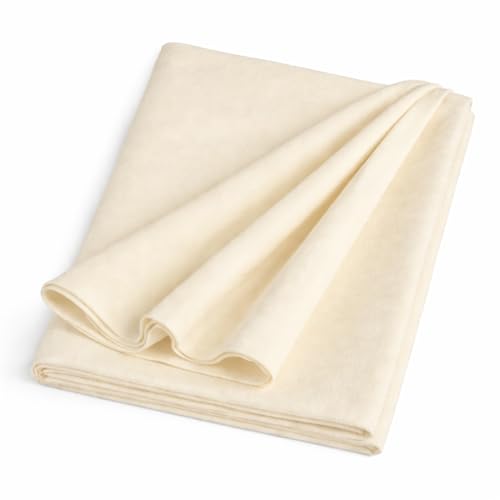
SOTISI Premium 10oz Cotton Duck Canvas Fabric 62” Wide

Wooqu PU Leather Book Cloth, Goat Grain
Meet The Standout Selections
Every binding project starts with an adhesive, and this is the one to keep within arm’s reach. GleamGlee’s formula is built specifically for paper and book work, setting into a bond that stays flexible once cured. That flexibility matters more than raw strength here: a rigid glue line cracks every time a spine flexes open.
The clear drying is the detail most restorers care about. On a repaired hinge or a reattached page block, you don’t want a visible white line showing through thin paper. One application is designed to hold permanently, so you’re not layering coats and waiting between them.
A Few Strong Suits
- Dries clear, so repairs stay invisible on light-colored pages and endpapers
- Flexible cured bond moves with the spine instead of cracking at the hinge
- Single-application hold means less mess and faster turnaround on repairs
- Suits books, journals, and general paper crafts alike
Things To Consider
- Liquid glue takes patience near delicate pages; excess can wrinkle thin stock if you over-apply
- You’ll still need tape or cloth for structural cover work, since adhesive alone won’t rebuild a spine
Who It Suits Best
Home restorers fixing loose hinges and detached spines on everyday reading copies will get the most from this bottle.
Where A Sibling Pick Shines
For torn covers needing instant reinforcement without drying time, the SICCOMA matte cloth tape below handles the job faster.
Where the GleamGlee glue needs curing time, this tape works the moment it touches down. SICCOMA builds it from a durable woven fiber with a matte, non-reflective face, which keeps repaired spines looking like part of the original cover rather than a shiny patch. The black shade blends naturally with most older bindings.
Each roll runs two inches wide by thirty-three feet long, enough to reback dozens of paperbacks or reinforce every hinge in a small library. The fiber construction also resists water and heat, useful traits for books that live on shelves near sunny windows.
Key Advantages
- Tears cleanly by hand, so no scissors or blade needed mid-repair
- Strong adhesive grips aged boards and buckram without lifting at the edges
- Matte finish avoids the glossy band that gives away cheap tape repairs
- Water and abrasion resistance helps repaired volumes survive daily handling
- Removes without leaving residue behind, handy for temporary reinforcements
Small Caveats
- Black only, which limits matching options on lighter cloth covers
- Owners commonly report the adhesive sets fast, so positioning must happen quickly
- A visible tape edge remains noticeable up close on fine bindings
At A Glance
Made For
Anyone rescuing well-loved paperbacks and antique finds who wants a fast, no-fuss fix rather than a full rebind.
Swap It Out When
Collectors restoring valuable leather-bound volumes should reach for the Wooqu goat grain book cloth instead, since its premium finish suits heirloom work better.
Glue and tape do the bonding, but even pressure is what makes a repair look professional. A book press, for anyone new to the craft, is simply two flat boards that clamp a book while adhesive cures, keeping pages compressed and covers square. JUPEAN sizes this one generously at roughly 14.76 by 11.42 inches.
That footprint accommodates finished books up to about 12.2 inches long and 9 inches wide, which covers most hardcovers and large-format sketchbooks. Rounded corners and a smooth finish mean no sharp edges digging into cloth while weight sits overnight.
Good Reasons To Consider
- Extra-large pressing area handles oversized art books and atlases smaller presses can’t
- Rounded corners protect delicate cover material during long clamping sessions
- Simple installation means you’re pressing books minutes after unboxing
- Doubles as a flattening tool for warped pages and curled covers
Honest Caveats
- Its size demands real desk or shelf space, a genuine issue in cramped apartments
- Wood surfaces benefit from a wax-paper barrier during wet glue work, a habit worth building
Feature Rundown
The Right Fit
Dedicated hobbyists producing handmade editions week after week will find this press earns its footprint quickly.
Reach For A Different Pick When
Occasional menders working on pocket-size paperbacks can skip the press entirely and pair the GleamGlee glue with the Juexica headbands for lighter-touch repairs.
Headbands are the small woven strips glued across the top and bottom of a book’s spine, hiding the gap between pages and cover while adding a finishing touch that reads as craftsmanship. Most supply kits ignore them entirely, which makes this 48-piece set from Juexica a quiet standout for anyone binding by hand.
You get two strips in each of 24 colors, each measuring about 11.8 by 0.5 inches. That length trims down for slim volumes or spans wider ones, and the cotton weave stays stable rather than fraying apart under glue.
Bright Spots
- Twenty-four colorways make matching any cover cloth straightforward
- Tightly woven medium-weight cotton resists fraying, breaking, and fading over years on the shelf
- Generous 48-piece quantity supports many projects before restocking
- Strips trim easily to width, adapting to both slim notebooks and chunky tomes
Points To Note
- Pre-made strips skip the traditional hand-sewn look purists expect on fine bindings
- Storing them flat matters; creased strips show their fold line once glued in place
Built With In Mind
Journal makers and beginner binders assembling their first handmade editions will appreciate how much polish these add for minimal effort.
Another Choice May Suit
Crafters prioritizing heavy-duty cover material over decorative details will get more mileage from the SOTISI duck canvas reviewed next.
Traditional book cloth is essentially fabric backed with paper, and duck canvas serves beautifully as the raw material for DIY versions. SOTISI cuts theirs from 100 percent cotton at a 10-ounce weight, which translates to a dense, sturdy weave that takes paste and glue without puckering. At 62 inches wide, one yard goes a very long way across multiple spines and covers.
The natural undyed tone suits minimalist journal covers directly, and it accepts dye, paint, or screen printing when you want color. Compared with the Wooqu leather-look sheet below, this is the workhorse option: less refined, far more versatile.
Standout Benefits
- Heavy 10oz weave stands up to repeated handling on frequently opened books
- Extra-wide 62-inch cut lets you back several covers from a single yard
- Plain cotton surface takes custom dyeing, stamping, or painting cleanly
- Works beyond binding as bag linings, aprons, and craft backings
Trade Offs To Consider
- Natural cotton shrinks somewhat after first washing, so pre-wash before precise cover work
- Unfinished edges fray along the cut line until sealed or hemmed
Core Details
Who Will Love This
Makers who want full creative control over cover texture and color, especially those already comfortable with paste-and-cloth techniques.
Look Elsewhere When
Anyone wanting a finished, ready-to-apply cover material straight off the roll should choose the Wooqu PU leather book cloth, which needs no backing step.
This is the upgrade pick of the group. Wooqu ships a single rolled sheet of polyurethane-coated book cloth, 17 by 29 inches, in a brown goat-grain texture. The polyurethane coating sits on a non-woven base, giving the sheet a soft hand feel with enough body to wrap corners crisply around board edges.
The standout trick is its thermosensitive surface: heat debossing darkens the coating, so stamped titles and logos appear in richer contrast without foil. Because it arrives rolled on a tube rather than folded, there are no creases to fight during application.
The Upside
- Heat-reactive coating produces striking debossed titles with simple tools
- Goat-grain texture reads as premium at a fraction of genuine leather cost
- Tube-rolled delivery means a smooth, crease-free working surface
- Softer and more flexible than many coated fabrics, easing corner wrapping
Less Ideal Details
- One sheet limits you to smaller books or a single large cover project
- Coated surfaces can scuff with rough handling, so finished books deserve gentle shelving
Quick Facts
Whose Shelf It Belongs On
Binders producing wedding albums, portfolios, and gift editions will find this sheet transforms the perceived quality of the finished piece.
Not Your Match When
Bulk production runs and practice projects suit the SOTISI canvas better, since its larger yardage absorbs experimentation costs.
What Matters Before You Buy
Match The Material To The Project
Repair work and new binding demand different supplies. A torn paperback spine calls for self-adhesive tape, while a from-scratch hardcover needs cloth, backing, headbands, and a press. Decide which job dominates before spending, because a full kit overwhelms a simple mend and a tape roll can’t build a cover.
Weight And Weave Carry The Result
Fabric weight, measured in ounces per square yard, determines durability. Lighter cloths wrap corners easily but wear faster; heavier weaves like the 10oz canvas above survive daily opening. For books handled often, lean heavier.
Adhesive Compatibility Is Silent But Critical
Not every glue bonds well to coated surfaces. Natural cotton accepts standard PVA-style adhesives readily, while polyurethane coatings may need contact cement or specific bookbinders’ glue. Check compatibility before committing to a full cover.
Tools Multiply Your Results
Even modest equipment changes outcomes. A press like the JUPEAN model ensures flat, square cures, and pre-made headbands hide structural seams. Budget a little beyond the cloth itself and your finished pieces will look noticeably more professional.
Key Considerations Across These Picks
Traps First Timers Fall Into
The commonest error is buying decorative cloth before securing a compatible adhesive, then discovering the glue won’t grip the coating. Another frequent misstep is skipping the press: glue applied without even clamping pressure often cures lumpy and lifts at the edges. Measure your largest intended book first, then confirm the cloth or sheet dimensions cover it with margin.
Where The Extra Money Goes
Premium materials earn their cost through finish and behavior. Coated book cloths deboss cleanly, resist scuffing, and arrive crease-free, while heavyweight cottons hold shape through years of handling. Basic supplies handle practice and rough utility books fine; reserve the higher tier for pieces meant to impress or endure.
Frequently Asked Questions
What exactly are book binding cloths?
They’re fabrics, sometimes paper-backed or polymer-coated, used to cover and strengthen book spines and boards. They provide durability while taking glue, embossing, and decoration well.
Can regular fabric replace dedicated book cloth?
Yes, provided you back it with paper or use it with a strong flexible adhesive. Unbacked fabric stretches and puckers, so preparation matters more than the fabric choice itself.
How much cloth does one average hardcover need?
A typical octavo-sized book needs roughly a half-yard strip for the spine plus side panels. Buying by the yard, as the SOTISI option allows, usually covers several volumes.
Do I need a book press for home repairs?
Light repairs with tape manage fine without one. Any project involving wet glue benefits enormously from sustained even pressure while the adhesive cures overnight.
Is PU leather book cloth durable for everyday use?
It handles normal reading and shelving well but scuffs more readily than woven cotton under abrasion. Treat it as a finish material for special editions rather than workshop manuals.
Closing Remarks
Start with the job in front of you. A quick mend needs nothing more than the GleamGlee glue or the SICCOMA tape, while a handmade edition deserves the full treatment: JUPEAN’s press, Juexica’s headbands, and either rugged canvas or Wooqu’s refined leather-look sheet for the cover. Mix and match across this list as your projects grow, and each repair will come out a little cleaner than the last.
