
Loose stacks of paper are where good work goes to look unfinished. A book binding machine fixes that in minutes, whether you’re assembling training manuals at a front desk, student portfolios in a classroom, or pitch decks before a client meeting. The six options below cover every realistic workload, from a lightweight manual punch that lives on a shelf to thermal and coil systems built for daily volume. Each one earns its spot through specific strengths, and each carries honest trade-offs worth knowing before you commit desk space to it.
A Fast Comparison Of The Options

Fellowes Helios 60 Thermal Binding Machine
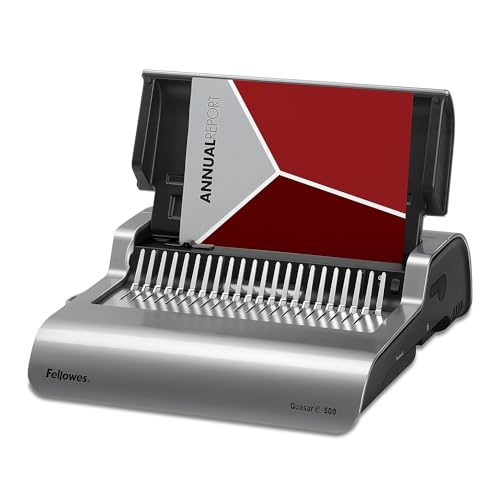
Fellowes Quasar 500 Electric Comb Binding Machine
Fellowes Star+ Comb Binding Machine 15-Sheet Punch

FLKQC 21 Hole Comb Binding Machine with 100PCS Spines

RAYSON TD-132 3:1 Wire Binding Machine

TruBind Coil Binding Machine with Electric Inserter
The Strengths Of Each Pick
Thermal binding glues pages into a spine cover using heat, which gives finished reports the cleanest, most professional look of any method here. The Helios 60 automates most of that process: it senses document thickness and runs the correct cycle without guesswork, finishing in roughly one to three minutes after a short warm-up.
In a busy office preparing board packets or training manuals, that automation matters more than raw speed. A heat shield barrier keeps fingers away from the hot plate, a sensible safeguard when several people share one machine.
The Value In It
- Senses stack thickness automatically, so settings adjust themselves per job
- Binds up to 600 sheets in one pass, enough for full manuals or year-end reports
- Heat shield reduces burn risk during back-to-back use
- Fast cycle times keep large batches moving through a shared workspace
Points To Note
- You must keep thermal covers stocked, an ongoing supply cost comb machines avoid
- The heating plate needs cool-down time between very heavy sessions, so plan around it
Key Specs
Who It Suits Best
Corporate admins and office managers producing polished, high-volume bound documents will get the most from this machine’s automation.
A Better Fit Elsewhere
Shoppers who want reusable, editable documents should look at the Fellowes Quasar 500 instead, since comb spines open flat and can be re-punched.
Where the Helios 60 trades in glue and heat, the Quasar 500 sticks to comb binding, the method where plastic spines snap into punched holes and still open flat for editing. Its headline feature is the electric touch punch: one press drives through up to 20 sheets at a time, no hand-cranking required.
That difference adds up fast in a classroom churning out student portfolios or curriculum planners all semester. Teachers commonly report this is the kind of workload a manual punch makes painful, and the included starter kit means you can bind your first documents the day it arrives.
Reasons It Performs
- Electric punching handles 20 sheets per press, saving serious wrist strain over long sessions
- Comb spines let you add or remove pages later, ideal for living documents
- Starter kit included, so no separate spine purchase before first use
- Heavy-duty build suits constant school-year demand rather than occasional jobs
Honest Caveats
- It needs outlet access, which limits where you can set it up in a shared room
- Comb-bound work looks functional more than polished next to thermal or wire finishes
Made For
Educators and training coordinators binding thick, frequently revised documents week after week.
Reach For A Different Pick When
Budget-limited classrooms with lighter weekly volume will find the Fellowes Star+ covers the same comb format at a lower commitment.
This is the entry point of the Fellowes line, and it behaves like one in the best sense. The Star+ is a compact, fully manual comb binder that punches up to 15 sheets per lever pull, with a smooth mechanical action that first-time users tend to pick up within a few minutes.
For turning loose worksheets into reading logs or take-home packets, that capacity is genuinely adequate. You won’t race through a 300-page binder in one sitting, but small daily jobs feel effortless, and there’s nothing electrical to fail or plug in.
Notable Gains
- Manual operation means no power cord, no motor noise, and fewer parts to break
- Compact footprint tucks into a cabinet or classroom shelf between uses
- 15-sheet punch is plenty for typical worksheet and packet prep
- Simple lever-and-comb workflow is easy to learn on day one
Small Limitations
- Thick stacks require multiple punch passes, which slows large jobs noticeably
- Light-duty construction isn’t designed for sustained all-day production runs
The Right Fit
New teachers, homeschooling parents, and home-office users with modest weekly binding needs.
Swap It Out When
Anyone punching hundreds of sheets daily should step up to the electric Fellowes Quasar 500 and spare their hands the repetition.
At roughly six pounds, this is the easiest machine here to move around, and the center handle on its baseboard lets you carry it one-handed between desks or rooms. For a small office or a shared classroom cart, that portability is the whole argument.
The bundled pack of 100 plastic combs in the popular 3/8-inch size deserves attention too. Most budget binders arrive empty, so having a starter supply on hand removes one more errand. The honest read is that this is a starter tool: capable for light jobs, less suited to marathon sessions than the Fellowes units above.
Well-Handled Touches
- Lightweight body with a carry grip makes relocation genuinely effortless
- 100 included 3/8-inch combs cover dozens of standard documents out of the box
- Standard 21-hole pattern accepts widely available comb spines everywhere
Things To Consider
- Lightweight frames generally flex more under pressure, so expect slower progress on dense stacks
- No electric assist anywhere, meaning repetitive hand punching on bigger jobs
Quick Facts
Who Should Grab It
Students, hobbyists, and small offices testing whether binding fits their routine before spending more.
Another Choice May Suit
Users wanting a sturdier long-term manual option will prefer the metal-built RAYSON TD-132 with its cleaner wire finish.
Wire binding, sometimes called twin-loop, crimps metal loops through punched holes for a finish that lies perfectly flat and looks sharper than plastic combs. The TD-132 works on a 3:1 pitch, meaning three holes per inch, and accepts not just wire spines but also compatible coil and click spines, which widens your material options considerably.
Punching tops out at 12 sheets per pass and binding at 120, sized for letter-format proposals, resumes, and client deliverables. Compared with the FLKQC’s plastic-comb output, the results read noticeably more professional, though you’ll trade away some sheet capacity to get it.
The Practical Payoff
- Metal wire spines give documents a crisp, client-ready appearance
- Accepts 3:1 wire, coil, and click spines for flexible finishing choices
- Compact footprint suits a corner of a desk or a shared supply shelf
Trade Offs
- 120-sheet bind ceiling limits very thick manuscripts
- Wire spines cannot be reopened once crimped, unlike comb bindings
Whose Shelf It Belongs On
Freelancers, consultants, and small firms presenting polished letter-size documents to clients regularly.
Not Your Match When
High-volume coil users needing adjustable margins and bigger capacity should move to the TruBind below.
The TruBind splits the labor smartly: you punch manually, then an electric inserter spins the coil through the holes for you, which is the tedious half of coil binding done by motor instead of thumb. Punch capacity sits at 20 sheets, while binding reaches up to 440 sheets by hand or 190 with the electric insert.
What separates it from everything earlier on this list is control. Depth margins adjust across three settings, side margin alignment keeps holes square regardless of paper size, and 46 fully disengageable dies let you skip individual pins for custom paper formats.
Useful Strengths
- Electric coil inserter removes the slowest, most fiddly part of coil binding
- 46 disengageable dies support odd paper sizes beyond plain letter sheets
- Adjustable depth margins protect page strength on both thin and thick books
- Coil bindings spin 360 degrees and lie flat, handy for cookbooks and manuals
Details To Watch
- Electric insertion caps out around 190 sheets, so very thick jobs fall back to manual crimping
- More adjustment points mean a slightly longer learning curve than simpler comb machines
Core Details
Right Fit For
Small print operations, churches, and schools producing mixed-size coil-bound materials in steady weekly volume.
Consider Something Else When
Offices chasing the sleekest report finish will get better presentation value from the Fellowes Helios 60’s thermal spines.
What Matters Before Choosing Book Binding Machines
Match The Method To Your Output
The four main methods behave differently in daily ownership. Thermal produces the most polished result but locks pages permanently and requires consumable covers. Comb spines reopen for editing, wire looks sharpest but closes permanently, and coil spins a full 360 degrees for lay-flat use like cookbooks or flip charts. Decide what your finished documents need to do before comparing machines.
Punch Capacity Drives Everything
The number of sheets a machine punches per pass determines how painful large jobs feel. Fifteen sheets per pull handles classroom packets comfortably; twenty or more keeps an office moving. Manual punching fatigues hands over long sessions, which is why electric punches and inserters earn their premium in busy environments.
Volume Reality Check
Be honest about weekly output. Light-duty machines struggle when pushed past occasional use, while heavy-duty units waste money sitting idle. A teacher binding weekly packets and a print shop running daily orders need fundamentally different builds.
Key Considerations Across These Picks
Traps First Timers Fall Into
The most common misstep is buying on bind capacity alone while ignoring punch capacity, since punching is where the real time goes. Shoppers also forget consumables: thermal covers, combs, wire, and coils are recurring costs that add up over a year of regular use.
When Paying More Pays Off
Higher-tier models justify cost through automation and durability. An electric punch or coil inserter saves meaningful labor across hundreds of documents, and heavier internal mechanisms resist the wear that lighter frames develop under constant use. Frequent users recover the difference quickly; occasional users rarely do.
Frequently Asked Questions
How many sheets can these binding machines handle?
Punch capacities range from 12 to 20 sheets per pass across this list. Bind capacities run higher, topping out at 600 sheets on the Fellowes Helios 60.
Can I remove and re-edit pages after binding?
Comb binding lets you reopen spines and edit freely, making it the flexible choice. Thermal and wire bindings close permanently, so edits mean rebinding.
Do binding machines require electricity?
Only some do. The Fellowes Star+, FLKQC, and RAYSON TD-132 operate fully by hand, while electric punches and inserters need an outlet nearby.
What supplies will I need to buy separately?
You’ll need matching spines: plastic combs, twin-loop wire, coils, or thermal covers depending on your machine. The FLKQC includes 100 combs, and the Fellowes Quasar 500 ships with a starter kit.
Which binding style looks most professional?
Thermal binding delivers the cleanest book-like finish for reports and proposals. Twin-loop wire comes close, while comb and coil prioritize function and flexibility over polish.
Closing Thoughts
Every machine here solves the same problem differently. Match the Fellowes Helios 60 to polished corporate output, the Quasar 500 to classroom volume, and the Star+ or FLKQC to lighter, budget-conscious routines. The RAYSON TD-132 serves client-facing polish on a compact frame, while the TruBind rewards anyone running varied, medium-volume coil work. Choose based on your actual weekly workload rather than the biggest spec sheet, and any of these six will keep your documents looking finished.
