
A split spine or a cover peeling away from the pages doesn’t mean a book is finished. The right tape brings worn paperbacks, family bibles, and library hardcovers back into daily rotation without looking like a patch job. This roundup covers seven book binding tapes across cloth, clear, and archival styles, so you can match the repair to the book instead of forcing one roll to do everything.
The Picks In Brief

SICCOMA Cloth Bookbinding Repair Tape 2 Inch x 33 Feet (White)

SICCOMA Matte Book Repair Tape 2 Inch x 33 Feet (Black)

SICCOMA Matte Book Repair Tape 3 Inch x 33 Feet (Black)

Scotch Book Tape, 4 in x 540 in

XFasten Book Binding Repair Tape, Black, 2-Inch by 15-Yard
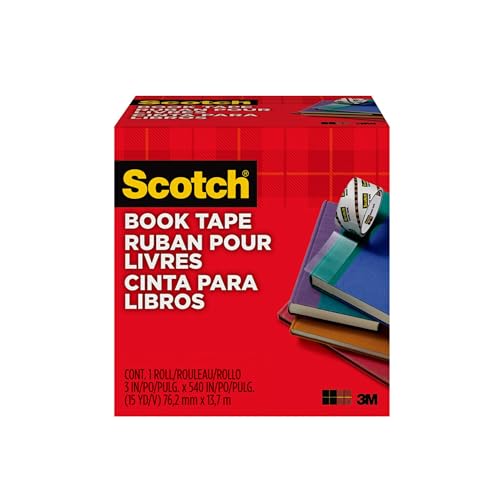
Scotch Book Tape, 3 in x 540 in

TSSART Clear Book Repair Tape 1 Inch x 108 FT
A Deeper Look At The Lineup
White cloth tape is the quiet workhorse of home book repair, and this two-inch roll is sized for standard spines and hinge work. The non-reflective matte surface matters more than most people expect: glossy tape catches light on a shelf and announces every mend from across the room.
The fiber-backed construction tears cleanly by hand, so no scissors or blade hover near fragile pages. For a shelf of cream or pastel hardcovers, that low-sheen white finish tends to disappear into the cover rather than sit on top of it.
Everyday Advantages
- Matte finish avoids the shiny stripe effect on pale covers.
- Two-inch width suits most adult hardcover spines in one strip.
- Strong adhesive grips aged board and buckram-style cloth.
- Tears by hand for quick, tool-free repairs at a desk or kitchen table.
Things To Consider
- White shows grime faster than black; wipe hands before handling.
- Adhesive is permanent, so alignment on the first pass counts.
Key Specs
Who It Suits Best
Households restoring light-covered cookbooks, hymnals, and children’s hardcovers want exactly this combination of color, width, and hand-tearable handling.
A Better Fit Elsewhere
Anyone working on dark spines should reach for the SICCOMA Matte Book Repair Tape in black instead, since white edging on a navy or charcoal cover stands out badly.
This is the same cloth construction as the white version above, just dressed for dark books. Most older paperbacks and library bindings are black, navy, or deep green, so a matte black roll matches more shelves than any other single color you can own.
In practice, that makes it the easiest starting point for a first repair kit. You get the same hand-tearable fiber backing and strong-hold adhesive, with none of the color-matching anxiety that comes from putting pale tape on a midnight-blue spine.
Benefits That Matter
- Blends into black and dark blue bindings almost invisibly.
- Fiber backing resists abrasion where books rub against each other on a shelf.
- Self-adhesive application needs no glue, brush, or drying time.
Small Caveats
- One 33-foot roll runs out quickly in a classroom or shared-office setting.
- Like most pressure-sensitive tapes, edges can lift over years of heavy handling; burnish firmly during application.
The Right Fit
Casual readers patching worn paperbacks at home will find this roll covers the majority of everyday repairs without fuss.
Where A Sibling Pick Shines
Oversized atlases, ledgers, and thick textbooks need the wider three-inch SICCOMA Matte Book Repair Tape, which spans broad spines in one strip instead of two overlapping ones.
An extra inch of width sounds trivial until you face a two-pound textbook with a four-inch spine. On jobs like that, the two-inch rolls in this list force an overlap seam, and seams are where repairs eventually fail. The three-inch cut spans big bindings in one continuous piece.
Everything else carries over from its siblings: matte non-reflective surface, cloth fiber body, strong adhesive, clean hand tearing. Compared directly with the two-inch black roll, the only real trade-off is precision, since wide tape is less forgiving on narrow paperback spines.
Real Benefits
- Single-strip coverage eliminates weak overlap seams on large books.
- Water-resistant surface shrugs off spills and humid storage.
- Heat resistance suits books kept near radiators or in warm attics.
- No residue left behind when repositioning during application.
Potential Drawbacks
- Overkill for slim paperbacks; trimming wastes tape and invites crooked lines.
- Wider strips demand a steady hand and a straight first placement.
Feature Snapshot
Built With In Mind
Students, teachers, and office managers repairing heavy reference volumes and bound reports get the most from this width.
Swap It Out When
Delicate heirlooms deserve the acid-free XFasten Book Binding Repair Tape instead, because long-term paper safety outweighs raw holding power there.
Scotch built its reputation on adhesives, and this four-inch clear book tape shows why librarians have trusted the name for decades. Because the film is transparent, titles and cover art stay readable underneath, which no cloth tape in this lineup can offer.
The intended job goes beyond mending: it reinforces and protects whole surfaces. Wrapping a dust jacket or covering a softbound workbook edge to edge is realistic here, something the narrower cloth rolls simply cannot do. The conformable film bends around corners and spine curves without fighting back.
Why It Works Well
- Clear film preserves printed titles and artwork.
- Four-inch width handles full-cover lamination tasks.
- Conforms to curved spines, corners, and jacket folds.
- Permanent adhesive keeps repaired materials in circulation longer.
Honest Caveats
- Glossy plastic look reads as utilitarian next to matte cloth finishes.
- Application bubbles are common for beginners; work slowly from the center outward.
Quick Facts
Made For
School librarians and teachers protecting high-circulation paperbacks and magazines will put this roll to work immediately.
Not Your Match When
Narrow hinge-only repairs suit the TSSART Clear Book Repair Tape better, whose one-inch strip places adhesive precisely without covering artwork unnecessarily.
Here’s the term worth knowing: acid-free means the adhesive contains no acids that slowly yellow and embrittle paper over decades. For a ten-dollar cookbook, that detail is irrelevant. For a grandmother’s bible or a first edition, it changes everything, and this is the only roll in the lineup built around it.
XFasten backs that claim with a linen hinging construction rated to survive thousands of page turns, plus an adhesive formulated not to ooze or dry out in humid conditions. The smooth black surface sits flush against hardbound covers, so a repaired spine still looks like a spine.
Well-Handled Touches
- Acid-free, archival-safe adhesive protects valuable pages long term.
- Linen backing exceeds the tensile strength of many original book covers.
- Adhesive resists degrading in humidity and temperature swings.
- Smooth finish matches hardbound cover materials convincingly.
Points To Note
- 15 yards is roughly half the length of the SICCOMA rolls, so heavy users go through it faster.
- Archival-grade tape costs more per foot than basic cloth options.
Core Details
Whose Shelf It Belongs On
Collectors, genealogists, and anyone restoring family bibles or leather-bound keepsakes should treat this as the default choice.
Consider Something Else When
High-volume school repairs favor the Scotch Book Tape 3-inch roll, which offers far more footage at a friendlier cost per repair.
This is the four-inch Scotch trimmed down to a three-inch cut, and that small change shifts its personality. Three inches still covers most large-format spines comfortably, yet it wastes less material on mid-size books where the wider roll overhangs the edges.
You keep the same transparent film, the same permanent adhesive, and the same conformability around corners and page blocks. In a busy classroom or front office, where twenty books need attention before lunch, that predictable performance is what people actually pay for.
Features That Help
- Three-inch width balances coverage and economy on mixed collections.
- Permanent hold extends how long repaired books stay usable.
- Transparent film leaves text and illustrations untouched visually.
Less Ideal Details
- Still too wide for narrow mass-market paperback spines.
- Owners commonly report needing a sharp blade for clean cuts through the thicker film.
Right Fit For
Office administrators and middle-school teachers juggling textbooks, binders, and reference copies will appreciate the middle-ground width.
Reach For A Different Pick When
Full dust-jacket protection calls for the four-inch Scotch Book Tape, which covers larger panels in fewer passes.
Most book damage lives along the hinge and the outer page edges, and those zones need a narrow strip, not a slab. At one inch wide with a stretchable body, this TSSART roll hugs a curved spine exactly where placed, then holds that line without wrinkling.
The 36-yard length is the other headline: triple the footage of the cloth rolls means fewer repurchases across a year of mending. Compared with the Scotch films above, it gives up some stiffness and body, but for paperback edge reinforcement that flexibility works in your favor.
Notable Upsides
- Stretchable film conforms tightly to curved spine geometry.
- 108 feet of tape outlasts several shorter rolls combined.
- Clear finish keeps repaired edges discreet on any cover color.
- Self-adhesive application suits quick fixes between tasks.
A Few Limitations
- Thin film offers less structural support than cloth-backed options.
- Narrow width rules out full-spine reconstruction jobs.
Details At A Glance
Who Will Love This
Students and parents maintaining a rotating stack of paperbacks get maximum mileage per roll from this pick.
Look Elsewhere When
Valuable hardcovers needing structural hinge repair belong with the XFasten Book Binding Repair Tape, whose linen backing carries real load-bearing strength.
What Matters Before Choosing Book Binding Tapes
Match The Material To The Book
Cloth tape delivers structure and a fabric-like appearance suited to hardcovers, while clear film keeps artwork visible and flexes around curves. A paperback edge tear and a failing hardcover hinge are different problems, and they rarely share a solution. Decide what the repair must do before deciding what to buy.
Width Decides The Job
One-inch strips target hinges and page edges with precision. Two inches covers a standard adult hardcover spine in a single pass, and three to four inches handles textbooks, ledgers, and full dust jackets. Buying too narrow forces overlapping seams, which become the first point of failure under stress.
Adhesive Chemistry And Longevity
Acid-free formulations matter for anything you intend to keep for years, since acidic adhesives gradually discolor and weaken nearby paper. Standard pressure-sensitive adhesives bond aggressively and suit everyday reading copies. Humidity and heat also affect longevity, so storage conditions deserve honest thought.
Volume Versus Precision
Casual home menders use a few feet per year, making a modest roll plenty. Teachers, librarians, and office staff burn through footage fast, and a long roll at 36 yards or more prevents constant reordering. Count your annual repair volume honestly before choosing between compact and bulk formats.
Key Considerations Across These Picks
Traps First Timers Fall Into
The classic mistake is buying one generic roll and expecting it to fix everything, then wondering why clear film looks wrong on a cloth hardcover. Another common slip is ignoring width entirely and layering overlapping strips that peel apart within months. Measure the spine first, then buy accordingly.
Where The Extra Money Goes
Premium rolls like the XFasten charge more for archival-safe chemistry and laboratory-rated durability, costs that vanish against the value of a protected heirloom. Budget cloth tape spends your money on raw footage instead. Pay up for books you cannot replace; economize everywhere else.
Frequently Asked Questions
Can I use regular household tape on books?
Standard cellophane tape yellows, dries out, and often pulls cover fibers away when removed. Tapes designed for book repair use adhesives formulated to grip paper and board without degrading them.
How much tape does a typical book repair require?
A single spine mend usually consumes six to twelve inches depending on book height. Even a short 15-yard roll therefore handles dozens of standard repairs.
Is cloth tape or clear tape better for old books?
Cloth provides the structural strength aging hardcovers need at the hinge. Clear tape suits paperbacks and situations where preserving visible cover art matters most.
Will repair tape damage a dust jacket?
Quality book tapes apply cleanly and hold permanently, though removal later can lift delicate jacket coatings. Apply carefully and treat the mend as lasting rather than temporary.
How do I apply book tape without bubbles or wrinkles?
Start at the center of the repair zone and smooth outward toward both edges using firm finger pressure. Working slowly on a flat surface prevents most trapped air pockets.
Closing Remarks
Match the tape to the book and most repairs take minutes, not afternoons. Cloth rolls like the SICCOMA range handle sturdy everyday bindings, the Scotch films protect high-traffic covers, and the XFasten earns its place beside anything irreplaceable. Start with the repair in front of you, and the right roll from this list will make itself obvious.
