
Nothing ruins a summer shirt or a baby blanket faster than fabric that traps heat. Breathable cotton fabrics solve that problem, and they behave differently depending on weave, blend ratio, and finish. This roundup covers seven options for sewists, quilters, and crafters who want airflow and comfort without guessing at quality. Each entry breaks down what the material actually does in daily use, so you can match it to your next project instead of gambling on a listing photo.
Your Options, Compared

Master FAB Black Cotton Poplin Fabric by The Yard
Sedona Designz 60-Inch Cotton Blend Broadcloth (Black)

PEASUG 100% Cotton Muslin Fabric 63 Inch x 2 Yards

FFPDYBEST Candy Pink Cotton Poplin Fabric 59 Inches Wide
Barcelonetta Poly Cotton Broadcloth by The Yard (Burgundy)

Ice Fabrics Cotton Polyester Broadcloth 60-Inch White
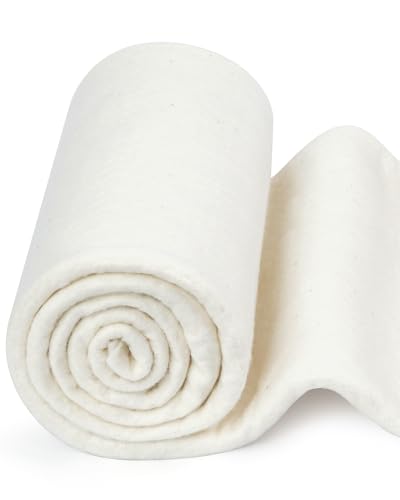
FIVEIZERO Natural Cotton Quilt Batting 47Inch x 1Yard
Taking A Closer Look At The Options
Poplin is a tightly woven plain-weave cloth with a smooth face, and this one is built entirely from combed cotton, meaning shorter fibers were removed before spinning for a finer yarn. That construction shows up where it counts: shirts, dresses, and costumes that sit against skin all day stay cooler than most blends.
The black floral print gives you a ready-made design element, which saves layout time on craft pieces. For anyone cutting shapes or sewing gifts, the washable finish means you can pre-shrink before sewing without much drama.
Reasons It Performs
- All-cotton composition keeps air moving through garments worn in warm weather
- Combed yarns give the surface a silk-like hand that presses flat easily
- The printed floral pattern works straight off the bolt for quick craft wins
- Holds color through repeated laundering, according to widely reported owner feedback
A Few Limitations
- Pure cotton wrinkles more than poly blends, so finished garments need regular ironing
- Dark prints can fade slightly over many hot washes; cold cycles help preserve them
Key Specs
Who It Suits Best
Home sewists making wearable pieces, costumes, or gift crafts want an all-natural cloth that presses crisply.
Where A Sibling Pick Shines
Shoppers who hate ironing should look at the Sedona Designz broadcloth instead, since its polyester share resists creasing far better.
This broadcloth runs 80 percent polyester with 20 percent cotton, so it trades some of pure cotton’s airflow for serious wrinkle resistance. Compared with the Master FAB poplin above, it feels smoother out of the dryer and needs far less pressing. Dress shirts, bed sheets, and slipcovers all benefit from that low-maintenance character.
The 60-inch width matters too. Wider bolts mean fewer seams on tablecloths and curtain panels, and less wasted yardage on large home decor cuts. One yard per purchase keeps small experiments affordable.
Everyday Advantages
- Polyester majority resists creasing, so garments look pressed after normal wear
- Sixty-inch width reduces seam count on wide home decor panels
- Lightweight drape suits both apparel and sheet-style bedding projects
Points To Note
- With only 20 percent cotton, airflow trails true all-cotton cloth on humid days
- Single-yard increments mean larger projects require multiple orders of separate cuts
The Right Fit
Busy households sewing uniforms, sheets, or decor value wash-and-wear convenience over maximum ventilation.
Swap It Out When
Anyone prioritizing skin-level cooling for summer clothing will get better results from the PEASUG muslin further down this list.
Muslin is the loose-weave workhorse of the sewing world, and this unbleached version comes as a two-yard cut at 63 inches wide. That extra width beats most standard 45-inch bolts, giving pattern drafters and drapers room to work without piecing. Tailors commonly use muslin for test garments, called toiles, precisely because it behaves like fashion fabric at a friendlier cost.
The natural cream tone also suits kitchen straining, backdrops, and rustic decor. You may find the open weave slightly sheer, which is exactly the point for test fits but worth knowing for finished goods.
Real-World Strengths
- Sixty-three inch width covers bodice blocks and skirt drafts in one piece
- Two-yard length handles several fitting iterations before reordering
- Open all-cotton weave lets air pass freely, ideal for warm-climate wear tests
- Neutral undyed surface takes dye, paint, or embroidery cleanly
Small Caveats
- Unbleached cloth carries a natural flecked look some finished projects won’t suit
- Expect noticeable shrinkage on first washing; prewash generously before cutting
Feature Snapshot
Best Suited To
Pattern makers, students, and budget-conscious sewists who burn through practice fabric regularly.
Reach For A Different Pick When
Finished apparel in a specific hue calls for the FFPDYBEST candy pink poplin, which offers dyed color and a finer surface.
Where the Master FAB print leans playful, this candy pink poplin reads cleaner and more polished. It’s fully combed cotton at 59 inches wide, sold in single-yard cuts, and the finish sits noticeably silkier than standard muslin. Kids’ dresses, blouses, and quilt tops all take advantage of that smooth hand.
Embroiderers tend to favor poplin because the tight weave holds stitch definition well. The same density means less see-through on light-colored garments, a real advantage over the open PEASUG muslin when modesty matters.
The Value In It
- Silkier surface than basic muslin elevates finished garments immediately
- Near-sixty-inch width fits most dress bodices and skirt panels without piecing
- Tight poplin weave supports detailed embroidery and crisp quilting lines
Things To Consider
- Bright pastel shades can show staining faster than dark colors in daily kid wear
- One-yard cuts require stacking orders for anything beyond small projects
Who Will Love This
Sewists crafting children’s clothing, spring dresses, or embroidered gifts in cheerful solid tones.
Another Choice May Suit
Projects needing a pattern rather than a solid should reach back for the Master FAB floral poplin instead.
This burgundy broadcloth splits the difference at 35 percent cotton and 65 percent polyester, landing between the Sedona Designz heavy-poly mix and true all-cotton options. In practice that ratio keeps enough natural fiber for daytime comfort while borrowing polyester’s shape retention and easy care. Tote bags, skirts, linings, and workwear all hold up well to that treatment.
The two-yard increment is friendlier than single-yard cuts for mid-size projects. Deep burgundy also hides everyday soil better than white or pastel cloth, a quiet win for bags that live hard lives.
The Good Stuff
- Cotton-poly split balances airflow with crease resistance for all-day wear
- Two-yard rolls cover tote bodies or skirt sets with fewer separate purchases
- Lightweight body suits linings where bulk would add unwanted stiffness
- Deep burgundy shade conceals marks on frequently handled items
Less Ideal Details
- Polyester majority limits cooling compared with the 100% cotton picks here
- Color availability varies by production run, so matching older yardage can be tricky
Quick Facts
Made For
Crafters producing bags, linings, and durable home textiles that see frequent washing.
Look Elsewhere When
Bedding and curtain panels in a lighter neutral suit the Ice Fabrics white broadcloth better.
White broadcloth earns its keep in bedding, curtains, and linings, and this version mirrors the Sedona Designz ratio at 80 percent polyester and 20 percent cotton. The manufacturer lists the thickness at roughly 0.19mm, thin enough to gather softly into curtain pleats yet sturdy enough for pillowcases that survive weekly laundry routines.
Fade resistance is the standout claim here. Bright whites are unforgiving about yellowing, and owners commonly report this cloth holding its tone wash after wash. Two-yard cuts help cover standard pillowcase sets in one go.
Practical Pluses
- Resists fading so bright white stays bright through repeated machine washing
- Thin profile gathers and pleats smoothly for curtains and ruffled edges
- Sixty-inch width spans standard pillowcase and duvet panel dimensions
Worth Bearing In Mind
- High polyester share means less ventilation than all-cotton sheets in hot bedrooms
- White shows every stain, so households with pets or toddlers may prefer darker cloth
Details At A Glance
Whose Shelf It Belongs On
Home decorators refreshing curtains, sheets, and lining layers in clean neutral tones.
Not Your Match When
Quilters needing loft and warmth should jump ahead to the FIVEIZERO batting, which fills that role specifically.
Every other item here is face fabric, but quilts need a middle layer, and batting is that insulating core. This one is 100 percent natural cotton, cut to 47 by 36 inches and vacuum-packed for storage. Potholders, placemats, and lap-quilt sections fit comfortably inside a single yard, and larger sizes exist for twin and king tops.
Cotton batting breathes better than polyester fill and lies flatter, which hand quilters generally appreciate. Pre-cut sizing removes trimming guesswork, though the compressed packaging means letting it relax and air out before layering.
Why It Works Well
- All-natural cotton fill allows air circulation inside finished quilts
- Pre-cut 47×36 sheet drops straight into potholder and coaster batches
- Multiple length options scale from small crafts to full-size quilt tops
- Vacuum packaging keeps unused portions compact in crowded craft rooms
Factors To Weigh
- Arrives flattened from compression and needs airing before use
- Cotton batts can shift slightly without adequate quilting density across the surface
Core Details
Right Fit For
Beginner quilters and DIYers making potholders, cushions, and seasonal quilt projects.
Consider Something Else When
Top-layer fabric for those same quilts calls for the FFPDYBEST poplin, whose tight weave pairs cleanly with batting.
What Matters Most Before Choosing Breathable Cotton Fabrics
Blend Ratio Decides Everything
The cotton-to-polyester percentage drives how a cloth feels and performs. Full cotton maximizes airflow but wrinkles readily, while an 80/20 poly-heavy mix like the Sedona Designz trades ventilation for wrinkle resistance. Decide which trade-off fits your climate and patience level before comparing anything else.
Weave And Width Shape Your Project
Poplin’s tight weave suits tailored garments, muslin’s open structure serves test fits and dyeing, and broadcloth sits between them for versatile home goods. Width matters just as much: a 63-inch muslin or 60-inch broadcloth eliminates seams that a 45-inch bolt would force.
Care Requirements Over Time
All-cotton fabrics shrink on first wash and need ironing to look sharp. Poly blends skip most of that upkeep. Prewash everything once, note the shrinkage, then cut your pattern from the settled cloth.
Match The Cloth To The End Use
Summer clothing rewards maximum cotton content. Tote bags and work aprons reward durability. Bedding rewards fade resistance. Name the finished object first, then let its demands pick the fabric.
Smart Habits For Fabric Shoppers
Traps First Timers Fall Into
Skipping the prewash is the classic error; cotton shrinks and distorts a finished garment permanently. Ordering single yards for large projects creates visible joins, so calculate total yardage upfront. Also check whether multiple quantities arrive as one continuous cut or separate packs.
What Separates Premium From Basic
Higher-tier cotton usually means combed yarns, tighter weaves, and better dye fastness. That translates to softer hand, cleaner stitching, and color that survives dozens of washes. For heirloom quilts or frequently worn garments, spending up pays off quickly.
Frequently Asked Questions
Is 100% cotton always more breathable than a blend?
Generally yes, since cotton fibers allow more air movement than polyester. A loosely woven blend can still outperform a densely woven pure cotton, though, so weave matters alongside content.
Should I wash cotton fabric before sewing?
Yes, always. Most cotton shrinks between two and five percent on first laundering, and prewashing prevents a finished garment from pulling out of shape later.
What is the difference between poplin and muslin?
Poplin uses a tight, fine weave with a smooth face suited to finished garments. Muslin weaves more openly, making it ideal for test garments, straining, and dye projects.
Can poly-cotton broadcloth be used for summer clothing?
It can, especially in lighter weights with decent cotton content. Expect slightly less cooling than pure cotton on very humid days.
Why does quilt batting arrive vacuum-packed?
Compression reduces shipping volume dramatically. Unpack it a day before use and let the fibers loft back naturally.
Bottom Line
Pick based on the finished piece, not the fabric label. Pure cotton poplins like the Master FAB and FFPDYBEST serve warm-weather garments best, while the Sedona Designz and Ice Fabrics broadcloths handle busy households that value easy care. The PEASUG muslin earns its spot as practice cloth, and the FIVEIZERO batting completes any quilting kit. Match the blend to your climate and your patience with an iron, and none of these choices will disappoint.
