
Faded brown jeans, a washed-out couch cushion, a craft project that needs depth of tone. Brown fabric dyes solve all three, and they cost less than replacing anything. This roundup walks through six options spanning liquid, powder, and synthetic-fiber formulas, so you can match the dye to your fabric instead of guessing at the shelf.
The Leading Options At A Glance

Rit Multi-Purpose Liquid Dye 8 oz 2-Pack (Dark Brown)

RIT Dye with Color Fixative

Rit All-Purpose Powder Dye, Dark Brown

Rit Liquid Fabric Dye, 8-Ounce

Rit DyeMore Synthetic Fiber Dye 7 oz Chocolate Brown
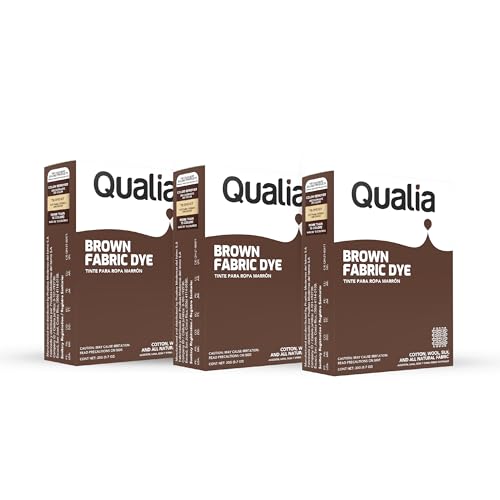
Qualia All Purpose Powder Fabric Dye Brown 3 Pack
A Breakdown Of The Leading Choices
Two 8-ounce bottles of pre-mixed dark brown is enough coverage to take on a full load of faded clothing or a set of home décor accents without rationing. Because the dye arrives already liquid, there’s no dissolving step, which matters when you’re working against a hot-water window.
The multi-purpose formula handles natural fibers like cotton and linen along with nylon blends, so a mixed laundry basket doesn’t force you to sort by fiber type first. Compared with the powder option further down this list, you’re paying a bit more per ounce for convenience.
Strengths Worth Knowing
- Two bottles give you headroom for larger batches or a second coat on stubborn fabric
- Liquid form disperses evenly in a washing machine or bucket bath
- Works across cotton, linen, wool, silk, rayon, and nylon blends
- Doubles as a dye for wood, wicker, paper, and cork craft surfaces
Things To Consider
- Fabric blends heavy on acetate, acrylic, or polyester absorb far less color than natural fibers
- You’ll want dedicated containers afterward, since residue tends to linger in porous plastic tubs
Key Specs
Who It Suits Best
Anyone refreshing several garments at once, from a stack of brown work shirts to matching throw pillow covers.
A Better Fit Elsewhere
If your wardrobe is mostly polyester activewear, the Rit DyeMore Chocolate Brown below is engineered specifically for synthetic fibers.
This bundle pairs a dye bottle of your chosen shade with Rit’s ColorStay fixative, a post-dye rinse that helps lock pigment into fibers. The fixative step is the whole point here: bleeding and fading are the two complaints that show up most often with home dyeing, especially on tie-dye projects where white sections sit right next to saturated ones.
In practice, that means a freshly dyed brown t-shirt can go through its first wash without tinting everything else in the drum. It costs more than a standalone bottle, but you’re buying insurance for the result rather than just the color itself.
Bright Spots
- Fixative reduces dye bleed during those first few washes
- Wide shade selection lets you match an existing brown precisely
- Es useful immediately after tie-dye sessions with contrasting colors
Worth Bearing In Mind
- Adds an extra rinsing stage, so plan for a longer session at the sink or machine
- Shade availability varies by listing, so confirm your brown is in stock before ordering
Made For
Tie-dye hobbyists and anyone who has watched a fresh dye job fade two washes later and wants that problem solved upfront.
Consider Something Else When
Straightforward garment refreshes don’t need the extra step, so the plain Rit liquid two-pack above keeps things simpler and cheaper.
Three 1-1/8 ounce packets of classic Rit powder is the old-school route, and it still earns its place. Each packet dissolves into a stovetop pot or machine bath and delivers deep color on nearly any fabric blend, including cotton, wool, silk, and nylon. Beyond textiles, the same solution stains wood, wicker, cork, and even paper, which makes it a quiet favorite among prop makers and décor upcyclers.
Rit also publishes hundreds of color recipes on its site, handy when pure dark brown isn’t quite the espresso or mocha tone you had in mind. You may find the dissolving step fiddly compared to liquid, but the trade-off is control over concentration.
A Strong Showing
- Three packets stretch across multiple small projects or one large batch
- Colors wood, wicker, paper, and cork alongside standard fabrics
- Concentration is adjustable packet by packet for custom depth
- Suited to creative techniques like ice dye, shibori, dip dye, and marble effects
- Manufacturer recipe library helps you dial in an exact brown shade
Small Caveats
- Powder must be fully dissolved first, or undissolved grains leave dark speckles on light fabric
- Handling dry powder means more care around spills and dust than with bottled dye
Feature Rundown
Right Fit For
Budget-conscious crafters who want maximum flexibility per dollar and don’t mind ten minutes of prep.
Not Your Match When
Speed matters most on a quick single-shirt refresh, where the pre-mixed Rit liquid 8-ounce bottle gets you dyeing faster.
This is the single-bottle version of the same all-purpose Rit formula, sold across a long roster of shades. The listing shown here carries a green variant, so check the color selector on the product page before checkout if a specific brown is what you’re after. The formula itself behaves identically to the two-pack at number one: pour, stir, soak.
For a lone pair of chinos or one faded canvas tote, one bottle is plenty, and buying a single unit avoids leftover dye sitting half-used in a cupboard. Same fiber compatibility, same versatility, smaller footprint.
Good Reasons To Consider
- No mixing or dissolving, ready straight from the bottle
- Handles cotton, linen, silk, wool, rayon, ramie, and nylon
- Single-bottle sizing suits one-off garment rescues
Points To Note
- Color variants shift by listing, so verify the exact shade offered before adding to cart
- One 8-ounce bottle may fall short on bulky items like curtains or duvet covers
Product Snapshot
Who Will Love This
Occasional dyers fixing one item at a time who value simplicity over bulk economy.
Skip It When
You’re tackling a household batch, because the Editor’s Choice two-pack delivers double the volume for repeated use.
Standard all-purpose dyes largely slide off polyester, acrylic, and acetate, and that’s exactly the gap DyeMore fills. This 7-ounce chocolate brown bottle is built for synthetics, which covers most activewear, swimwear, and budget fashion finds. A pair of plastic gloves comes in the pack, a small touch that spares your hands during the extended hot soak synthetics demand.
The process runs hotter and longer than natural-fiber dyeing, typically on a stovetop in a stainless-steel or dedicated plastic vessel. Owners commonly report strong uptake on 100% polyester once water stays near simmer, though blended fabrics take color unevenly depending on their fiber split.
What Earns Its Place
- Genuinely bonds with polyester, acrylic, and acetate where all-purpose dyes fail
- Plastic gloves included, so no separate supply run before starting
- Chocolate brown is a warm, versatile tone for athleisure and accessories
- Compatible with washing machine, plastic container, or stainless-steel pot methods
Honest Caveats
- Requires sustained high heat, usually a stovetop session rather than a quick machine cycle
- Results vary noticeably on poly-cotton blends versus pure synthetics
- Ventilation matters during long hot baths, something worth planning ahead
Quick Facts
The Right Fit
Anyone reviving polyester sportswear, costume pieces, or synthetic home textiles that came out of the wash looking tired.
Reach For A Different Pick When
Your project is cotton or linen, since the Qualia powder three-pack below is tuned for natural fibers and works at lower temperatures.
Qualia positions its ultra-concentrated powder around speed: roughly 600 grams of fabric takes on color in about half an hour, and a single box handles up to two small garments like kids’ tees. That fast turnaround lowers the stakes for a first attempt, since you’re not babysitting a pot all afternoon waiting to see whether the brown took.
Compared with the Rit powder earlier in this list, Qualia leans harder on concentration per gram rather than accessory versatility. It targets cotton, wool, silk, linen, and wood, covering the natural-fiber bases most households actually own.
Practical Pluses
- Visible color payoff within about 30 minutes of soaking
- Ultra-concentrated formula stretches one box across multiple small items
- Three boxes per purchase support several sessions or family-sized projects
- Straightforward enough for a first dye attempt with basic kitchen equipment
A Few Limitations
- Geared toward natural fibers, so polyester-heavy pieces will resist the color
- Powder handling requires thorough dissolving to avoid streaks, a common beginner stumble
Core Details
Built With In Mind
First-timers and parents refreshing children’s cotton clothes who want visible results in a single afternoon.
Where Another Pick Suits Better
Synthetic garments belong with the Rit DyeMore chocolate brown, whose chemistry is designed for polyester rather than plant and animal fibers.
What Matters Most Before Choosing Brown Fabric Dyes
Match The Dye To Your Fiber
Fiber content decides everything. Cotton, linen, wool, and silk accept all-purpose dyes readily, while polyester and acrylic need a dedicated synthetic formula like DyeMore. Check the garment tag first, then buy accordingly. Blends take color partially, often landing lighter than the bottle suggests, so test on a hidden seam or spare swatch.
Liquid Versus Powder
Liquid dye pours straight into the bath and distributes evenly, making it the low-effort choice. Powder costs less per session and lets you adjust strength packet by packet, but demands complete dissolving to prevent speckling. Busy households tend toward liquid; crafters chasing custom tones lean powder.
Volume And Project Scale
An 8-ounce bottle covers a typical garment load, while bulky items like curtains or quilts may need multiples. Buying a multipack only pays off when you genuinely have several projects queued, since opened dye degrades over time in storage.
Aftercare Planning
Freshly dyed fabric bleeds for the first few washes. Cold water, separate cycles, and optionally a fixative product protect both the new color and the rest of your laundry. Skipping this step is how good dye jobs turn disappointing.
Key Considerations Across These Picks
Wrong Turns To Avoid
The most common mistake is dyeing a synthetic garment with an all-purpose formula and wondering why nothing happened. Read the fiber label before purchasing. Second slip: skipping the swatch test, which turns a surprise shade into a ruined shirt.
The Case For Spending Up
Higher-tier bundles add gloves, fixatives, or multipack volume. That matters most for tie-dye artists and frequent dyers, where the extras prevent rework. One-off refreshers rarely need them.
Frequently Asked Questions
Can I dye fabric in my washing machine?
Yes, most liquid all-purpose dyes support machine methods using hot water. Clean the drum afterward with a hot cycle and bleach wipe to remove residue.
Why did my polyester come out barely colored?
All-purpose dyes bond poorly to synthetic fibers. Polyester, acrylic, and acetate require a specialized synthetic-fiber dye applied at sustained high heat.
How do I get a lighter or darker brown?
Shorter soak times and lower concentrations yield lighter tan shades, while longer exposure deepens the tone. Manufacturer recipe guides help you mix toward espresso or caramel targets.
Will the dye stain my sink or containers?
Porous plastic and unsealed porcelain can hold residual tint permanently. Stainless steel pots and dedicated buckets are the safer vessels.
How long does dyed fabric stay vibrant?
With cold-water washing and a fixative, color holds well through dozens of cycles. Hot water and harsh detergents accelerate fading considerably.
Closing Remarks
Brown is one of the most forgiving colors to dye with, hiding unevenness better than brights ever will. Start by reading your garment’s fiber tag, pick the formula that matches it, and run a swatch test before committing. Whether you go with the two-bottle liquid route or a concentrated powder, the difference between a great result and a mediocre one usually comes down to heat, time, and patience rather than the bottle itself.
