
Acrylic paint dries fast, and the wrong brush makes every session a fight against stiff bristles and splayed tips. Whether you paint canvases at a desk, run a classroom craft hour, or refinish furniture on weekends, the right set changes how the work feels. This shortlist covers seven options across very different needs: all-purpose artist sets, texture combs, bulk classroom packs, and wide paddle brushes for big surfaces.
The Shortlist At A Glance
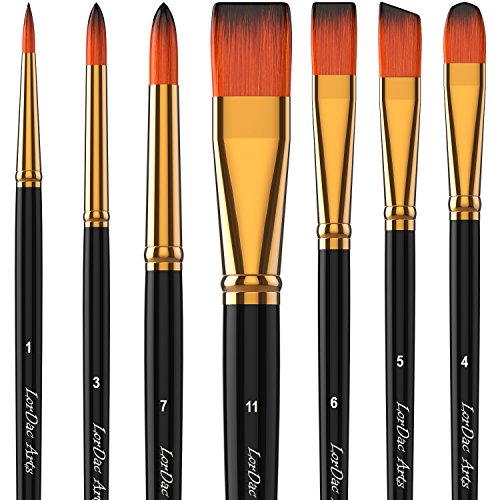
LorDac Arts 7-Piece Artist Brush Set with Carrying Case

GACDR Grainer Comb Brush Set, Filbert Design

GACDR 1 Inch Flat Paint Brushes, 12 Bulk Acrylic Brushes for Watercolor

ARTEZA Acrylic and Oil Paint Brushes, Set of 12, Synthetic Hair

ZRLEI Small Paint Brushes Bulk, 160 Pcs Flat Tip Round
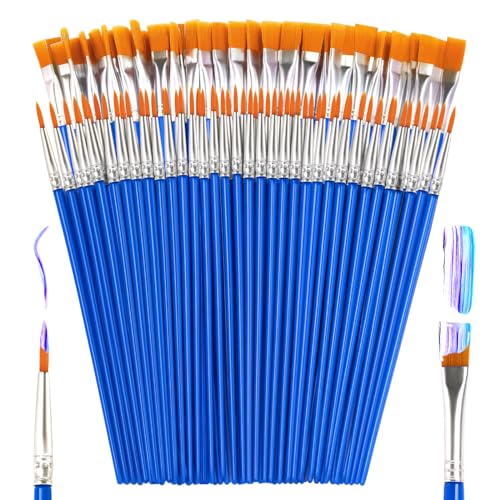
ZRLEI Small Paint Brushes Bulk, 110 Pcs Flat Tip Round

Bates- Flat Paddle Paint Brush Set, 3 Pack, 1/2/3 Inch Nylon Bristles
The Strengths Of Each Pick
The LorDac Arts kit is built around Taklon, a synthetic filament that behaves like natural hair without the upkeep. Solvents and heavy acrylic loads wear it down far slower than animal hair, so the tips hold their shape through months of canvas sessions.
Seven brushes arrive clearly labeled and packed in a zippered travel case, which makes this the easiest pick here to toss in a bag for a workshop or plein air afternoon. Beginners get a complete starter kit; experienced painters get dependable spares.
Standout Benefits
- Taklon filaments resist solvent damage and breakage, extending usable life well past natural-hair brushes.
- Shape retention means fewer splayed tips mid-stroke, so edges stay cleaner on detailed work.
- Cleans quickly with soap and water or solvents, cutting cleanup time after each session.
- Animal-product-free construction suits vegan-conscious artists.
- The carrying case keeps brushes protected between classes or studio visits.
Things To Consider
- Seven brushes cover the basics, though painters wanting fan or rigger shapes may outgrow the range.
Who It Suits Best
Mixed-media hobbyists who move between acrylic, gouache, oil, and watercolor will get the most from this flexible set.
A Better Fit Elsewhere
Canvas painters who need dedicated round, fan, and rigger shapes should look at the ARTEZA twelve-piece set instead.
A comb brush splits its bristles into parallel strands, letting one pull of the wrist lay down several lines at once. That single trait makes fur, grass blades, wood grain, and feather textures dramatically faster than dragging them in stroke by stroke.
This four-piece GACDR set spans quarter-inch through five-eighths widths in a filbert grainer profile, giving you coarse and fine texture options in Korean synthetic nylon. Unlike the general-purpose kits on this list, it solves one specific problem extremely well.
What Works In Its Favor
- Four graduated comb widths let you match strand density to subject size, from fine hair to broad grass.
- Synthetic nylon holds up to acrylic’s fast-drying film better than soft natural hair.
- Works across acrylic, watercolor, and oil, so one set serves several palettes.
- Turns tedious texture passages into quick, repeatable strokes, saving real time on wildlife and landscape pieces.
Small Caveats
- Comb tips trap dried paint between strands, so rinse promptly or the gaps clog and lose definition.
- It complements rather than replaces a standard set; you’ll still want flats and rounds nearby.
Key Specs
Right Fit For
Wildlife, landscape, and decorative painters who regularly render fur, feathers, or foliage will find this hard to put down.
Swap It Out When
Generalists building their first kit should start with the LorDac Arts seven-piece set instead and add combs later.
Twelve identical one-inch flats sounds repetitive until you realize how often a flat gets ruined: left soaking in rinse water, loaded with dried acrylic, borrowed and never returned. A dozen spares removes that anxiety entirely.
The double-crimped aluminum ferrules are the detail worth noticing here. Double crimping pinches the metal collar twice around the handle, which keeps the head from loosening after repeated wet-dry cycles, a common failure point on cheap bulk brushes.
What It Does Well
- Double-crimped ferrules resist the wobble and shedding that plague low-cost packs.
- A one-inch flat lays broad base coats yet turns on edge for surprisingly crisp lines.
- Each brush is inspected and packaged free of shed hairs and mold before shipping.
- Twelve units mean classrooms, scout groups, or family craft days never fight over supplies.
Points To Note
- One size only; pair it with a detail-oriented set such as the ZRLEI 160-piece pack for small work.
- Basic handles offer little ergonomic shaping for long painting sessions.
Feature Rundown
Made For
Craft painters, mural undercoaters, and group leaders who burn through flats faster than they can clean them.
Where Another Pick Suits Better
Artists needing varied shapes and sizes will serve their practice better with the ARTEZA twelve-shape assortment.
Where the LorDac Arts set covers seven essentials, ARTEZA doubles down on shape variety. Rounds, angles, filberts, flats, fans, riggers, and cat’s tongues appear in useful size steps, which means nearly every technique in an acrylic syllabus has a dedicated tool waiting.
A rigger, worth defining here, is a long thin brush originally used to paint ship rigging; it pulls continuous fine lines better than any other shape. Having one alongside a fan brush for blending and a cat’s tongue for controlled dabs rounds out a genuinely complete studio kit.
Practical Advantages
- Seven distinct shapes across twelve brushes eliminate piecemeal buying for core techniques.
- Synthetic hair spreads thick acrylic smoothly across canvas, panels, and cradled boards.
- The rigger handles fine linework, signatures, and branches without splaying.
- Oil compatibility adds flexibility for painters who switch mediums seasonally.
Where It May Fall Short
- No storage case is highlighted, so organization falls to your existing brush roll or jar.
- Synthetic filaments can feel springier than sable-style naturals, a texture some detail painters dislike.
Quick Facts
Best Suited To
Intermediate students and developing artists who want one serious set to grow into rather than out of.
Not Your Match When
Classroom leaders stocking dozens of cheap spares will stretch further with either ZRLEI bulk pack instead.
One hundred sixty brushes is less a purchase than a semester supply. Eighty flats and eighty pointed rounds arrive in matching sizes per style, sized for small hands working on paper, canvas boards, or face-painting stations at school fairs.
The split matters more than the raw count. Flats handle broad washes and can be turned for thin lines, while the pointed rounds reach tight corners and pull precise edges. Together they cover what a kids’ art table actually asks for.
Strong Points
- An even 80-flat, 80-round split covers both coverage and detail tasks in one box.
- Uniform sizing per style keeps lessons consistent when every child gets the same tool.
- Easy control and manageability suit younger painters still learning pressure.
- At this volume, losing or ruining brushes stops being a problem worth tracking.
Honest Caveats
- These are lightweight utility brushes; expect shorter lives than artist-grade picks under daily adult use.
- Single-size-per-style format limits technique variety compared with the ARTEZA set.
- Storing 160 brushes takes real drawer or bin space.
Whose Shelf It Belongs On
Elementary teachers, camp counselors, and parents hosting regular craft groups will empty this box fastest.
Reach For A Different Pick When
Home users who want a smaller footprint should grab the ZRLEI 110-piece version below at similar quality.
Same family, smaller box. This version trims the count to fifty-five flats and fifty-five pointed rounds, which lands closer to what a household or single classroom actually consumes in a term.
Everything said about the 160-piece sibling applies here: matched sizes within each style, easy handling for kids and students, and enough units that touch-up jobs around the house stop eating your good brushes. Face painting kits and rock-painting afternoons both fit the bill.
Everyday Wins
- Equal flat and round counts keep both coverage and detail covered without surplus.
- Small scale suits home craft drawers, dorm rooms, and travel art bags.
- Reliable performers for acrylic, watercolor, and casual canvas work alike.
Trade Offs
- Large groups will exhaust 110 brushes quickly; the 160-piece ZRLEI pack scales better.
- Utility-grade build means replacing worn tips periodically rather than restoring them.
Core Details
Who Will Love This
Budget-minded families and hobby crafters who want spare brushes everywhere without overspending.
Consider Something Else When
Teachers supplying a full class roster should step up to the ZRLEI 160-piece bulk pack for headroom.
Every list needs a workhorse, and this Bates trio plays that role. One, two, and three-inch paddle brushes with short ergonomic handles push varnish, gesso, and acrylic across furniture panels and wall patches where slim artist brushes would take forever.
Nylon bristles load heavily and release evenly, the trait that separates a smooth professional finish from streaky DIY results. The short handles also give you close-quarters control along trim and inside cabinet frames, something long-handled studio brushes handle awkwardly.
Useful Strengths
- Three graduated widths cover detail edging through broad surface coverage.
- Nylon filaments deliver smooth, even application with oils and acrylics.
- Short ergonomic handles reduce hand fatigue during long coating sessions.
- Rugged enough for varnishes and sealers, not just paint.
Factors To Consider
- Too coarse for fine canvas detail; pair with an artist set such as the LorDac Arts kit.
- Thorough cleaning after varnish use matters, as dried finish stiffens nylon bristles permanently.
Feature Snapshot
The Right Fit
Furniture flippers, mural painters, and DIY decorators coating large surfaces will reach for these constantly.
Look Elsewhere When
Detail-driven canvas artists should prioritize the GACDR grainer comb set for texture work instead.
What Matters Most Before Choosing Brushes For Acrylic Painting
Bristle Material First
Synthetic filament is the default for acrylic because the paint’s polymer binder dries hard and clings to natural hair. Taklon and nylon shed less, clean faster, and keep their snap longer. Natural-hair brushes belong mostly to watercolor work.
Match Shapes To Your Subjects
Flats and filberts carry broad strokes and blended edges, rounds handle detail, and specialty tools like riggers or comb brushes solve narrow problems. Buying shapes you never use wastes drawer space; buying too few forces compromise on every piece.
Handle Length And Ferrule Build
Long handles suit easel work at arm’s length, while short handles give control for tabletop crafts and trim. A securely crimped ferrule matters more than any marketing claim, since loose heads ruin otherwise decent brushes within weeks.
Quantity Versus Quality
Bulk packs shine for classrooms and disposable convenience. Dedicated artist sets reward careful owners with better shape retention. Honest self-assessment about how you actually paint beats any generic rule here.
Key Considerations Across These Picks
Traps First Timers Fall Into
The most common mistake is buying one “do everything” brush and watching it fail at everything. The second is leaving acrylic-loaded brushes in water overnight, which bends tips permanently. Rinse promptly, reshape the filament, and store them flat or bristle-up.
Where The Extra Money Goes
Higher-tier sets spend on filament quality, secure ferrule crimping, and balanced handle weight. That translates to sharper edges, less shedding, and years of service. Casual crafters rarely notice; anyone painting weekly absolutely will.
Frequently Asked Questions
Can one brush set handle acrylic, oil, and watercolor?
Synthetic sets like the LorDac Arts kit are designed for all three. Just avoid mixing mediums on the same brush between sessions.
How do I clean dried acrylic out of bristles?
Soak the head briefly in warm soapy water and work the paint out from the ferrule outward. Persistent residue responds to a dedicated brush cleaner.
Are bulk classroom brushes good enough for serious art?
They handle practice, underpainting, and crafts well. Finished pieces benefit from the tighter tolerances of artist-grade sets.
What does a comb or grainer brush do?
Its split bristles lay multiple parallel lines in one stroke, ideal for fur, grass, hair, and wood grain effects.
Why do my brushes splay after a few months?
Usually dried paint buildup at the ferrule forcing filaments apart. Prompt cleaning and proper drying prevent most of it.
Closing Thoughts
Your best choice depends entirely on what sits on your table. Studio painters should weigh the ARTEZA twelve-piece set, texture specialists the GACDR combs, and busy classrooms either ZRLEI bulk pack. Start honest about your habits, and any option above will earn its spot.
