
Refinishing a dresser or refreshing a tired chair sounds simple until streaks, bristle marks, and wobbly edges show up halfway through the job. The right brush changes that. This guide walks through seven solid options for chalk paint, wax, stain, and trim work, so you can match the tool to the piece you’re actually refinishing rather than guessing at the hardware aisle.
An Overview Of The Picks

Genixart Double Thick Chip Paint Brush 3 Inch

Mister Rui 2-Pack Wax Paint Brush Set Flat & Oval

Wooster Q3211-2 Shortcut Angle Sash Paintbrush 2-Inch Pack of 3
Pro Grade Angled Paint Brushes 1.5 Inch Set 3 Pc

Chalk and Wax Paint Brushes 4 Piece Set for Furniture
Genixart Double Thick Chip Paint Brush 4 Inch

Bates- Paint Brushes 6 Pack 1″, 1.5″, 2″ Angle Brushes
Inside Each Recommended Option
A chip brush like this one is the disposable workhorse of furniture refinishing: inexpensive enough to toss after a sticky oil-based stain, thick enough to carry a real load of finish. The double-thick bristle block soaks up more product per dip than a standard chip brush, which means fewer trips back to the can on a wide drawer front.
The 3-inch flat profile suits mid-size pieces such as nightstands, cabinet doors, and chair seats. Many refinishers also press these into service as paste or limewash applicators, where cleanup matters less than coverage.
The Upside
- Double-thick bristles hold extra stain, cutting down reload stops on broad panels
- Treat it as semi-disposable and glue-up jobs or shellac become stress-free
- 3-inch width balances speed and control on typical furniture faces
- Versatile enough for varnish, masonry washes, and pastes beyond wood
Honest Caveats
- Natural chip bristles commonly shed a strand or two; keep a tack cloth nearby before topcoats
- Not built for fine detail, so carved edges still need a smaller sash brush
Who It Suits Best
Weekend refinishers who go through brushes quickly and would rather replace than scrub them clean.
Where A Sibling Pick Shines
Anyone wanting reusable quality should step up to the Wooster Shortcut angle sash reviewed below.
Wax finishing lives or dies on how evenly the product goes down, and this two-piece set is shaped around exactly that problem. You get one flat brush for broad, sweeping wax coats and one oval for working product into corners, moldings, and stencil lines without globs pooling in the recesses.
The dense natural bristles are the point here: they grip soft wax instead of letting it slide off, which is what keeps a buffed finish looking smooth rather than patchy. Compared with the Genixart chip brush above, this set is meant to be cleaned and kept, not tossed.
Reasons It Performs
- Flat and oval heads split the workload between open panels and tight detailing
- Dense natural bristles load up wax for fewer dips and an even film
- Oval shape traces crisp stencil edges on decorative pieces
Things To Consider
- Wax residue clings to natural fiber, so plan on solvent cleaning and thorough drying between projects
- Only two shapes; heavy multi-coat paint jobs may want the larger four-piece set later in this list
Feature Snapshot
Made For
Craft-focused DIYers sealing chalk-painted pieces with clear or dark wax and chasing a hand-rubbed look.
Skip It When
You mainly roll latex onto large case goods; the Bates six-pack handles general paint better.
The stubby handle is what makes this brush famous. Wooster’s Shortcut design puts your fingers close to the ferrule, giving you fingertip-level control when cutting in around drawer pulls, inside cabinet frames, or along chair spindles where a full-length handle just gets in the way.
An angle sash brush carries its bristles cut at an angle, which lets the tip follow a line precisely while the body still moves plenty of paint. The synthetic blend works with latex paints and water-based stains alike, and three brushes in the pack means one stays dedicated to dark stains without cross-contamination worries.
What Earns Its Place
- Short flexible Shergrip handle adds comfort and maneuverability in cramped interiors
- Synthetic blend cleans out under water, unlike natural-fiber picks
- Brass-plated steel ferrule resists rust through repeated wash cycles
- Three-pack lets you dedicate brushes per color or finish type
Points To Note
- The compact grip takes a few strokes to get used to if you’re accustomed to long handles
- Two-inch width feels small against a full tabletop compared with the 4-inch Genixart
Quick Facts
Right Fit For
Detail-oriented refinishers tackling spindles, frames, and cut-in lines who value control over raw coverage speed.
Another Choice May Suit
For bigger flat expanses, pair this with the Pro Grade 1.5-inch trio below rather than relying on it alone.
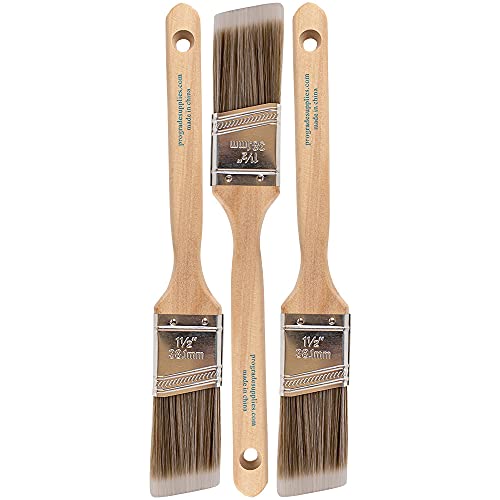
Where the Wooster wins on grip, this Pro Grade trio wins on filament capacity. The thick synthetic blend loads noticeably more paint per stroke, and owners commonly report fewer visible streaks on trim and furniture rails because the brush lays down a fuller wet edge before it runs dry.
The tapered tips narrow toward the end, which helps when feathering a touch-up along a bevel or easing paint into a routed groove. At 1.5 inches, the width sits between the Wooster’s 2-inch cut-in tool and the wider chip brushes, making it a sensible middle size for aprons, legs, and door edges.
What Pays Off
- Dense synthetic filaments carry more paint, stretching each load further
- Wooden comfort-grip handles stay steady through longer sessions
- Thinner tips sharpen precision on touch-ups and tight profiles
Softer Spots
- All three brushes share one size, so variety seekers should glance at the Bates six-pack
- Synthetic bristles can splay slightly with aggressive scrubbing during cleanup
Who Will Love This
Renters and first-time refinishers who want dependable trim brushes without committing to a pro-grade price tier.
Consider Something Else When
Chalk-paint enthusiasts will get more mileage from the four-shape MODERN ART SUPPLIES set coming next.
This is the set you buy once a furniture obsession takes hold. Four distinct shapes cover the whole chalk-paint workflow: a 2-inch oval for broad coats, a round brush for textured stippling, a pointed brush for corners and carvings, and a flat for crisp edges. Natural bristles suit both chalky paint and wax topcoats, so one kit carries a piece from primer coat to final buff.
Unlike the Mister Rui two-pack earlier, this kit scales to full makeovers where switching shapes beats washing a single brush five times per session.
Good Reasons To Consider
- Four complementary shapes eliminate mid-project brush swapping
- Compatible with popular chalk paint brands plus dark and clear waxes
- Oval head covers dresser tops and door panels quickly
- Pointed tip reaches recessed details other brushes smear past
Small Limitations
- Natural bristles need gentle soap cleaning and full air drying to avoid mildew smell in storage
- Not intended for thin latex wall paint, which can limp the fibers
Details At A Glance
Whose Shelf It Belongs On
Dedicated furniture flippers working through multiple pieces who want a complete chalk-and-wax toolkit in one purchase.
Reach For A Different Pick When
General household painting is the goal; the Bates assortment below offers broader everyday versatility.
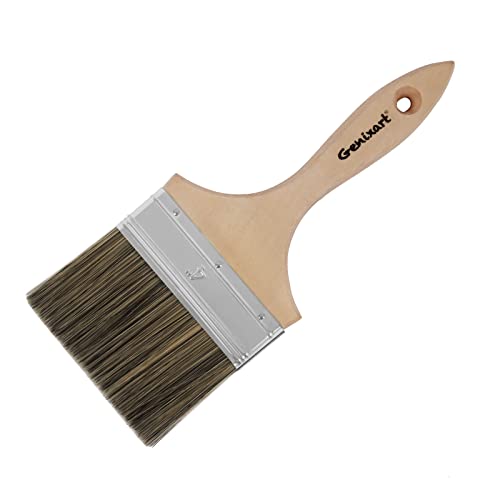
The big sibling of our first pick trades finesse for sheer coverage. That extra inch matters more than it sounds: on a dining tabletop or a fence rail, a 4-inch head cuts the number of passes roughly in half versus a 2-inch sash, and the double-thick bristle block keeps each pass loaded from start to finish.
It’s the brush you grab for varnishing a workbench, limewashing brick accents, or slapping stain onto outdoor furniture before the weather window closes. Precision isn’t its language; volume is.
Well-Handled Touches
- 4-inch span clears large surfaces in far fewer strokes
- Double-thick fill sustains heavy products like paste and limewash
- Economical enough to discard after messy oil finishes
Trade Offs
- Too wide for drawer fronts and legs; keep the Pro Grade trio handy for those
- Chip-bristle shedding is a known trait, so strain finishes before applying final coats
Core Details
Built With In Mind
DIYers staining patio sets, fences, or oversized case pieces where speed outweighs fine detail.
Look Elsewhere When
Delicate vintage restoration calls for the controlled Mister Rui oval instead.
Six angled brushes in three graduated sizes make this the closest thing to a complete furniture-painting arsenal in one box. The 1-inch pair handles spindles and hardware cutouts, the 1.5-inch pair covers aprons and trim, and the 2-inch pair takes on seat tops and panel faces. Every brush carries an angled tip for cutting clean lines into corners.
The wooden handles feel familiar in the hand, and the bristle blend accepts paints, varnishes, and stains interchangeably. In most home workshops, this pack alone covers ninety percent of routine jobs.
Everyday Perks
- Three sizes remove guesswork when matching brush to task
- Angled edges trace corners cleanly without tape in many cases
- Duplicates per size mean one dries while the other works
- Handles both water-based and oil-based finishes per the listed compatibility
Areas To Watch
- No natural-bristle option here, so wax buffs belong to the MODERN ART SUPPLIES set
- Wooden handles shouldn’t soak; prompt washing preserves the ferrule seal
Key Attributes
The Right Fit
Households stocking one reliable brush kit for furniture touch-ups, trim, and occasional craft projects alike.
Swap It Out When
Specialized wax finishing is the priority; the Mister Rui set applies it more smoothly.
What Actually Matters Before You Buy A Furniture Brush
Match Bristle Type To Finish
Natural bristles drink up thick products like chalk paint, wax, and oil stain, which is why the MODERN ART SUPPLIES and Mister Rui sets lean on them. Synthetic filaments, found in the Wooster and Pro Grade brushes, shrug off water and spring back after cleaning, making them the smarter partner for latex and water-based finishes. Using the wrong pairing shortens brush life and roughens the finish.
Size Should Follow Surface
A 4-inch Genixart flies across tabletops but turns clumsy on a spindle leg. Keep a 1-inch or 1.5-inch angle brush within reach for edges and detail, and reserve wide flats for open panels. Most successful refinishers run two sizes per project rather than forcing one brush to do everything.
Handle Shape Changes Control
Long handles suit broad strokes at arm’s length; short grips like Wooster’s Shortcut put precision literally at your fingertips. Test the posture you’ll actually paint in, crouched beside a dresser, and choose accordingly.
Disposable Versus Reusable Economics
Chip brushes cost little and save cleanup time after shellac or glue work. Quality synthetic brushes cost more upfront but survive dozens of wash cycles. Mixing both in your kit, as this list does, usually delivers the best value per finished piece.
Key Considerations Across These Picks
Traps First Timers Fall Into
New refinishers often buy one do-everything brush, then fight streaks on wax or splatter on trim. Another common slip is skipping brush prep: loose bristles left unconditioned end up embedded in the topcoat. Match bristle to finish first, then size to surface.
What Separates Premium From Basic
Higher-tier brushes spend their budget on filament density, ferrule construction, and ergonomic shaping. Those details translate directly into fewer reloads, sharper lines, and longer usable life, which pays off fastest for anyone refinishing regularly.
Frequently Asked Questions
Can one brush handle both chalk paint and wax?
Natural-bristle brushes manage both reasonably well. Dedicated brushes per product give cleaner results and easier cleanup.
How do I stop a new brush from shedding?
Work the dry bristles gently with your fingers and spin out loose strands before first use. A quick pre-conditioning rinse for natural fiber helps too.
Are angled brushes really necessary for furniture?
For legs, moldings, and corner cut-ins, yes. Flat brushes remain better suited to broad, open panels.
How should chip brushes be disposed of after oil-based finishes?
Let rags and brushes fully dry flat before disposal, following local guidelines for oily waste. Never pile solvent-soaked brushes in a closed bin.
What’s the best way to clean synthetic brushes?
Warm soapy water works for latex and water-based products, followed by reshaping the bristles and hanging them to dry. Avoid soaking wooden handles.
Bottom Line
Your best pick depends on the piece in front of you. Wide Genixart chip brushes own big surfaces, the Wooster Shortcut rules tight corners, and the four-piece chalk set anchors serious makeover work. Stocking two complementary options covers nearly every refinishing scenario. Start with the project on your bench this weekend, and let that decide.
