
Painting metal is unforgiving. Rust, old coatings, and tight corners expose every shortcut, and a flimsy brush turns a weekend project into a week of touch-ups. This roundup covers the full arc of a metal job: detail trim brushes for railings and hardware, wide chip brushes for gates and fences, a brass stripper brush for surface prep, and disposable flux brushes for flux, epoxy, and small-part work. Whether you’re restoring wrought iron or refinishing a steel door, there’s a tool here matched to that stage of the job.
Your Options, Compared

Bates- Trim Paint Brush, 3 pcs, 5/8”, 3/4” and 1”

Pro Grade 3 Inch Angled Paint Brush, Trim & Stain, 2 Pack

Genixart Double Thick Chip Paint Brush, Wood Stain Brush for Fence, 3 Inch

ALLWAY BB2 Soft-Grip Wide Brass Stripper Brush

Pro Grade Acid Brushes, 3/8 Inch Flux Brush, 72 Count
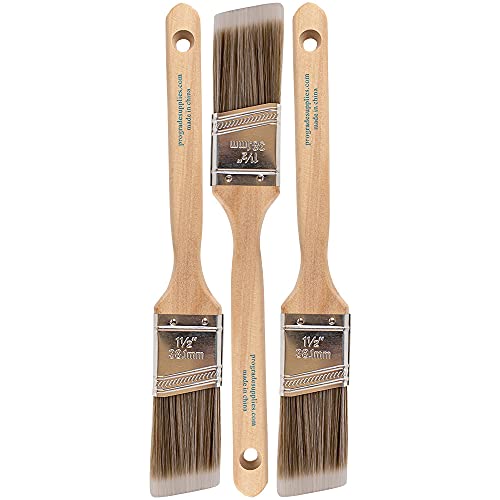
Pro Grade Angled Paint Brushes, 1.5 Inch Set for Trim, 3 Pc

Bates- Flat Paddle Paint Brush Set, 3 Pack, Nylon Bristles
A Breakdown Of The Leading Choices
Metalwork lives in the details: screw heads, scrollwork on a railing, the seam where a steel door meets its frame. That’s exactly where this three-piece Bates set earns its keep, with narrow widths of 5/8, 3/4, and 1 inch sized for controlled strokes rather than coverage.
The finely tapered bristle tips are what matter here. They let you lay a clean line of enamel along an edge without dragging onto glass or masonry, and the shaped handles stay comfortable through a long session of detail work.
Key Advantages
- Three graduated widths cover everything from hinge pins to sash edges
- Fine bristle ends lay down smooth, streak-free coats on glossy metal finishes
- Comfortable grip handles reduce hand fatigue during extended trimming sessions
- Narrow profiles reach recessed corners wider brushes simply can’t enter
Things To Consider
- Small heads mean slow progress on broad surfaces like fence panels
- Clean promptly after oil-based enamels; dried residue stiffens fine tips
Who It Suits Best
DIYers refinishing window frames, radiators, and ornamental iron who need surgical control over thin coats.
A Better Fit Elsewhere
For large flat metal panels, the Pro Grade 3 Inch Angled brush covers ground far faster than these narrow trims.
Where the Bates set above handles the fussy inches, this two-pack of 3-inch angled brushes handles the square footage. A thick synthetic filament blend soaks up more paint per dip, which translates into fewer trips back to the can and fewer visible lap marks across a steel garage door.
The angled tip is the quiet advantage. It gives you a crisp cutting edge along metal trim while the wide body still moves fast across flat stock, and the wooden comfort-grip handle keeps your hand steady overhead. One thing worth considering: at 3 inches, precision around small hardware isn’t its strength.
Why It Works Well
- Dense synthetic blend holds heavy loads of enamel or direct-to-metal paint
- Angled profile cuts clean lines along edges and corners
- Wooden comfort-grip handles feel secure during long painting sessions
- Tapered tips allow reasonable touch-up accuracy despite the wide head
Worth Noting
- Too bulky for intricate scrollwork or tight interior corners
- Synthetic filaments need thorough rinsing or they’ll mat over time
Right Fit For
Homeowners tackling big metal surfaces like doors, sheds, and fencing who want speed without sacrificing line quality.
Swap It Out When
Detailed trim around windows calls for the narrower Bates trim brushes instead; their 5/8-inch head fits where this won’t.
Chip brushes occupy a specific niche: cheap enough to toss after one messy job, sturdy enough to actually finish it. The Genixart’s double-thick 3-inch head carries that idea further, loading up extra stain or limewash so you can coat a galvanized gate or metal fence post in fewer passes.
It also pulls double duty beyond paint. Masonry sealer, varnish, even paste adhesives all sit comfortably in that wide flat head, which makes it a sensible shop staple rather than a single-task tool. The honest read is that finishing quality sits a notch below the Pro Grade brushes, but for sacrificial work that hardly matters.
The Value In It
- Double-thick bristle bed absorbs large volumes of stain or sealer
- Wide 3-inch face speeds up rough coating on posts and panels
- Low cost makes disposal after adhesive or limewash jobs painless
- Handles varnish, masonry coatings, and paste as easily as paint
Softer Spots
- Expect some bristle shed on smooth, glossy metal surfaces
- Not built for repeat use once solvent-soaked
Who Should Grab It
Weekend project painters sealing fences, posts, or utility metal where a disposable brush makes cleanup effortless.
Another Choice May Suit
For reusable everyday trim work, the Pro Grade 1.5-inch angled set below outlasts this chip brush many times over.
No paint brush helps until the surface underneath is sound, and that’s this ALLWAY’s whole job. Its wide head carries crimped brass bristles, a softer alternative to steel wire that scrubs away loose paint, rust, and scale from metal without gouging the base material.
Two design details stand out. The patented soft-grip handle keeps your palm comfortable through aggressive scrubbing, and a plastic scraper molded into the end flips the tool over for lifting residue the bristles loosened. Owners commonly report it holds up well in restoration and auto-body prep work, though brass wears faster than steel on heavily corroded surfaces.
What Earns Its Place
- Brass bristles strip rust and old coatings while staying gentler than wire
- Crimped bristle pattern spreads pressure evenly across the surface
- Built-in plastic scraper clears loosened debris in the same pass
- Soft-grip handle limits fatigue during long prep sessions
Potential Sticking Points
- Less effective than steel versions on thick, flaking rust layers
- Brass filaments bend with heavy downward pressure over time
Whose Shelf It Belongs On
Restorers and DIYers prepping wrought iron, tools, or automotive metal before priming.
Where A Sibling Pick Shines
Once the surface is clean, switch to the Pro Grade 3-inch angled brush to apply primer and topcoat efficiently.
An acid brush is a tiny natural-bristle stick used for flux in soldering, and this 72-count tub treats them as what they are: consumables. At 3/8 inch wide, each boar-hair head is sized for solder joints, epoxy dots on metal fittings, grease, and small touch-up spots where cleaning a good brush afterward would cost more than the brush itself.
The bulk format changes how you work. Dip, apply, toss, no solvent jar needed. Woodworkers and electronics hobbyists tend to burn through them quickly, which is precisely the point of buying 72 at once rather than a handful.
Useful Highlights
- Natural boar bristles carry flux, epoxy, oil, and grease without dripping
- 3/8-inch width suits solder joints and small metal hardware
- Disposable format eliminates cleanup entirely between tasks
- 72-count supply lasts months of regular workshop use
Small Caveats
- Tin ferrules can loosen once soaked in strong solvents
- Far too small for any general painting task
Made For
Hobbyists, solderers, and crafters who need precise application on small metal parts and don’t want to wash brushes afterward.
Consider Something Else When
Actual surface painting calls for the Bates paddle set below, whose nylon bristles are made for paint, not flux.
This trio sits in the sweet spot between the Bates detail brushes and the 3-inch Pro Grade pair reviewed earlier. At 1.5 inches, each angled brush is wide enough to make real progress on door edges and metal window frames yet narrow enough to keep a steady cut line against adjacent surfaces.
You get the same thick synthetic filament blend and wooden comfort-grip handle as its bigger sibling, tuned for both interior and exterior work. In our view, this is the most balanced pick here for someone doing mixed metal projects rather than one specialized job, since one brush can move from railing to frame to trim without swapping tools every ten minutes.
What Makes Sense
- Mid-size angled head balances speed and control on trim-scale metalwork
- High paint capacity means fewer reloads and smoother, streak-lighter coats
- Suitable with both interior and exterior coating products
- Three identical brushes keep spares rotating during multi-day jobs
Points To Note
- Still too wide for fine scrollwork or hardware detailing
- Identical sizes offer less flexibility than graduated sets
Best Suited To
Generalist DIYers repainting doors, frames, and fixtures who want one dependable brush size for nearly everything.
Not Your Match When
Artists working on canvas or craft pieces will prefer the Bates paddle set, designed around studio paints instead of house coatings.
Closing out the list is the most versatile entry: a three-size paddle set spanning 1, 2, and 3 inches with nylon bristles suited to oil paints, acrylics, and varnishes. Unlike the house-painting sets earlier in this roundup, these short-handled paddles come from the art-supply side of Bates’ catalog, which shows in the compact ergonomic grips.
For metal specifically, they shine on craft-scale work: painted tins, model parts, decorative trays, small sculptures. The graduated widths let you block in color with the 3-inch and refine with the 1-inch using the same familiar handle shape, something the single-size Pro Grade packs can’t offer.
Notable Upsides
- Three graduated widths handle detail work and broader fills alike
- Nylon bristles apply oil and acrylic paints smoothly and evenly
- Short ergonomic handles give close, controlled strokes on small objects
- Doubles as a varnish and sealant applicator for craft finishes
Details To Watch
- Short handles suit tabletop work better than walls or fences
- Nylon tips may splay with harsh solvents like strong lacquer thinner
Perfect Match For
Crafters and hobby artists painting small metal objects, models, and decor pieces with acrylic or oil media.
Reach For A Different Pick When
Large exterior metal surfaces call for the Genixart chip brush, which covers far more area per stroke at a lower cost.
Factors To Weigh Before Choosing Brushes For Painting Metal
Match The Bristle To The Coating
Synthetic filaments handle water-based and latex paints well because they don’t absorb water and swell. Natural bristles hold thicker oil-based enamels and varnishes more smoothly. Direct-to-metal coatings vary, so check the product label before committing a brush to it.
Size Follows Surface
Railings, hinges, and scrollwork demand narrow heads from 3/8 to 1 inch. Doors, panels, and fencing reward 3-inch widths that halve your working time. A mid-size 1.5-inch angled brush covers most household metalwork, which is why it appears twice in this list.
Don’t Skip The Prep Tool
Paint adheres only as well as the surface beneath it. A brass stripper brush removes rust and loose flakes gently, and skipping that step is the most common reason fresh coatings peel within a season. Budget for prep alongside your finishing brushes.
Reusability Versus Disposal
Quality synthetic brushes repay careful cleaning with years of service, especially with water-based paints. Disposable chip and acid brushes trade longevity for zero maintenance. Honest self-assessment matters: if you rarely clean brushes properly, disposables may serve you better.
Key Considerations Across These Picks
Where Shoppers Go Wrong
The classic error is buying one “do-everything” brush for a job with wildly different scales. A 3-inch head can’t paint a hinge, and a 3/8-inch acid brush will never coat a gate. Another slip: using steel wire aggressively on soft metals when brass would do the same job with less damage.
The Case For Spending Up
Higher-tier brushes justify their cost through denser filament blends that carry more paint per dip and spring back after hundreds of washes. For a single weekend fence job, a chip brush wins. For annual repainting of doors and trim, a durable synthetic set pays for itself within a couple of projects.
Frequently Asked Questions
Can I use a regular paint brush on metal?
Yes, as long as the bristle type matches your coating. Synthetic filaments suit water-based paints, while natural bristles perform better with oil-based enamels.
What size brush works best for metal railings?
Narrow brushes between 5/8 and 1 inch handle spindles and scrollwork cleanly. Use a wider 2 or 3-inch brush for the flat top rail.
Why use brass bristles instead of steel for rust removal?
Brass is softer than most base metals, so it strips corrosion without digging grooves into the surface underneath. Steel bristles cut faster but risk scratching softer materials.
How should I clean brushes after painting metal?
Rinse water-based paints in warm soapy water immediately after use. Oil-based coatings require mineral spirits followed by soap and water, then reshape the bristles before drying.
Are disposable chip brushes worth buying?
For stains, sealers, and adhesives on rough metal, absolutely. They save cleanup time and cost little, though they shed slightly on smooth glossy surfaces.
Wrap Up
Your project should drive the choice, not the other way around. Detail-heavy metalwork points toward the Bates trim set, broad panels favor the Pro Grade 3-inch pair, and proper prep starts with the ALLWAY brass stripper. Add the acid brushes if soldering or small repairs are part of your routine. Match the tool to the stage of the job, and the finish will show it.
