
A good stain brush does more work than people give it credit for. The wrong one sheds bristles into your finish, soaks up half a can of product, or leaves lap marks across an otherwise clean board. The right one lays stain evenly the first pass, saves your back on deck day, and cleans out without a fight. Whether you’re refreshing a fence rail or sealing a brand-new tabletop, this list covers hand brushes, wide deck applicators, and pole-ready options so you can match the tool to the job instead of forcing one brush to do it all.
Your Options, Compared

Coltree 5-Pc Flat & Angle Paintbrush Set

Pro Grade 3 Inch Angled Paint Brush, Trim & Stain (2 Pack)

Genixart Double Thick Chip Paint Brush 3 Inch

Magimate Deck Stain Applicator Huge Stain Brush 7 Inch
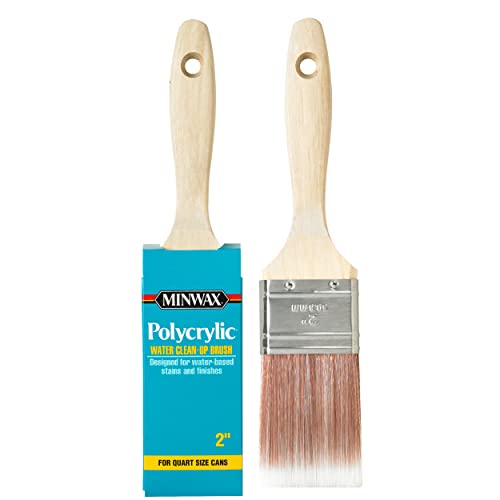
Minwax 427320008 Polycrylic Wood Stain Brush 2″, White

Mitclear Deck Stain Brush Applicator with Long Handle 59IN

Bates- Deck Stain Brush Applicator 7.5 Inch Wide
A Breakdown Of The Leading Choices
Most staining jobs never need just one brush width, and that’s exactly where this five-piece Coltree kit earns its spot. You get 1-inch and 2-inch flats alongside 1.5-inch, 2-inch, and 2.5-inch angle sash brushes, which means narrow spindles, door edges, and broad trim panels each get a properly sized tool.
The thick synthetic-style bristle load holds a generous amount of stain per dip, so you spend less time reloading and fewer streaks show up in the final coat. For anyone juggling paint and stain on the same weekend project, having both flat and angled profiles ready is a genuine time-saver.
Positive Takeaways
- Five widths cover spindles, rails, and wide trim without buying extras
- Dense bristle capacity means fewer reloads and smoother coverage
- Works with both oil-based and water-based stains and paints
- Angle sash profiles help you cut clean lines along edges
Things To Consider
- Synthetic filaments generally need prompt washing after oil-based products to keep tips from stiffening
Key Specs
Who It Suits Best
DIYers tackling mixed trim-and-stain weekends who want one kit rather than a drawer of singles.
A Better Fit Elsewhere
For finish-grade furniture work, the Minwax 427320008 offers softer, purpose-built bristles that leave fewer marks on visible surfaces.
Where the Coltree set spreads its sizes around, this Pro Grade pair goes all-in on one thing: a big 3-inch angled brush built for cutting in. The tapered tip at the filament ends gives you control along baseboards, stair stringers, and stained door casings where a straight-edge brush tends to wander.
The wooden comfort-grip handle matters more than it sounds. On a long afternoon of trim staining, a handle that sits naturally in your hand reduces fatigue, and owners commonly report these hold up well to repeated washouts. Two brushes in the pack also means one stays clean while the other dries, handy when switching between stain colors.
Practical Pluses
- Tapered tip delivers sharper lines on trim and touch-ups
- Thick filament blend carries more product per stroke
- Comfort-grip wood handle eases long sessions overhead or at knee height
- Two-pack keeps a spare clean and dry between colors
Small Caveats
- A single 3-inch size won’t suit tight spindle gaps or small hardware-adjacent spots
- Larger head loads heavy, which can drip on vertical surfaces for newer painters
The Right Fit
Anyone doing serious trim, casing, or baseboard staining who values edge precision over versatility.
Reach For A Different Pick When
Small craft-scale projects call for something gentler; the Minwax 2-inch polycrylic brush handles delicate finishes far better than this wide sash profile.
A chip brush is the disposable workhorse of the staining world, and this Genixart version doubles down with extra-thick bristle depth on a 3-inch head. That added thickness soaks up a lot of stain in one load, which suits rough-sawn fence boards and pressure-treated lumber where finish perfection isn’t the goal.
The honest read is that chip brushes aren’t made to last forever, and that’s fine. When you’re applying limewash, masonry coatings, paste, or cheap stain to surfaces nobody will inspect closely, tossing the brush afterward beats scrubbing a good one clean. At this price tier, replacing beats maintaining.
The Value In It
- Double-thick head absorbs heavy loads of stain or sealer
- 3-inch width balances speed with reasonable control
- Handles varnish, limewash, masonry coatings, and paste
- Disposable design eliminates cleanup entirely
Points To Note
- Natural chip bristles commonly shed a few strands into wet stain, so keep an eye on the surface
- Not intended for fine furniture or visible interior work
Feature Snapshot
Made For
Weekend warriors staining fences, garden beds, and rough exterior lumber on a budget.
Swap It Out When
You want a reusable brush that survives many washes; the Bates- deck applicator with its cleaning comb is the sturdier companion.
Deck floors punish your knees and back, and this Magimate block brush attacks that problem directly. At 7 inches wide and roughly 2 inches thick, it lays down stain, brightener, or sealer in swaths that would take three passes with a handheld trim brush like the Pro Grade above.
The threaded handle socket is the feature that changes the experience. Screw it onto a standard extension pole or even a broom handle and you can coat entire boards standing upright. Interlocked synthetic filaments resist matting under heavy product loads, which matters when you’re pushing thick penetrating sealer across hot, thirsty cedar.
What Works In Its Favor
- Threaded socket accepts extension poles for stand-up application
- Interlocked synthetic filaments hold shape under heavy loads
- Wide, thick block moves sealer and brightener quickly across floorboards
- Reduces bending, a real benefit on large multi-level decks
Trade Offs To Consider
- Too bulky for railing balusters or tight corner work; pair it with a smaller brush
- Full saturation makes it heavy once loaded, tiring to hold unassisted
Details At A Glance
Who Will Love This
Homeowners refinishing large deck surfaces or basement-level wood flooring who want speed over finesse.
Another Choice May Suit
If you’d rather not source a separate pole, the Mitclear applicator ships with its own telescoping handle already attached.
Minwax builds this 2-inch brush specifically for water-based clear finishes like Polycrylic, and the difference shows on anything you’ll see up close. The nylon-and-polyester blend is soft enough to avoid dragging through a drying film, yet firm enough to level a topcoat without leaving heavy brush marks.
On tabletops, cabinet doors, and picture frames, bristle quality is the whole game. A generic hardware-store brush can leave streaks and bubbles in water-based polyurethane; this one’s application design promotes a smooth, even lay-down. It also works for staining itself, though its real strength is the protective-coat stage.
Noteworthy Benefits
- Nylon/polyester blend levels water-based clears with minimal marking
- Soft tip reduces bubbles and streaks on visible surfaces
- 2-inch width fits drawers, doors, and furniture faces comfortably
- Purpose-built pairing with Minwax finishing products
Less Ideal Details
- Soft filaments demand gentle cleaning; aggressive scrubbing shortens brush life
- Overkill for rough outdoor lumber where a cheaper chip brush does the same job
Whose Shelf It Belongs On
Hobbyists and furniture refinishers chasing a glass-smooth topcoat on pieces people will actually touch and inspect.
Not Your Match When
Big exterior square footage is the task; the Magimate 7-inch block brush covers decks several times faster.
The Magimate needs a separate pole; this Mitclear kit arrives with one. Five stainless steel sections telescope to 59 inches, letting you stain deck floors, low walls, and ceiling planks while standing fully upright. Your lower back will notice the difference by hour two.
You also get two heads: a 7-inch block for open runs and a 3-inch companion for rails, steps, and narrow gaps between boards. That pairing mirrors the logic of the Coltree set but scaled for outdoor work. Depending on your deck layout, the shorter reach may still require a step ladder for upper rails, so measure first.
Where It Excels
- Five-section stainless pole extends to 59 inches for stand-up staining
- Two brush sizes handle floors and detail areas in one kit
- Large block head speeds expansive horizontal surfaces
- Telescoping design stores compactly between seasons
Factors To Consider
- Multi-section poles can develop slight wobble at full extension over time
- Rinse and dry the steel threads after wet use to prevent corrosion
Core Details
Right Fit For
Anyone with knee or back concerns facing a full-deck restain who wants the complete setup in one box.
Consider Something Else When
You already own quality extension poles; the Bates- 7.5-inch threaded head screws right onto them for less bulk.
Half an inch wider than the Magimate, this Bates- head claims the largest footprint in the lineup at 7.5 inches. Across a 300-square-foot fence run, those extra millimeters compound into noticeably fewer strokes, and premium synthetic bristles retain enough stain per dip to keep distribution consistent.
The included cleaning comb is the quiet standout here. Wide block brushes trap dried product deep between filaments, and owners commonly report that a comb-out right after washing keeps these usable season after season. Threads on the handle accept standard extension poles, same as the Magimate.
Standout Benefits
- 7.5-inch width maximizes coverage per pass on fences and siding
- Synthetic bristles hold heavy stain loads for consistent color
- Included cleaning comb extends usable life significantly
- Threaded mount pairs with common extension poles
Worth Bearing In Mind
- Comb maintenance adds a small chore after each session compared with disposable options
- Width becomes clumsy inside lattice or between closely spaced balusters
Quick Facts
Best Suited To
Fence, pergola, and siding projects where raw speed matters more than fine detail control.
Where A Sibling Pick Shines
Interior trim and furniture call for finer tools; the Minwax polycrylic brush leaves a visibly cleaner finish on those surfaces.
What Matters Most Before Choosing Brushes For Staining Wood
Match Bristle Type To Your Product
Natural bristles suit oil-based stains because they carry thicker, slower-drying formulas well. Synthetic nylon and polyester filaments are the safer bet for water-based stains and clears, since natural hair can swell and go limp in waterborne products. Check your can before shopping; the label usually names a recommended applicator.
Size The Head To The Surface
A 2-inch brush handles furniture and trim with control. Decks and fences reward 7-inch-plus blocks that halve your working time. Buying one mid-size brush for everything sounds efficient, but in practice you’ll fight lap marks on big surfaces and drips on small ones.
Think About Cleanup Before You Buy
Reusable synthetic brushes pay off across seasons, but only if you wash them promptly. Disposable chip brushes trade longevity for zero maintenance. Decide honestly how much post-project cleaning you’ll actually do, then pick accordingly.
Handle Comfort And Reach Count
Long sessions magnify poor ergonomics. Threaded sockets, telescoping poles, and contoured grips all reduce fatigue. Anyone with joint pain or a large project should weight these features heavily.
Key Considerations Across These Picks
Traps First Timers Fall Into
The classic error is buying one all-purpose brush and expecting it to excel everywhere. A soft finishing brush drags on rough fencing, and a stiff chip brush wrecks a furniture topcoat. Another slip: letting stain dry in the bristles. Even quality synthetics harden permanently when cleanup waits overnight.
What The Higher Tier Buys
Pricier brushes buy filament density, better epoxy set in the ferrule, and shaped tips. Those details translate directly into fewer shed hairs, less dripping, and cleaner edges. For a one-time fence coat, skip the upgrade. For furniture you’ll stare at daily, spending up pays for itself in the finish.
Frequently Asked Questions
Can I use a paint brush for wood stain?
Yes, most quality synthetic paint brushes handle stain well. Just confirm the bristles suit your stain type, oil or water based.
How do I clean a stain brush?
Wipe off excess, then wash in the manufacturer-recommended solvent or warm soapy water for water-based products. Comb the bristles and hang to dry.
Why does my brush leave streaks?
Streaks usually mean the brush is overloaded or the bristle type mismatches the product. Load lighter and work with the grain.
Are chip brushes worth using for stain?
For rough outdoor lumber and one-off jobs, absolutely. They’re inexpensive, absorbent, and disposable, though expect some shedding.
How long should a good stain brush last?
With prompt cleaning and proper storage, a quality synthetic brush serves many seasons. Neglect cuts that lifespan to a single project.
Wrap Up
Match the brush to the board and half your frustration disappears. Small trim jobs belong to the Coltree set or the Minwax, fences to the Genixart chip brush, and full decks to the Magimate, Mitclear, or Bates- depending on whether you need a pole included. Whichever route fits your next project, buying the right width and bristle type up front is the cheapest quality improvement available. Happy staining.
