
Urethane is unforgiving. The wrong brush leaves streaks, sheds bristles into a clear coat, or drags the finish before it levels out, and by then you’re sanding everything back down. Anyone who has refinished a tabletop or sealed trim knows that sinking feeling halfway through a coat.
That’s where this list comes in. These seven brushes cover the full range of urethane work: precision angled sash brushes for cutting in, wide chip brushes for fences and decks, disposable options for one-shot jobs, and a dedicated finish brush built for water-based topcoats. Each entry breaks down what the bristles, size, and pack format actually mean for your project, plus the honest trade-offs so you can match the tool to the job instead of guessing.
The Shortlist At A Glance

Pro Grade 3 Inch Angled Paint Brush, Trim & Stain, 2 Pack

Genixart Double Thick Chip Paint Brush, 3 Inch

Pro Grade Acid Brushes, 3/8 Inch Flux, 72 Count
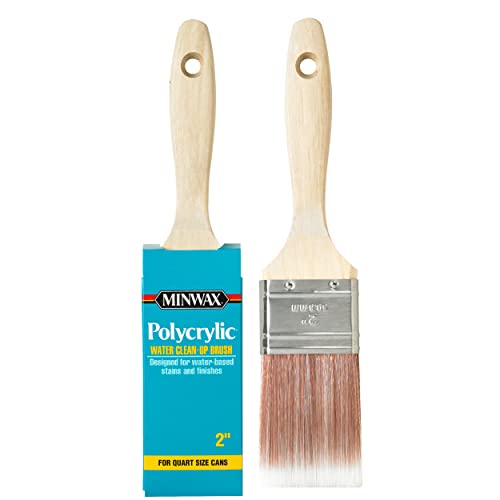
Minwax Polycrylic Wood Stain Brush, 2″, White

Pro Grade 1″ Chip Brushes, Disposable, 36 Pack

Pro Grade 2 Inch Angle Paint Brush, Walls & Trim, 12 Pack

Jen Poly Foam Brush, 2 Inch, Pack of 48
A Breakdown Of The Leading Choices
An angle sash brush is the shape most finishers reach for when urethane needs to land in a clean line along trim, casing, or a cabinet face. This three-inch version pairs that angled profile with a dense synthetic filament blend designed to carry more liquid per dip, which means fewer reloads and fewer visible lap marks across a long run of trim.
The tapered tips matter here too. Because the ends thin out rather than stopping blunt, you get finer control at corners and touch-up spots, the kind of detail work where a sloppy edge shows up under a glossy clear coat.
The Good Stuff
- Thick synthetic blend holds more urethane per load, stretching each dip further and cutting down on streaks
- Tapered filament tips give sharper lines around corners and tight trim details
- Wooden comfort-grip handle reduces hand fatigue during long finishing sessions
- Synthetic filaments suit water-based urethane, which swells natural bristle
Things To Consider
- Three inches is wider than some furniture work calls for, so small pieces may feel clumsy
- Synthetic filaments need prompt cleaning or they stiffen permanently
Who Will Love This
DIYers tackling trim, doors, and casings who want two dependable brushes ready for a multi-coat weekend project.
A Better Fit Elsewhere
For broad exterior coverage like fence rails, the Genixart Double Thick Chip Brush moves more material per stroke.
Where the Pro Grade angled brush chases precision, this Genixart goes the other way: raw coverage. The “double thick” label refers to a fuller bristle body than a standard chip brush, which lets the flat three-inch head soak up varnish, limewash, or urethane sealer and spread it across rough lumber without constant reloading.
On a fence or deck rail, that difference adds up fast. You may find one loaded stroke covers noticeably more board than a slimmer brush would, and the flat profile keeps edges even on weathered wood where an angled sash offers little benefit anyway.
The Case For It
- Double-thick bristle body carries heavy loads of stain, varnish, or sealer across wide boards
- Flat 75mm width suits masonry, limewash, paste, and general rough-surface coating
- Economical enough to treat as semi-disposable on messy outdoor jobs
Points To Note
- Natural-style chip bristles are coarser than finish brushes, so expect a slightly textured laydown
- Not the tool for crisp cut-in lines; pair it with an angled brush for edges
Made For
Homeowners sealing fences, sheds, decking, or masonry who value speed and coverage over mirror-smooth results.
Swap It Out When
Interior furniture and cabinets call for a softer touch, which is exactly the Minwax Polycrylic brush’s territory.
Urethane work isn’t always about big surfaces. Sealing a carved detail, touching up a joint line, or brushing epoxy into a crack all demand something tiny, and this 72-pack of 3/8-inch acid brushes fills that gap. The name comes from their traditional role applying soldering flux, but the boar-hair bristles handle glue, grease, oil, stain, and small-batch coatings just as readily.
The bulk count changes how you work, honestly. Instead of pausing to clean a brush between incompatible coatings, you grab a fresh one and move on, which matters in a busy shop where solvent cleanup interrupts momentum more than the painting itself does.
The Practical Payoff
- Boar hair bristles grip viscous materials like epoxy and flux for controlled placement
- 72-piece bulk supply eliminates cleanup between tasks; use once, discard
- Small 3/8-inch head reaches grooves, carvings, joints, and hardware crevices
Honest Caveats
- Single-use design means no long-term durability; worn tips are simply replaced
- Far too small for panels or trim, strictly a detail instrument
Right Fit For
Hobbyists, woodworkers, and electronics tinkerers who regularly need precise dabs of adhesive, flux, or finish in tight spots.
Where A Sibling Pick Shines
Larger touch-up zones like door edges are better served by the Pro Grade 1-inch chip brushes reviewed below.
This is the specialist in the lineup. Minwax builds this two-inch brush specifically for water-based protective finishes like Polycrylic, using a nylon-and-polyester filament blend chosen for its softness and even release. Generic brushes often leave bubbles or drag marks in waterborne topcoats; a purpose-made filament blend is engineered to lay the finish down smoothly instead.
The two-inch width hits a sweet spot between the three-inch Pro Grade and the one-inch disposables, wide enough for tabletops and drawer fronts, narrow enough to stay manageable on chair spindles. For anyone finishing furniture where the final sheen gets scrutinized up close, that soft laydown is worth the step up from a basic hardware-store brush.
Positive Takeaways
- Nylon-polyester blend promotes a smooth, even coat of stain or clear protective finish
- Soft application design suits waterborne topcoats that punish stiff bristles
- Two-inch width balances panel coverage with control on smaller furniture parts
A Few Limitations
- Single-brush purchase costs more per unit than any multipack on this list
- Owners commonly report these soft filaments need gentle, immediate washing to keep their shape
Key Specs
Who Should Grab It
Furniture refinishers and cabinet painters applying water-based polyurethane or Polycrylic where a flawless final sheen is the whole point.
Reach For A Different Pick When
Rough outdoor timber needs aggressive coverage, a role the Genixart Double Thick Chip Brush handles far better.
Think of these as the middle ground between the tiny acid brushes above and a full-size sash brush. At one inch wide with natural bristles, each brush suits stain sampling, small furniture projects, and touch-up passes where dragging out and cleaning a good brush feels like overkill. The 36-pack pricing makes disposal painless.
One practical detail stands out: the adhesive anchoring the bristles is designed to limit shedding, a common weak point on cheap chip brushes. Stray hairs frozen into a urethane coat are miserable to remove, so that construction choice protects the finish, not just your patience.
Real Benefits
- Natural filaments give a smooth pass for paints, stains, and thin coatings
- Reinforced adhesive construction cuts down on bristle loss mid-stroke
- Lightweight handle includes a hanging hole for pegboard storage
- Low cost per brush makes single-use workflow genuinely economical
Small Caveats
- Disposable build won’t survive repeated wash cycles the way a quality sash brush will
- One-inch width slows progress noticeably on anything larger than trim-scale work
Built With In Mind
Crafters, renters doing touch-ups, and woodworkers testing stain colors before committing to a full coat.
Consider Something Else When
Whole-room wall and trim painting demands the durability of the 12-pack Pro Grade angle set coming next.
This is the same design language as the number-one pick, scaled into a 12-pack and trimmed to two inches. The shorter width trades some coverage for agility, which suits cut-in work along walls, window frames, and baseboards where a three-inch head starts feeling bulky. Having a dozen on hand changes the math for bigger jobs: dedicate separate brushes to primer, urethane, and touch-up color without washing between.
Like its sibling, the thick synthetic blend carries generous loads and tapers to finer tips for controlled edges. For anyone repainting several rooms, buying twelve at once typically works out cheaper per brush than singles.
Where It Excels
- Twelve-brush supply supports multi-room projects and coating-specific dedication
- Two-inch angled profile handles cut-in lines and trim with less wrist strain
- Dense synthetic fill holds more product, reducing dips and lap marks
- Comfortable wooden grips hold up across repeated sessions
Trade Offs
- Overkill for a single small project; extras may sit unused in a drawer
- Synthetic tips still require prompt cleaning to avoid hardened bristles
The Right Fit
DIYers repainting multiple rooms or landlords maintaining rentals who burn through brushes steadily.
Not Your Match When
A one-off furniture refinishing task fits the single Minwax Polycrylic brush more sensibly than a dozen.
Foam brushes solve a different problem than bristle brushes: zero cleanup and zero shed hairs. The poly foam pad on this two-inch version releases paint, stain, and varnish evenly, and since there are no bristles to freeze or fray, disposal after each coat is the entire maintenance routine. Forty-eight of them should outlast most seasonal project lists.
The wooden handles are easy to hold for quick passes, though foam does have limits. Thin urethane applied heavily can bubble, so light coats work best. Compared with the Pro Grade chip brushes earlier in the list, foam gives a smoother surface but holds less material per dip.
Good Reasons To Consider
- No bristles means no stray hairs trapped in a drying finish
- Disposal replaces solvent cleanup entirely, saving time between coats
- Wooden handles offer comfortable control for short touch-up sessions
- Works across paint, stain, varnish, and craft mediums alike
Where It May Fall Short
- Foam pads degrade quickly with solvents and repeated pressure
- Heavy loading can introduce bubbles in self-leveling finishes
Whose Shelf It Belongs On
Casual DIYers and crafters who want fuss-free, occasional coats without investing in brush care.
Another Choice May Suit
Anyone needing sharp cut-in lines will get cleaner results from the Pro Grade 3-inch angled brush at the top of this list.
What Matters Most Before Choosing Brushes For Urethane
Match The Filament To The Finish
Water-based urethane swells natural bristle, leaving it limp and streaky. Synthetic nylon and polyester filaments shrug off waterborne formulas and spring back after cleaning. Solvent-based products reverse the logic somewhat, since natural boar hair releases oil-heavy coatings smoothly. Check the finish label first, then choose the bristle chemistry to match.
Size Should Follow Surface
Wide heads, like the three-inch chip styles here, cover fence boards and tabletops quickly but turn clumsy around spindles and corners. Narrower two-inch and one-inch options trade speed for control. A sensible kit pairs one broader brush for fields with one angled brush for edges, rather than forcing a single size to do both.
Reusable Or Disposable?
Quality sash brushes reward cleaning and last years, which pays off for frequent finishers. Multipacks of chip, acid, and foam brushes flip the equation: cheap enough to discard after epoxy, stain sampling, or messy exterior work. Honest self-assessment about how often you finish wood decides which camp saves money.
Watch For Shedding Construction
Nothing ruins a curing coat like a bristle entombed under the sheen. Epoxy-set ferrules and reinforced adhesive anchors, noted on several picks above, reduce that risk. With bargain brushes, wiping the dry head across your palm before first use catches loose hairs early.
Key Considerations Across These Picks
Traps First Timers Fall Into
The classic error is grabbing whatever brush is already in the drawer. Natural bristle plus water-based urethane equals a ruined coat and a ruined brush. Another slip: buying one giant brush for every task, then fighting it on detailed trim. Start from the finish type and the smallest surface you’ll coat.
The Case For Spending Up
Higher-tier brushes justify their cost through denser filament packing, softer tips, and better epoxy anchoring. Those traits translate directly into fewer reloads, fewer lap marks, and no shed hairs. For furniture and cabinetry where the sheen gets inspected up close, the upgrade pays for itself in avoided rework. Rough exterior sealing rarely needs it.
Frequently Asked Questions
Can I use a regular paint brush for urethane?
You can, but match the filament to the formula first. Water-based urethane damages natural bristle, while synthetics handle it cleanly.
Do foam brushes work well with polyurethane?
Yes, for thin, light coats on small surfaces. Load them sparingly, since heavy application can trap bubbles in the finish.
How do I clean a brush after applying urethane?
Water-based products rinse out with warm soapy water; solvent-based ones need mineral spirits followed by soap. Clean immediately, before the finish cures in the filaments.
Why does my brush leave streaks in urethane?
Streaks usually come from an overloaded brush or a bristle type mismatched to the coating. Apply thinner coats with a properly matched filament and let each layer level.
Are cheap chip brushes acceptable for finishing work?
They’re fine for rough surfaces, sampling, and disposable tasks. For visible interior finishes, a dedicated synthetic brush produces a noticeably smoother result.
Wrap Up
The right brush depends entirely on what you’re coating. Precision trim work points to the Pro Grade angled brushes, furniture finishing rewards the Minwax’s soft synthetic blend, and fences or decks belong to the Genixart’s double-thick coverage. Disposables cover everything in between without guilt. Match the filament to your finish, keep the sizes honest, and your urethane coats will level out the way they’re supposed to. Happy finishing.
