
Varnish is unforgiving. The wrong bristle leaves streaks, drags dust into a wet coat, or sheds hairs straight onto your tabletop, and by then the only fix is sanding back down. This guide sorts through six brushes that handle oil-based varnish, water-based polyurethane, stains, and clear coats without turning a weekend project into a repair job. Whether you’re finishing a single cutting board or sealing a fence, there’s a fit here for your workspace and your patience level.
A Closer Look At The Lineup

Coltree Paint Brushes Set, 5 Pcs Flat & Angle

Genixart Double Thick Chip Brush, 3 Inch

EORTA Flat Art Paint Brushes Set, Nylon
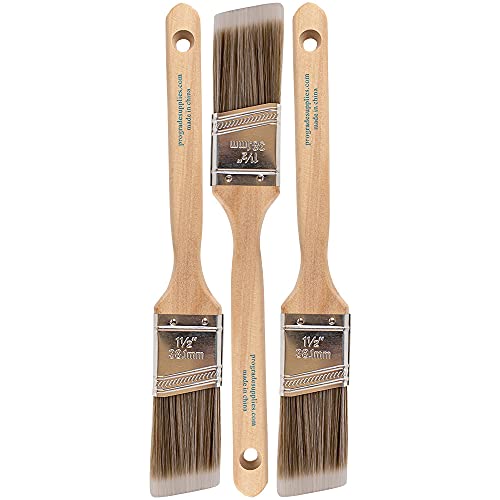
Pro Grade Angled Paint Brushes, 1.5 Inch, 3 Pc
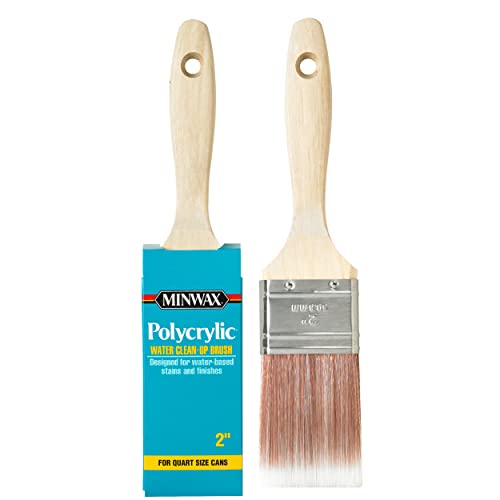
Minwax 427320008 Polycrylic Wood Stain Brush, 2″

Liquitex Large Scale Broad Flat/Varnish Brush, 6″
More Details On Our Top Picks
A five-brush kit removes the guesswork from matching brush width to surface. You get a 1″ flat, a 2″ flat, plus 1.5″, 2″, and 2.5″ angled profiles, which covers everything from window sash to baseboard in one purchase. For anyone sealing trim before painting walls, that range means fewer mid-project trips back to the store.
The thick synthetic bristles are rated for both oil- and water-based coatings, so the same set can lay stain on Saturday and varnish on Sunday. In most homes, the 2.5″ angle becomes the daily driver while the smaller flats handle detail rails.
Good Reasons To Consider
- Dense filament load holds more finish per dip, cutting refill stops on long runs of trim.
- Soft bristles resist shedding, so stray hairs won’t end up frozen under your topcoat.
- Angled sash shapes let you cut clean lines along casings without taping every edge.
- Works with oil- and water-based formulas alike, useful once you switch between stain and polyurethane.
Things To Weigh Up
- Thick bristle blocks need prompt cleanup; dried varnish stiffens them faster than thinner brushes.
Key Specs
Who It Suits Best
DIYers tackling full rooms who want one set to carry them from prep coat to final varnish.
Where A Sibling Pick Shines
For fine furniture where a dedicated clear-coat tool matters more than variety, the Minwax Polycrylic brush below is the sharper match.
Chip brushes exist for jobs you’d rather not ruin a good brush on, and this 3-inch double-thick version leans fully into that role. The extra-dense fill soaks up limewash, paste, masonry sealer, or fence stain and spreads it fast across rough, absorbent wood. Compared with the Coltree set above, this isn’t a finesse tool; it’s a coverage tool.
Where it earns its keep is scale. Sealing a picket fence or staining deck boards with a 1-inch brush turns an afternoon into a weekend, while a wide flat stroke knocks out boards in passes.
Practical Advantages
- Double-thick bristle body carries heavy loads of thin, runny coatings like stain and limewash.
- Three inches of width means fewer strokes across broad outdoor surfaces.
- Low replacement cost makes it sensible for one-off or messy jobs.
Small Caveats
- Natural-style chip bristles commonly shed a little at first; flick it out over scrap before starting.
- Rough bristle tips leave texture, so skip it for smooth furniture topcoats.
Right Fit For
Anyone coating fences, sheds, concrete, or raw lumber where speed matters more than a glass-smooth finish.
Swap It Out When
Precise trim lines call for the Pro Grade angled set instead, whose tapered tips track edges far better than a wide chip profile.
Not every varnishing job is a door or a deck. Small turned bowls, picture frames, model parts, and craft pieces need narrow flats that hold a fine edge, and this six-piece nylon set fills exactly that gap. Black wooden handles paired with white nylon bristles make it easy to see how much finish you’ve loaded.
You may find the smallest sizes too delicate for anything structural, but that’s the point here. These are control tools, closer cousins to art brushes than hardware-store paintbrushes, and they reward a light hand with even, streak-free coats on tight surfaces.
Strong Points
- Six graduated widths let you step down gradually as a project gets finer.
- Nylon filaments rinse clean in warm soapy water after water-based finishes.
- Flat profiles lay smooth, even films on small flat faces without ridges.
Points To Note
- Nylon softens with hot solvent cleanup, so stick to gentle washing to protect the tips.
- Too small for doors, floors, or any surface bigger than a shelf panel.
Made For
Crafters and hobbyists finishing small wooden objects, models, and decorative pieces by hand.
Another Choice May Suit
Larger furniture panels deserve the Liquitex 6-inch brush further down, which sweeps broad areas in a fraction of the strokes.
Trim work lives or dies on the tip of the brush. This three-pack sticks to a single proven formula: a 1.5-inch angle sash with a thick synthetic filament blend and a tapered tip that tracks a line without wandering. Where the Genixart chip brush floods a surface, these carve edges around door frames and cabinet reveals.
The wooden comfort-grip handles matter more than they sound. Holding an angled brush overhead along crown molding fatigues your hand quickly, and owners commonly report these grips stay comfortable through a full afternoon of cutting in.
What Pays Off
- Tapered filament tips give sharp precision on corners, sashes, and touch-up spots.
- Thick filament blend holds generous finish, reducing streaks and reload dips.
- Three identical brushes mean a spare stays clean while one cures between coats.
- Suited to interior and exterior work alike, from baseboards to shutters.
Honest Caveats
- One size only; broad flat panels still need a wider flat brush for efficient coverage.
Feature Rundown
Whose Shelf It Belongs On
Finish carpenters and careful homeowners who spend more time on edges than on open wall.
Look Elsewhere When
Whole-wall varnishing calls for the wider Coltree 2.5-inch angle, which moves more finish per pass.
This is the specialist in the lineup, purpose-built for clear protective coats rather than general painting. Minwax pairs soft nylon with polyester filaments, a combination chosen because water-based polycrylic dries fast and punishes coarse bristles with visible drag marks. A 2-inch width suits chair legs, drawer fronts, and cabinet doors nicely.
In our view, pairing a brand-name finish with its matching applicator removes a common variable when results disappoint. The soft application design lays thin, even films, which is precisely what a self-leveling clear coat wants.
Real Benefits
- Nylon-polyester blend resists the swelling that ruins cheap brushes in water-based finishes.
- Soft bristle action promotes a smooth, even film on visible furniture surfaces.
- Two-inch width balances coverage against control on medium-sized pieces.
Worth Bearing In Mind
- Clear-coat residue hardens quickly; wash immediately after each session or the bristles will stiffen permanently.
Core Details
Perfect Match For
Woodworkers finishing furniture, cabinets, and trim with polycrylic or similar water-based protectives.
Consider Something Else When
Rough exterior timber calls for the Genixart chip brush, since its coarse bristles shrug off abuse this refined tool shouldn’t face.
Six inches of brush changes how varnishing feels. Instead of hundreds of overlapping strokes, a canvas or large plywood panel takes maybe a dozen long pulls, and each pull has time to level before the next begins. Liquitex built this Freestyle line with artists, and it shows in the ergonomic handle shaped for extended grip rather than a generic dowel.
The strong synthetic bristles stand up to repeated acrylic and varnish sessions, a durability step above the EORTA craft set reviewed earlier. One thing worth considering: the sheer size demands arm room, so it’s awkward in tight corners.
Standout Benefits
- Six-inch flat head covers big canvases and panels in long, leveling strokes.
- Ergonomic handle design reduces wrist strain during long finishing sessions.
- Durable synthetic filaments survive repeated use with acrylics and varnishes.
- Varnish-specific labeling means the bristle density is tuned for clear coats.
Trade Offs
- Overkill for small objects and trim; the width defeats itself on narrow work.
- Large heads hold a lot of finish, so drips pool fast on vertical surfaces.
Who Will Love This
Artists and muralists sealing oversized canvases, murals, and broad decorative panels.
Skip It When
Detailed trim and sash work belongs with the Pro Grade angled trio, whose tipped filaments follow lines this broad flat never could.
What Matters Most Before Choosing Brushes For Varnishing
Bristle Type Decides Your Finish
Synthetic filaments, usually nylon or polyester, are the default for water-based polyurethane and polycrylic because natural bristles swell and go limp in waterborne products. Oil-based varnish is more forgiving, though synthetics still shed less. Match the fiber to the chemistry first; every other decision follows from it.
Width Should Match The Surface
A simple rule holds across all six picks: narrow brushes for edges and small objects, wide flats for open faces. Working a tabletop with a 1-inch brush multiplies your strokes, and every overlap is a chance for a lap mark. Buying two widths beats forcing one brush to do both jobs badly.
Comfort And Cleanup Are Real Costs
Long handles and cushioned grips matter on ceilings and fences, where fatigue leads to sloppy coats. Just as important, plan your cleanup routine before you buy. Water-based finishes rinse out with soap and warm water, while oil-based ones demand solvent, and a brush left unwashed overnight may never soften again.
Disposable Versus Reusable Math
Chip brushes cost little enough to treat as consumables, which makes sense for one-time stains and gritty coatings. Quality synthetics repay their higher upfront cost across dozens of projects, assuming you clean them properly. Honest question to ask yourself: how many coats does this project actually need?
Key Considerations Across These Picks
Wrong Turns To Avoid
The most common slip is grabbing a cheap natural-bristle chip brush for water-based polyurethane, then wondering about the streaks. The second is buying one size and forcing it everywhere. Check the label’s coating compatibility before checkout, and match brush width to your largest single surface.
What Separates Premium From Basic
Higher-tier brushes spend more on filament density, tip tapering, and handle ergonomics. That translates to fewer dips, cleaner lines, and less hand strain over hours. For a single fence-staining Saturday, basic wins; for furniture you’ll look at daily, the upgrade pays for itself in saved rework.
Frequently Asked Questions
Can one brush handle both stain and varnish?
Yes, provided it’s synthetic and cleaned thoroughly between uses. Residual pigment in the bristles will tint your next clear coat otherwise.
How do I stop my brush from shedding?
Flick new natural-bristle brushes firmly against your palm over scrap before use. Persistent shedding usually signals a worn brush past retirement.
What size brush works best for furniture?
A 2-inch flat or angle covers most chairs, drawers, and cabinet faces comfortably. Reserve wider brushes for tabletops and panels.
Do I need different brushes for oil versus water-based varnish?
Synthetics handle both safely, which is why they dominate modern recommendations. Natural bristles perform well in oil-based products but deteriorate in waterborne ones.
How should I store brushes between coats?
Wrap the bristles tightly in plastic wrap and refrigerate overnight for water-based finishes, keeping the ferrule dry. This pauses drying without a full wash cycle.
Bottom Line
Match the brush to the job and half your finishing problems disappear. The Coltree set handles whole-room versatility, Minwax serves fine clear-coat work, and the Liquitex owns big panels, while the Genixart and EORTA cover the budget ends of the spectrum. Start with the surface in front of you, choose accordingly, and clean whatever you buy the same day. Your next coat will thank you.
