
Staining a deck, fence, or a fresh piece of furniture goes wrong fast when the brush fights you. Bristles splay, stain pools, and lap marks show up on every board. The right applicator turns a weekend chore into a smooth afternoon job, whether you’re covering a wide patio surface or cutting in around tight trim.
A Snapshot Of The Selections

Foxtrot Deck Stain Brush 7-Inch

Genixart Double Thick Chip Paint Brush 3 Inch
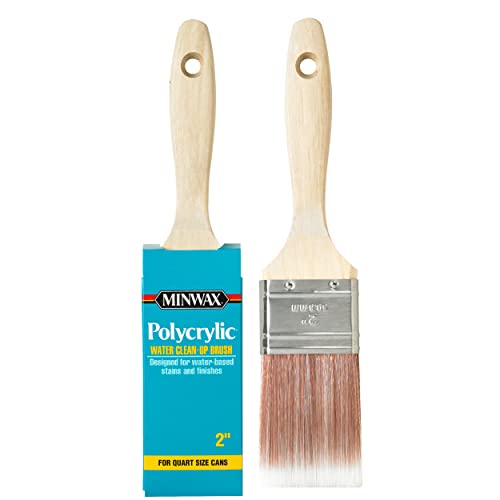
Minwax Polycrylic Wood Stain Brush 2” White

Bates Deck Stain Brush Applicator 7.5 Inch
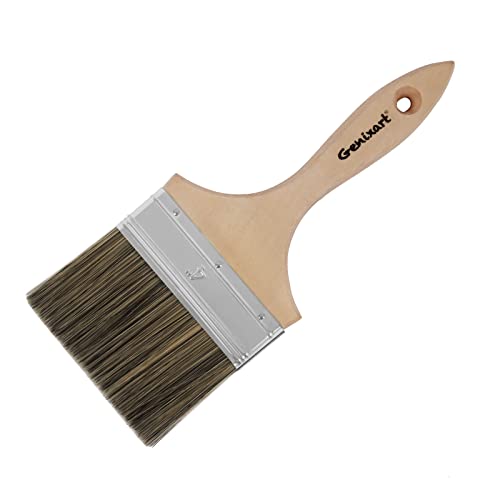
Genixart Double Thick Chip Paint Brush 4 Inch

GACDR Slant Lining Fitch Trim Brushes Pack of 6
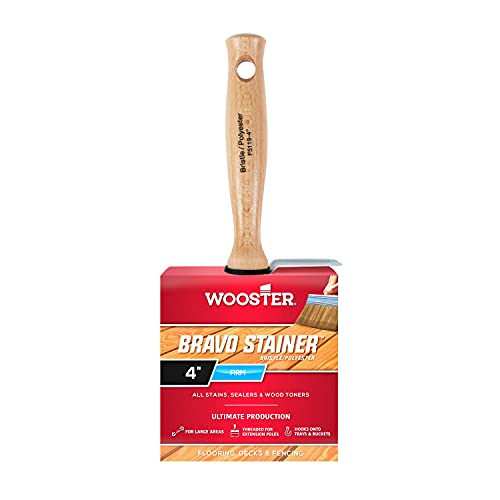
Wooster F5119-4 Bravo Stainer 4 Inch
The Strengths Of Each Pick
Deck boards punish narrow brushes. This one spans seven inches, so a single pass covers most plank widths without visible overlap lines. The threaded handle base accepts a standard extension pole, which means no more crawling along your knees to reach the middle of the deck.
Beyond decking, the bristle layout handles limewash and sealer on concrete patios too. For anyone facing a large horizontal surface before summer, that versatility stretches the value considerably.
Positive Points
- Seven-inch width cuts staining time on full-size decks dramatically.
- Threaded socket fits common extension poles, saving your back.
- Works on concrete as well as wood, so one tool covers the whole yard.
- Suits limewash, sealer, and standard penetrating stains alike.
Things To Consider
- Cleaning a wide brush takes real effort; owners commonly report needing thorough solvent rinses after oil-based products to keep bristles soft.
Feature Rundown
Who It Suits Best
Homeowners tackling a full deck or patio project who want standing-room coverage instead of hours on their knees.
Where A Sibling Pick Shines
The Wooster F5119-4 Bravo Stainer suits smaller furniture or railing jobs better, since its four-inch head offers more control in tighter spots.
Chip brushes exist for one reason: messy jobs where you’d hate ruining a good brush. The double-thick bristle load on this three-inch version holds more product than a standard chip brush, which matters when you’re slathering paste, limewash, or cheap stain onto rough fence boards. Toss it afterward and feel zero guilt.
Compared with the Foxtrot above, this is clearly a disposable-grade tool, not a keepsake. That’s exactly its charm for quick touch-ups and one-off weekend tasks.
What Helps Most
- Double-thick fill carries more stain per dip than thin chip brushes.
- Three-inch flat profile reaches edges and mid-size panels comfortably.
- Low replacement cost makes cleanup optional rather than mandatory.
Minor Gripes
- Shedding is a known trait of economy chip bristles; expect a few stray hairs in wet stain on long sessions.
- No ferrule threading, so pole attachment isn’t an option here.
Made For
DIYers who need a sacrificial brush for rough lumber, paste work, or one-season fence refreshes.
Swap It Out When
Reach for the Genixart 4 Inch version instead when your project leans toward broader fence faces where extra width speeds things up.
Clear finishes are unforgiving. Every streak and stray bristle shows once the topcoat dries, which is why Minwax built this two-inch brush specifically around polycrylic and other protective coats. The nylon-polyester blend stays soft and resists the swelling that natural bristles suffer in water-based products.
In practice, that soft tip lays finish down level instead of pushing it into ridges. Furniture restorers and cabinet painters are the obvious beneficiaries here, though it also handles stain itself nicely on smaller pieces.
Standout Benefits
- Synthetic nylon-polyester bristles resist matting in water-based finishes.
- Soft application edge promotes a level, streak-light final coat.
- Two-inch size balances speed with control on drawers, doors, and tabletops.
- Brand-matched to Minwax Polycrylic, so performance pairing is predictable.
Softer Spots
- Fine synthetic tips demand prompt washing after each session; dried polycrylic stiffens them quickly, as many owners have learned the hard way.
- Narrow width feels slow on large deck surfaces.
Quick Facts
Right Fit For
Hobbyist woodworkers finishing cabinets, trim, or furniture with clear protective coats indoors.
Consider Something Else When
The GACDR Slant Lining set is the smarter buy for intricate detail edging, offering three sizes in one pack at fine-line precision.
Half an inch sounds trivial until you’re staining four hundred square feet. The Bates runs 7.5 inches wide, edging past the Foxtrot from earlier in this list, and its dense synthetic fill soaks up enough stain to coat several boards between dips. Fewer trips back to the bucket equals fewer lap marks drying into the grain.
The included cleaning comb is a small but genuinely useful addition. Pulling packed pigment from the heel of a wide brush by hand is miserable; the comb does it in seconds and extends usable life noticeably.
Notable Gains
- Extra-wide 7.5-inch head covers more board per pass than most rivals.
- Absorbent synthetic fill reduces dip frequency and evens distribution.
- Threaded handle accepts extension poles for floor-level work.
- Bundled cleaning comb simplifies post-job maintenance.
- Suits decks, fences, and siding with equal confidence.
Points To Note
- The broad head overkills narrow balusters and rails; a trim brush pairs better there.
- Wide synthetic brushes hold water after rinsing, so hang-dry fully before storage to protect the ferrule.
Core Details
Built With In Mind
Anyone re-staining a large deck, dock, or long fence run who values coverage speed over delicate control.
Another Choice May Suit
The Minwax Polycrylic brush fits indoor furniture finishing far better, where its finer two-inch profile delivers the smoothness this deck tool can’t match.
This is the bigger sibling of the Genixart 3 Inch covered earlier, adding a full inch of width for fence rails and rough-sawn lumber. Same deal: double-thick bristle loading, flat profile, disposable mindset. You get more square footage per stroke without paying tool-grade prices for a brush destined for the trash.
It also pulls double duty as a masonry or paste brush, which makes it handy beyond staining season. Just temper expectations about finish quality; this is a workhorse, not a showpiece.
Points In Its Favor
- Four-inch flat face speeds up fence panels and wide planks.
- Handles varnish, limewash, paste, and stain interchangeably.
- Disposable design spares your good brushes from harsh solvents.
Where It May Fall Short
- Loose economy bristles can shed into wet finish, so keep a rag handy for picking strays off the surface.
- Coarse tips leave visible brush marks on fine furniture work.
Who Will Love This
Budget-conscious DIYers refreshing weathered fencing or staining garden structures where perfection isn’t the goal.
Look Elsewhere When
The Wooster Bravo Stainer is worth stepping up to for visible surfaces, since its blended bristles leave a cleaner lay-down on railings and doors.
Every staining project has a fussy part: the line where deck meets house, the inside corner of a picture frame, the edge of a stair stringer. These angled fitch brushes, sized at half inch, three-quarter inch, and one inch, exist precisely for those moments. The slanted tip gives you sightlines along the cut-in edge, which is how crisp borders happen.
Six brushes in the pack means backups are always clean and dry. In our view, that’s the quiet advantage here; stained brushes waiting on solvent soak-ups stall a project faster than anything else.
What Earns Its Place
- Angled tips align with edges for controlled cut-in lines.
- Micro-tipped synthetic filaments offer firm, predictable response.
- Three graduated sizes cover hairline gaps through modest trim runs.
- Six-piece supply keeps a dry brush ready at all times.
Small Caveats
- Tiny heads are hopeless for open surfaces; pair them with a wide applicator rather than replacing one.
- Firm short bristles carry less stain per dip on porous wood.
Details At A Glance
The Right Fit
Detail-oriented finishers doing trim, corners, ceilings, and precision edging alongside a larger stain brush.
Not Your Match When
The Bates 7.5 Inch applicator serves open deck surfaces vastly better; these little brushes would take days to cover the same area.
Wooster has made painting tools long enough that contractors trust the name without checking labels. The Bravo Stainer blends white China bristle with polyester, a combination that behaves well in both oil-based and water-based stains, sealers, and toners. One brush, either chemistry, no surprises.
The threaded hardwood handle deserves mention too. Unscrew it and the brush mounts straight onto an extension pole, echoing the Foxtrot’s trick but in a more controllable four-inch size. A removable bucket clip keeps the tool within reach on ladder rungs.
Advantages To Know
- Bristle-polyester blend performs with oil-based and water-based products equally.
- Square trim profile suits interior and exterior stain work alike.
- Removable hardwood handle converts the brush for pole use.
- Nickel-plated steel ferrule resists corrosion from repeated washouts.
- Bucket clip keeps the brush handy while working at height.
Trade Offs
- Natural-blend bristles need gentler cleaning than pure synthetics; hot water or strong solvents can curl the tips over time.
- Four inches won’t match the raw speed of the Bates on huge decks.
Key Attributes
Whose Shelf It Belongs On
Serious DIYers and tradespeople who want one dependable brush spanning interior stain, exterior sealer, and everything between.
Reach For A Different Pick When
The GACDR Slant Lining set handles razor-edged trim lines better; the Bravo’s strength lies in broad, even coverage instead.
What Matters Most Before Choosing Brushes For Wood Stain
Width Should Match The Surface
A seven-inch deck brush covers a plank in one stroke; a two-inch trim brush would need five. Match the head to your largest continuous surface, then add a smaller brush for edges. Buying only one size almost guarantees frustration halfway through the job.
Bristle Chemistry Decides Compatibility
Natural China bristle loves oil-based stain but swells in water. Synthetic nylon and polyester handle water-based polycrylic and acrylic cleanly. Using the wrong pairing leaves streaks and ruined bristles, so check your stain’s label first and let it dictate the filament.
Handle Design Changes How Long You Last
Threaded ends that accept extension poles turn a knee-breaking deck day into comfortable standing work. Detachable handles and bucket clips add convenience at ladder height. These details sound minor until hour three.
Disposable Versus Reusable
Chip brushes cost little and spare good tools from harsh cleanup, but they shed. Quality brushes cost more upfront yet survive dozens of jobs with proper combing and rinsing. Frequent stainers recoup the difference quickly; occasional users may not bother.
Key Considerations Across These Picks
Traps First Timers Fall Into
The classic error is buying one brush for every task. Wide applicators smear trim; tiny fitch brushes crawl across decks. Skipping the bristle-type check is close behind, since water-based stain ruins natural bristles permanently. Read the stain can before the checkout cart.
What Separates Premium From Basic
Higher-tier brushes pay for denser filament packing, corrosion-resistant ferrules, and shaped tips that hold their edge after repeated washing. That translates into fewer laps, less shedding, and years of reuse. For annual staining routines, the upgrade pays for itself; for a single fence refresh, an economy option does the job adequately.
Frequently Asked Questions
Can one brush work for both oil-based and water-based stain?
A blended brush like the Wooster Bravo handles both chemistries acceptably. Dedicated synthetic or natural brushes will always perform better in their matching product, though.
How do you clean a stain brush properly?
Rinse water-based products in warm soapy water and oil-based ones in the manufacturer-recommended solvent, then comb the bristles from heel to tip. Hang the brush to dry so the filaments keep their shape.
Is a wider brush always faster?
On open surfaces like decking, absolutely. Around rails, corners, and trim, excess width causes smears and wasted stain.
Do chip brushes really shed that much?
Some loose filaments are normal with economy chip construction, especially during long sessions. Picking a few stray hairs out of wet stain is part of the trade-off for the low cost.
Should I attach my stain brush to an extension pole?
For decks and floors, yes; pole-threaded models like the Foxtrot or Bates save your knees and speed coverage considerably. Overhead fence tops benefit too.
Closing Remarks
Your project should choose the brush, not the other way around. Big decks call for the Bates or the Foxtrot, furniture finishing points to the Minwax, and detail work belongs to the GACDR set. Whatever you pick, rinse it promptly and store it hanging, and it’ll be ready next season. Happy staining.
