
Trim work punishes the wrong brush. A fat, floppy sash tool drags paint onto the wall, sheds bristles into your finish, and turns a two-hour afternoon into a touch-up marathon. Anyone who has cut in baseboards or painted window casings knows that feeling. This roundup sorts seven brushes built for tight edges, narrow rails, and long painting sessions, so you can match the right one to your next room instead of guessing.
The Main Contenders

Bates Trim Paint Brush Set, Ergonomic Handle, Grey

Bates- Trim Paint Brush, 3 pcs, 5/8”, 3/4” and 1”

Coltree Paint Brushes Set, 5 Pcs Flat & Angle

Pro Grade 3 Inch Angled Paint Brush, 2 Pack

Genixart Double Thick Chip Paint Brush, 3 Inch

Wooster Q3211-2 Shortcut Angle Sash Paintbrush, 2-Inch
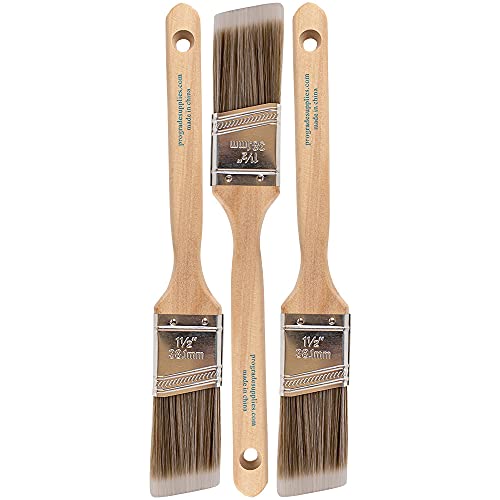
Pro Grade Angled Paint Brushes, 1.5 Inch, 3 Pc
A Deeper Look At The Lineup
Starting a trim project usually means buying three brushes you didn’t know you needed. This Bates set solves that by bundling 5/8, 3/4, and 1 inch widths in one grey-themed kit, sized for cutting in edges, rails, and narrow molding without overbuying.
The ergonomic handles matter more than they sound. Grip fatigue creeps in around hour two of edging, and a contoured grip keeps your wrist angle steadier than a straight dowel does. Synthetic filaments suit water-based latex, the paint most homeowners already have on the shelf.
Useful Highlights
- Three graduated widths cover fine edges through standard trim in a single purchase.
- Synthetic bristles pair well with latex paints and rinse clean under a tap.
- Ergonomic grips reduce hand strain during longer edging sessions.
- The matching grey theme makes the set easy to spot in a crowded tool drawer.
Things To Consider
- Narrow widths mean slower coverage on wide baseboards compared with the Pro Grade 3 inch brush.
- Synthetic bristles can splay over time if left soaking in solvent, so clean promptly after each session.
Key Specs
Who It Suits Best
Beginners tackling their first baseboard or door-frame repaint who want one affordable kit rather than guesswork.
Where A Sibling Pick Shines
The Coltree five-piece set suits you better once a project grows to include walls, since its wider flats cover broad surfaces faster.
This second Bates trio shares the same size range as the grey-handled set above, but leans harder into precision. Finely tapered bristle ends give these brushes a sharper point, which is what separates a crisp corner from a fuzzy one when you’re working chair rails or picture-frame molding.
Comfortable grip handles keep the smaller brushes controllable, since tiny widths amplify every wobble in your stroke. In our view, this set earns its place for detail-heavy rooms where most of your time goes into corners rather than straight runs.
The Helpful Details
- Fine bristle tips trace sharp lines along intricate trim profiles.
- Three distinct sizes cover everything from hinge cut-ins to sash edges.
- Grip-friendly handles give steadier control at small scales.
Worth Noting
- Owners commonly report that small-detail brushes need gentler cleaning to keep tips pointed, so avoid stiff wire combs.
- No large-width option here means pairing it with something like the Pro Grade 3 inch for broad runs.
Right Fit For
Patient DIYers restoring ornate trim, refinishing furniture edges, or touching up cabinet frames by hand.
Skip It When
Speed matters more than finesse; the Wooster Shortcut’s short handle will get you into tight corners faster.
Where both Bates sets stop at one inch, Coltree keeps going. You get a 1 inch and 2 inch flat plus 1.5, 2, and 2.5 inch angles, a spread that handles wall cut-ins and trim in the same session. One kit, whole room, no mid-job shopping trip.
Thick bristle stock holds noticeably more paint per dip, which translates to fewer trips back to the tray and fewer lap marks where reloads meet wet edge. The blend also tolerates oil-based products alongside latex and stain, giving you flexibility on doors and trim that get enamel topcoats.
Where It Helps
- Five sizes span detailed trim up through full wall cut-in duty.
- Dense filaments carry bigger paint loads, stretching each dip further.
- Compatible with oil and water-based paints plus stains.
- Soft-yet-firm bristle body lays down an even coat with minimal shedding reported by owners.
Trade Offs
- Larger heads feel clumsy inside very narrow profiles where the Bates 5/8 inch excels.
- Oil-based cleanup demands mineral spirits and patience, not just soap and water.
- Five brushes need real drying space after washing.
Feature Rundown
Who Will Love This
DIYers repainting entire rooms who want one versatile kit instead of separate wall and trim purchases.
Another Choice May Suit
The Bates grey three-piece fits tighter budgets focused purely on trim, skipping the wall-oriented widths entirely.
Wide baseboards, chunky craftsman casing, and exterior fascia boards eat small brushes alive. This two-pack of 3 inch angled sashes moves serious paint in fewer passes, and the angled tip still cuts a line where wall meets wood. Having two identical brushes is quietly practical too: one stays in the finish while the other cleans, keeping momentum on long runs.
A dense synthetic filament blend loads heavily, and the thinner profile at the bristle ends sharpens touch-up work. Wooden comfort-grip handles balance out the extra head weight, which you’ll notice once a loaded 3 inch brush sits in your hand for twenty minutes.
Noteworthy Benefits
- 3 inch width halves the passes needed on wide trim and stain jobs.
- Thick filament blend holds more paint, cutting reload trips.
- Tapered bristle tips keep edges precise despite the broad head.
- Two-brush pack lets you alternate while one dries clean.
Minor Gripes
- Overkill for thin quarter-round or delicate moldings; reach for a 1 inch option there.
- Wooden handles shouldn’t sit in water, so hang them to dry rather than resting bristles-down in a jar.
Built With In Mind
Homeowners facing big trim days, fence staining, or exterior repaints where coverage speed outweighs fiddly detail.
Reach For A Different Pick When
Window sashes and tight corners dominate your list; the Wooster Shortcut below was designed for exactly those spaces.
Chip brushes live a different life from trim sashes. They’re the disposable workhorse you grab for fence stain, limewash, masonry sealer, or paste, jobs where ruining a good brush would sting. Genixart doubles the bristle thickness on this 3 inch version, so it carries heavy, sloppy coatings that would starve a thinner brush.
The honest read is that this isn’t your finish-work tool. Bristles run coarser and shedding is part of the chip-brush deal, especially on rough sawn lumber. Treat it as a sacrificial utility brush and it pays for itself many times over.
Benefits That Matter
- Double-thick bristle body absorbs heavy stains, varnishes, and limewash without starving.
- Flat 3 inch face covers fence boards and rough timber quickly.
- Economical enough to toss after one sticky job instead of scrubbing solvents out.
Points To Note
- Expect some shedding on coarse surfaces; pick stray fibers before the coating skins over.
- Too crude for visible interior trim where the Pro Grade angled sets deliver cleaner lines.
Quick Facts
Whose Shelf It Belongs On
Weekend fence-stainers and shed painters who’d rather sacrifice a cheap brush than ruin a good one.
Swap It Out When
Your work stays indoors on finished trim; the Pro Grade 1.5 inch trio treats fine wood far more gently.
Ask a painting contractor about awkward corners and the Wooster Shortcut comes up often. The stubby handle looks odd until you try reaching inside a window sash or behind a toilet tank, where a full-length handle simply won’t fit. That shortened shank trades reach for access, and in tight residential trim, access wins.
The flexible purple Shergrip grip adds comfort despite the compact length, and a brass-plated steel ferrule anchors the synthetic blend firmly. That filament mix handles all paint types plus water-based stains, making this a genuine all-coater rather than a latex-only specialist.
Well-Handled Touches
- Short profile reaches inside sashes, corners, and cramped framing.
- Shergrip handle flexes slightly, easing pressure points during detail sessions.
- Brass-plated ferrule resists corrosion and keeps bristles locked in.
- Synthetic blend accepts every common paint type and water-based stain.
- Three-pack pricing spreads across multiple rooms or helpers.
Honest Caveats
- The abbreviated handle offers less leverage on long overhead strokes.
- You may find the 2 inch head slow on expansive baseboard runs compared with the Pro Grade 3 inch.
Product At A Glance
Perfect Match For
Experienced painters and meticulous DIYers working window frames, cabinets, and other confined trim zones.
Consider Something Else When
Your project is mostly open-wall edging; the Coltree set’s larger angles cover ground faster.
One and a half inches is the quiet sweet spot of trim painting: wide enough to make progress along a baseboard, narrow enough to stay honest at a door jamb. This three-pack commits fully to that size, suiting interiors and exteriors where one dependable width beats a mixed set.
Like its 3 inch sibling earlier in this list, it pairs a thick synthetic filament blend with a wooden comfort-grip handle, and tapers the bristle ends for finer control. Three identical units mean you can dedicate one to stain, one to latex, and keep a spare rotating through cleaning.
Standout Benefits
- 1.5 inch angled head balances speed and precision for typical trim.
- Dense filaments load well, reducing streaks between dips.
- Tapered tips sharpen cut-in lines and touch-up accuracy.
- Wooden comfort grips stay comfortable through extended sessions.
Potential Drawbacks
- Single-size packs limit flexibility; no small brush for hinges or hardware cut-ins.
- Wood handles demand prompt drying after washing to prevent swelling, a habit worth building.
Core Details
The Right Fit
Routine repainters refreshing baseboards, casings, and doors a few times a year who value consistency over variety.
Not Your Match When
Detail-heavy restoration is the goal; either Bates trio brings finer widths for ornate profiles.
What Matters Most Before Choosing Brushes To Paint Trim
Bristle Type And Paint Compatibility
Synthetic filaments, usually nylon or polyester blends, are the default for modern latex paints because they don’t absorb water and swell the way natural hog bristle does. Natural bristle still earns its keep with oil-based enamels and varnish, holding heavier loads and laying off smoother. Match the filament to your coating first; everything else is secondary.
Size And Shape For The Job
An angled sash brush, meaning the bristles are cut diagonally across the tip, gives you a leading point for cutting clean lines where trim meets wall. Narrow widths from 5/8 to 1 inch suit molding and detail, while 2 to 3 inch heads accelerate baseboards and stain work. Most households do well owning one of each range.
Handle Comfort Over Long Sessions
Edging punishes hands. Contoured or rubberized grips such as Wooster’s Shergrip reduce pressure points during hour-long sessions, and shorter handles unlock cramped spaces a full-length handle can’t enter. Weight matters too, since a loaded wide brush amplifies any imbalance.
Care Habits That Extend Brush Life
Clean promptly with the right solvent for your coating, reshape the bristles, and dry horizontally or hanging rather than bristles-down in a jar. Skipping that last step is how good brushes warp within months.
Key Considerations Across These Picks
Traps First Timers Fall Into
The classic mistake is buying one giant brush and forcing it into every job, then blaming the brush for ragged lines. Grab a matched pair instead: a narrow angle for detail and a wider flat for coverage. Also check compatibility before checkout, because a natural-bristle brush softens badly in water-based latex.
What Separates Premium From Basic
Higher-tier brushes spend their extra cost on denser filament packing, tapered tips, and anchored ferrules that resist shedding. Those traits show up as fewer streaks and cleaner edges, which matters most on visible trim. Budget kits remain sensible for sacrificial outdoor work.
Frequently Asked Questions
What size brush works best for painting trim?
A 1.5 to 2 inch angled sash brush handles most baseboards, casings, and doors comfortably. Drop to 5/8 or 3/4 inch for thin molding, hinges, and intricate profiles.
Are synthetic or natural bristles better for trim?
Synthetic filaments suit water-based latex and acrylic paints, staying firm and rinsing easily. Natural bristle performs better with oil-based enamels and varnishes.
How do I get sharp lines between trim and wall?
Load an angled brush lightly, lay the bristle tips against the line, and draw steadily rather than pressing hard. Painter’s tape helps, but a confident steady hand with a quality angled tip often beats tape alone.
How should I clean brushes after a painting session?
Wash latex residue in warm soapy water and oil-based coatings in mineral spirits, working from the ferrule toward the tips. Reshape, then dry hanging or lying flat so bristles keep their form.
Do expensive brushes really make a difference?
Yes, mainly through denser bristle loading, finer tips, and less shedding, all of which show directly in your finish. For rough outdoor staining, though, an economical chip brush is the smarter sacrifice.
Closing Thoughts
Good trim results come down to matching brush width, filament, and handle to the actual surface in front of you. Start with a versatile 1.5 or 2 inch angled sash, add a narrow detail brush for ornate profiles, and keep a sacrificial chip brush for messy outdoor coatings. Clean them properly and even modest sets will serve you for years of rooms.
