
Machine embroidery used to demand a four-figure investment before you stitched a single monogram. Not anymore. The entry tier in 2026 covers everyone from hobbyists personalizing baby onesies to side-hustle owners cranking out caps on a deadline. The catch is that cheap machines vary wildly: some feel like toys, others punch far above their price bracket. This list sorts them out, matching each machine to the kind of stitcher it actually serves.
The Picks In Brief

Embroidex Embroidery Machine Starter Kit

Poolin EOC06 Embroidery Machine 11×7.9 Area

Poolin EOC05 Embroidery Machine for Beginners

Smartstitch S-1001 Embroidery Machine 10 Needles
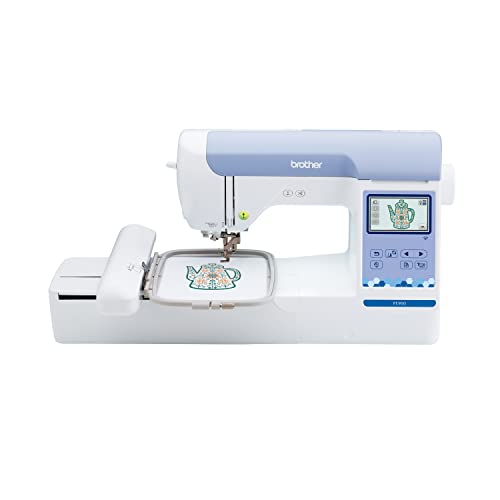
Brother PE900 Wireless Embroidery Machine

Smartstitch S-1501 Commercial Embroidery Machine
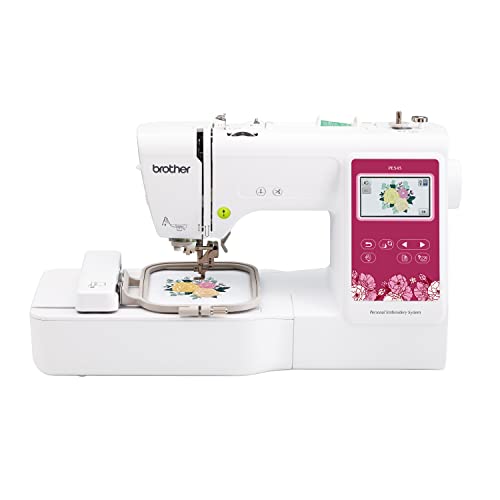
Brother PE545 Wireless Embroidery Machine
A Breakdown Of The Leading Choices
A new embroidery machine sitting idle because thread, stabilizer, and bobbins are still missing is a common first-week frustration. This Embroidex bundle exists to close that gap, gathering the core notions a first project demands into one purchase rather than five separate errands.
The pieces carry a universal design, so they work alongside whatever brand of budget embroidery machines you land on, whether that is a Brother or a Poolin further down this list. An instructional CD plus bonus design files give you something to load and stitch on day one instead of hunting tutorials.
Useful Touches
- All-in-one supply set means your first project starts the week your machine arrives, not weeks later.
- Universal compatibility removes the guesswork of matching notions to a specific brand.
- Bonus designs and an instructional CD shorten the learning curve considerably.
- Bundling essentials usually costs less than buying spools, stabilizer, and needles separately.
Things To Consider
- This is a supplies kit, not a machine, so pair it with one of the units reviewed below.
- An instructional CD assumes a computer with an optical drive, which many modern laptops lack.
Who It Suits Best
First-time machine embroiderers who want every consumable on hand before the box opens.
Where A Sibling Pick Shines
Crafters who already own stabilizer and thread can skip this and put the money toward the Poolin EOC06 instead.
Most beginner hoops cap out around four inches square, which gets cramped the moment you try a jacket back or a large tote panel. The Poolin EOC06 answers with three interchangeable fields, topping out at a generous 11 by 7.9 inches, so one machine stretches across projects that would normally force an upgrade.
Day to day, the 7-inch touchscreen handles design selection without menu-diving, and 200 built-in patterns mean there is always something ready to stitch while you learn digitizing. Wireless and USB transfer cover both camps: send files over WiFi or walk over with a flash drive.
Where It Excels
- Three hoop sizes, up to 11 x 7.9 inches, handle everything from patches to jacket backs.
- 200 built-in designs keep the machine productive before you ever import a file.
- Wireless plus USB transfer fits whichever workflow you settle into.
- The large color touchscreen makes pattern placement and editing straightforward for newcomers.
- Roomy capacity delays the need for a pricier upgrade as skills grow.
Worth Noting
- Owners commonly report that larger hoops demand a dedicated table and decent clearance behind the unit.
- Optional protection plans exist separately, so factor coverage into the true cost.
At A Glance
Made For
Home crafters planning bigger garments who refuse to outgrow their first machine within a year.
Swap It Out When
Desk space is tight, since the smaller Brother PE545 occupies far less of it.
Where the EOC06 chases capacity, its sibling the EOC05 trims down for people whose projects live on shirts, hoodies, bags, and gifts. Its 4 by 9.25 inch field is a long, narrow rectangle that suits sleeves, chest logos, and tote panels better than a small square does, and it stays manageable on a spare desk corner.
Setup friction matters most in week one, and Poolin addresses that directly by shipping two embroidery hoops plus a starter kit in the carton. The 7-inch touchscreen mirrors the EOC06’s interface, so tutorials for either model transfer cleanly between them.
Strengths Worth Knowing
- The 4 x 9.25 inch field matches shirt fronts, sleeves, and bag panels without wasted hoop space.
- Two included hoops let you prep one project while another stitches.
- A bundled starter kit covers basic consumables from day one.
- WiFi and USB design transfer keeps file handling flexible.
Small Caveats
- This unit embroiders only, with no sewing function, so garment construction happens elsewhere.
- The narrow field rules out oversized back-of-jacket work that the EOC06 handles.
Key Product Details
The Right Fit
Home DIY users decorating apparel and accessories who have never touched an embroidery machine before.
Another Choice May Suit
Anyone wanting a combined sewing-and-embroidery workflow should look at the Brother PE900 instead, though note it remains embroidery-focused too.
Single-needle home machines rethread manually at every color change, and that chore eats hours once orders pile up. The Smartstitch S-1001 carries ten needles with automatic color changing, so a ten-color logo runs start to finish unattended, a genuine dividing line between hobby gear and production equipment.
Speed tells the rest of the story: a maximum of 1200 stitches per minute across a 9.5 by 14.2 inch field, flat goods, hats, and tees alike. Auto thread trimming, thread-break detection, self-lubrication, and laser positioning trim the babysitting further, and newly added physical buttons sit beside the 7-inch screen for gloved or hurried operation.
A Favorable Mix
- Ten needles with auto color change remove the single biggest time sink in multi-color work.
- 1200 SPM maximum speed shortens turnaround on batch orders dramatically.
- Thread-break detection stops ruined fabric mid-run, protecting paid-for blanks.
- Self-lubrication cuts routine maintenance compared with older commercial frames.
- Laser positioning speeds accurate hooping on hats and curved surfaces.
Potential Sticking Points
- A commercial platform asks more of you in setup space, power, and upkeep than a desktop unit.
- Newcomers may find the industrial workflow steeper than a touchscreen home machine’s.
- Multi-needle threading takes patience until the routine becomes muscle memory.
Quick Facts
Right Fit For
Side-hustle sellers fulfilling regular hat and tee orders who have outgrown single-needle pacing.
Look Elsewhere When
Occasional crafters stitching a few pieces a month will be happier with the gentler Brother PE545.
Brand support matters when a machine stalls mid-project at nine on a Sunday night, and that is where Brother’s long history in home sewing earns its reputation. The PE900 pairs that backing with a 5 by 7 inch embroidery field, noticeably larger than the 4-inch hoops common at this tier, opening up quilt blocks and fuller garment motifs.
Wireless design transfer via built-in WLAN means patterns move from your device to the hoop without cable juggling, and imported designs join whatever ships preloaded on board. For households mixing embroidery with general sewing, this sits comfortably as the do-most-things option among these budget embroidery machines.
Bright Spots
- The 5 x 7 inch field accommodates quilt squares and larger chest designs.
- Wireless WLAN transfer eliminates constant USB shuffling between devices.
- Both built-in and imported designs expand your library without limits on sources.
- Brother’s established parts and accessory ecosystem simplifies long-term ownership.
Points To Note
- It is an embroidery-focused unit, so sewing tasks need a separate machine in the house.
- Wireless setup occasionally frustrates owners on locked-down home networks, based on widely shared user feedback.
Core Details
Who Will Love This
Quilters and garment makers wanting a roomier field from a brand with deep community resources.
Reach For A Different Pick When
Production speed drives your decision, since the Smartstitch S-1001’s ten needles outpace it on volume work.
Step up from the S-1001 and the differences read like a business plan: fifteen needles instead of ten, a 14 by 20 inch field instead of 9.5 by 14.2, and a 12-inch touch screen replacing the smaller display. Cap work gets specific attention through a wide-angle cap system, which matters enormously for anyone selling branded headwear.
The same production conveniences carry over, including 1200 stitches per minute maximum speed, automatic color change, laser positioning, and WiFi connectivity. In practice this is the point on the list where “budget” starts meaning “entry-level commercial,” and the honest read is that it rewards commitment more than curiosity.
Key Advantages
- Fifteen needles handle dense multi-color logos without mid-run rethreading.
- The 270-degree wide-angle cap system opens profitable 3D cap embroidery.
- A 14 x 20 inch field covers jacket backs and large-format panels.
- The 12-inch touch screen gives generous workspace for on-machine edits.
- Laser positioning and auto color change keep long sessions moving.
Factors To Consider
- The footprint and weight demand serious dedicated space, not a folding craft table.
- Learning curve runs longer than consumer models, particularly around hooping caps.
- Routine oiling and cleaning matter more at commercial duty cycles.
Whose Shelf It Belongs On
Anyone launching a real embroidery business serving teams, businesses, or event merchandise.
Consider Something Else When
Hobby budgets and casual weekend projects fit the Poolin EOC06 far more sensibly.
Not everyone has a craft room, and the PE545 respects that. Its compact footprint slides onto a kitchen counter end or apartment desk, yet the spec sheet refuses to feel stripped down: a 4 by 4 inch embroidery area, 135 built-in designs, ten frame patterns, and ten font styles for lettering and monogramming.
Compared with the PE900 above, you trade two inches of field for a smaller body and easier storage, which suits patch makers, kids’ clothing customizers, and monogrammers just fine. Wireless transfer keeps designs flowing from your devices, and the LCD guides layout choices clearly enough for a complete newcomer.
Where It Delivers
- The compact body stores easily in apartments and multipurpose rooms.
- 135 built-in designs plus ten fonts cover monograms and lettering immediately.
- Wireless connectivity moves files without extra cables cluttering a small desk.
- Four-inch hooping keeps small projects quick and approachable for learners.
Softer Spots
- The 4 x 4 inch area limits large motifs, quilt blocks, and jacket-back work.
- Some owners report the small hoop feels restrictive once ambitions grow past patches.
Feature Snapshot
Built With In Mind
Apartment dwellers and beginners focused on patches, monograms, and children’s items.
Not Your Match When
Larger garment panels call for the Brother PE900’s 5 x 7 inch field instead.
What Actually Matters Before You Buy
Match The Hoop To Your Projects
The embroidery area defines what you can make, full stop. A 4-inch hoop covers patches, pocket logos, and monograms, while jacket backs and quilt blocks demand 5 by 7 inches or more. Sketch your realistic first ten projects before choosing, because upgrading later costs more than starting right.
Count Your Needles Honestly
Single-needle machines pause for every color change, and you swap threads by hand. Multi-needle units, like the Smartstitch models here, change colors automatically and run unattended. Casual crafters lose nothing with one needle; anyone selling finished goods will feel the difference within a week.
Weigh Footprint Against Ambition
Commercial-style machines earn their keep through speed but claim a dedicated corner, stable surface, and regular maintenance. Home units tuck away after each session. Measure your available space first, then choose the largest machine that space genuinely supports.
Factor In What Ships In The Box
Hoops, starter kits, and bundled designs reduce first-month spending significantly. The Poolin EOC05 and the Embroidex kit both illustrate how included extras soften the true cost of getting started.
Key Considerations Across These Picks
Traps First Timers Fall Into
The classic error is buying a huge field you will never fill, then storing a machine that dominates the room. Another frequent stumble is skipping stabilizer entirely, which leads to puckered fabric and blamed machines. Read the included accessories list closely before assuming hoops come standard.
Where The Extra Money Goes
Higher-tier pricing buys automation: automatic needle threading, color changes, trimming, and break detection all replace manual labor. Paying up makes sense once output volume justifies saved hours, typically when orders become weekly rather than occasional.
Frequently Asked Questions
Can a budget embroidery machine handle hats?
Yes, provided the model includes cap stitching capability or compatible cap hoops. The Smartstitch S-1001 and S-1501 both support hat embroidery natively.
Do I need special software to use my own designs?
Most machines accept common embroidery file formats via USB or wireless transfer. Digitizing software converts artwork into those formats, and several free options exist for simple designs.
Is an embroidery-only machine a bad first choice?
Not at all. Dedicated units often cost less and simplify learning. You simply sew seams and hems on a separate conventional machine.
How much maintenance do these machines require?
Regular lint removal, occasional oiling on commercial models, and careful thread handling cover most of it. Multi-needle commercial units need more consistent attention than desktop machines.
Will a starter kit really save me money?
Usually yes, since bundled thread, bobbins, needles, and stabilizer cost less together than separately. The savings matter most in your first month while you discover which supplies you actually burn through.
Closing Remarks
Every machine on this list solves a slightly different problem, from the PE545’s apartment-friendly footprint to the S-1501’s business-grade throughput. Start by naming your actual projects, then match the hoop, needles, and footprint to them rather than to aspirations. Whichever direction points truest for you, the right first machine is the one you will still enjoy running six months from now.
