
A fraying hem or a torn backpack strap shouldn’t mean a trip to the tailor every month. A modest sewing machine handles those fixes in minutes, and the entry-level market has quietly gotten very good. This roundup covers six machines that keep costs down without making you fight every seam, from full-size workhorses to palm-sized portables.
The Picks In Brief

Brother XM3700 Sewing Machine with 37 Built-in Stitches

Brother FB1757X Mechanical Sewing Machine

Ninonly Mini Portable Sewing Machine 12 Stitches
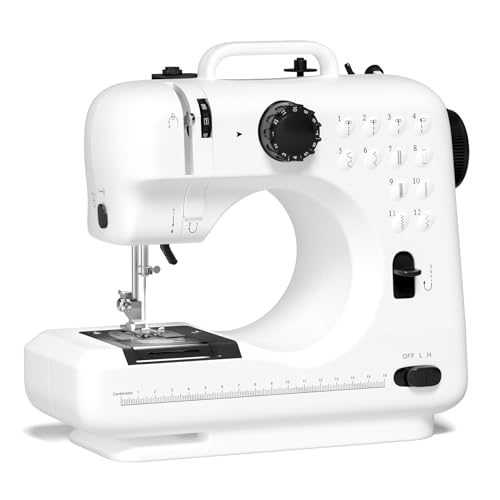
Verdanika Beginner Sewing Machine 12 Stitches (Black)
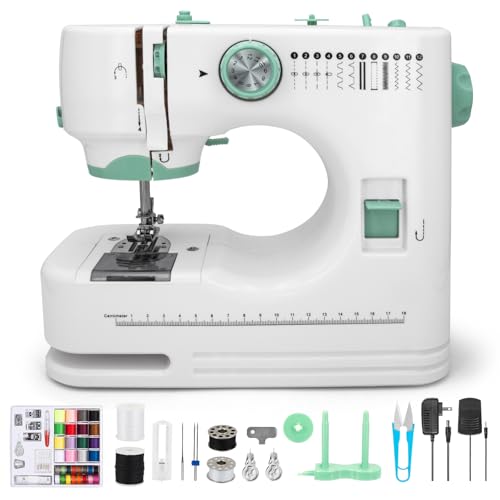
Xamanabu Beginner Sewing Machine 12 Stitches & 6 Feet
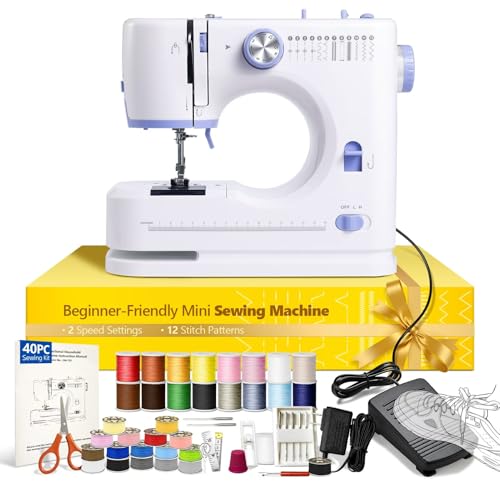
Verdanika Portable Tabletop Mini Sewing Machine
A Breakdown Of The Leading Choices
Most budget machines give you a dozen utility stitches and call it done. The XM3700 triples that, packing 37 built-ins that stretch into decorative work, heirloom stitching, and light quilting territory. That headroom matters because skills grow faster than budgets usually allow.
The included five-foot set tells you who this machine serves: zigzag, zipper, blind stitch, buttonhole, and button-sewing feet cover nearly everything a garment project asks for. A built-in storage compartment keeps those feet from wandering off in a drawer.
Notable Gains
- 37 stitches mean you won’t outgrow the machine during your first year of projects
- The blind stitch foot makes invisible hems realistic even while you’re still learning
- Dedicated onboard storage keeps accessories organized between sessions
- Button sewing and buttonhole feet remove two of the most frustrating hand tasks
Things To Consider
- Owners commonly report that plastic bobbin covers need gentle handling to avoid cracking over years of use
Key Specs
Who It Suits Best
A committed beginner or returning sewist planning garments, quilts, and decorative work who wants one purchase to last several skill levels.
A Better Fit Elsewhere
Anyone wanting a simpler, lighter starter setup will find the Brother FB1757X easier to master first.
Where the XM3700 chases variety, the FB1757X keeps things lean at 17 built-in stitches. That’s still plenty for garments, accessories, and household projects, and fewer dials means less time reading manuals. For many first-time owners, simplicity beats option overload.
Two features stand out for everyday clothing work. The free arm lets you slide sleeves and pant legs around the needle area cleanly, and an LED-lit work surface helps when threading needles under dim evening lighting. A reverse button reinforces seams where stress concentrates.
What Helps Most
- Free arm turns cuff and hem repairs into quick, tidy jobs
- LED lighting reduces eye strain during late-night mending sessions
- Reverse stitching locks seams so they survive real wear and washing
Small Caveats
- The 4-step buttonhole requires manual stops at each stage, which takes practice before results look consistent
- Fewer stitches than the XM3700 limit decorative options later on
The Right Fit
Newcomers focused on clothing alterations and household mending who value straightforward mechanical controls over a deep stitch library.
Swap It Out When
Quilters and decorative stitchers should step up to the Brother XM3700’s 37-pattern selection instead.
This Ninonly earns its spot through sheer portability. The body is small enough to live on a desk corner, and a built-in handle means you can carry it to a dorm common room, an RV, or a friend’s kitchen table without thinking twice. Twelve built-in stitches handle seams, hems, and basic edge work.
The dual power setup is the real differentiator. Run it from a wall adapter at home or switch to batteries where outlets are scarce. In our view, that flexibility suits students and travelers more than anyone else.
Advantages To Know
- Battery operation lets you mend gear on trips, boats, or anywhere outlets are scarce
- Tiny footprint fits shared dorm desks and cramped apartment tables
- Carry handle makes moving between rooms genuinely effortless
Points To Note
- Mini-class machines struggle with thick layers like denim hems, so heavy fabric work stays limited
- Battery power drains quickly on long sessions, keeping an adapter handy is wise
Quick Facts
Whose Shelf It Belongs On
Students, RV travelers, and renters needing occasional repairs without dedicating permanent table space.
Reach For A Different Pick When
Regular garment construction calls for the sturdier Verdanika tabletop model instead.
Learning to modulate speed is the hardest part of sewing, and this black Verdanika tackles it directly. You get a traditional foot pedal plus a two-speed control system, so nervous beginners can lock in low speed while confidence builds. Clear printed guides for stitch selection and tension adjustment shorten the early learning curve considerably.
Compared with the Ninonly mini above, this one trades some travel convenience for a more planted, controllable feel at a home workstation.
The Upside
- Dual pedal-and-button control lets you learn at whatever pace feels safe
- Two-speed setting prevents runaway stitching during early practice runs
- Printed tension and stitch guides reduce guesswork on unfamiliar fabrics
- Portable size moves easily between a craft table and storage closet
Honest Caveats
- The 12-stitch ceiling means decorative work stays basic compared with Brother’s offerings
- Lightweight bodies like this can shift slightly on slick tables during fast pedal work
Feature Snapshot
Made For
True first-timers practicing at home on cottons and medium-weight fabrics who want forgiving speed controls.
Not Your Match When
Sewists needing more stitch variety will prefer the Xamanabu’s expanded accessory set.
Accessory bundles are where budget machines quietly win or lose, and shipping six presser feet puts this Xamanabu ahead of most rivals at its level. Extra feet typically cost money separately, so having them included stretches a tight budget further. Each foot unlocks a specific task, from zippers to edging, without extra purchases.
Control options mirror the Verdanika above: a foot pedal for gradual speed modulation, or push-button running with distinct low and high settings. Depending on your fabric mix, that dual approach handles both delicate materials and thicker layers reasonably well.
What Works In Its Favor
- Six included presser feet expand project range without additional spending
- Pedal mode gives smooth, gradual speed changes for tricky curves
- Push-button high/low settings suit hands-on-top guiding techniques
Trade Offs
- With 12 stitches, elaborate decorative work remains out of reach versus the XM3700
- More included parts mean more small pieces to track and store between uses
Details At A Glance
Right Fit For
Budget-conscious hobbyists experimenting across project types who want maximum accessories per dollar spent.
Another Choice May Suit
Minimalists who’d rather skip extra parts should look at the simpler Verdanika black model.
One weakness plagues most mini machines: they vibrate and wander mid-seam. This second Verdanika entry addresses that with an internal metal frame, which anchors the mechanism far better than all-plastic builds. On a wobbly apartment dining table, that stability difference shows up immediately in straighter seams.
You get the familiar formula otherwise: 12 stitch patterns covering seams, hems, edges, and buttonholes, paired with two-speed control. Low speed keeps newcomers steady while high speed pushes through longer alteration runs with clean results. It’s giftable too, which suits households introducing kids or teens to sewing.
Where It Helps
- Metal internal frame delivers steadier stitching than typical plastic-bodied minis
- Low-speed mode builds beginner confidence on curves and corners
- Compact footprint tucks into closets or shelves after each session
- Buttonhole capability covers a repair task many minis skip
Less Ideal Details
- Tabletop size limits large projects like curtains or quilts to awkward maneuvering
- The metal frame adds slight weight relative to the Ninonly travel option
Core Details
Best Suited To
Apartment dwellers and gift-givers wanting a stable, easy-to-store machine for repairs and casual DIY crafts.
Consider Something Else When
Frequent travelers prioritizing battery power should grab the Ninonly mini instead.
What Actually Matters When Choosing Budget Sewing Machines
Match The Machine To Your Projects
Hemming pants and patching bags ask very little of a machine, so a 12-stitch mini covers them comfortably. Garment construction, quilting, or decorative work demands more stitch variety and stronger feed. Write down your next three planned projects before comparing models, then buy for the third one rather than the first.
Weight And Stability Change Everything
Featherlight portables move easily but tend to shift during fast stitching, especially on smooth surfaces. Internal metal framing, like the Verdanika tabletop model carries, dampens vibration noticeably. Heavier machines reward dedicated desk space; lighter ones reward flexibility.
Controls Shape Your Learning Curve
Foot pedals offer gradual, analog speed modulation once muscle memory develops. Push-button two-speed systems flatten the early learning curve by removing throttle management entirely. Dual-control designs let you start with buttons and graduate to the pedal later, which suits cautious first-timers.
Count The Included Accessories
Presser feet determine which tasks a machine handles without extra spending. Zipper feet, buttonhole feet, and blind-stitch feet each unlock specific jobs. A bundle with five or six feet, such as the Xamanabu ships, effectively lowers the true cost of ownership.
Key Considerations Across These Picks
Traps First Timers Fall Into
The most common mistake is buying for imagined future skills instead of current projects. A 37-stitch machine sits unused if your actual need is trouser hems. Another trap: ignoring power source needs. Battery-only portables frustrate anyone planning long weekend sessions, so confirm adapter support before committing.
Where The Extra Money Goes
Higher-tier models spend their budget on stitch count, metal internals, and accessory breadth. Paying up pays off once weekly sewing becomes routine and decorative work enters the picture. Occasional menders gain little from upgrades, since any machine here handles repairs identically well.
Frequently Asked Questions
Can a budget sewing machine handle denim?
Light layers of denim generally work fine on these machines with the right needle. Multiple stacked layers may strain mini-class motors, so trim bulk where possible.
Do I need a foot pedal to sew?
No. Several picks here, including the Xamanabu and Verdanika models, offer push-button operation with fixed speed settings. Pedals simply add finer control once you’re comfortable.
How many built-in stitches does a beginner actually need?
Ten to twelve utility stitches covers seams, hems, zigzag edges, and buttonholes. Extra stitches mainly serve decorative and heirloom work later on.
Are mini sewing machines good for kids?
Supervised yes, since low-speed modes keep stitching manageable. Adult guidance on threading and sharp parts remains important regardless of model.
How often do budget machines need maintenance?
A quick lint clear-out around the bobbin case after every few projects keeps stitching clean. An annual drop of sewing machine oil on moving parts, where the manual permits, extends motor life.
Bottom Line
Every machine here solves the same core problem, which is affordable, competent sewing at home. Your choice comes down to shape and scope: the Brother XM3700 for growth room, the FB1757X for simple garment work, the minis for space and travel. Match the tool to your next three projects, not your ten-year fantasy, and any of these six will serve you well. Happy stitching.
