
Good paper is half the battle in calligraphy. The wrong sheet bleeds, feathers, or buckles the moment a wet brush touches it, and no amount of skill fixes that. Whether you practice sumi-e strokes, letter wedding invitations, or just enjoy a fountain pen on textured stock, the seven sheets below cover the full range from raw xuan to printer-friendly parchment.
A Fast Comparison Of The Options

LEATHER VILLAGE Vintage Deckled Edge Watercolor Paper 25 Sheets

Joyberg Vintage Parchment Paper 8.5 x 11 in, 70 Sheets
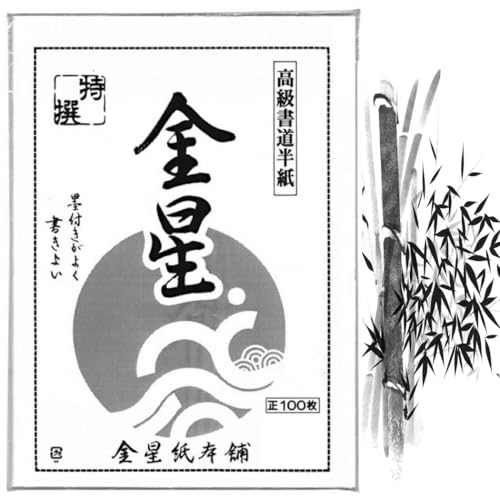
JapanBargain Calligraphy Rice Paper 100 Sheets

MEGREZ Raw Xuan Rice Paper 13.4 x 26.7 Inch

MEGREZ Raw Xuan Rice Paper 13.4 x 54.3 Inch

MEGREZ Raw Xuan Rice Paper 13.4 x 13.4 Inch

Tiankool Vintage Letterhead Paper A4, 50 Sheets
Inside Each Recommended Option
This handmade sheet comes with a deckle edge, the soft irregular border you get when paper is formed by hand rather than machine-cut. At 150 GSM (grams per square meter, a measure of paper weight) it sits firmly in watercolor territory, and the acid-free construction keeps finished pieces from yellowing over the years.
The 6×8 inch loose-sheet format suits small compositions, gift tags, and framed miniatures. Compared with the Joyberg parchment later in this list, this one leans artistic rather than office-ready, so expect visible tooth under your nib.
A Few Highlights
- Thick 150 GSM body holds up to wet media without immediate warping
- Acid-free stock resists fading and discoloration in stored artwork
- Deckled edges give every piece a finished, gallery-style border straight off the pile
- Works across watercolor, charcoal, pastel, pencil, and pen-and-ink
- Loose sheets mean no spiral binding to fight when scanning or framing
Things To Consider
- The pronounced texture may snag fine pointed nibs used for copperplate scripts
- Handmade sheets vary slightly sheet to sheet, which some owners find charming and others find inconsistent
Key Specs
Who It Suits Best
Mixed-media hobbyists and card makers who want an aged, artisanal look straight out of the pack.
Where Another Pick Suits Better
Brush-lettering students drilling daily strokes will get more mileage from the JapanBargain rice paper’s smoother absorbent face.
Where the Leather Village sheet is a studio product, this one lives happily in a home printer. The aged design prints on both sides of a standard 8.5×11 sheet, so diplomas, resumes with flair, and double-sided invitations all come out looking period-correct.
At around 100 GSM the stock is lighter than true watercolor paper but heavy enough that ink shows through less than on bargain copy paper. Seventy sheets go a long way when you’re addressing a whole guest list by hand.
Key Advantages
- Standard letter size feeds through most home printers without trimming
- Double-sided vintage printing lets you write or print on both faces
- Heavier 100 GSM build limits show-through compared with basic office paper
- Large 70-sheet pack covers events, classes, or a season of letters
Worth Noting
- Fountain pen users commonly report feathering on coated decorative surfaces, so test your ink first
- The printed antique pattern competes visually with dense calligraphy layouts
At A Glance
Right Fit For
Event hosts and teachers producing certificates, awards, or themed stationery in volume.
Consider Something Else When
Planner enthusiasts who need punched refills will prefer the Tiankool loose-leaf set reviewed last.
Shodo, the Japanese art of brush calligraphy, demands a paper that drinks ink quickly and evenly, and this made-in-Japan rice paper does exactly that. Each 11×13 inch sheet absorbs a loaded brush without the haloed edges you’d get on Western bond stock.
For anyone starting sumi-e or Chinese brush painting, a hundred cheap-but-capable practice sheets beat a dozen expensive ones you’re afraid to waste. The larger footprint also leaves room for full characters rather than cramped fragments.
Notable Upsides
- Genuine Japanese manufacture gives consistent traditional handling
- Smooth ink absorption supports clean brush flow and elegant stroke endings
- 100-sheet volume encourages fearless daily practice
- 11×13 inch size fits most standard shodo compositions comfortably
- Doubles well for stamping art and light ink-wash studies
Trade Offs
- Thin rice paper wrinkles badly when wet media pools, so flat storage matters
- Too absorbent for Western dip pens or gel ink writing
Who Will Love This
First-time shodo students and sumi-e dabblers who want authentic material without a steep commitment.
Look Elsewhere When
Advanced cursive-script painters needing bigger canvases should step up to the MEGREZ half-sheet option next.
Raw xuan, known as sheng xuan, is unsized rice paper, meaning nothing coats the fibers to slow ink spread. That gives it remarkable imbibition and infiltration: ink blooms softly outward, which is precisely what cursive grass script and traditional Chinese painting rely on.
This version runs a generous 34 x 68 cm, twice the height of its square sibling below, giving vertical compositions room to breathe. Bamboo pulp construction keeps the surface smooth, neatly cut, and free of odor, and the sheet retains good toughness despite its softness.
Well-Handled Touches
- Half-sheet format suits tall hanging compositions and multi-column text
- Renewable bamboo pulp offers a natural, clearly grained texture
- Strong ink infiltration produces the soft bleeding cursive writers want
- Smooth, cleanly trimmed edges make mounting and framing simpler
Minor Gripes
- Raw sizing punishes hesitation: slow strokes bleed wider than beginners expect
- Oversized sheets need a large flat drawer or tube for wrinkle-free storage
Best Suited To
Intermediate to advanced practitioners working cursive script or expressive Chinese brush painting at scale.
Not Your Match When
Controlled detail work on modest paper calls for the square MEGREZ format coming up in slot six.
Same bamboo-pulp raw xuan family as the previous pick, stretched into a dramatic 34 x 138 cm strip. That length matches traditional handscroll proportions, where a poem or landscape unfolds left to right as one continuous gesture.
In our view this is the pick for committed artists rather than casual practice: the format rewards planning, and each sheet represents a serious composition. Ink behavior is identical to the shorter MEGREZ sheets, with that prized soft infiltration and clean cut edges.
The Practical Payoff
- Scroll-length canvas enables authentic handscroll and long-poem formats
- Consistent bamboo pulp texture across all 100 sheets in the set
- Soft yet tough handle survives lifting and remounting during work
- No odor and a gentle natural tone keep focus on the ink
Small Caveats
- You’ll need a table over four feet long to work a full sheet flat
- Rolled shipping means sheets often arrive curled and benefit from pressing under books first
Quick Facts
Made For
Experienced calligraphers and sumi-e painters producing exhibition-length or scroll-format work.
Skip It When
Desk-bound practice in a small apartment is far easier with the compact square MEGREZ sheet below.
The third MEGREZ variant shrinks everything down to a tidy 34 x 34 cm square. Nothing changes about the material: renewable bamboo pulp, raw unsized finish, strong ink imbibition, and smooth neatly cut edges. What changes is how easily it fits into everyday life.
A square this size works on any desk, files into a standard portfolio sleeve, and wastes none of your ink budget on empty margins during drills. For most learners, that’s the sweet spot between the JapanBargain practice pad and the scroll-length professional formats.
Practical Advantages
- Square format stores flat in ordinary drawers and portfolios
- Same raw-xuan ink behavior as the larger MEGREZ sheets at a friendlier scale
- Soft, tough sheet tolerates repeated brush loading without tearing
- Natural tone and no odor make long sessions more pleasant
Points To Note
- Limited space restricts you to short passages or single large characters per sheet
- Like all raw xuan, it’s unforgiving of slow, hesitant brushwork
The Right Fit
Students and home practitioners running daily character drills in limited workspace.
Swap It Out When
Long-form composition projects belong on the 13.4 x 54.3 inch MEGREZ scroll sheet instead.
This set closes the list with a practical twist: unpunched A4 loose-leaf sheets designed to drop into ring binders and discbound notebooks. Brands like Filofax, TUL, and Levenger Arc systems accept them directly, which turns your planner into a vintage-styled journal.
The 100 GSM stock writes smoothly on both sides, and fifty sheets is a sensible refill quantity rather than a shelf-hogging bulk pack. Penpal writers and bullet-journal decorators get the antique aesthetic without sacrificing organizational structure.
Positive Points
- Unpunched format fits major binder and discbound systems directly
- Smooth 100 GSM surface handles fountain pens and fineliners cleanly
- Both-sided antique printing keeps pages presentable from either direction
- Also runs through printers for hybrid digital-plus-handmade documents
Honest Caveats
- Owners note the vintage print can look busy behind dense handwriting grids
- Unpunched sheets need a punch or compatible binding system before filing
Whose Shelf It Belongs On
Planner users, penpal correspondents, and journalers who file their written pages systematically.
A Better Fit Elsewhere
Framed certificate and invitation work suits the Joyberg parchment pack better, thanks to its full-size letter sheets.
Factors That Matter Before You Buy
Match the Paper to Your Medium
Ink-heavy brush work needs absorbent raw xuan or rice paper, while dip pens and fountain pens demand denser, more resistant stock. Watercolor and wet media call for weights around 150 GSM or higher. Buying against this rule is the fastest route to feathered, disappointing results.
Weight, Sizing, and What They Mean
GSM measures how many grams one square meter of paper weighs; higher numbers mean thicker, sturdier sheets. Sizing refers to internal or surface treatment that controls how quickly liquid spreads. Sized papers suit controlled pen work, unsized ones reward expressive brush gestures.
Format and Storage Reality
A 54-inch scroll sheet is useless without a four-foot table, and loose handmade sheets curl without flat storage. Measure your workspace before choosing oversized formats. Square and letter-sized options fit ordinary desks, drawers, and binders with zero adaptation.
Volume Versus Commitment
Practice stages burn through sheets fast, so hundred-count packs make sense early on. Display-quality work justifies smaller quantities of premium handmade stock. Matching pack size to your current stage keeps cost and clutter in check.
Key Considerations Across These Picks
Traps First Timers Fall Into
The classic error is buying beautiful decorative paper for brush calligraphy, then fighting bleed and show-through on every page. Another common slip is ignoring sheet dimensions until they arrive too large for the desk. Always check GSM, sizing, and measurements against your actual tools and space.
Where The Extra Money Goes
Premium handmade and Japanese-manufactured sheets cost more because of fiber quality, consistent sizing, and careful cutting. That consistency shows up as predictable ink behavior, which matters once your skills outgrow forgiving practice stock. Beginners gain little from the upgrade; intermediate artists gain plenty.
Frequently Asked Questions
Can I use regular printer paper for calligraphy?
It works for pencil layout and felt-tip practice, but thin copy stock feathers badly under wet ink. A heavier, sized sheet makes an immediate difference.
What does “raw xuan” mean?
Raw xuan is unsized rice paper that absorbs ink rapidly, letting it bloom outward. It’s favored for expressive brush calligraphy and traditional Chinese painting.
Do deckled edges matter functionally?
No, they’re purely aesthetic, giving a handcrafted torn-paper border. They add charm to framed or gifted pieces but don’t change writing performance.
How should I store loose calligraphy sheets?
Keep them flat in a drawer or portfolio, away from humidity and direct sunlight. Rolling causes permanent curls that complicate writing and framing.
Is rice paper suitable for fountain pens?
Generally no, since its high absorbency causes feathering and bleed-through. Fountain pens perform best on denser, coated, or sized papers.
Closing Thoughts
Paper choice shapes your calligraphy more than any nib upgrade ever will. Start with an affordable practice format like the JapanBargain or square MEGREZ sheets, then graduate to handmade or scroll-length stock as your control improves. Match the medium first, the format second, and let the aesthetics follow. Whichever sheet lands in your cart, give it a few honest sessions before judging it.
