
Soy wax punishes a bad wick. It burns cooler than paraffin, holds fragrance differently, and drowns anything that can’t keep up with its melt pool. The right wick fixes all of that quietly, while the wrong one leaves you tunneling jars and trimming soot off the rim every week. This lineup covers cotton, paper-reinforced, and wood options across six packs that suit first pours and small-batch sellers alike.
A Side-By-Side Look

Beesworks 100 Piece Cotton Candle Wick 6″ Pre-Waxed
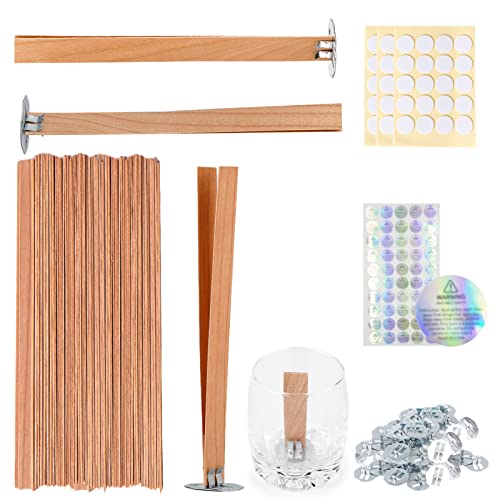
Ziosxin Smokeless Cherry Wood Candle Wicks Set, 100 PCS

EUPNHY CD Series CD 10 6″ Pretabbed Wicks, 100pcs

NOOR Wood Wicks Double Layer Crackling, 50 Pack with Clips

GSXRB 100pcs CD 6 Wicks for Soy Candles, 6 Inch
GSXRB CD Series CD 12 6″ Pretabbed Wicks, 100pcs
A Deeper Look At The Lineup
A hundred pre-tabbed cotton wicks at six inches long makes this the easiest starting point in the category. Each one arrives waxed and fitted with a half-inch metal base, so you skip the dipping-and-tabbing stage entirely and go straight to centering the wick and pouring.
The plain cotton construction suits nearly any wax you’re likely to pour, from soy blends to beeswax. That flexibility matters more than it sounds: beginners rarely stick to one wax type, and this pack won’t punish experimentation.
Strengths Worth Knowing
- Pre-waxed and pre-tabbed, cutting prep time before every pour
- Works across soy, paraffin, and beeswax without switching stock
- Lead-free and zinc-free cotton keeps the burn clean-smelling
- Hundred-count supply lasts dozens of practice candles
Things To Consider
- Plain cotton offers no reinforcement, so very soft soy may need a size up depending on your jar width
- No sizing guidance comes with the pack, which leaves melt-pool matching to trial
Who Should Grab It
Anyone making their first dozen candles who wants one affordable pack that works with whatever wax lands in the cart.
A Better Fit Elsewhere
Pouring heavily scented soy regularly? The EUPNHY CD 10 pretabbed wicks hold up better under high fragrance loads.
This set reads like someone anticipated everything a wooden-wick project needs. Alongside 100 natural cherrywood wicks you get 50 metal bases, 60 glue dots, and 50 warning labels, so a batch of giftable crackling candles needs no second order.
The assembly routine is simple once learned: seat the wick in its iron frame, fix it to the container bottom, pour your molten wax. Cherrywood catches readily and burns without the black smoke some cheaper wood wicks produce, which matters when candles sit lit through an evening.
Benefits That Matter
- Complete kit means bases, dots, and labels arrive together
- Cherrywood lights easily and stays low-smoke during long burns
- Wooden wicks give that fireplace-style crackle guests notice
- Hundred-wick supply covers multiple gift batches or market stock
Worth Bearing In Mind
- Wood wicks demand a wider, shallower melt pool, so vessel choice narrows compared with cotton picks like the Beesworks pack
- Glue-dot mounting takes a steadier hand than dropping in a pre-tabbed cotton wick
Made For
Hobbyists selling or gifting wooden-wick candles who want the whole accessory chain in one purchase.
Where A Sibling Pick Shines
Wanting the crackle sound without assembly fuss points you toward the NOOR double-layer pack instead.
CD stands for coreless design: flat-braided cotton woven with paper threads for extra stiffness. That rigidity is the whole story here. The wick stands upright on its own during the pour and stays vertical deep into a tall jar, where floppy pure-cotton wicks lean and drown.
In practice, this construction earns its keep with fragrance-heavy soy. Heavily scented batches burn cooler and wetter, and the paper-reinforced braid pulls fuel consistently where a plain wick sputters. Compared with the Beesworks cotton pack, this is the step up once your recipes get ambitious.
What Earns Its Place
- Cotton-and-paper braid sustains a steady flame under high fragrance loads
- Stiff enough to stand straight through pouring without wick holders
- Pretabbed bases drop straight into the jar
- Designed around softer, thicker natural waxes like soy
Small Caveats
- CD 10 sizing fits a specific melt-pool range, so oversized vessels will still tunnel unless you move up a size
Feature Snapshot
Right Fit For
Intermediate makers running eight-plus percent fragrance loads in standard soy jars.
Swap It Out When
Wide-diameter vessels call for the hotter-burning GSXRB CD 12 further down this list.
Most wood wicks arrive as bare slats you have to soak, sandwich, and clip yourself. NOOR ships these already assembled: a 5.1 by 0.5 inch base bonded to a thinner booster layer and pressed into a metal sustainer, ready to place and pour. That alone removes the fiddliest hour of wooden-wick work.
The booster exists because wood draws fuel slowly. In dense soy wax a single ply starves and self-extinguishes mid-burn, a failure owners report constantly with cheap single-layer slats. The second layer feeds the flame, producing that signature crackle reliably rather than occasionally.
The Value In It
- Factory-assembled double layers eliminate soaking and manual stacking
- Metal sustainers keep each wick anchored and centered
- Booster ply prevents the drowning problem common in single-layer wood wicks
- Delivers the hearth-like crackle wooden wicks are known for
Potential Sticking Points
- Wood burns best after a trim, so plan on clipping between sessions
- Only 50 pieces per pack, roughly half the supply of the cotton picks here
Core Details
Whose Shelf It Belongs On
Makers building premium-looking soy candles where the crackle is part of the product experience.
Not Your Match When
High-volume production runs favor the hundred-count Ziosxin cherrywood set for cost per unit.
Where the EUPNHY CD 10 targets mid-size jars, this GSXRB pack steps down to CD 6 sizing, matched to a melt pool around 2.1 inches across. Small tins, votives, and slim jars are exactly where oversize wicks cause soot and rapid burn-through, so correct sizing does more work here than raw power.
The same cotton-and-paper weave carries over: fuller combustion than pure cotton, a steadier flame than wood, and a stiff braid that resists bending when hot wax hits it. Owners commonly note these stand straight without clips, which speeds up batch pouring noticeably.
What Helps Most
- CD 6 gauge suits roughly 2.1-inch melt pools in small containers
- Cotton-paper blend burns more completely than plain cotton
- Flame stays steadier than comparable wooden wicks
- Stiff weave resists bending or snapping during the pour
Points To Note
- Undersized for typical 3-inch jars, so match your vessel before ordering
- Pre-wax coating means trimming behavior differs slightly from raw wicks
Who Will Love This
Makers filling tins, votives, and travel-sized soy candles in volume.
Reach For A Different Pick When
Larger jars need the hotter GSXRB CD 12 from the next section.
This is the big sibling of the CD 6 earlier in the list, bumped to CD 12 strength for melt pools around 2.4 inches. Wide tumblers and double-wick-style vessels are where undersized wicks fail hardest, leaving a ring of unburned wax along the glass that no amount of burning time recovers.
You get the identical construction benefits: cotton-and-paper braid, metal-tabbed base, pre-waxed for immediate use. The heavier braid throws more heat, which is precisely what wide soy pools demand. One honest caveat worth weighing: in narrow vessels this size overheats fast, so measure before committing.
The Helpful Details
- CD 12 output matches roughly 2.4-inch melt pools
- Hotter, wider flame prevents edge hang-up in broad jars
- Same rigid cotton-paper weave as the smaller GSXRB pack
- Pretabbed and pre-waxed for direct-to-jar convenience
Less Ideal Details
- Oversized for slim containers and will soot if forced into them
- Stronger heat output shortens burn time relative to smaller gauges
The Numbers That Matter
Built With In Mind
Sellers and hobbyists pouring wide-mouth soy tumblers who’ve fought edge hang-up before.
Consider Something Else When
Standard 3-inch jars with moderate scent loads are better served by the EUPNHY CD 10.
What Matters Before You Commit
Match The Wick To Your Vessel
Melt-pool width drives everything. A wick sized for a 2.1-inch pool will tunnel a 3-inch jar, while a CD 12 dropped into a votive tin will smoke and burn through wax far too quickly. Measure your container’s inner diameter first, then buy the gauge that matches it.
Understand Wick Construction Types
Cotton wicks are forgiving and versatile but lack stiffness in soft soy. Paper-reinforced CD braids add rigidity and handle fragrance loads better. Wood wicks trade ease for ambiance, delivering crackle at the cost of stricter trimming and vessel requirements. Pick the trade-off that fits your goals, not the trend.
Buy For Batch Size
Hundred-count packs bring the per-unit cost down sharply, which matters once candle-making stops being a weekend experiment. Fifty-piece wood sets suit occasional gifting; bulk cotton suits anyone testing recipes weekly.
Key Considerations Across These Picks
Traps First Timers Fall Into
The most common error is buying one wick size and forcing it into every jar. The second is skipping test burns: a wick that looks right can still tunnel in your specific wax and fragrance combination. Pour a sample candle and burn it fully before committing a whole batch.
When Paying More Pays Off
Reinforced CD braids and factory-assembled wood wicks cost more per piece because they solve real failures: drowned flames, leaning wicks, self-extinguishing burns. Casual crafters won’t feel those problems often. Anyone selling candles or running high fragrance loads will recover the difference quickly in fewer ruined batches.
Frequently Asked Questions
Are pre-waxed wicks necessary for soy candles?
They’re not required, but they make wicks easier to handle and help them light consistently. Most home crafters find the convenience worth it.
How do I know which wick size my jar needs?
Measure the inner diameter of your container and match it to the manufacturer’s stated melt-pool range. Then confirm with a full test burn.
Why does my soy candle tunnel even with a good wick?
Tunneling usually means the wick is undersized for the vessel, or the first burn was cut short. Soy needs a full melt pool to the edges on its initial lighting.
Do wood wicks work well in soy wax?
Yes, though they burn best in shallow, wide vessels and benefit from double-layer designs. Single-ply wood wicks frequently struggle in denser soy blends.
How should leftover wicks be stored?
Keep them sealed away from humidity in a cool drawer or bin. Moisture and dust degrade both the wax coating and the braid over time.
Closing Thoughts
Every pick here solves the same core problem differently: keeping a soy candle’s flame fed evenly from first light to last. Start with the Beesworks pack for cheap experimentation, move to reinforced CD braids once fragrance loads climb, and reach for wood when ambiance becomes part of the product. Match the gauge to your jar, run one honest test burn, and your candles will thank you with clean, even pools every time.
