
Anyone who makes cards knows the frustration of a warped panel or a photo that peels off the page two weeks later. The right adhesive changes that. This roundup covers seven options for card makers, scrapbookers, and paper crafters, from big-bottle workhorses to pen-style applicators built for tiny die cuts. Each one suits a different style of crafting, so match the glue to your projects rather than chasing a single universal answer.
The Main Contenders

Aleene’s All Purpose Tacky Glue 8-Ounce Clear

Secopad Scrapbook Tape 12 Pack Glue Tape
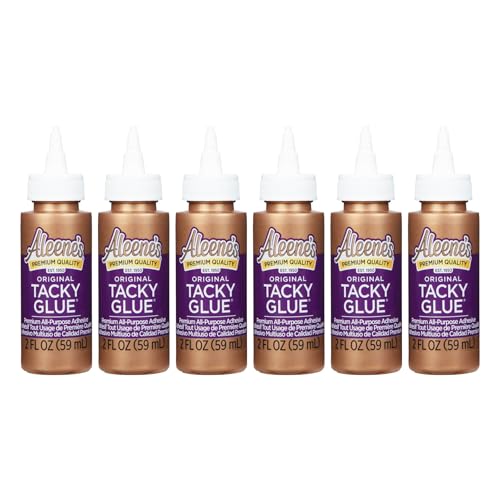
Aleene’s Original Tacky Glue 2 fl oz 6-Pack

Tombow Mono Multi Liquid Glue 0.88 Ounce

Kuretake Zig 2 Way Glue Pen 2mm Fine Tip 3 pcs

Kuretake Zig 2 Way Glue Pen 1mm Ball Tip 3 pcs

Tonic Studios Nuvo Deluxe Adhesive 120ml
The Strengths Of Each Pick
This is the bottle that lives on most serious craft tables for good reason. The tacky formula grabs odd surfaces like wood, metal, glass, ceramic, styrofoam, and many plastics, not just paper, so a single 8-ounce bottle can handle a card front plus its embellishments.
The dried result stays flexible and turns clear, which matters when you are bonding ribbon to textured cardstock or attaching burlap accents. One honest limit worth knowing up front: this version is not meant for washable wearables, so keep it off anything headed for the laundry.
What Works In Its Favor
- Bonds an unusually wide range of materials beyond paper, from glass to styrofoam.
- Dries clear and stays flexible, so bonded layers resist cracking on folded cards.
- The 8-ounce size covers months of regular card making without constant repurchasing.
- Tacky initial grab holds embellishments in place while you position them.
Small Caveats
- Liquid glue can wrinkle thin cardstock if you apply it heavily; a light coat avoids the pucker.
- Not formulated for garments you plan to wash.
Key Specs
Who It Suits Best
Crafters who mix materials on their cards and want one dependable bottle for everything from paper to plastic charms.
Where A Sibling Pick Shines
For pure paper layering with pinpoint control, the Tombow Mono Multi Liquid Glue gives you finer application than this broad-surface formula.
Roller tape is the fastest way to adhere a full card panel, and twelve dispensers mean you can stash one in every project bag. Unlike liquid adhesives such as the Aleene’s above, there is nothing to spread and no waiting period before you close the card.
The light-colored shell keeps things tidy on a busy desk, and the double-sided adhesive grips photos without the mess liquid glues sometimes leave behind. You trade some fine-point control for speed, which is exactly what scrapbooking marathons call for.
The Upside
- Bonds instantly, so finished pages go straight into albums without drying time.
- Twelve dispensers keep a spare in your travel kit, classroom caddy, and main workspace.
- Adhesive holds photos and paper securely over the long term.
- Clean roller application means no smears on glossy photo surfaces.
Points To Note
- Wide coverage is less precise than a tip-style glue for small die cuts.
- Dispensers add storage bulk compared with a single flat tape roll.
Right Fit For
Scrapbookers assembling multi-photo layouts who value speed and a clean desk over micro-level placement control.
Reach For A Different Pick When
Card makers working with intricate stamped images will get cleaner results from the Kuretake 1mm ball tip pen instead.
Six small bottles change how you use a classic adhesive. Instead of hauling one large jug around, you can dedicate a 2-ounce bottle to each station: kids’ table, card class, travel kit. The Original formula sets quickly and dries clear, matching the performance of the bigger Aleene’s bottle at number one.
The smaller format also helps with freshness, since less adhesive sits exposed in an open bottle between sessions. For group settings, that alone justifies the six-pack arrangement.
Strong Points
- Six bottles let several people craft simultaneously without sharing.
- Dries fast and clear, keeping card deadlines realistic.
- Small bottles stay fresher between uses than one large container.
- All-purpose formula handles paper crafts and general DIY alike.
Honest Caveats
- Total volume is lower than a single large bottle, so heavy users refill sooner.
- Standard squeeze tips offer less precision than pen-style applicators.
Made For
Teachers, troop leaders, and craft-group hosts who need multiple usable bottles at once without a big upfront spend.
Another Choice May Suit
Solo crafters working daily may prefer the single 8-ounce Aleene’s All Purpose bottle for its larger capacity and wider material range.
Twin tips solve the oldest problem in paper gluing: covering a broad area neatly versus placing a tiny accent precisely. The wide tip floods larger panels while the pen tip traces narrow borders, all from one 0.88-ounce body that slips into a pencil case.
The glue goes on white so you can see where it landed, then clears as it dries into a strong permanent hold. There is also a repositionable mode, letting you nudge elements before committing. Acid-free and photo-safe construction protects keepsake albums, a detail the basic tacky formulas do not emphasize.
Noteworthy Benefits
- Two tip sizes cover both broad coverage and detail work in one tool.
- White-to-clear formula shows placement while wet, then disappears when dry.
- Repositionable option lets you adjust pieces before setting them permanently.
- Acid-free, photo-safe chemistry suits heirloom scrapbooks and archival cards.
Worth Bearing In Mind
- The small bottle runs out faster during heavy production weeks.
- Pen tip needs rinsing after sessions to prevent clogging, per common owner reports.
Feature Snapshot
The Right Fit
Paper crafters who layer stamped images and die cuts daily and want archival-friendly chemistry in a portable format.
Swap It Out When
Volume crafters burning through adhesive quickly will find better economy in the Aleene’s Original 6-pack.
Made in Japan, this three-pen set behaves like two adhesives in one. Apply while the glue reads blue and wet for a permanent bond, or let it dry clear first for a temporary hold you can peel apart later. That dual behavior is genuinely useful for masking techniques and test-fitting delicate pieces.
The 2mm tip lays down a controlled line suited to glitter, embossing powder, flocking, and even refreshing a cutting machine mat’s stickiness. Compared with the Tombow’s twin tips, this pen trades broad coverage for cleaner lines on decorative work.
What It Does Well
- Blue-to-clear color shift signals whether the bond is permanent or temporary.
- 2mm line width suits glitter, embossing, and flocking applications.
- Three pens keep backups on hand across multiple workspaces.
- Drip-free flow keeps greeting card fronts spotless.
Things That May Matter
- Narrow tip is slow for covering large background areas.
- Pen bodies need caps secured tightly between uses to avoid tip drying.
Quick Facts
Whose Shelf It Belongs On
Intermediate card makers who experiment with glitter, embossing, and mixed decorative effects want this versatility.
Consider Something Else When
For ultra-intricate die cut fragments under 2mm wide, the 1mm ball tip version below offers even tighter accuracy.
This sibling to the 2mm set narrows the tip to a 1mm ballpoint, which is where very fine die cut lettering and lace-style frames finally become manageable. A rolling ball distributes adhesive evenly, so thin outlines come out consistent rather than blobby.
You get the same blue-wet permanent, clear-dry temporary behavior as the wider version, along with the same gift card and scrapbooking applications. In our view, the choice between the two Kuretake sets comes down purely to line width, since everything else carries over.
The Helpful Details
- 1mm ballpoint reaches tight corners and hairline die cut shapes.
- Rolling tip spreads adhesive smoothly without drips or pooling.
- Same dual permanent/temporary system as the 2mm set for flexible workflows.
- Three-pen supply suits shared craft rooms and long project runs.
Details To Watch
- Too narrow for efficient large-area coverage on card backgrounds.
- Ballpoint tips perform best with gentle pressure, a habit some users take time to build.
Core Details
Who Will Love This
Detail-focused card artists working with intricate dies, fine script sentiments, and delicate layered florals.
Not Your Match When
Crafters covering whole card panels should step back to the Secopad roller tape for far quicker full-surface adhesion.
Waterproof bonding separates this 120ml bottle from everything else here. Cards destined for outdoor display, garden party invitations, or humid climates hold up where standard paper glues soften. The formula grips paper, fabric, and foam alike, making it a natural fit for mixed-media boards.
A built-in brush under the cap spreads thin, even coats across fabric patches and foam shapes, something neither the Kuretake pens nor the Aleene’s squeeze bottles offer. At four fluid ounces it sits between the small Tombow and the big Aleene’s in capacity.
The Practical Payoff
- Waterproof adhesion survives moisture exposure that defeats ordinary paper glues.
- Built-in brush applies smooth, controlled coats on fabric and foam.
- 120ml volume supports extended mixed-media production.
- Bonds paper, fabric, and foam for genuinely multipurpose use.
Some Limits To Know
- Brush applicators need prompt cleaning after each session to stay soft.
- Brush spreading is slower than a roller for flat paper-on-paper work.
Essential Details
Best Suited To
Mixed-media artists and outdoor-event card designers whose projects face moisture and need a durable, brush-applied bond.
Look Elsewhere When
Archival photo album work calls for the acid-free Tombow Mono Multi instead, since photo safety is its explicit strength.
What Matters Most Before Choosing Card Making Glues
Match The Adhesive To Your Main Material
Paper-only card makers get excellent results from roller tape and pen-style glues, both of which avoid wrinkling thin stock. The moment fabric, foam, wood charms, or plastic embellishments enter the picture, a tacky all-purpose formula like Aleene’s earns its place on the desk. Mixed-media work pushes you toward waterproof options such as the Nuvo Deluxe.
Think About Application Style
Squeeze bottles suit broad coverage and generous hands. Roller dispensers win on speed for full panels. Fine tips and ballpoints exist for a reason: die cut lettering, stamped outlines, and glitter lines demand placement accuracy a wide nozzle cannot provide. Many experienced crafters keep one of each type rather than forcing a single tool into every job.
Check The Chemistry For Keepsakes
Acid-free and photo-safe labels matter more than most beginners realize. Standard adhesives can discolor photos and paper over years, which ruins heirloom albums. Archival-safe formulations like the Tombow Mono Multi cost little extra and protect work you intend to last decades.
Key Considerations Across These Picks
Traps First Timers Fall Into
The most common mistake is buying one giant bottle and expecting it to do everything. Heavy liquid glue on thin cardstock causes warping, and a wide nozzle on a delicate die cut ends in smeared edges. Start with two formats, a fast roller and a fine tip, then add a specialty formula only when your projects actually call for it.
What Separates Premium From Basic
Higher-priced adhesives buy specific engineering, not marketing. Waterproof chemistry, acid-free archival formulas, dual-mode bonds, and precision tips each add real capability. Paying up makes sense once you know which feature your signature style depends on; until then, budget staples handle everyday cards admirably.
Frequently Asked Questions
Which glue works best for attaching photos in a scrapbook?
Roller glue tape like the Secopad set applies cleanly without soaking glossy photo paper. For archival safety, confirm the adhesive is labeled photo safe, as the Tombow Mono Multi is.
Can I use tacky glue on fabric for my handmade cards?
Yes, Aleene’s tacky formulas bond fabric well on decorative card projects. Skip washable wearable items, since these versions are not designed to survive laundering.
What does “two-way glue” actually mean?
Two-way glue offers two bond modes based on moisture level. Applied wet it creates a permanent hold, and applied after it dries clear it becomes temporarily repositionable.
How do I stop cardstock from wrinkling under glue?
Use a thin, even layer rather than flooding the surface, and consider a roller tape for large panels. Letting heavy embellishments sit briefly before pressing also reduces excess spread.
Do I really need different glues for different projects?
Most dedicated card makers eventually own two or three types. A general adhesive, a precision pen, and a specialty formula like waterproof Nuvo cover nearly every situation you will encounter.
Bottom Line
Your best adhesive depends on what you make most often. Fast scrapbookers should start with the Secopad roller pack, detail lovers with the Kuretake pens, and mixed-media builders with either the Aleene’s 8-ounce or the waterproof Nuvo. Match the tool to the task and every card goes together cleaner, flatter, and faster.
