
Anyone who makes cards knows the frustration of flimsy stock that buckles under ink or cracks at the fold. The right sheet changes everything: crisp die cuts, clean folds, colors that stay true. This roundup covers seven options spanning pastels, classic brights, heavyweight whites, textured scrapbook packs, and even pre-cut cards with envelopes, so you can match the paper to the project instead of fighting it.
A Side-By-Side Look

Astrobrights Punchy Pastel Cardstock 320 Sheets
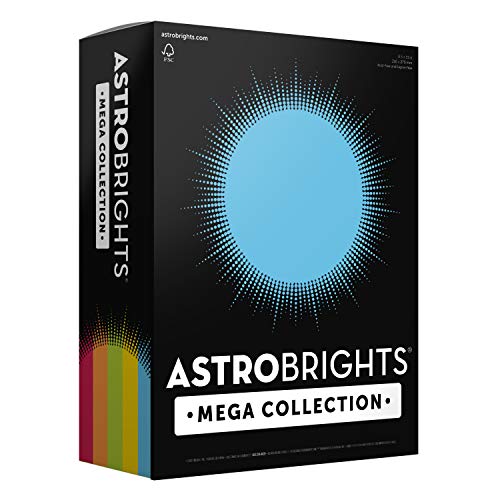
Astrobrights Classic 5-Color Cardstock 320 Sheets

Neenah Index Cardstock 90 lb White 300 Sheets

American Crafts 12×12 Autumn Cardstock 60 Sheets

Cranium Press Heavyweight White Cardstock 80 lb 50 Sheets

Purple Q Crafts Blank Cards & Envelopes 25 Pack

FLIPPED Royal Blue Cardstock 85 lb 30 Sheets
Taking A Closer Look At The Options
Three hundred twenty sheets is a lot of paper, and this assortment spreads it across five soft pastel shades in letter size. At 65 lb (176 gsm), the weight sits comfortably above standard copy paper, so a finished card feels substantial without jamming most home printers.
The softer palette suits wedding invites, baby announcements, and spring-themed designs where bold color would overpower the layout. Because the sheets run through inkjet, laser, and copier machines, you can print directly onto them rather than layering printed panels over plain bases.
Positive Points
- 320-sheet volume means you won’t ration sheets on multi-card batches like holiday sets
- Pastel range pairs well with white ink, gold foil accents, and neutral envelopes
- Printer compatibility covers inkjet, laser, and copier workflows
- Letter sizing fits standard envelope formats with no trimming
Things To Consider
- Five colors repeated across a large pack means long runs of one shade before variety returns
- Store flat and away from humidity, since lighter pastel stock can show edge waviness in damp rooms
Key Specs
Who Will Love This
Volume crafters producing event invitations or seasonal card runs in soft tones will get the most from this pack.
Swap It Out When
For bolder classroom or flyer work, the Astrobrights Classic assortment covered next delivers stronger saturation.
This is the punchier sibling of the pastel pack above, swapping muted tones for the saturated shades Astrobrights built its name on. Same format, same 65 lb weight, same generous 320-sheet count, just aimed at projects that need to pop from across a room.
Each sheet is acid-free and lignin-free, terms worth knowing: they mean the paper lacks the compounds that yellow and crumble over years. Scrapbook pages and keepsake cards made from this stock should hold their color far longer than cheap dyed alternatives.
The Practical Payoff
- Acid-free, lignin-free construction protects long-term keepsakes from yellowing
- Bright classic colors make layered card designs read clearly at a glance
- Handles copiers, inkjets, and laser printers for direct printing
- Works beyond cards: flyers, report covers, and school displays all benefit
Points To Note
- Intense shades can clash with delicate embellishments meant for softer palettes
- You may find five fixed colors limiting once a specific project calls for a custom match
Right Fit For
Teachers, students, and crafters who want one dependable colored stock covering cards, posters, and classroom handouts alike.
Where A Sibling Pick Shines
Formal stationery work favors the Cranium Press white stock later in this list, which keeps attention on your print rather than the paper color.
White cardstock sounds boring until you print on it. This Neenah sheet carries a 94 brightness rating, an industry measure of how much light the paper reflects, and higher numbers translate to sharper contrast between ink and background. Text and photos simply look crisper here than on duller stock.
At 90 lb (163 gsm), it’s heavier than the Astrobrights packs yet still light enough for most home printers to feed reliably. Three hundred sheets go a long way when every invitation, program, and insert comes off the same ream.
Key Advantages
- 94 brightness rating produces high-resolution prints with strong contrast
- Acid-free and lignin-free composition resists yellowing in stored cards
- 300-sheet quantity supports full event stationery runs from one purchase
- Smooth surface accepts both inkjet and laser output without feathering
Small Caveats
- Plain white gives you nothing to hide behind, so cutting accuracy matters more
- Owners commonly report feeding heavier stacks causes occasional misfeeds on older printers
Feature Rundown
Made For
Home printers producing printed invitations, menus, or photo cards where image quality matters more than color variety.
Consider Something Else When
Crafter’s working with die-cutting machines get better texture and grip from the American Crafts autumn pack coming up next.
Everything else on this list comes in letter size, and that’s exactly why this pack earns a spot. Twelve-by-twelve sheets suit scrapbook pages directly, and the extra width leaves room for intricate die-cut borders that letter stock can’t accommodate. The autumn palette spans 20 warm colors, three sheets of each, across 60 total.
The solid core detail matters for crafters: color runs through the entire sheet rather than sitting on a white center, so edges and cut lines show clean pigment instead of a pale stripe. At 80 lb (216 gsm) with a textured finish, it also grips cutting mats and embossing folders well.
Everyday Perks
- Solid-core construction keeps cut edges fully colored with no white reveal
- Textured surface adds tactile depth to layered card fronts
- Heavyweight body holds intricate die cuts without tearing
- Twenty-color autumn range coordinates seasonal layouts effortlessly
Less Ideal Details
- Twelve-inch square won’t feed standard home printers without trimming first
- Warm seasonal tones limit year-round use compared with neutral packs
At A Glance
Who Should Grab It
Die-cutting enthusiasts and scrapbookers building fall-themed albums or harvest-season card sets.
Reach For A Different Pick When
Printed stationery projects call for the smooth, printer-ready Neenah white stock reviewed earlier instead.
Fifty sheets doesn’t sound like much next to the 300-sheet Neenah ream, but this stock plays a different role. The bright-white shade and smooth finish are tuned for ink holdout, meaning the surface keeps ink sitting on top rather than soaking in, so fine type and dense color areas print sharply with minimal show-through to the reverse side.
That makes it a natural fit for business cards, formal invitations, and menu-style pieces where both faces matter. In our view, smaller quantity is actually sensible here: premium-feeling stock rewards careful use, not bulk consumption.
Real-World Strengths
- Strong ink holdout yields vibrant prints with little bleed-through
- High bright-white shade flatters photography and dark text equally
- Thick cover weight gives handmade cards a professional heft
What To Weigh
- 50-sheet pack runs out quickly on large batch jobs
- Heavier weight may require adjusting printer media settings to feed correctly
Whose Shelf It Belongs On
Small-business owners and stationery hobbyists printing polished, client-facing pieces in modest quantities.
Another Choice May Suit
Higher-volume white printing needs are better served by the 300-sheet Neenah Index pack from earlier in the list.
Every other item here starts as flat sheets you cut, score, and fold yourself. This set skips all of that: 25 pre-cut blank cards sized 4.25 by 5.5 inches, each matched with a white envelope. For last-minute thank-you notes or quick personalized greetings, that head start counts.
The matte white finish takes markers, stamps, and stickers cleanly, and the cards print acceptably too. One thing worth considering is scale: at 25 pieces, this works as a ready-to-decorate stash rather than a production supply, which is precisely its charm.
What Earns Its Place
- Cards arrive pre-cut and pre-scored, eliminating trimming and folding steps
- Matching envelopes included, so finished notes are ready to address immediately
- Matte surface welcomes markers, stamps, and adhesive embellishments
Room For Improvement
- Fixed 4.25 x 5.5 inch size offers no flexibility for oversized designs
- Small pack quantity means frequent reordering during busy card seasons
Product Snapshot
Perfect Match For
Busy households keeping a small stash for spontaneous thank-you notes and quick occasion cards.
Not Your Match When
Crafters wanting full control over card dimensions should stick with the flat-sheet options like the FLIPPED blue stock below.
Sometimes a project needs one decisive color, and royal blue delivered through a double-sided sheet is hard to argue with. This 30-sheet pack runs 85 lb (230 gsm), the heaviest stock in this roundup, giving gift tags, masculine-leaning greeting cards, and accent layers real structural presence.
The manufacturer describes a balanced texture, neither overly rough nor glassy, which helps various inks and mediums adhere consistently. Both faces work with inkjet, laser, and photocopier equipment, so printing white text directly onto the deep blue is a realistic option.
What Stands Out
- Double-sided coloring means no pale core showing on folded edges
- 230 gsm thickness anchors dimensional designs and layered tags
- Balanced tooth grips pencil, marker, and stamped ink reliably
- Compatible with inkjet, laser, and copier printing on either face
Factors To Consider
- Single-color pack offers no tonal variety within one purchase
- At 30 sheets, large batch projects will exhaust the pack quickly
The Numbers That Matter
Who It Suits Best
Crafters building navy-and-gold wedding suites, graduation cards, or nautical-themed tags needing one rich anchor color.
Look Elsewhere When
Multi-shade seasonal palettes are better covered by the American Crafts autumn pack reviewed earlier.
What Matters Most Before Choosing Card Stocks For Card Making
Weight Decides Everything
Cardstock weight, measured in pounds or grams per square meter, determines stiffness. Lighter 65 lb stock folds easily for card bases, while 80 lb and above holds up under die cutting and layered embellishments. Match the weight to your printer’s capabilities too, since heavier sheets sometimes need manual feeding.
Finish Shapes Your Ink
Smooth surfaces reward precise printing, letting fine text and photos render sharply. Textured finishes add tactile character but can blur tiny type. Consider what dominates your workflow: machine-printed invitations favor smooth stock, hand-stamped designs often look richer on subtle texture.
Color System And Core Construction
Assorted packs save money but lock you into fixed palettes. Solid-core sheets carry color through the entire thickness, so cut edges never reveal a white stripe, a detail that separates polished results from amateur-looking ones.
Archival Quality For Keepsakes
Acid-free and lignin-free papers resist yellowing and brittleness over time. Anything destined for a scrapbook album, wedding memory box, or keepsake drawer deserves that protection; disposable craft projects don’t necessarily need it.
Key Considerations Across These Picks
Wrong Turns To Avoid
The most common slip is buying bulk before confirming your printer handles the weight, then discovering jams and misfeeds. Another frequent mistake: ordering assorted colors for a project demanding one exact shade, leaving most of the pack unused.
Where The Extra Money Goes
Pricier stock typically buys higher brightness ratings, tighter color consistency between sheets, and archival chemistry. For client work or heirloom albums, those upgrades justify themselves. Casual kid crafts rarely need them.
Frequently Asked Questions
What does 65 lb versus 80 lb cardstock mean?
These figures describe paper density and stiffness. Heavier weights feel sturdier and resist bending, which matters for card bases versus inserts.
Can all cardstock go through a home printer?
Most of the picks here list inkjet and laser compatibility, but very heavy stock may require manual tray feeding. Check your printer’s maximum media weight first.
Why does acid-free matter for card making?
Acid-free paper lacks compounds that cause yellowing and deterioration. Cards meant to last years, especially in albums, hold up noticeably better.
What is solid-core cardstock?
It means dye saturates the entire sheet thickness rather than coating the surface. Cut edges and torn accents show full color instead of a pale inner line.
Should I buy sheets or pre-cut blank cards?
Pre-cut cards save time for quick notes and small batches. Flat sheets offer flexible sizes and better value for high-volume or custom-dimension projects.
Closing Remarks
Match the paper to the project and most card-making frustrations disappear. Bulk pastel or classic assortments cover everyday crafting, high-brightness whites handle serious printing, textured squares serve die-cutting machines, and specialty singles fill the gaps in between. Start with the pack closest to your current workload, and you’ll know quickly whether to branch out from there.
