
Cartridge tattoo needles changed how artists work, swapping loose needles and rubber bands for sealed, click-in modules that keep ink where it belongs. The catch is that not every cartridge feels the same under a machine, and buying the wrong grouping or taper shows up fast in your linework. This guide sorts through seven solid options, from budget-friendly bulk packs to premium Polish-made cartridges, so you can match your setup and style without guesswork.
The Essentials At A Glance

Mast Pro Tattoo Cartridges 1003RL Bugpin #10 Round Liner 20Pcs

STIGMA Aquamarine Knight Tattoo Cartridge Needles 50pcs Assorted RL+RM

Hawink Tattoo Cartridges Needles 50Pcs Mixed #12 Round Liner
Mast Pro Tattoo Cartridges 1005RL Bugpin #10 Round Liner 20Pcs

Mast Pro Tattoo Cartridges Bugpin Round Liner 1007RL 20Pcs
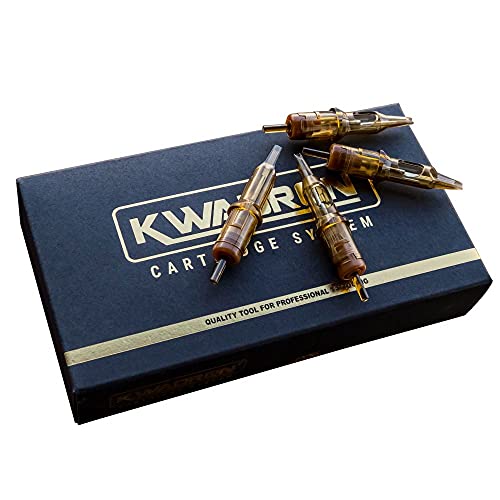
Kwadron Tattoo Cartridge Needles 35/7RLLT
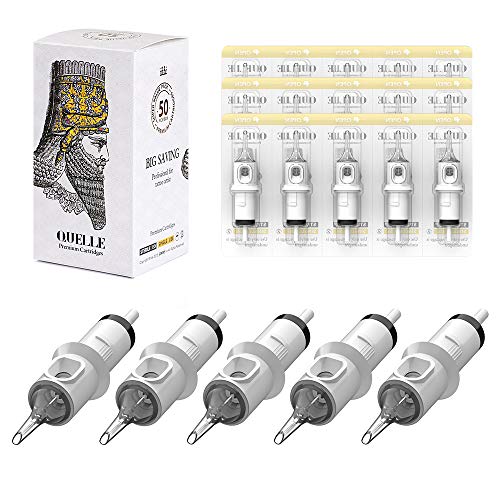
HAWINK 3RL Tattoo Needles Cartridge Bugpin X-Taper 50PCS
The Strengths Of Each Pick
A three-round-liner in bugpin gauge is the size most artists burn through first, and this 20-pack keeps the cost of practice low. The clear plastic housing matters more than it sounds: you can see ink level at a glance during a session instead of pulling the cartridge out to check.
The spring tension inside sits on the softer side, which eases strain on rotary pens during long sessions. In our view that makes this a sensible starter cartridge for anyone running a pen-style machine on script work or fine detail.
Practical Advantages
- Transparent high-density body lets you monitor ink flow mid-session without stopping.
- Softer internal tension reduces wear on your machine over months of daily use.
- Bugpin #10 gauge suits delicate linework, lettering, and single-needle-adjacent detail.
- Low cost per cartridge makes practice skin sessions guilt-free.
Small Caveats
- Twenty pieces go quickly once you’re tattooing daily; heavier users may want several packs on hand.
- The lighter tension some artists love can feel vague to those who prefer a firmer hit.
Key Specs
Who It Suits Best
Apprentices and fine-line specialists running rotary pens who want dependable liners without a heavy spend.
Reach For A Different Pick When
You need multiple groupings in one order; the STIGMA Aquamarine Knight assortment covers liners and magnums together.
Most cartridge packs force you to choose between lining and shading; this one hands you both. Five configurations ship in the box, spanning 1203RL through 1215RM, so a single order covers outlines, fills, and soft blends at a 0.35mm standard diameter.
The stainless construction pairs with individually sealed, sterilized packaging, which is what you want when cartridges sit in a drawer for weeks between appointments. The pale blue housing is a nice touch too, since it reads clearly against dark ink.
Bright Spots
- Five sizes (three liners, two magnums) handle an entire small-piece workflow from one pack.
- Surgical-grade stainless pins hold their points through longer sessions.
- Sterilized, individually wrapped units simplify studio storage and prep.
- Fifty cartridges mean fewer reorders for busy weeks.
- Membrane-equipped design helps keep ink from backing up into your grip.
Points To Note
- Assorted counts mean popular sizes like the 1203RL run out faster than the rest of the box.
- Standard 0.35mm gauge won’t suit artists committed to bugpin-only fine line work.
Made For
Versatile artists who switch between linework and shading within the same appointment and want one box to cover both.
Swap It Out When
You already know your exact size; the dedicated HAWINK 3RL fifty-pack delivers a single configuration in bulk.
Learning linework means discovering which grouping width fits your hand speed, and this mixed box answers that question cheaply. Sizes run from 3RL up to 11RL in the standard #12 diameter, all in one fifty-count package built around ethylene oxide gas sterilization.
The material split is worth understanding: tips use 316 medical-grade stainless while the bars use 304 stainless in medical-grade plastic shells. Compared with the Mast Pro picks earlier in this list, Hawink’s build leans toward a firmer, more traditional feel that many beginners find easier to read.
What Earns Its Place
- Five liner sizes let you compare grouping widths on real work instead of guessing.
- EO gas sterilization plus individual wrapping supports clean prep routines.
- Membrane barrier helps prevent ink backing into the tube or machine.
- Standard #12 gauge matches the majority of entry-level cartridge machines.
Things To Consider
- No shader or magnum groupings here; shading requires a separate order.
- #12 diameter may feel coarse for artists chasing ultra-fine single-pass lines.
Feature Rundown
The Right Fit
New artists building fundamentals on practice skin and early client work who need every common liner size available.
Where A Sibling Pick Shines
Once you settle on 3RL as your daily size, the dedicated HAWINK 3RL X-Taper fifty-pack costs less per cartridge.
The 5RL occupies a sweet spot: wide enough to lay down a confident outline, narrow enough for lettering with weight. This pack carries the same purple-housed build as the 1003RL reviewed above, with the clear body and relaxed tension carried over unchanged.
For studio artists doing neo-traditional or illustrative work, this is often the cartridge that lives in the machine. You may find the twenty-count runs short during convention season, though, so plan ahead.
Key Advantages
- Mid-width grouping balances precision with visible line presence.
- Clear housing shows ink supply at a glance during color packing nearby.
- Gentle spring tension keeps rotary motors cooler over marathon days.
- Bugpin #10 pins leave finer punctures than standard-gauge equivalents.
Less Ideal Details
- Single-size pack offers no flexibility if a client request shifts mid-day.
- Some owners report preferring to double-check alignment before first use, as with any budget cartridge line.
At A Glance
Who Will Love This
Working artists whose signature style leans on medium-weight linework and who run the same size all day.
Consider Something Else When
Your book mixes heavy traditional outlines; the Mast Pro 1007RL pack handles bolder passes better.
Seven needles soldered into one round tip gives you a line with real weight, the kind American traditional and bold script demand. This 1007RL shares the family traits of its smaller siblings: transparent housing, forgiving tension, and a price that stings far less when you snap through cartridges quickly.
One thing worth considering is that wider groupings drink more ink per pass, so the visible reservoir in the clear body earns its keep here. Traditional-leaning artists will get the most mileage from this size.
Everyday Wins
- Bold grouping lays saturated outlines in fewer passes.
- Clear shell doubles as an ink-level window during long fills.
- Consistent feel with the 1003RL and 1005RL means zero adjustment between packs.
Where It May Fall Short
- Too wide for fine-line or micro-realism work; keep a smaller size on the tray.
- Twenty-count boxes require frequent reordering at high volume.
Core Details
Who Should Grab It
Traditional and bold-lettering artists who want a dependable wide liner at a friendly cost per unit.
Not Your Match When
Detail-heavy realism drives your calendar; the Kwadron 35/7RLLT below offers tighter stabilization for that work.
Kwadron sits near the top of the cartridge market, and the difference shows in the stabilizing system that pins each needle against wobble. A long-taper seven-round-liner like this one rewards that stability, since long tapers flex more freely than short ones and any sloppiness in the housing transfers straight to the skin.
The trade-off is cost per cartridge, which runs well above the Mast Pro packs earlier in this list. For paid custom work where line quality carries your reputation, many artists consider that spend justified; for practice skin, it’s harder to defend.
Positive Takeaways
- Proprietary needle-stabilizing system keeps groupings tight at depth.
- Long taper configuration suits smooth, controlled line delivery.
- Premium plastic shells are engineered for consistent fit across machines.
- Quality materials support sharp, predictable penetration on difficult skin.
Worth Bearing In Mind
- Higher per-unit cost adds up quickly for high-volume studios.
- Long tapers demand steadier hand control, which newer artists may find unforgiving.
Right Fit For
Experienced professionals doing fine detail and custom work where consistency justifies premium consumables.
Another Choice May Suit
Budget-conscious apprentices should start with the Hawink mixed fifty-pack and graduate to Kwadron once client work begins.
An X-taper narrows gradually along the pin, which channels ink toward the tip and helps lines stay wet and consistent. Combined with the fine bugpin 3RL grouping, that geometry targets exactly the work where dry lines ruin tattoos: script, stippling shadows, and delicate single-needle-style detail.
This fifty-count box mirrors the Hawink engineering covered in pick three, same medical-grade tips and membrane barrier, just concentrated in one size. Stock up once and stop thinking about liners for a couple of months.
The Case For It
- X-taper profile promotes steady ink delivery on long, thin passages.
- Fifty units lower the effective cost per cartridge versus mixed boxes.
- Membrane design guards the machine and grip against ink backflow.
- Individually packaged, gas-sterilized units streamline tray setup.
Details To Watch
- Committing to fifty of one size only pays off if 3RL genuinely dominates your work.
- Bugpin gauge asks for slower hand speed than standard-diameter liners.
Quick Facts
Who It Suits Best
Fine-line and lettering specialists who run 3RL constantly and want bulk supply without sacrificing membrane protection.
Look Elsewhere When
You’re still exploring sizes; the STIGMA Aquamarine Knight assortment lets you sample five configurations first.
What Matters Before Choosing Cartridge Tattoo Needles
Gauge And Grouping Width
Gauge refers to the diameter of each individual pin, with bugpin #10 sitting finer than standard #12. Finer gauges leave smaller punctures, ideal for delicate detail, while standard diameters push ink faster on bold work. Match the grouping width (the number of needles in the round tip) to the line weight your style demands rather than defaulting to one size.
Taper Length And Ink Flow
The taper is the gradual narrowing at each needle’s point. Longer tapers hold more ink along the shaft and deliver smoother saturation, but they ask for more controlled hand movement. Shorter tapers feel stiffer and forgive a heavier hand, which suits newer artists still calibrating voltage and speed.
Sterilization And Membrane Barriers
Every cartridge here arrives individually packaged and sterilized, but verify that on any listing you consider. A membrane, a thin barrier inside the cartridge body, stops ink and fluid from traveling back into your machine’s motor housing. On a rotary pen costing hundreds of dollars, that barrier quietly extends equipment life.
Pack Size Versus Real Usage
Bulk boxes reward consistency; assortment boxes reward exploration. Track which sizes you actually finish before committing to fifty-unit packs of a single configuration.
Key Considerations Across These Picks
Traps First Timers Fall Into
Ordering one hundred cartridges of a single size before confirming it fits your style wastes money and drawer space. Another common slip is ignoring gauge entirely, then wondering why fine-line work looks heavy. Buy small mixed quantities first, note what empties fastest, and scale from there.
What Separates Premium From Basic
Higher-priced cartridges fund tighter manufacturing tolerances, stabilizing systems, and sharper steel. On practice skin the gap barely registers; on paid custom work, steadier needle groups translate directly into cleaner healed lines. Spend up once client work becomes routine.
Frequently Asked Questions
What does 3RL mean on a cartridge?
It indicates three needles soldered in a round liner configuration. Smaller numbers produce thinner lines.
Are bugpin and standard gauge interchangeable?
They fit the same machines but behave differently. Bugpin leaves finer marks, while standard gauge saturates faster on bold work.
Do all cartridges fit every tattoo machine?
Most modern rotary pens accept standard cartridge formats. Check your machine’s compatibility before ordering a large quantity.
Why does the membrane matter?
It blocks ink and bodily fluids from reaching your machine’s internals. That protects the motor and simplifies cleanup between clients.
How should unused cartridges be stored?
Keep them sealed in their original sterile packaging, away from direct sunlight and humidity. Discard any wrapper that arrives damaged.
Bottom Line
Match the cartridge to the work in front of you, not to whatever box is cheapest that week. Fine-line artists should lean toward the HAWINK X-Taper bulk pack, versatile mixers will get the most from the STIGMA assortment, and working professionals charging for custom pieces have every reason to try the Kwadron. Whichever direction fits your table, each option here covers a genuine need without overselling itself.
