
Whittling looks simple until your first blade slips, dulls in an afternoon, or chews up a basswood blank you spent an hour shaping. The right carving knives for wood change that experience completely: clean cuts, comfortable handles, and edges that stay sharp through a whole evening on the porch. This roundup covers complete starter kits, single-purpose detail knives, protective gloves, and one pocket folder for carvers who like to work anywhere. Whether you’re roughing out your first spoon or refining tiny facial features, there’s a tool here matched to that job.
A Fast Comparison Of The Options

Hutsuls Wood Whittling Kit for Beginners (8 Pieces)

BeaverCraft Whittling Knife C2 6.5″

BeaverCraft Sloyd Knife C4s 3″ with Leather Sheath

Flexcut KN600 Beginner Palm & Knife Set

BeaverCraft Wood Carving Gloves CRG Level 5
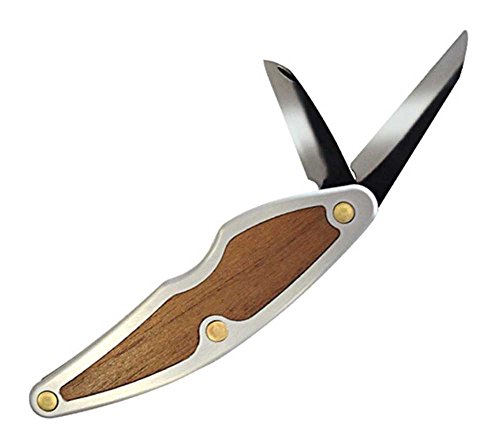
FLEXCUT Whittlin’ Jack JKN88 Pocket Carving Knife

BeaverCraft Spoon Carving Kit S14
A Deeper Look At The Lineup
Starting from zero usually means buying three separate tools before you carve a single spoon, and that’s the problem this kit solves. You get three distinct blades: a standard whittling knife for shaping, a curved hook knife for hollowing bowls and spoons, and a chip carving knife for fine detail work.
The ashwood handles are shaped to reduce hand fatigue during long sessions, which matters more than most newcomers expect. A leather strop with polishing compound keeps edges keen between sharpenings, cut-resistant gloves add a safety margin while your technique develops, and everything stores in a roll bag. It arrives gift-boxed too, so it works as a present without extra wrapping effort.
Bright Spots
- Three blade profiles cover shaping, hollowing, and detail work from day one
- Ergonomic ashwood handles support multi-hour sessions without hot spots
- Gloves included, so protection doesn’t become a second purchase
- Strop and compound let you maintain sharpness instead of re-buying blades
- Roll bag keeps all eight pieces organized in a drawer or backpack
Things To Consider
- Carbon steel edges need a quick wipe-down after use or surface rust can appear over time
- The hook knife takes some practice before spoon bowls come out smooth
Key Specs
Who Should Grab It
Anyone opening their first basswood blank who wants every essential in a single purchase rather than piecing tools together.
Another Choice May Suit
Carvers who already own a general knife and only want spoon-specific tools should look at the BeaverCraft Spoon Carving Kit S14 further down this list.
Where the Hutsuls kit throws breadth at the problem, the C2 goes narrow and deep. Its thin, pointed tip is built for delicate cuts on small workpieces, the kind of work where a wider blade simply gets in the way. Chip carving, tiny facial features, tight corners: this is the tool that reaches them.
The carbon steel edge arrives very sharp and leaves smooth finishes on fine cuts, according to what owners commonly report. That same fineness is the trade-off. A blade this thin will bite skin quickly, so slow, controlled strokes are the operating rule here. For a second knife alongside a general-purpose sloyd, it fills the gap almost nothing else covers.
Strengths Worth Knowing
- Thin pointed tip reaches small details wider knives can’t access
- Very sharp carbon steel edge produces smooth finishes on fine cuts
- Compact size suits small workpieces and close-quarters carving
Small Caveats
- The fine blade cuts skin easily, so careful technique is non-negotiable
- Too specialized as a lone first knife for roughing out blanks
Feature Snapshot
Made For
Hobbyists adding a dedicated detail knife to an existing kit, or chip-carvers working small figures and ornaments.
Reach For A Different Pick When
If your projects lean toward big roughing passes rather than fine lines, the BeaverCraft Sloyd Knife C4s handles material removal far better.
Sloyd is the Swedish tradition of general-purpose carving, and the C4s embodies it: one long, narrow blade with a curving point that roughs, shapes, and sneaks into tight spots. Compared to the detail-focused C2 reviewed above, this is the broader workhorse you’ll reach for first on nearly any project.
The blade is 1066 high-carbon steel, a grade chosen specifically because it holds a sharp edge and shrugs off frequent use. That matters when you’re removing material for twenty minutes straight and don’t want to stop and hone mid-session. A leather sheath comes included, which protects both the edge in storage and your hands when digging through a tool bag.
The Value In It
- Long narrow blade handles roughing, shaping, and delicate passes alike
- Curved point works into tight areas other profiles can’t reach
- 1066 high-carbon steel holds its edge through heavy repeated use
- Leather sheath adds safe storage and blade protection out of the box
Points To Note
- High-carbon steel demands drying after each session to avoid corrosion
- Single-knife buyers still need a hook knife for concave hollowing work
Right Fit For
Carvers who want one dependable everyday blade for figure carving, spoons, and general whittling without committing to a full kit yet.
Skip It When
Complete newcomers wanting gloves and multiple blade types bundled together will find better value in the Hutsuls 8-piece kit at the top of this list.
This is the step-up option in the lineup, made in the U.S.A. by a brand with a long reputation in the craft. The KN600 pairs two knives with two palm tools, meaning you get gouge-style palm carving alongside standard knife work in one purchase. Palm tools, for those new to the term, are short chisel-like instruments pushed with the heel of your hand rather than sliced like a knife.
Every piece runs on 1095 high-carbon steel, a step up in hardness from many budget imports, with ergonomic ashwood handles across the board. The honest read: you pay noticeably more than the Hutsuls or basic BeaverCraft options, but you’re buying American manufacturing and a brand whose replacement parts and sharpening guidance are widely available.
What Earns Its Place
- Four tools span both knife carving and palm gouge techniques
- 1095 high-carbon steel blades offer strong edge retention
- U.S.A. manufacturing backs long-term availability of matching accessories
- Ergonomic ashwood grips keep pressure comfortable on longer sessions
Trade Offs To Consider
- No gloves or strop included, unlike cheaper bundles on this list
- Price sits well above entry-level kits, a real commitment for untested interest
Core Details
Who Will Love This
Committed beginners and intermediate carvers who’d rather buy once at a higher tier than replace a starter kit within a year.
Consider Something Else When
Budget-first shoppers testing whether the hobby sticks should start with the Hutsuls kit and upgrade to Flexcut later.
Not a knife, but arguably the smartest companion purchase in this entire category. Every review above mentions sharp carbon steel, and Level 5 is the highest common rating for cut-resistant fabric, meaning these gloves are engineered against exactly the kind of thin blade slips that happen during detail work.
They’re rated for whittling, general woodworking, and food prep, so kitchen duty gives them a second life between carving sessions. One thing worth considering: cut-resistant material slows a blade, it doesn’t make your hands invincible, and these cover the hand rather than the thumb tip depending on how you grip. Still, for anyone learning control or handing tools to teenagers, they remove a lot of the hesitation that makes people carve tentatively.
A Few Highlights
- Level 5 cut resistance targets the highest common protection rating
- Doubles as food-prep gloves, extending usefulness beyond the workshop
- Builds confidence for beginners practicing new strokes
Less Ideal Details
- Protection has limits, so careful technique remains essential around very thin blades
- Some users report a break-in period before the fit feels natural
Who It Suits Best
New carvers, parents supervising kids, and anyone pairing these with the sharp C2 detail knife for safer fine work.
Look Elsewhere When
Experienced carvers with established technique may find the Hutsuls kit’s included gloves sufficient without a separate purchase.
Fixed-blade kits like the Flexcut KN600 carve beautifully but never leave the workshop bench. The Whittlin’ Jack fixes that: two folding blades in an aluminum-and-wood handle weighing about 3 ounces, closing to roughly 4.25 inches. It disappears into a jacket pocket, which means impromptu carving on lunch breaks, campfires, and waiting rooms.
You get a 1.5-inch detail blade for fine sculpting plus a 2-inch roughing blade for aggressive material removal, effectively combining the roles of the C2 and C4s from earlier in this list into one folding body. Both blades are precision-machined high-carbon steel, U.S.-made like the rest of Flexcut’s line. The compromise is ergonomics: a compact handle can’t match the full-size grip of fixed knives during marathon sessions.
Why It Works Well
- Two blade lengths cover both detail sculpting and rough stock removal
- Folds to about 4.25 inches at roughly 3 ounces for true pocket carry
- High-carbon steel machining delivers clean cuts and good edge life
- Aluminum and wood handle construction feels solid despite the light weight
Worth Noting
- Smaller handle offers less leverage than fixed-blade carving knives on long sessions
- Folding joints need occasional cleaning to keep blade action smooth
Quick Facts
Whose Shelf It Belongs On
Commuters, campers, and anyone who carves in stolen moments away from a proper workbench.
Not Your Match When
Dedicated studio carvers wanting maximum handle comfort should stick with the fixed-blade Flexcut KN600 set instead.
Spoons, kuksas, and bowls need a different toolkit than figures do, and the S14 assembles exactly that trio: a spoon knife for hollowing concave curves, a whittling knife for outside shaping, and a long-bent bowl gouge for deeper scooping. Where the Hutsuls kit samples every discipline, this one commits fully to green-wood kitchenware.
The oak handles come treated with linseed oil, which improves grip security and helps the wood resist moisture from fresh-cut stock. That treatment also means occasional re-oiling keeps handles in good condition over years of use, a small maintenance habit worth adopting. For carvers whose goal is a shelf of handmade spoons, this focused trio beats assembling mismatched individual tools.
A Favorable Mix
- Three purpose-matched tools cover the full spoon-making workflow
- Linseed-oiled oak handles provide a secure, comfortable grip
- Bowl gouge reaches deeper hollows than a hook knife alone
- Suits kuksa and cup projects as readily as flat spoons
Details To Watch
- Handles benefit from periodic re-oiling to stay protected
- Narrow focus leaves figure carvers needing separate detail tools
Product At A Glance
The Right Fit
Green-wood enthusiasts focused on functional kitchenware rather than carved figures or ornaments.
Swap It Out When
General whittlers splitting time between many project types get more flexibility from the Hutsuls 8-piece beginner kit.
## What To Weigh Before Choosing Carving Knives For Wood ### Blade Steel And Edge Behavior Most quality carving knives run high-carbon steel, whether that’s 1066, 1095, or an unspecified carbon alloy. Carbon steel takes a keener edge than stainless and hones back quickly, which is why carvers favor it. The trade-off is maintenance: wipe blades dry after use and add a drop of oil for long-term storage, or rust will find them. ### Handle Shape And Session Length Ashwood and oiled oak dominate the handles in this roundup because both resist sweat and offer secure grip. Ergonomic shaping matters more as sessions stretch past thirty minutes, since fatigue leads to slips. Anyone with smaller or larger than average hands should prioritize contoured handles over straight cylindrical ones. ### Kits Versus Single Knives A kit like the Hutsuls or Flexcut sets makes sense when you’re exploring the craft broadly. Single knives such as the C2 or C4s suit carvers filling specific gaps in an existing collection. Buying singles costs less upfront but often totals more than a bundle once you inevitably add the missing blade types. ### Matching Tools To Projects Spoon carving demands a hook knife and gouge; chip carving wants a thin pointed tip; figure work leans on a sloyd and detail pair. Decide your primary project type first, then buy toward it rather than accumulating tools that don’t match the work. ## Key Considerations Across These Picks ### Traps First Timers Fall Into The classic mistake is buying a single cheap knife, finding it dull after two sessions, and concluding the hobby isn’t for them. Another common slip is skipping cut-resistant gloves entirely; the C2-class thin blades in this list deserve respect. Check what a bundle actually includes before ordering, since some “kits” omit strops or safety gear you’ll need immediately. ### What Separates Premium From Basic Higher-tier options like the Flexcut KN600 charge more for U.S. manufacturing, harder 1095 steel, and consistent quality control across every tool. That consistency shows up as edges that arrive uniformly sharp and handles finished without rough spots. Paying up makes sense once carving becomes a weekly habit rather than a weekend experiment. ## Frequently Asked Questions ### What wood should beginners practice carving on? Basswood is the standard answer because its even grain cuts cleanly in every direction. Green birch and butternut also work well once basic control develops. ### Do carbon steel carving knives rust easily? They can, since carbon steel lacks the corrosion resistance of stainless alloys. Wiping blades dry after each session and applying light oil for storage prevents most problems. ### Is a hook knife necessary for spoon carving? Yes, for hollowing the bowl itself no other profile reaches the concave curves properly. A whittling knife alone handles only the spoon’s outer shaping. ### How often do carving knives need sharpening? Light honing on a strop every few sessions maintains the edge, with full sharpening needed only occasionally. Frequency depends on wood hardness and hours carved. ### Are carving kits suitable for kids? Kits with included gloves, like the Hutsuls set, work for supervised older children. Adult oversight stays important given how sharp these edges are. ## Bottom Line Match the tool to the project and the rest follows. Total newcomers get the smoothest start with the Hutsuls kit, spoon makers should head straight for the BeaverCraft S14, and pocket carvers won’t regret the Whittlin’ Jack. Whatever route you take, keep the blades stropped, the gloves nearby, and let the shavings pile up.