
Carving covers a lot of ground: spoon whittling at the kitchen table, detail work on clay, engraving with a rotary tool in the garage. The right kit depends entirely on which of those you actually do. This list spans hand tools for beginners and hobbyists plus two powered options for faster material removal, so you can match the tool to your projects rather than forcing your projects to fit the tool.
A Fast Comparison Of The Options

Fanttik F2 PRO Cordless Rotary Tool Kit

Dremel 4000-2/32 Rotary Tool Kit
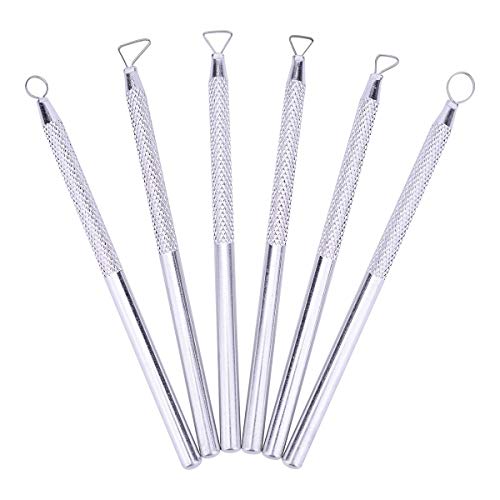
Zuoyou 6 Pcs Clay Pottery Sculpting Tools Set

TIMESETL 17Pack Small Wood Carving Set SK2 Steel

BeaverCraft Deluxe Wood Carving Kit S18X

Bluvizo Wood Carving Kit with Leather Case
The Details Behind The Selections
A rotary tool without a power cord changes how you work. You can carve a pumpkin on the porch, touch up a model on the couch, or grind a bracket in the driveway without hunting for an outlet. The F2 PRO runs on a rechargeable battery with five speed settings spanning roughly 5,000 to 25,000 RPM, so low speeds suit delicate engraving while the top end handles cutting.
The magnetic motor design keeps the body compact, and the RevoStor hub rotates 360 degrees to keep bits organized and within reach mid-project. Runtime varies with material and speed, which is worth remembering before long sessions.
The Upside
- Cordless operation means no outlet hunting or cable drag across your workpiece.
- Five speeds let one tool handle grinding, cutting, polishing, and light carving.
- The rotating magnetic holder keeps accessory swaps quick instead of fumbling through a case.
- Battery runtime stretches from short bursts up to around two hours at gentle settings.
Small Caveats
- Heavy cutting drains the battery fastest, so plan charging breaks into bigger jobs.
- Corded rivals like the Dremel deliver more sustained torque for dense hardwoods.
The Right Fit
Hobbyists and DIYers who value portability over raw sustained power will get the most from this kit.
Swap It Out When
Garage-based users running long sessions should lean toward the Dremel 4000’s corded endurance instead.
The Dremel 4000 has anchored this category since 2012, and the formula still holds: a 1.6 amp variable-speed motor, two attachments, and 32 accessories covering cutting, sanding, engraving, polishing, and wood carving. Unlike the Fanttik’s battery, this one plugs in, which means torque never sags halfway through a cut in oak.
Ergonomically, the slim barrel suits a pencil grip for detail work, and owners commonly report the housing holds up well over years of garage abuse. The current version also uses recycled plastic in the tool body, a quiet but welcome touch. For anyone doing powered carving regularly, this is the dependable baseline most accessories are designed around.
Positive Points
- Corded 1.6 amp power sustains consistent speed under load, even in hard materials.
- Variable speed control adapts from delicate engraving to aggressive cutting.
- The 32-accessory spread means fewer separate purchases down the road.
- Long track record means replacement parts and bits are easy to source anywhere.
Things To Consider
- The cord limits reach, so extension leads become part of your setup.
- Vent slots collect dust in sandy workshops and need occasional compressed-air cleaning.
- It costs more than entry kits, though the versatility offsets that for frequent users.
Feature Rundown
Who Will Love This
Regular makers with bench space who want one powered tool that grows with their skills.
Where A Sibling Pick Shines
Casual users working away from outlets will find the Fanttik F2 PRO’s cordless design far more convenient.
Clay asks for a different kind of edge than wood does. These six double-ended ribbon tools are built from aluminum alloy, each about 12.3 cm long, with shaped loops that slice cleanly through soft material instead of dragging it. Potters trimming a bowl wall, soap carvers, wax workers, and polymer-clay sculptors all fall squarely inside their range.
The metal construction rinses clean under a tap, which matters more than any spec when clay dries into every groove. At roughly five inches, they sit comfortably in either hand, and the loop ends reach into curves a flat blade can’t. Beginners and experienced ceramicists alike tend to keep a set like this within arm’s reach at the wheel.
The Helpful Details
- Double-ended loops give twelve working shapes across just six tools.
- Aluminum alloy bodies stay light during long trimming sessions at the wheel.
- Cleanup is a rinse, not a scrub, since nothing absorbs moisture.
Worth Noting
- Loop edges are meant for soft media; forcing them into seasoned hardwood bends them.
- No storage pouch ships with the set, so a pencil roll keeps them from tangling in a drawer.
Quick Facts
Whose Shelf It Belongs On
Pottery students, ceramics teachers, and mixed-media crafters working clay, wax, or soap.
Skip It When
Woodworkers after blade-edge precision should look at the TIMESETL set’s carbon steel chisels instead.
Starting woodcarving usually means buying blades, then stones, then a case separately. This 17-piece bundle skips that errand run. Twelve palm-sized chisels span angled, gouge, straight, rounded, parting, and pinpoint profiles, each fitted with its own safety cap, plus four whetstones and a zippered silicone-coated case.
The SK2 carbon steel used here is a harder grade than the SK5 found on many budget sets, so edges hold longer between touches. Handles are arced for grip, shaped to reduce blisters during those first long practice evenings. Tip widths run narrow, roughly 0.1 to 0.3 inches, which favors detail and chip work over roughing out big blanks.
Advantages To Know
- Safety caps on every blade make storage around kids and bags noticeably safer.
- Included 320 and 600 grit stones mean sharpening starts day one, not after another purchase.
- Harder SK2 steel takes and holds a keener edge than common SK5 budget blades.
- The zippered case keeps all seventeen pieces together in a drawer or tote.
Potential Sticking Points
- Narrow tips struggle to hog out large amounts of stock quickly.
- Carbon steel will rust if stored damp; a light oil wipe before casing is wise.
The Numbers That Matter
Who Should Grab It
Complete beginners practicing chip carving, relief work, and small whittling projects at home.
Another Choice May Suit
Spoon carvers wanting larger knife-style blades will prefer the BeaverCraft S18X kit’s dedicated profiles.
Where the TIMESETL set spreads wide across chisel shapes, BeaverCraft’s S18X goes deep on knives, the tools spoon and figure carvers actually live with. High-carbon steel blades arrive sharp enough to slice basswood cleanly on arrival, and the chocolate walnut handles feel warm and balanced in hand during hour-long sessions.
The included leather strop pouch doubles as protection and a honing surface, which is a genuinely thoughtful pairing: strop the edge after each session and it stays carving-sharp indefinitely. Owners frequently praise how well finished the walnut turns out, close-grained and smooth with no hot-spot seams. It reads like a tool made by people who carve themselves.
Positive Takeaways
- High-carbon steel blades hold a keen whittling edge through extended green-wood work.
- Walnut handles offer comfortable ergonomics and a look worth leaving on the desk.
- The leather pouch protects blades and serves double duty as a stropping surface.
- Knife-focused profiles match spoon carving and figure work better than generic chisel sets.
Points To Note
- High-carbon steel demands drying and occasional oiling to prevent surface rust.
- Fewer profile shapes than multi-chisel bundles, so roughing gouges aren’t covered here.
Right Fit For
Intermediate hobbyists committed to spoons, figures, and detail whittling who want tools they’ll keep for years.
Consider Something Else When
Brand-new carvers testing interest cheaply may be happier starting with the Bluvizo all-in-one bundle below.
This is the kit you hand someone who says they’d like to try carving. Beyond the four knives and four chisels with walnut handles, the box includes seven basswood blocks, a spoon blank, gloves, templates, sandpaper, polishing compound, a leather strop, and a sharpening stone, all packed in a portable PU leather case. Nothing else needs adding before the first cut.
Blades come precision-sharpened, and metal caps protect the edges in transit. Compared with the BeaverCraft S18X, the individual tools are simpler, but the surrounding ecosystem of blanks and consumables makes it a complete first evening in a box. Basswood’s soft grain forgives beginner mistakes, which is exactly what a starter set should do.
Why It Works Well
- Everything arrives together: tools, practice wood, safety gear, and maintenance supplies.
- The spoon blank and templates give day one a clear, achievable project.
- Gloves included means safer first sessions for younger or nervous carvers.
Honest Caveats
- PU leather won’t age like the genuine hide on pricier kits.
- Once the included blocks are carved, you’ll need to source more basswood locally.
- Knife steel and finishing sit a step below the BeaverCraft tier for daily heavy use.
Made For
Gift givers and curious newcomers who want a zero-decision entry point into whittling.
Look Elsewhere When
Carvers past the learning stage will extract more lasting value from the BeaverCraft S18X’s higher-grade build.
What Matters Most Before Choosing Carving Tools
Match The Tool To Your Material
Wood, clay, and soap behave differently under an edge. Soft basswood welcomes straight knives, while harder stock rewards high-carbon steel or powered burrs. Clay calls for loop tools that scoop rather than slice. Decide your primary medium first, then shop within it.
Steel Grade And Edge Life
Carbon steel grades such as SK2 hold a sharper edge than softer alternatives but demand oiling and dry storage to resist rust. Stainless options trade some hardness for easier care. Frequent carvers benefit from the harder steel; occasional users may prefer low-maintenance blades.
Powered Versus Hand Tools
A rotary tool removes material fast and handles engraving, sanding, and polishing in one body. Corded models sustain torque; cordless ones travel. Hand tools teach control and cost less to maintain, but progress slower on big blanks.
Safety And Sharpening From Day One
Blade caps, cut-resistant gloves, and included whetstones matter more than accessory counts. A dull blade slips where a sharp one bites, so a kit with sharpening gear built in keeps both your edges and your fingers in better shape.
Key Considerations Across These Picks
Traps First Timers Fall Into
The classic error is buying a huge accessory count instead of quality basics, then discovering half the bits never fit your projects. Another slip is ignoring storage: carbon steel left loose in a humid drawer rusts within weeks. Check that sharpening supplies are included before assuming you’re set.
What Separates Premium From Basic
Higher-tier kits spend money where your hand meets the tool: handle ergonomics, steel hardness, and finish quality. That shows up as longer edge life and less fatigue across long sessions. Casual users rarely notice; anyone carving weekly feels it immediately.
Frequently Asked Questions
Are rotary tools good for actual wood carving?
They excel at detail work, engraving, and removing waste quickly with carbide burs. Traditional knife-style shaping still gives cleaner surfaces on spoons and figures.
Do carbon steel carving knives rust easily?
They can, especially in humid environments or after cutting green wood. Wipe blades dry, apply a light oil film, and store them capped in a case.
What wood works best for a first carving project?
Basswood is the standard choice because its fine, soft grain cuts predictably and hides small mistakes. Avoid knotty pine or dense hardwoods early on.
How often do carving tools need sharpening?
Light strop touch-ups after each session usually suffice. A proper whetstone session becomes necessary every few weeks of regular use.
Can one kit cover both pottery and wood?
Not really. Loop-style clay tools bend against wood grain, and wood chisels drag through wet clay. Matching the tool family to your medium gives far better results.
Closing Thoughts
Your best entry point depends on the medium calling to you. Clay artists have an easy answer in the Zuoyou loops, woodcarvers serious about spoons should stretch toward the BeaverCraft, and anyone wanting powered versatility can choose between the Fanttik’s portability and the Dremel’s sustained muscle. Start where your interest already lives, add sharpening habits early, and the rest follows naturally.
