
A chipped heirloom bowl or a cracked mug shouldn’t mean a trip to the trash. The right adhesive pulls a broken piece back together so cleanly you forget it ever snapped. This roundup covers seven ceramic glues built for different repair styles, from hairline cracks to chunky chips, so you can match the fix to the break instead of guessing at the store shelf.
The Lineup, Simplified

ALECPEA Ceramic Repair Glue 20g Thin Formula
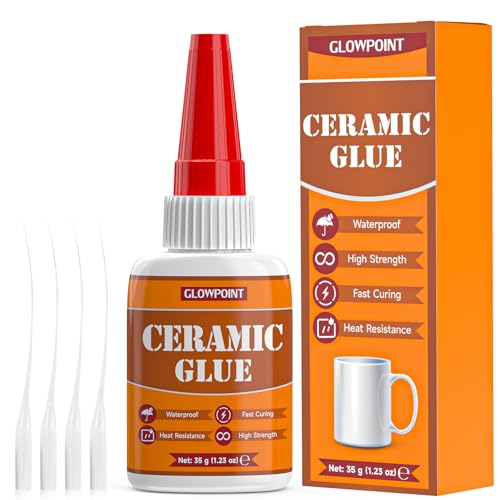
GLOWPOINT 35g Ultra Strong Ceramic Glue

WOUSEDO 30g Waterproof Pottery Adhesive

ENMEMO 2-in-1 Ceramic Glue Brush & Nozzle

Loctite Ceramic Repair Glue Glossy White 20g

VELSARIAN Multi Surface Ceramic Glue 30g

Y’allCanDiy Ceramic Glue Repair 20g
A Breakdown Of The Leading Choices
Most thick adhesives sit on top of a fracture like a bandage on a splinter. This one takes a different route: its thin cyanoacrylate body uses capillary action, meaning surface tension pulls liquid into narrow gaps, to reach seams a heavier glue can’t touch.
The payoff shows up on teacups with tight-fitting breaks and glazed figurines where a visible ridge would ruin the piece. You get roughly 15-second set times, which is quick enough to hold alignment without rushing the fit.
Noteworthy Benefits
- Thin viscosity seeps into hairline cracks that thicker glues skip over entirely
- Clear cure keeps mugs, bowls, and vases looking untouched after repair
- Water-resistant bond handles everyday washing on kitchen pieces
- Fast initial grab lets you position small parts before it locks
Things To Consider
- A thin formula offers less gap-filling, so loose or wobbly breaks may need several passes
- Cyanoacrylate bottles tend to clog near the nozzle over time; wipe the tip after each session
Who It Suits Best
Anyone restoring fine porcelain, tea sets, or decorative pottery where the break line matters more than raw strength.
Where Another Pick Suits Better
Chunky chips on sinks or tubs call for the Loctite Ceramic Repair Glue, whose fill-and-finish approach suits structural gaps better.
Volume is this bottle’s quiet advantage. At 35g, it holds roughly 75 percent more adhesive than the 20g tubes from ALECPEA and Y’allCanDiy, which matters when a household repair queue includes dishes, tiles, and craft projects all at once.
The formula sets under light pressure in about 30 to 45 seconds and reaches full strength after a day. One application note worth following: spread a thin layer, because excess glue can actually weaken the joint rather than strengthen it.
Strong Points
- Generous 35g supply covers multiple repairs without running dry mid-project
- Heat-resistant and waterproof bond stands up to dishwashing and warm kitchen use
- Precision nozzles help you lay down controlled beads on narrow edges
- Works across mugs, tiles, figurines, and general kitchenware
Trade Offs
- Overapplication weakens the bond, so restraint takes practice for first-timers
- The 24-hour full-cure wait means repaired plates stay out of rotation overnight
At A Glance
Made For
Busy households that break things often and want one large bottle to handle dishes, tiles, and crafts alike.
Consider Something Else When
For delicate hairline cracks on display-only porcelain, the thinner ALECPEA formula gives cleaner results with less squeeze-out.
Ceramic is notoriously stubborn to bond because of its dense, low-porosity glaze, and this 30g adhesive is formulated specifically around that problem. The maker even engineers headspace into the bottle, deliberate empty space that absorbs pressure changes during shipping.
That detail sounds minor until a leaking tube ruins your junk drawer. Owners commonly report arrivals in clean condition, which suggests the packaging design does its job. In most home workshops, that reliability alone justifies the pick.
A Favorable Mix
- High-strength formula targets glazed ceramics that resist ordinary adhesives
- Waterproof bond suits bathroom and kitchen repairs exposed to moisture
- Pressure-equalizing bottle design reduces transit leaks
Points To Note
- Instant-set cyanoacrylates leave little repositioning time, so dry-fit pieces first
- Store upright with the cap sealed tightly; exposure to air shortens shelf life noticeably
Right Fit For
Shoppers who have had cheap glue tubes arrive half-empty or dried out and want packaging built to prevent that headache.
Look Elsewhere When
Mixed-material projects involving wood or plastic pair better with the VELSARIAN Multi Surface Ceramic Glue, which was designed for those combinations.
Application tools decide how tidy a repair looks, and this ENMEMO bottle carries both a brush and a nozzle on one container. The brush spreads adhesive evenly across broad surfaces like mosaic tile backs, while the nozzle lays precise lines along chip edges.
An anti-clogging cap keeps the nozzle clear between sessions, cutting waste that plagues single-use tubes. Initial grab happens in 10 to 30 seconds depending on humidity, then the joint needs a full day before water exposure.
Positive Points
- Brush applicator coats wide areas smoothly, ideal for tile and mosaic work
- Nozzle mode gives bead-level control on narrow breaks and figurines
- Anti-clogging cap preserves leftover glue between projects
- Transparent cure blends with pieces of any color
Small Caveats
- Two applicators mean two points where dried glue can build up if caps aren’t cleaned
- Full water resistance only arrives after 24 hours, faster than some rivals claim but slower than impatient crafters hope
Feature Snapshot
Best Suited To
Crafters working mixed project types, from garden mosaics to repaired planters, who want one bottle covering both spread and precision work.
Not Your Match When
You need a color-matched finish on white fixtures, where the glossy white Loctite tube disappears into the surface far more convincingly.
Every other glue in this guide hides by drying clear. Loctite flips that logic with a glossy white paste that fills chips instead of just gluing edges, which is exactly what a nicked sink rim or scratched bathtub corner demands.
Because it’s a fill-type repair compound rather than a runny super glue, you can build it up level with the surrounding surface, then let the gloss blend into existing porcelain. Heat and water resistance make it suitable for bathrooms and kitchens alike, though patience during curing pays off visibly here.
Everyday Perks
- Glossy white finish blends into standard white ceramic fixtures
- Fills chips and scratches rather than only bonding broken edges
- Handles heat and moisture in sink, tub, and tile environments
- Trusted brand formulation aimed at both DIYers and trade users
Room For Improvement
- White pigment stands out on colored or patterned ceramics, limiting its range
- Paste formulas demand smoother application technique than liquid glues
Quick Facts
Who Will Love This
Homeowners refreshing white bathroom or kitchen fixtures who want chips to vanish rather than merely hold together.
Skip It When
Your project involves clear or multicolored pottery; the transparent Y’allCanDiy glue keeps those pieces visually seamless instead.
Real breaks rarely respect material boundaries. A dropped planter shatters ceramic onto a wooden shelf, a glass ornament cracks against a stone hearth, and suddenly a ceramic-only glue leaves you stuck halfway through the job.
This 30g formula grabs porcelain, pottery, glass, tile, stone, wood, and many hard plastics, drying transparent across all of them. Initial bonding lands in 30 to 40 seconds, close to the GLOWPOINT’s pace, with the same 24-hour window before full strength arrives.
Standout Benefits
- Bonds seven-plus material types, replacing several specialty bottles
- Clear cure keeps glass, tile, and mixed-material crafts looking clean
- Fast positioning window helps align small parts before the grip sets
- 30g volume supports ongoing craft and household use
Details To Watch
- Generalist formulas may sacrifice some peak strength on pure ceramic versus dedicated options
- Wood and porous surfaces absorb adhesive differently, so test fit and clamp time vary by material
Core Details
Perfect Match For
Makers and menders whose repair pile mixes materials, from tiled coasters to glass-and-stone decor.
Another Choice May Suit
Pure porcelain restoration with maximum bond strength points toward the GLOWPOINT 35g, a dedicated ceramic specialist.
China cabinets and souvenir shelves are where this 20g adhesive earns its keep. The brand positions it squarely at decorative restoration: mugs, figurines, china sets, and small household ceramics where an invisible seam matters more than industrial strength.
Compared with the ALECPEA thin formula reviewed earlier, this one leans slightly more general-purpose while still curing clear enough to disappear on glazed surfaces. For occasional repairers, that balance tends to feel forgiving rather than fussy.
Bright Spots
- Seamless, invisible bonds preserve the look of decorative pieces
- Sized for typical home repairs on mugs, china, and figurines
- High-strength hold suited to cherished display items
Worth Bearing In Mind
- Display-piece focus means less emphasis on heavy-duty kitchenware loads
- Keep the nozzle wiped clean; cyanoacrylate residue builds up between uses
Whose Shelf It Belongs On
Casual restorers fixing keepsakes and giftware a few times a year rather than tackling constant workshop repairs.
Swap It Out When
Tile floors and bathroom fixtures enter the picture, since the ENMEMO 2-in-1 brush applicator spreads far more efficiently across broad surfaces.
What Matters Most Before Choosing Ceramic Glues
Match The Glue To The Break
Hairline fractures need low-viscosity adhesive that wicks into the crack through capillary action. Wide chips and missing fragments need a paste or filler-style product that builds up volume. Buying a thin super glue for a gouged sink rim, or a filler for a teacup seam, produces disappointing results either way.
Check Cure Times Against Your Routine
Most picks here set in 10 to 45 seconds but reach full strength only after 24 hours. That gap decides whether a repaired mug returns to the dishwasher tomorrow or next weekend. Plan around the full-cure window, especially for items that see daily washing.
Think About Finish And Exposure
Clear-curing adhesives suit colored pottery and glass. Glossy white compounds blend into standard fixtures but stand out elsewhere. Water resistance matters enormously for kitchenware and bathroom tile, and heat resistance becomes relevant near stoves and dishwashers.
Size The Bottle To The Job
A 20g tube handles occasional keepsake repairs comfortably. Households with frequent breakage, or crafters running multi-material projects, get better value from 30g to 35g bottles despite the higher upfront commitment.
Key Considerations Across These Picks
Traps First Timers Fall Into
The classic error is applying too much adhesive. With cyanoacrylate chemistry, excess glue actually weakens the joint and squeezes out as a visible ridge. A second slip is skipping the dry fit; instant-setting bonds give you seconds to align parts, so rehearse first. Finally, storing bottles horizontally or leaving caps loose dries out remaining glue within weeks.
What Separates Premium From Basic
Higher-tier options justify their cost through specialized behavior rather than raw stickiness. Fill-and-finish compounds like the Loctite restore surface geometry, dual-applicator systems improve placement accuracy, and engineered packaging protects shelf life. Paying more buys precision and longevity, which adds up quickly across repeated repairs.
Frequently Asked Questions
How long does ceramic glue take to fully cure?
Initial bonding typically happens within 10 to 45 seconds across these products. Full strength generally requires about 24 hours, so keep repaired items out of water and heavy use until then.
Can glued ceramics go in the dishwasher?
Waterproof formulas handle handwashing well once fully cured. Dishwasher cycles combine heat and prolonged soaking, which stresses any adhesive joint, so treat repaired pieces gently regardless of claims.
Is clear glue always the right choice?
Clear adhesive works best on colored pottery, glass, and mixed materials. On white sinks, tubs, and tile, a glossy white filler blends far more convincingly than a transparent line ever will.
Why did my previous ceramic repair fail?
The usual culprits are oily residue on the break surfaces, excess glue weakening the joint, or using the item before full cure. Clean edges with alcohol, apply thinly, and respect the 24-hour window.
Do I need different glue for pottery versus porcelain?
Both respond well to cyanoacrylate adhesives, so one quality bottle usually covers them. Unglazed, porous pottery can absorb more adhesive, meaning a second thin application sometimes helps.
Closing Thoughts
The honest answer for most homes is to match the glue to the damage rather than hunting for a single universal option. Thin formulas rescue delicate porcelain, fillers rebuild fixtures, and multi-surface bottles cover everything else in the craft drawer. Start with the break in front of you, choose accordingly, and that favorite mug gets a second life instead of a send-off.
