
Chalk paint looks beautiful the day it dries, but bare chalky surfaces scuff, stain, and absorb everything they touch. A good sealer is what turns a weekend furniture flip into a piece that survives real life, from coffee rings to hallway bumps. Whether you’re refinishing a thrifted dresser or sealing raw wood shelves, the right topcoat makes the difference between a project you redo next year and one you keep for years. Below are seven options worth your time in 2026, matched to different budgets, finishes, and skill levels.
The Picks In Brief

Country Chic Paint Natural Furniture Wax Clear 4 oz

FolkArt 7232 Clear Primer 8 oz
Beyond Paint BP37 Multi Purpose Sealer
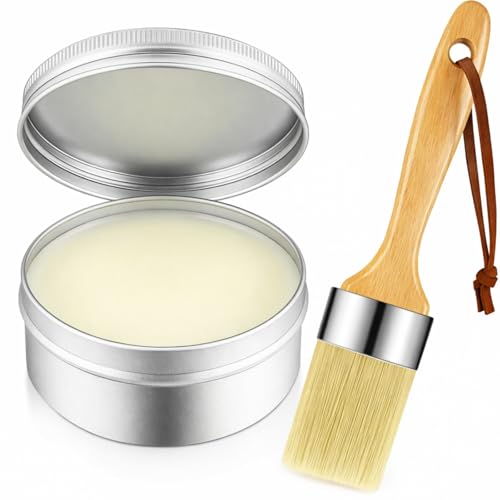
BBTO Chalk Wax with Brush 7 Ounces Clear

Dixie Belle Clear Coat Satin Polyacrylic Topcoat 8oz

Kilz S644032 Clear Wax Sealer 2.4 oz
FolkArt Home Decor Wax Sealer 34860 White 8-Ounce
A Deeper Look At The Lineup
Some sealers sit on top of your paint like plastic wrap. This one doesn’t. Built around beeswax and natural tree nut oils, it soaks into chalk-painted or raw wood surfaces and leaves the matte, hand-rubbed character most people chose chalk paint for in the first place.
The 4-ounce clear tin covers a decent dresser or a couple of small side tables, and it comes in seven color choices if you ever want a tinted finish down the line. In a home with kids or pets, you may appreciate that there’s no lingering solvent smell while it cures.
Where It Delivers
- Beeswax-and-oil formula keeps the soft, authentic look instead of adding shine
- No harsh chemical odor, so you can seal furniture indoors without clearing the room
- Works on both painted pieces and bare wood, covering two project types with one tin
- Light protection suits low-touch decor pieces that don’t face daily abuse
Honest Caveats
- Wax needs reapplication over time in busy households, since it wears rather than forms a hard shell
- The tree nut oils matter to note for households managing nut sensitivities
Key Product Details
Who Will Love This
Anyone restoring heirloom-style or vintage-look furniture who wants protection that stays invisible.
A Better Fit Elsewhere
For kitchen tables or outdoor pieces that take real punishment, the Dixie Belle polyacrylic topcoat below holds up far better than any wax.
Not every sealer goes on last. This FolkArt clear primer works at the start of the process, giving slick or porous surfaces an even base so your chalk paint grips properly and colors stay true. Think of it as insurance against patchy coverage on glossy laminate or raw ceramic.
The versatility is the real draw here: wood, metal, rigid plastic, ceramics, canvas, and paper all accept it. Crafters working mixed-media projects tend to keep one bottle on the shelf for exactly this reason. You can even tint it by mixing in FolkArt acrylics when a colored base coat helps.
Advantages To Know
- Adheres to tricky surfaces like plastic and metal where paint alone would chip
- Mixable with acrylics lets you build a custom tinted base coat
- Clear formula won’t shift your final paint color
Things To Consider
- This is a prep coat, not a protective topcoat, so you’ll still want a wax or polyacrylic as the final layer
- An 8 oz bottle goes quickly on large furniture pieces
Right Fit For
New crafters tackling their first upcycling project who need reliable adhesion before the fun part starts.
Swap It Out When
Anyone needing actual surface protection should reach for the Beyond Paint BP37 sealer later in this list instead.
Where the Country Chic wax trades durability for authenticity, this water-based sealer does the opposite. Beyond Paint built the BP37 for demanding jobs: countertops, indoor-outdoor furniture, anything exposed to weather, spills, or constant handling. It’s rated for both interior and exterior use, which puts it in rare company among budget-friendly topcoats.
Self-leveling technology means the product settles into a smooth sheen on its own, reducing brush marks for anyone whose technique is still developing. Owners commonly report touch-ups blend in easily too, so a chipped corner months later isn’t a full refinish. For patio sets and kitchen counters, that combination matters more than a hand-waxed glow.
The Practical Payoff
- Weatherproofing extends sealed projects to patios, porches, and garden furniture
- Self-leveling formula smooths out application marks as it dries
- Quick, straightforward application suits weekend project timelines
- Easy spot repair keeps long-term maintenance manageable
Small Caveats
- The resulting sheen reads more modern than the flat matte look pure chalk paint fans often chase
- Water-based films generally benefit from full cure time before heavy daily use, so plan a patient first week
Feature Snapshot
Made For
DIYers sealing kitchen counters, bathroom vanities, or porch furniture where moisture and wear are guaranteed.
Reach For A Different Pick When
For delicate decorative accents indoors, the Kilz clear wax further down gives a softer, more traditional result.
Starting out with wax usually means buying the wax, then realizing you also need a brush, then making a second order. BBTO skips that step by bundling a wooden-handled wax brush with its 7-ounce clear tin. The brush has a hanging hole for storage, a small detail that keeps your workspace tidy between coats.
Application follows the classic method: work a small amount into the surface in circular motions until the wood develops a warm inner glow. The generous 7-ounce volume covers more furniture than most starter tins, which matters once you catch the refinishing bug and start eyeing every piece in the house. Interior cabinets, walls, and furniture are all fair game according to the maker.
Strong Points
- Included wax brush saves a separate purchase and gets beginners applying correctly from day one
- Larger 7 oz quantity supports multiple furniture projects per tin
- Wooden handle with hanging hole makes storage and reuse simple
Room For Improvement
- Wax finishes demand periodic buffing and reapplication on frequently touched surfaces
- Circular application takes some practice to avoid uneven buildup in corners
The Right Fit
First-time furniture painters who want a complete waxing kit without piecing together tools separately.
Another Choice May Suit
Shoppers wanting a natural-ingredient formula should compare the Country Chic beeswax option at the top of this list.
Polyacrylic is a water-based protective film, and compared with wax it’s the difference between a raincoat and a scarf. Dixie Belle’s satin version dries quickly, applies forgivingly, and builds a durable barrier suited to pieces that get used every single day. Dining tables, kids’ dressers, entryway benches: this is the pick for them.
Unlike the waxes earlier in this lineup, it’s approved for both interior and exterior placement, so a painted bench by the front door is fair game. The satin sheen sits between flat and glossy, hiding fingerprints better than a gloss while still reading clean. Restoration newcomers and seasoned flippers alike tend to rate it highly for how little fuss the application demands.
Notable Gains
- Dries fast enough to complete a full topcoat in a single afternoon session
- Forgiving application tolerates imperfect brushwork from newer painters
- Satin finish balances subtle sheen with practical smudge resistance
- Interior and exterior rating expands your project range considerably
- Suits both beginner refreshes and advanced restoration work
Points To Note
- Multiple thin coats deliver the best durability, so rushing thick layers risks streaks
- Any film-forming topcoat slightly alters the ultra-matte chalk texture some purists prefer
Details At A Glance
Who Should Grab It
Families sealing everyday-use furniture that faces spills, homework, and general household chaos.
Consider Something Else When
For purely decorative pieces where you want zero sheen change, the Country Chic clear wax preserves the original matte look better.
KILZ is a name most DIYers already trust from the primer aisle, and this clear sealing wax carries that reputation into the finishing stage. It was formulated specifically to pair with KILZ’s own chalky finish paint line, which takes the guesswork out of compatibility for anyone already using their paints.
The routine is simple and satisfying: rub a thin layer on with a lint-free cloth or brush, let it dry fully, then buff to a velvety finish. At just 2.4 ounces, it’s sized for picture frames, candlesticks, small stools, and touch-up work rather than whole wardrobes. Keeping the surface dust-free before application is the one habit worth building here.
What Helps Most
- Designed alongside KILZ chalky finish paint for dependable pairing
- Buffable formula produces a smooth, velvety tactile surface
- Small tin stores easily and stays fresh between occasional projects
Less Ideal Details
- The 2.4 oz volume runs out fast on anything larger than an accent piece
- Requires a clean, completely dry surface beforehand, adding prep discipline to the job
Core Details
Best Suited To
Detail-oriented crafters finishing small accent pieces or testing a finish before committing to a big tin.
Look Elsewhere When
Larger furniture projects call for the BBTO 7-ounce kit, which includes a dedicated brush and roughly triple the wax.
Every other clear option on this list disappears into the paint. This one deliberately doesn’t. FolkArt’s white wax is paraffin-infused and leaves a soft white satin cast, perfect for the whitewashed, shabby-chic look on farmhouse tables, vintage frames, and distressed decor. Used sparingly it highlights carved details; applied heavier, it delivers a gentle aged patina.
The creamy texture spreads easily across furniture, raw wood, and craft surfaces of any size, and the 8-ounce jar holds plenty for multiple projects. Where the clear Country Chic wax aims to be invisible, this one is a design tool as much as a protector, and that distinction shapes who should buy it.
What Works In Its Favor
- White tint creates instant vintage and coastal styling on painted wood
- Creamy consistency offers strong coverage control across big and small pieces
- Doubles as sealer and decorative finish in a single pass
- Generous 8 oz supply supports several themed projects
Trade Offs To Weigh
- The white cast permanently changes your color scheme, so test on scrap first
- Like all waxes, it needs refreshing periodically on handled surfaces such as drawer pulls
Feature Facts
Whose Shelf It Belongs On
Farmhouse and cottage-style decorators who want protection and visual character in the same product.
Where A Sibling Pick Shines
Purists wanting a truly colorless finish will prefer the clear BBTO wax reviewed earlier in this roundup.
What Matters Most Before Choosing Chalk Paint Sealers
Wax Versus Film Topcoats
Waxes soak in and preserve the raw matte texture, but they wear with use and need reapplication every year or so on busy pieces. Polyacrylic and similar film-formers create a harder shell that shrugs off spills and scrubbing, at the cost of a slight sheen change. Match the choice to how much abuse the piece will actually take.
Match The Finish To The Room
A dining table lives a different life than a bedroom mirror frame. Kitchen and entryway furniture earns its keep only with a durable, wipeable topcoat, while decorative accents can carry a softer wax finish indefinitely. Honest assessment of daily contact saves redoing work later.
Surface Prep Decides Everything
Every product above performs best on a clean, fully dried base free of dust and grease. Skipping that step is the most common cause of cloudy wax or peeling film. Ten minutes of wiping and waiting protects hours of painting effort.
Think About Volume And Tools
Small tins suit accent work but frustrate anyone sealing a wardrobe, while oversized containers waste money on single frames. Bundled brushes, like the one included with the BBTO kit, remove a hidden extra purchase many first-timers overlook.
Key Considerations Across These Picks
Traps First Timers Fall Into
The biggest mistake is applying a sealer over damp paint; trapped moisture clouds the finish and softens adhesion. Another common slip is buying a tiny 2-ounce tin for a large dresser, running out halfway through a coat. Always check the stated surface list too, since some sealers are formulated strictly for interiors.
The Case For Spending Up
Higher-tier sealers typically bring self-leveling behavior, faster dry times, and broader indoor-outdoor ratings. Those traits translate directly into fewer coats, less sanding between layers, and furniture that survives a patio summer. Budget waxes remain excellent for decor, but heavily used pieces justify the premium.
Frequently Asked Questions
How long should chalk paint dry before sealing?
Most manufacturers recommend waiting until the paint is fully cured, commonly 24 hours minimum. Thicker applications and humid rooms can extend that window considerably.
Can wax sealers go over any chalk paint brand?
Generally yes, since quality waxes are designed for standard chalky finishes. Brand-specific pairs like the KILZ wax simply remove compatibility doubt entirely.
Do I need to buff after applying wax?
Buffing after the wax dries evens the layer and brings up a soft sheen. Skipping it leaves the surface slightly tacky and uneven in appearance.
Is a polyacrylic topcoat food safe for tabletops?
Once fully cured, water-based polyacrylics are widely used on dining surfaces, though you should confirm the specific product’s guidance. Avoid placing hot cookware directly on any sealed finish regardless.
How often does wax need reapplying?
Low-contact decor can go years between applications, while table tops and door panels typically need refreshing annually. Heavy daily wear shortens that cycle further.
Closing Thoughts
Your choice comes down to lifestyle more than brand loyalty. Reach for a wax when you love the flat, handcrafted feel and don’t mind light upkeep, and reach for a polyacrylic when the piece will live a hard-working life. Start with the smallest tin that fits your project, test on an inconspicuous spot, and build from there. The right sealer quietly doubles the lifespan of every hour you spent painting.
