
Painting cabinets used to mean sanding, priming, sealing, and praying nothing chipped by spring. Chalk-style formulas changed that: most of today’s options skip the primer step entirely and go straight onto wood, laminate, even metal. This roundup sorts through seven well-regarded choices, from gallon-sized workhorses to small craft kits, so you can match a paint to your kitchen’s workload and your own patience level.
The Main Contenders

Dixie Belle Silk All In One Mineral Paint – Black Sands (32oz)

Heirloom Traditions ALL-IN-ONE Paint, Linen Quart
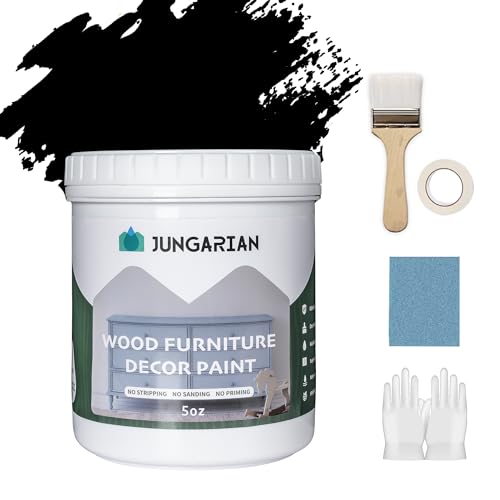
Jungarian Furniture Paint Kit 5oz with Tools, Black

Heirloom Traditions ALL-IN-ONE Paint, Stonehenge Quart
Venier Chalk Pure Paint All-in-One Vintage White 33.81 oz

Nicpro 14 Colors Matte Chalk Paint with Liquid Wax, 2 oz Bottles

Nicpro All-in-One Black Chalk Paint for Furniture, 8.45 oz
The Strengths Of Each Pick
A 32-ounce jug is serious cabinet territory. Dixie Belle’s Silk line folds a water-based primer and a protective topcoat into one mineral paint, so a busy kitchen refinish becomes a clean-and-paint job instead of a three-can project. The deep Black Sands shade hides old stains and scuffs better than lighter tones ever will.
The manufacturer lists coverage of roughly 60 to 80 square feet per 16 ounces, which means this container should handle a full set of average cabinet doors with room left for touch-ups later. Mineral paints also cure harder than basic acrylics, useful where hands and grease meet daily.
What It Does Well
- Primer and topcoat are built in, cutting prep time dramatically
- Water-based formula cleans brushes with soap and water
- Sized for whole-kitchen jobs rather than single doors
- Resists water and grease once cured, ideal near stoves and sinks
Points To Note
- Dark pigment may need an extra coat over very light cabinetry
- Full hardness takes days to develop, so rehang doors gently at first
Who It Suits Best
Homeowners tackling an entire kitchen or bathroom cabinet set in one weekend want this size and durability.
Swap It Out When
Smaller accent projects suit the Nicpro All-in-One Black Chalk Paint better, since its 8.45-ounce bottle avoids leftover waste.
Linen is that soft warm off-white that makes dated oak cabinets read modern farmhouse without touching anything else in the room. Heirloom Traditions built this quart around a simple promise: clean the surface, then paint. No sanding session, no separate bonding primer.
The standout trait here is flexibility. The company added what it calls a stretch factor so the film bends instead of cracking, letting you coat leather, vinyl, and smooth fabric alongside rigid wood. For mixed-material kitchens with vinyl-wrapped panels or upholstered stools, that versatility earns its keep. Compared with the Dixie Belle jug above, you trade volume for surface range.
Advantages To Know
- Adheres to vinyl, leather, and smooth fabric, not just wood
- Flexible cured film resists cracking on high-touch edges
- Works indoors and outdoors on doors and trim
- Warm neutral pairs easily with existing counters and backsplash
Honest Caveats
- A quart covers less ground than the 32-ounce Dixie Belle option
- Light shades often reveal roller texture, so smooth application matters
Made For
Renters and refreshers updating mixed surfaces, including laminate fronts and vinyl accents, with one can.
Where A Sibling Pick Shines
Larger cabinet sets fit the Dixie Belle Silk Black Sands better, whose bigger volume handles more square footage per purchase.
First paint project? This kit removes the guesswork by shipping applicator tools alongside the can, so there’s no second shopping trip before you start. The 5-ounce size suits a nightstand, a pair of shelves, or a small bathroom vanity rather than a full kitchen run.
Jungarian formulates it as a water-based acrylic with low odor, which matters more than people expect. Painting inside an apartment or a room you still sleep in becomes realistic when fumes don’t linger. Like the pricier all-in-one cans reviewed earlier, it skips sanding and priming, though the smaller volume means budgeting carefully on larger pieces.
Everyday Perks
- Applicator tools come bundled, ready out of the box
- Low-odor water-based formula suits indoor, occupied spaces
- Matte black finish works on wood, doors, and dressers alike
Things That May Matter
- Five ounces runs out fast on anything bigger than a side table
- Matte finishes show fingerprints more than satin alternatives
- No built-in topcoat, so sealed surfaces may need extra protection
Who Should Grab It
Complete beginners testing their skills on a dresser or bookshelf before committing to cabinets.
Reach For A Different Pick When
Whole-kitchen coverage calls for the Dixie Belle Silk Black Sands, whose 32-ounce container is built for scale.
Same trusted formula as the Linen quart, different mood. Stonehenge leans warmer and deeper, a greige that bridges beige and gray, and it tends to flatter honey-toned floors and brass hardware in ways pure white cannot. Kitchens stuck between two design eras often land happily here.
You get the same stretch-factor flexibility across wood, vinyl, leather, and smooth fabric, plus interior-exterior rating for front doors and shutters. In our view, choosing between the two Heirloom colors is purely aesthetic; the performance underneath is identical. Hiding power on dark cabinets may take two coats either way.
Practical Advantages
- Greige tone camouflages everyday smudges better than bright white
- One-step application on cleaned, unsanded surfaces
- Rated for exterior use on doors and outdoor furniture
Softer Spots
- Quart size limits full-cabinet projects to modest kitchens
- Color reads differently under warm versus cool lighting, so sample first
Right Fit For
Design-conscious updaters coordinating cabinets with warm flooring, stone counters, or brass fixtures.
Another Choice May Suit
Cooler, crisper schemes pair better with the Venier Chalk Pure Paint Vintage White covered below.
At just over a liter, this liter-plus bottle sits in the same weight class as the Dixie Belle jug but targets a softer look. Venier combines primer and sealer into one eco-minded chalk formula meant for indoor and outdoor pieces, aiming for full coverage in one to two coats.
The Vintage White shade is the classic shabby-chic base: slightly aged, never stark. Owners commonly report the cream-like consistency levels nicely with a brush, though chalk finishes stay porous, so a wax or clear sealer over high-traffic cabinet faces is a smart habit. It’s a fair middle ground between craft-kit sizes and pro-grade jugs.
Notable Upsides
- Large volume priced for budget-conscious makeovers
- Primer and sealer combined, trimming supply costs
- Smooth matte result suited to vintage and cottage styles
- Indoor-outdoor rating adds flexibility beyond the kitchen
Details To Watch
- Chalky surfaces benefit from an added protective wax near sinks
- White pigment can need three coats over dark stained wood
Who Will Love This
Farmhouse-style renovators painting multiple pieces white without paying premium-jug prices.
Consider Something Else When
Deep, grease-prone kitchen zones favor the darker Dixie Belle Silk Black Sands for its stain-hiding tone.
This set plays a different game entirely. Fourteen 2-ounce bottles plus liquid wax turn cabinet detailing into a color exercise: painted insets, two-tone door frames, stenciled panels, or a mismatched pastel pantry. The cream-like texture blends and shades well, so ombre effects are genuinely achievable.
You won’t refinish a kitchen with it, and that’s fine. Think of it as the companion kit to one of the big quarts above, handling the decorative layer after the base coat dries. Mixing your own shades from the wheel-friendly palette keeps small jars from going stale too, since you decant only what a session needs.
Where It Helps
- Fourteen coordinated shades enable custom mixing
- Included liquid wax seals finished details
- Rich pigmentation supports blending and shading work
- Small bottles minimize waste on accent projects
Points To Keep In Mind
- Two-ounce portions only cover trims, knobs, and small panels
- Sealed jars need proper storage to avoid drying out between uses
The Right Fit
Crafters and detail lovers adding color personality to already-painted cabinets and decor pieces.
Look Elsewhere When
Solid single-color coverage is the goal, and the Nicpro All-in-One Black bottle delivers that directly.
Black is unforgiving of streaks yet endlessly forgiving of scuffs, and Nicpro packages it in a sensible 250-milliliter bottle with a wide opening that accepts a brush without scraping knuckles. Built-in primer and topcoat mean one product does the whole job on wood, metal, or decor pieces.
The finish is deliberately ultra-matte, closer to a soft powder than a polished sheen, which suits Scandinavian and industrial looks. Where the Jungarian kit bundles tools, this one banks everything into the formula itself. A single bottle realistically covers one dresser or a few cabinet doors, so plan quantities honestly before starting.
Where It Delivers
- Primer and topcoat combined in one non-toxic bottle
- Wide-mouth bottle simplifies dipping and stirring
- Ultra-matte result avoids plastic-looking sheens
- Adheres to both wood and metal surfaces
Small Caveats
- Volume limits projects to single pieces, not full cabinet runs
- True matte black shows dust and fingerprints, needing occasional wiping
Built With In Mind
Apartment dwellers refreshing one statement piece, like a media console or open-shelf unit, in an afternoon.
Skip It When
Multi-door kitchen projects call for the larger Dixie Belle Silk Black Sands jug instead.
What Matters Most Before Choosing Chalk Paints For Cabinets
Coverage Math First
Count your doors, drawers, and face frames before buying anything. A typical 16-ounce container stretches across roughly 60 to 80 square feet, so an average kitchen usually demands quart-size or larger volumes. Underestimating leads to batch-matching problems when you reorder mid-project.
Surface Type Drives Formula
Bare wood accepts nearly any chalk formula, while laminate and vinyl fronts need paints advertising adhesion flexibility, like the Heirloom Traditions stretch factor. Glossy factory finishes sometimes still benefit from a light scuff even when the label says no sanding.
Finish And Maintenance Trade-Offs
Matte chalk finishes hide imperfections but collect fingerprints near handles. Satin or sealed options wipe cleaner. Decide early whether you’ll apply a wax or poly topcoat, because that choice affects both appearance and weekly upkeep.
Match Size To Scope
Buying a 32-ounce jug for one end table wastes money, and buying 5 ounces for twelve doors guarantees frustration. Align container size with honest project scope.
Key Considerations Across These Picks
Traps First Timers Fall Into
Skipping the cleaning step is the classic error; grease on cabinet faces blocks adhesion no matter what the label promises. Another common slip is judging color under showroom lighting alone, then discovering the shade shifts beside your own windows. Sample on a hidden door first.
Why Top Tier Costs More
Premium all-in-one formulas fold primer, pigment, and topcoat into a single durable film, saving you two products and hours of labor. That convenience carries real value on large jobs, even when the sticker number looks higher than a basic craft pot.
Frequently Asked Questions
Do chalk paints really need no sanding?
Most all-in-one formulas adhere to lightly cleaned surfaces without sanding. Very glossy or oily finishes still benefit from a quick scuff for insurance.
How long until painted cabinets are fully cured?
Paint feels dry within hours but reaches full hardness over several days to weeks. Handle doors gently during the first week.
Can I use these paints on laminate cabinet doors?
Yes, provided the product explicitly claims adhesion to slick surfaces. The Heirloom Traditions options are formulated for that flexibility.
Do I need a topcoat over chalk paint?
Kitchen cabinets see grease and moisture, so a wax or clear sealer is wise unless the paint includes a built-in topcoat.
How much paint does one kitchen require?
Measure total square footage of doors and frames, then divide by the stated coverage rate. Most kitchens land between one and two quarts minimum.
Closing Remarks
Cabinet paint rewards matching the container to the job. Big kitchens point toward the Dixie Belle jug or a Heirloom Traditions quart, single pieces fit the Nicpro bottle, and detail work belongs to the fourteen-color set. Start with a clean surface, sample your color, and let the paint do the heavy lifting.
