
Chalk paint has become the go-to finish for anyone rescuing a tired dresser or brightening up kitchen cabinets without sanding everything down to bare wood. The catch is that not every can behaves the same way once you open it. Some go on thick and creamy, some need a second coat, and some come with brushes or wax bundled in. This roundup sorts seven solid options by what they actually do well, so you can match the paint to the piece sitting in your garage.
The Main Contenders

FolkArt Home Decor Chalk Furniture & Craft Paint, 32 oz, Cottage White
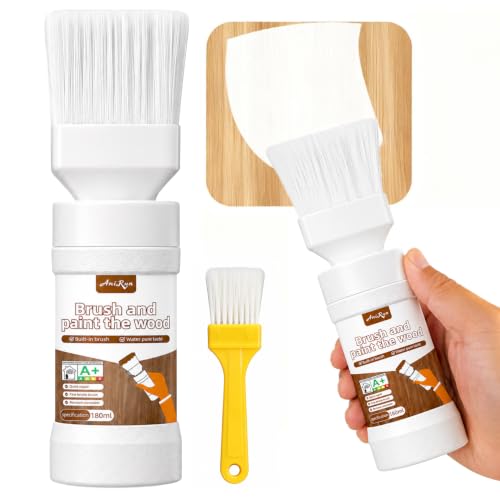
Anirun White Touch-Up Paint & Brush in One, 6.35 Oz

Rust-Oleum Chalked Ultra Matte Spray Paint, Black Abyss

Venier Chalk Pure Paint, Vintage Aged Gray, 33.81 oz

YiBaiBrush Chalk and Wax Paint Brush Set of 4

Nicpro 14 Colors Matte Chalk Paint with Liquid Wax, 2 oz

BLUEBIRD Chalk Furniture Paint, 500 ML, Snow White
Taking A Closer Look At The Options
A 32-ounce jug changes the math on big projects. One dresser usually eats two or three small jars, so having this much Cottage White on hand means you can paint a hutch, two nightstands, and still have leftovers for touch-ups later.
The ultra-matte chalk finish is what most people picture when they say “chalk painted,” and FolkArt’s version sands back easily for that weathered look. Minimal surface prep is another plus, since wiped-down wood is generally enough before the first coat.
The Upside
- 32 ounces covers multiple large pieces without running out mid-project
- Distresses cleanly with light sanding for an authentic worn look
- Layers and re-coats well, so mistakes stay fixable
- Doubles as craft paint for smaller decor accents
Worth Noting
- Like most chalk paints, it wants a wax or sealer on tabletops that see daily wear
Whose Shelf It Belongs On
Anyone tackling a full room refresh, from first-timers refinishing a thrifted dresser to seasoned upcyclers who burn through white paint fast.
A Better Fit Elsewhere
Small repair jobs suit the Anirun Touch-Up Paint better, since its built-in brush beats opening a 32-ounce jug for one scuffed corner.
This one solves a different problem than the rest of the list. Instead of repainting a whole piece, it’s built for scuffs on baseboards, chipped cabinet doors, and dinged chair legs. Squeeze the bottle and paint feeds straight into the attached bristles, so there’s no tray, no dipping, and no dried-out brush to clean afterward.
The water-based formula doubles as paint and primer, which matters because touch-up spots often sit on raw exposed wood. Fast drying helps too, since nobody wants a chair out of commission overnight.
Everyday Advantages
- Integrated brush applicator keeps application controlled and drip-free
- No sanding needed on most surfaces, per the manufacturer
- Waterproof finish suits kitchen and bathroom spots
- Works on wood, cabinets, and metal alike
Potential Sticking Points
- 6.35 ounces won’t stretch far on full-piece repaints
- Owners commonly report keeping the cap sealed tightly between uses so the integrated bristles don’t dry out
Quick Facts
Right Fit For
Busy households doing maintenance passes over trim, cabinets, and furniture instead of full renovations.
Where Another Pick Shines
Whole-dresser transformations call for the FolkArt 32-ounce jug, which offers far more coverage per dollar on large surfaces.
Spindled chairs, cane backs, and carved mirror frames are where brush-on chalk paint gets frustrating. A spray format reaches into those gaps evenly, and Black Abyss is a deep, near-black shade that reads dramatic against lighter rooms.
Rust-Oleum positions this as an all-in-one with strong adhesion and single-coat coverage on most surfaces, needing little prep or priming. In practice, dark colors like this tend to hide imperfections well, though corners may still want a second pass depending on your technique.
Practical Advantages
- Spray delivery coats ornate profiles without visible brush strokes
- Ultra-matte finish gives modern contrast pieces their flat, velvety look
- Can be distressed after drying for custom character
- Little to no priming required on most interior surfaces
Things To Consider
- Spray work needs ventilation and drop cloths, unlike brushing indoors casually
- Overspray control takes a steady hand on narrow legs and edges
Feature Snapshot
Made For
DIYers updating metal frames, wicker, or detailed woodwork who value speed and even coverage over brush control.
Skip It When
Large flat panels are cheaper and easier with the BLUEBIRD Snow White brushed formula, which wastes less product on broad surfaces.
Aged Gray does half the styling work before you lift a brush. That muted tone sits comfortably in farmhouse and cottage interiors, and at just over a liter it’s sized similarly to the FolkArt jug, giving you real coverage for a full weekend project.
The finish lands velvety matte straight from the can, and the brand encourages optional distressing once dry for extra character. Compared to the pure white options earlier on this list, gray hides dust and fingerprints noticeably better on high-touch pieces.
What It Does Well
- Vintage gray tone flatters farmhouse and cottage decor instantly
- Velvety matte surface looks refined even without distressing
- Large volume supports multi-piece furniture sets
Honest Caveats
- One colorway only, so matching existing palettes takes planning
- High-traffic tabletops will likely need a protective topcoat, a common step with any chalk-style finish
Who Will Love This
Home decorators chasing that lived-in European farmhouse feel on dressers, side tables, and shelving.
Another Choice May Suit
Crafters wanting several colors in one purchase should look at the Nicpro 14-color set instead, which trades volume for variety.
Great paint goes nowhere without decent brushes, and this set covers every job a furniture project throws at you. You get a 1-inch round for spindles, a 1-inch pointed brush for tight corners, a 1-inch flat for edges, and a 2.5-inch oval for broad panels and waxing.
Natural bristles hold more paint than synthetic ones, which means fewer reload trips across a large drawer front. Wood handles keep long sessions comfortable, something worth caring about once you’re four coats deep into a china cabinet.
What Makes Sense
- Four specialized shapes handle detail work through waxing stages
- Natural bristles absorb and release paint evenly with soft marks
- Wood handles reduce palm fatigue during long painting sessions
Points To Note
- Natural bristle brushes demand prompt soap-and-water cleaning or the bristles stiffen permanently, a widely reported issue
At A Glance
The Right Fit
First-time furniture painters assembling a starter kit alongside any of the paints above.
Consider Something Else When
Shoppers who already own quality brushes get more mileage from adding a color set like the Nicpro collection to their cart.
Fourteen colors in one box turns a paint purchase into a design playground. Each bottle holds 2 ounces, enough for small furniture accents, picture frames, planters, or testing shades before committing to a gallon-size decision.
The texture runs cream-like, which blends and shades smoothly, handy for ombré effects or custom mixes using a color wheel approach. Liquid wax comes included, so sealing finished pieces doesn’t require a separate shopping trip. Compared to the single-tone Venier jug, this set sacrifices volume for range.
Reasons It Performs
- Fourteen coordinated shades support mixing and matching freely
- Cream-like consistency blends and shades without streaking
- Included liquid wax protects finished work right away
- Small bottles cut waste on decorative-scale projects
Less Ideal Details
- 2-ounce bottles run out quickly on anything larger than accent furniture
- Sealed bottles stored between sessions should be shaken well, since pigments can settle
Who It Suits Best
Crafters and hobbyists decorating small pieces, seasonal decor, and mixed-color furniture accents.
Look Elsewhere When
Repainting a full dining set calls for the FolkArt 32-ounce container, which delivers far more square footage per purchase.
Snow White remains the most requested shade in furniture refinishing, and BLUEBIRD’s 500-milliliter bottle hits the sweet spot between the tiny craft pots and the heavy 32-ounce jugs. One bottle typically handles a dresser or a run of cabinet fronts with room to spare.
The formula applies smooth and velvety, and the manufacturer states no sanding or priming is required, which shortens prep time considerably. Multiple shades exist across the line, so matching a future project stays simple.
The Practical Payoff
- 500 ML covers a standard dresser or several cabinet doors
- Smooth, velvety application minimizes visible brush texture
- Minimal prep work shortens project timelines
- Broader shade range available within the same line
Small Caveats
- White shows underlying stains through thin coats, so stained or knotty wood may benefit from an extra pass
Core Details
Best Suited To
Weekend refinishers updating cabinets, vanities, and bedroom furniture in bright, clean neutrals.
Swap It Out When
Ornate pieces with deep carving spray more evenly with the Rust-Oleum Chalked aerosol, which reaches recesses a brush can’t.
What Matters Most Before Choosing Chalk Paints For Furniture
Match Volume To Project Size
A 2-ounce pot decorates a picture frame beautifully and frustrates anyone refinishing a wardrobe. Estimate your surface area first, then buy accordingly. Mid-size bottles around 500 milliliters suit single dressers, while liter-plus containers earn their keep across multi-piece sets.
Prep Requirements Vary More Than Ads Suggest
Many chalk formulas skip sanding and priming on clean, previously finished wood. Raw or glossy surfaces behave differently, though, and dark stains can bleed through pale shades. Reading the specific product’s prep guidance saves a redo later.
Finish Style Should Lead Your Decision
Ultra-matte reads modern and forgiving, while distressed looks need paint that sands back cleanly. Spray formats excel on intricate profiles, and brush-on paints waste less on flat panels. Let the piece dictate the format.
Don’t Forget Protection And Tools
Most chalk finishes benefit from wax or a topcoat on surfaces that get handled daily. Budget for a natural-bristle brush or a wax applicator too, since cheap synthetics leave streaks in thick formulas.
Key Considerations Across These Picks
Traps First Timers Fall Into
The most common mistake is underestimating coverage and buying too little, then struggling to match the shade on a reorder. Another frequent misstep is skipping the topcoat on tabletops, which leads to scuffed finishes within weeks. Test any color on an inconspicuous spot before committing to the whole piece.
Where The Extra Money Goes
Larger volumes cost less per square foot, and premium formulas typically offer richer pigment, smoother leveling, and fewer coats. Bundled extras like liquid wax or integrated brushes add convenience that justifies a higher tag for busy households. Frequent refinishers recover that difference quickly.
Frequently Asked Questions
Do chalk paints really require no sanding?
On most clean, previously finished surfaces, yes. Glossy, raw, or damaged wood usually benefits from light preparation regardless of brand claims.
Is wax necessary after painting furniture?
For decorative pieces, it’s optional. Tables, desks, and anything handled daily lasts longer with a wax or clear topcoat.
How many coats will I need?
Deep colors and whites over dark wood often take two coats. Most mid-tone shades achieve even coverage in one to two passes.
Can I use these paints on metal or laminate?
Several picks here, including the Anirun touch-up and Rust-Oleum spray, list metal among suitable surfaces. Adhesion on slick laminate varies, so a test patch helps.
How should leftover paint be stored?
Keep lids sealed tightly and store bottles upright in a temperature-stable space. Stir thoroughly before each reuse since pigments settle over time.
Closing Remarks
Choosing between these seven comes down to scale and style more than quality. Grab the FolkArt jug for whole-room projects, the BLUEBIRD for classic white refreshes, and the Nicpro set when variety matters more than volume. Whichever direction your next piece takes, starting with the right format makes the whole job feel lighter.
