
Clay covers a lot of ground these days. Kids sculpt with air dry tubs, animators rely on oil-based plasticine that never hardens, teachers stock classroom buckets, and plenty of men keep a matte styling clay on the bathroom shelf. The problem is that these products look similar online while behaving very differently in your hands, and the wrong choice means cracked projects or greasy hair. This shortlist sorts seven genuinely useful options by who they actually serve, from a first art kit to bulk studio supply.
How The Shortlist Stacks Up

Cra-Z-Art Modeling Clay 17.5 oz 24 Count

BlackMask Hair Clay for Men 3.52 oz

Pepy Oil-Based Plasticine Modeling Clay 2 Pounds
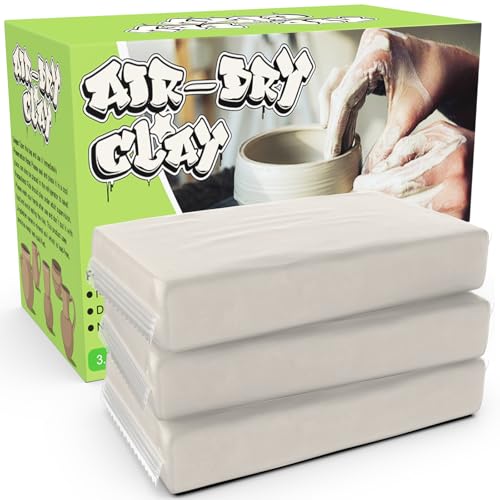
Aujazyble Pottery Clay for Kids 3.3 lbs

Aestd-ST Air Dry Clay 102 Colors

Cra-Z-Art Air Dry Clay 5lb Bucket

VIBRATITE 10LB Air Dry Clay
Meet The Standout Selections
This is the classic starter pack: twenty-four individual sticks of soft modeling clay in a rainbow of shades, totaling just over a pound. Because it stays pliable rather than curing, a project abandoned mid-afternoon can be reshaped tomorrow, which makes it forgiving for younger kids still figuring out what a sculpture is supposed to be.
In a busy playroom, portion control matters more than quantity. Each color arrives as its own bar, so siblings aren’t fighting over one lump and cleanup is a matter of resealing what’s left.
Useful Strengths
- Twenty-four rich colors support mixing, matching, and detailed multi-color figures
- Never-dries-out formula means no wasted material between sessions
- Individual bars make sharing and storage simple
- Soft consistency suits small hands still building grip strength
Things To Consider
- Oil-based formulas like this can leave slight residue on porous tabletops, so a mat under the work area saves scrubbing later
- Finished pieces stay squishy, which limits display options compared with air dry alternatives
Key Specs
Made For
Parents stocking a craft bin for elementary-age kids who want color variety over permanence.
Where A Sibling Pick Shines
For classrooms burning through volume, the Cra-Z-Art 5lb Bucket delivers far more material per session than this count-sized pack.
Switching categories entirely, this is grooming clay, a water-based styling product that adds grip and texture instead of gloss. The appeal shows up around hour six of a workday: styles built with firm-hold clays tend to keep their shape through commutes and meetings where pomades would have gone shiny and limp.
The 3.52 oz tin is travel-friendly and lasts months at typical daily-use amounts. Shorter crops and medium-length textured cuts are where matte clays earn their keep, since fine hair gains visible volume without looking coated.
Key Advantages
- Firm hold keeps structured styles locked through a full day
- Natural matte finish avoids the greasy sheen of wax-based rivals
- Rinses clean with plain water, so no heavy shampoo routine needed
- Adds texture and lift that benefits finer hair types
Worth Noting
- Matte, high-hold clays generally demand emulsifying between fingertips before application, and skipping that step leads to patchy spots
- Longer, heavier hair may find the hold too stiff for loose flow styles
Right Fit For
Men with short to medium hair who want all-day structure and a finish that photographs matte, not wet.
A Better Fit Elsewhere
Anyone after a creative, kid-safe material should pivot to the Pepy plasticine further down this list, which shares the moldable character without any styling purpose.
Where the Cra-Z-Art pack targets play, this cream-colored two-pound bar targets craft. Plasticine is an oil-based clay that never cures, and its high density lets you carve crisp edges and fine surface detail that softer kids’ clays smear away. Stop-motion animators and prototype modelers have leaned on this category for decades for exactly that reason.
The sulfur-free formulation matters more than it sounds. Sulfur interferes with many mold-making silicones, so artists planning to cast their sculpts avoid sulfurized brands entirely. Cleanup stays reasonable too, since non-crumbling oil clay lifts off surfaces with soap and water.
Everyday Perks
- Holds fine detail for sculpting, animation puppets, and prototypes
- Sulfur-free composition suits silicone mold-making workflows
- Two-pound single bar supports larger builds without seams
- Reusable indefinitely, so failed attempts cost nothing but time
A Few Limitations
- Warm rooms soften oil-based clay noticeably, and finished pieces can slump on hot shelves
- Single-color format means painting or casting is required for colorful results
Product Snapshot
Who Should Grab It
Hobbyist sculptors, animators, and makers who need detail retention and mold compatibility over bright colors.
Swap It Out When
Kids who want instant color and permanent keepsakes will get more joy from the Aestd-ST 102-color air dry set instead.
Mini pottery wheels have exploded in popularity, and most of them ship with a stingy clay sample that runs out in an afternoon. This 3.3-pound refill exists to fix that. The soft, workable body throws well at kid-scale wheel speeds and responds equally well to hand-building cups, bowls, and animal figures.
The packaging detail is smarter than it looks. Three separate packs mean only one portion is open at a time, so the rest stays moist instead of drying into a brick on the shelf. For households running weekend wheel sessions, that difference stretches the supply considerably.
The Helpful Details
- Three individually wrapped packs preserve freshness between sessions
- Soft, easy-to-shape body suits both wheel throwing and hand sculpting
- 3.3 lbs covers many refills of a typical kids’ wheel sample
- Air dry curing turns creations into keepable pieces without a kiln
Points To Note
- Air dry pieces shrink slightly as water leaves, and thin handles or walls commonly crack during slow drying
- Unsealed finished pots won’t hold water, so they’re decorative rather than functional dishware
The Numbers That Matter
Who Will Love This
Families with a mini pottery wheel, or kids graduating from dough-style clays to real ceramic-feeling projects.
Consider Something Else When
Adults wanting porcelain-grade smoothness in serious volume will prefer the VIBRATITE 10LB block reviewed last.
One hundred two colors changes how kids create. Instead of painting finished pieces, children blend shades directly in their hands, mixing custom hues the way they’d mix paint, and the included instruction booklet gives hesitant starters somewhere to begin. Three sculpting tools round out the kit so tiny fingers aren’t doing all the detail work alone.
The clay itself is soft and non-sticky, shaping easily and hardening in open air into lightweight keepsakes. Spare ziplock bags are a thoughtful inclusion, because resealing each pot properly is the difference between clay that lasts and clay that crumbles by month two.
Where It Helps
- 102 shades encourage color-mixing experimentation without paint
- Includes three sculpting tools and a starter booklet
- Soft, non-stick texture suits young beginners
- Spare ziplock bags help preserve unused portions
- Air dries into lightweight, keepable figurines
Small Caveats
- Individual pots run small, so ambitious large builds exhaust popular colors quickly
- Dried pieces stay lightweight and delicate, handling rougher than fired ceramics
Built With In Mind
Kids aged roughly five and up who love color-first crafting, plus gift-givers wanting a complete kit with nothing extra to purchase.
Reach For A Different Pick When
Wheel-based projects call for the Aujazyble pottery clay, whose denser body stands up to spinning far better than this soft magic clay.
Teachers, camp counselors, and day care directors know the math: twenty-five kids go through a 17.5 oz pack in one sitting. Five pounds in a single bucket solves that. Natural white is the right default for group settings too, since it takes tempera and acrylic paint evenly once dry and every child starts from the same base.
The bucket format doubles as storage, though keeping the lid pressed tight matters. Air dry bodies skin over within hours of exposure, and owners commonly report that neglected tubs develop a hardened crust around the edges that needs trimming away.
Points In Its Favor
- Five pounds sustains a full classroom or camp season
- Neutral white accepts paint cleanly for decorated finishes
- Bucket reseals for storage between sessions
- Soft body suits sculpting, pinching, and slab work alike
What To Weigh
- Lid discipline is everything; partially closed buckets dry out faster than most users expect
- White-only format requires a separate paint step for colorful results
Core Details
Whose Shelf It Belongs On
Educators and group leaders buying supplies by the semester rather than by the project.
Not Your Match When
Home users wanting a modest family-size amount will find the Aujazyble 3.3 lb split-pack less intimidating to store.
Ten pounds signals intent. This white body is kaolin, the fine porcelain-type clay used in traditional ceramics, with a uniform texture and smooth feel that throws cleanly on a wheel and accepts carving tools without tearing. Compared with the Cra-Z-Art bucket’s general-purpose feel, this is the step up for adults practicing real pottery technique at home.
It’s formulated without added chemicals and carries no odor, which matters when you’re wedging and centering for an hour at the kitchen table. Expect the usual air dry trade-offs: slow even drying prevents cracks, and finished pieces remain porous unless sealed.
Real Benefits
- Fine, uniform kaolin texture supports detailed carving and smooth throwing
- Ten pounds accommodates large vessels or months of practice
- Odorless, additive-free formulation comfortable for indoor studio work
- Processes readily with standard pottery and sculpting tools
Factors To Consider
- Large pieces demand slow, covered drying; rushing it invites the cracking air dry clay is known for
- Single white tone requires glaze-effect paints or sealers for colored finishes
Technical Reference
Who It Suits Best
Dedicated hobbyists and adult beginners practicing wheel work or hand-built ceramics at home in real volume.
Skip It When
Young children starting out will do better with the forgiving, colorful Aestd-ST set than with ten pounds of professional-feeling white body.
Choosing Between These Clays Without Guesswork
Drying Behavior Comes First
The single biggest fork in the road is whether clay hardens at all. Air dry bodies cure into permanent keepsakes, while oil-based plasticine stays soft forever. Decide before shopping whether you want a finished object or an endlessly reusable material, because no formula does both.
Match Texture To The Project
Kaolin-based bodies throw and carve beautifully but punish rushed drying. Softer magic clays forgive clumsy hands yet dent easily once cured. Kids under eight almost always do better with soft, brightly colored sets; teens and adults chasing realism benefit from dense, fine-textured bodies.
Buy Volume You’ll Actually Store
Bulk buckets save money per ounce only if the lid stays sealed. Split-pack formats cost a bit more but protect unused portions naturally, which often makes them cheaper in practice for occasional users.
Check What’s In The Box
Tools, booklets, and resealable bags change the ownership experience more than spec sheets suggest. A complete kit gets used on day one; a bare block waits for accessories you may never buy.
Key Considerations Across These Picks
Traps First Timers Fall Into
The most common error is treating all clay as interchangeable. Styling clay has zero place in a craft bin, and soft magic clay collapses on a spinning wheel. The second mistake is ignoring cure type, then wondering why a “finished” plasticine figure never hardened.
When Paying More Pays Off
Higher-tier bodies justify their cost through texture and volume. Finer kaolin holds detail that budget clays smear, and ten-pound blocks drop the per-project cost dramatically for regular practitioners. Casual users rarely notice the difference; committed ones feel it immediately.
Frequently Asked Questions
Does air dry clay really need no oven?
Correct, these bodies cure by evaporation at room temperature over one to three days depending on thickness. Thick sections dry slowly, so hollowing large pieces helps them set evenly.
Can oil-based clay be baked to harden it?
Plasticine formulations are designed never to cure, and baking typically just softens or damages them. Permanent results require switching to an air dry or kiln-fired body.
Is modeling clay safe for young children?
The craft clays listed here are marketed as non-toxic for general art use. Supervise younger kids regardless, since small parts and mouth contact are always concerns with any craft material.
How do I keep an opened bucket from drying out?
Press the lid firmly after every session and store it away from heat and sunlight. Wrapping the surface in plastic film before closing adds another layer of protection.
What’s the difference between hair clay and craft clay?
Hair clay is a cosmetic styling product made for grip and matte texture in hair, not for molding. The two share nothing beyond name and texture similarity.
Wrap Up
Seven picks, seven different jobs. Match the material to the maker: colorful softness for kids, durable density for animators, bulk white bodies for classrooms and home studios, and a matte styling tin for the bathroom shelf. Get that match right and any of these will earn its spot quickly.
