
A swing-away heat press turns a spare corner of your garage or craft room into a small production line. Whether you’re printing team shirts, personalized mugs, or custom caps to sell at weekend markets, the machine on this list handles the daily grind of repeated pressing without drama. The seven options below cover different platen sizes, accessory counts, and budgets, so a hobbyist and a side-hustle seller can both find a fit. Each one uses a digital controller and interchangeable plates, which means less guesswork and fewer scorched blanks as you learn the craft.
The Essentials At A Glance

HORGELU Upgraded 8 in 1 Heat Press Machine 15×15 Inch (Black Blue)

VEVOR 8 in 1 Heat Press Machine 15×15 Inch

AKEYDIY Professional 5 in 1 Heat Press Machine 12 x 15 Inch
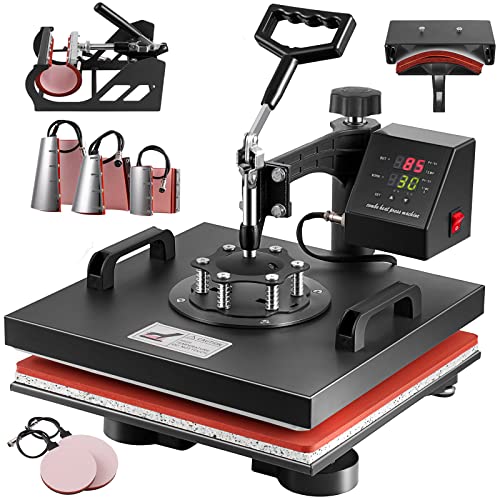
Topdeep Heat Press 15×15 Inch 8 in 1 Heat Press Machine

AKEYDIY Professional 8 in 1 Heat Press Machine Sublimation Machine 12 X 15
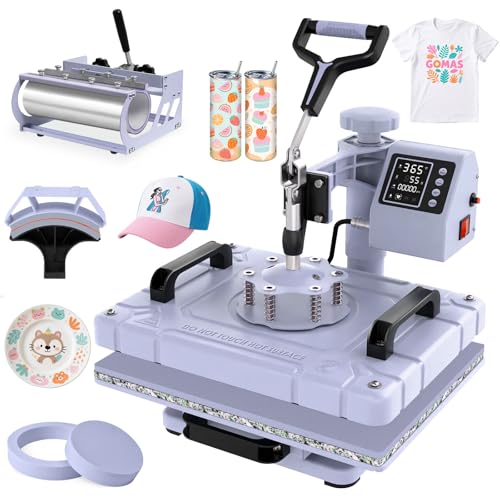
Slendor 12×15 Inch 5 in 1 Swing Away Heat Press Machine
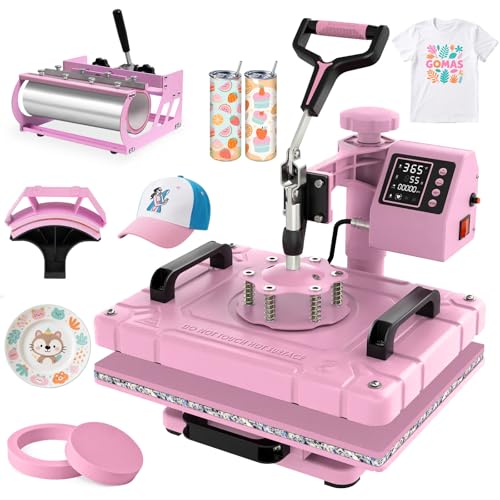
Slendor 12×15 Inch 5 in 1 Swing Away Heat Press Machine
A Deeper Look At The Lineup
Selling shirts by the dozen changes what you need from a press. The HORGELU adds two functions aimed squarely at that scenario: a counter that tracks how many items you’ve pressed, and saved mode presets so temperature and time don’t get re-entered every run.
The 15×15 inch platen covers most adult tee designs in one pass, and the 360-degree swing-away arm keeps hot surfaces clear of your hands while loading garments. It runs on a standard 110V outlet, so no rewiring before setup.
What Makes Sense
- The built-in counter makes batch orders easy to track without sticky notes or mental math.
- Saved time-and-temperature modes cut repetitive setup between jobs.
- Eight attachments cover shirts, mugs, hats, and plates from one base unit.
- Swing-away design gives full, unobstructed access when arranging transfers.
Things To Consider
- With all attachments mounted, it occupies serious table space, so plan a dedicated workstation.
- Commercial use isn’t covered by optional protection plans, worth knowing for shop owners.
Who Should Grab It
Sellers running repeat bulk orders of printed apparel who want preset workflows instead of manual settings every cycle.
A Better Fit Elsewhere
Crafters prioritizing heating consistency over batch tools will likely prefer the VEVOR’s dual-tube plate.
Uneven heat is the silent killer of good sublimation prints, leaving faded corners on an otherwise clean design. VEVOR attacks that problem with dual-tube heating across its 15×15 plate, spreading warmth more uniformly than single-tube designs.
The dual-screen digital controller reads clearly across a busy workspace, and silicone buttons make adjustments quick mid-job. You can toggle between Celsius and Fahrenheit with one press, handy when following tutorials written either way.
Real-World Strengths
- Dual-tube heating reduces cold spots that cause patchy transfers on large designs.
- The dual-screen display shows set and current values at a glance.
- Silicone buttons stay comfortable during long pressing sessions.
- Eight-in-one attachment set handles tees, caps, mugs, and plates.
- Digital precision helps match transfer paper requirements closely.
Points To Note
- The blue finish shows dust and lint readily, so a quick wipe-down between sessions keeps it presentable.
- Some owners report a short break-in period before readings fully stabilize.
At A Glance
Who It Suits Best
Sublimation-focused makers who need repeatable color accuracy across full-size shirt graphics.
Consider Something Else When
Total newcomers wanting simpler controls may find the AKEYDIY 5 in 1 easier to learn on.
First presses teach you fast, usually through ruined blanks. This AKEYDIY keeps the stakes low with a straightforward five-piece attachment set and a forgiving 12×15 plate that still covers standard adult shirt designs comfortably.
You get mug elements sized for common 11oz and 12oz cups plus hat and plate stations, enough variety to experiment without overwhelming a first-time operator. Compared with the pricier eight-in-one machines here, there’s simply less to manage out of the box.
Key Advantages
- A trimmed-down attachment set shortens the learning curve considerably.
- The 12×15 platen handles most casual shirt projects without excess cost.
- Swing-away arm rotates fully, giving clear sightlines when positioning transfers.
Small Caveats
- No mug element for larger drinkware, so gift sets beyond 12oz are off the menu.
- Five attachments mean fewer product types than the combo units higher up this list.
Quick Facts
The Right Fit
Hobbyists making occasional personalized gifts who want capable results without combo-machine complexity.
Swap It Out When
Growing sellers needing more product variety should step up to the AKEYDIY 8 in 1 version.
Vinyl workers know the pain of adhesive residue baking onto a bare aluminum plate. Topdeep answers with a die-cast aluminum heating element finished in non-stick Teflon, a coating that resists scorching and wipes clean after sticky jobs.
Two teflon sheets ship included, doubling the barrier between adhesive-backed materials and the plate itself. The thickened bottom plate supports steady pressure, which matters most on textured fabrics where light contact leaves incomplete adhesion.
Why It Works Well
- Teflon-coated plate shrugs off vinyl residue and cleans up quickly.
- Included teflon sheets protect both garments and the surface underneath.
- Die-cast aluminum construction holds heat steadily through long sessions.
- Full-size 15×15 area suits large back-print designs.
- Digital control simplifies hitting exact transfer settings.
Where It May Fall Short
- Coated surfaces can wear over years of heavy scraping, gentle cleaning tools extend their life.
- The full combo footprint demands a sturdy, level table.
Feature Rundown
Whose Shelf It Belongs On
HTV and vinyl crafters pressing daily who want a surface that survives adhesive-heavy work.
Another Choice May Suit
Sublimation-first users chasing maximum evenness will favor the VEVOR’s dual-tube heating.
Think of this as the bigger sibling to the AKEYDIY 5 in 1 reviewed earlier. Same brand approachability, but the plate grows thicker for flatter pressure distribution and the attachment count doubles to eight.
The press-cast aluminum element carries a Teflon coating that’s gentle on fabrics, and the 360-degree rotation lets you swing the upper platen completely aside while arranging delicate sublimation paper. Sellers mixing shirts, caps, mugs, and plates in one catalog will appreciate having every station ready.
Reasons It Performs
- Thickened heating plate promotes even contact across the whole design area.
- Teflon finish treats garments gently and resists sticking.
- Eight stations support a genuinely varied product line from one unit.
- Swing-away motion improves safety during paper placement.
Potential Sticking Points
- Swapping between the eight attachments takes a few minutes each time, plan workflow around it.
- The 12×15 plate runs smaller than the 15-inch alternatives above for oversized graphics.
Core Details
Made For
Home-based sellers offering mixed merchandise who value versatility over maximum platen width.
Reach For A Different Pick When
Buyers focused purely on large-format tees should look at the Topdeep’s 15×15 plate instead.
Starting costs add up quickly in this hobby, so a machine that bundles protective extras earns its place. This Slendor ships with two teflon sheets alongside its coated press-cast aluminum plate, meaning you’re covered for vinyl work on day one.
The coating is heat resistant and non-stick, so scorched transfers peel away rather than bake on. Its distinct styling also sets it apart visually if your press lives in a shared living space rather than a workshop.
Features That Help
- Two included teflon sheets double protection for garments and plate alike.
- Non-stick coating prevents burned-on residue and wipes clean easily.
- Five-in-one setup covers the core product categories at entry cost.
Honest Caveats
- The 12×15 plate limits oversized designs compared with 15-inch rivals like the HORGELU.
- Owners commonly report calibrating temperature against a separate thermometer for best results.
Product Snapshot
Best Suited To
Budget-minded beginners setting up a first craft station who still want bundled accessories.
Not Your Match When
Users needing broader attachment coverage will get more mileage from the AKEYDIY 8 in 1.
This second Slendor listing shares the same core recipe as item six: a Teflon-coated press-cast aluminum plate, two bonus teflon sheets, and a five-station layout for shirts, mugs, hats, and plates. The differences come down to availability and timing rather than capability.
For casual crafters, either version delivers the same practical outcome. Check both listings for current stock and terms before committing, since one often ships faster depending on the season.
Strengths Worth Knowing
- Teflon-coated plate protects clothing and cleans up after sticky transfers.
- Bonus teflon sheets arrive in the box, no separate purchase needed.
- Five attachments handle the most popular personalization categories.
Things To Weigh Up
- Identical specs to item six mean little reason to own both; pick whichever listing suits you.
- Smaller 12×15 plate than the 15-inch machines earlier in this roundup.
Right Fit For
Occasional crafters printing family gifts and club shirts a few times per month.
Look Elsewhere When
High-volume sellers should choose the HORGELU for its counter and preset functions.
Factors To Consider When Choosing Clothes Printing Machines
Platen Size And Coverage
The heated plate determines your largest possible design. A 15×15 inch platen covers nearly all adult front and back graphics in one pass, while 12×15 units handle standard chest prints fine but force splitting on oversized art. Measure your typical blank garments before deciding.
Attachment Count Versus Actual Need
Combo machines advertise five, eight, or more stations, but unused attachments just collect dust. Mug and cap elements earn their keep only when your product list includes them. Honest self-assessment here saves money and shelf space.
Heating Uniformity
Even heat separates crisp prints from patchy ones. Dual-tube systems and thickened cast-aluminum plates distribute warmth better than thin single-element designs, and coatings like Teflon protect both fabrics and the plate itself from residue buildup.
Controls And Workflow Features
Digital displays with clear readouts reduce errors during long sessions. Higher-tier models add counters and saved presets, which matter enormously once you’re pressing dozens of identical items in a row.
Key Considerations Across These Picks
Traps First Timers Fall Into
The most common mistake is buying more attachments than you’ll ever use, paying for stations that sit idle. Another frequent misstep: skipping the dedicated sturdy table. These machines weigh plenty and need level footing for even pressure. Finally, many new owners ignore calibration, then blame the machine for inconsistent results.
What Separates Premium From Basic
Higher-priced units invest in heating quality first: dual-tube layouts, thicker plates, tighter temperature control. Workflow features like job counters and memory presets follow close behind. Casual users rarely feel that gap, but anyone pressing daily recovers the difference in fewer ruined blanks and faster turnaround.
Frequently Asked Questions
What size heat press do I need for t-shirts?
A 15×15 inch platen covers virtually all standard adult shirt designs in one press. A 12×15 unit works well for chest logos and youth sizing but requires splitting larger artwork into multiple passes.
Are swing-away presses safer than clamshell models?
Yes, generally. The swing-away arm moves the hot platen completely aside, giving unobstructed access while you arrange garments and reducing accidental contact with heated surfaces.
Can one machine press mugs and hats too?
Combo machines include interchangeable mug, cap, and plate elements that mount onto the same base. Swapping attachments takes a few minutes, so batch similar products together for efficiency.
Do these machines work with regular household outlets?
Most consumer combo presses run on standard 110V outlets found in any home. Avoid extension cords and share the circuit with nothing else high-draw while pressing.
How do I maintain a Teflon-coated press plate?
Wipe the cooled plate with a soft cloth after each session and avoid metal scrapers. The included teflon sheets add a sacrificial layer that keeps adhesive and vinyl residue off the coating itself.
Closing Thoughts
Every machine here can produce sellable results; the differences lie in workflow speed, plate size, and how much variety you actually need. Match the platen to your biggest planned design first, then decide whether extra attachments or batch-friendly features justify stepping up. Start honest about your volume, and any of these seven will serve you well for years of custom printing ahead.
