
Staining a piece of furniture sounds simple until lint, dust, or an uneven rag ruins the grain you spent hours sanding. The right cloth changes that outcome entirely. Whether you’re refinishing a dresser on a weekend or wiping down cutting boards between uses, this list covers both ready-to-use stained finishes and bulk wiping rags that earn their keep in any workshop. Each option below was chosen for how it behaves in real hands-on work, not just what the label promises.
The Shortlist At A Glance

Minwax 308200000 Wood Finishing Cloths Natural Oak

SupremePlus Premium White T-Shirt Cleaning Rags 4 lb Bag
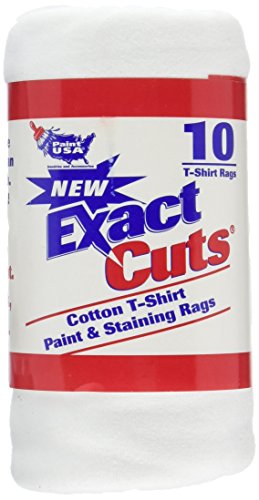
Intex Supply Co W-10001 Exact Cut Staining Rags 14″x16″

PPG Paints ProVantage White Rags 4 lb Bag

CAREGY Tack Cloth for Woodworking 8 Pack
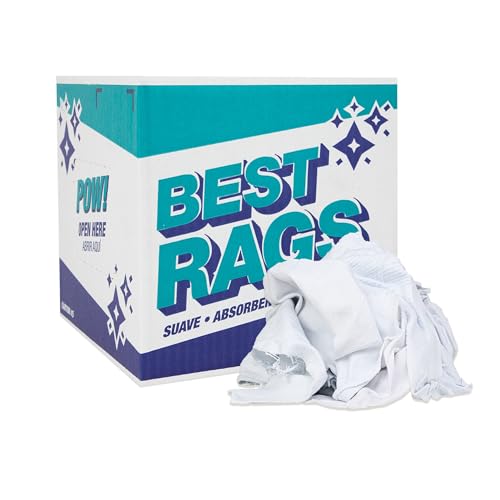
Arkwright T-Shirt Rags Bulk 5 lb Box

NiHome Wood Conditioner Wax Oil Applicator Pads
Taking A Closer Look At The Options
Sanding, staining, and sealing usually means three products and a lot of cleanup. These cloths collapse all of it into a single wipe-on step, with the stain and finish already combined into the fabric. You smooth the wood, knock off the dust, wipe the color on, then remove the excess with a clean rag.
The Natural Oak tone suits lighter woods like pine and maple where you want warmth without darkening the grain. Drying takes about an hour, so a small project can go from bare to finished in an afternoon. Compared with the bulk rag options later in this list, this pick trades flexibility for convenience.
A Few Strong Suits
- One-step application removes the guesswork from mixing stain and topcoat ratios.
- Roughly an hour of dry time lets you complete small pieces the same day.
- No brushes to clean, which cuts post-project cleanup to nearly nothing.
- Pre-measured saturation helps first-timers avoid blotchy, over-applied color.
Honest Caveats
- Oily finishing cloths are known fire risks when bunched up wet; lay them flat outdoors to dry before disposal.
- You’re locked into one tone per package, unlike a plain rag paired with any stain can.
Quick Facts
Who It Suits Best
Anyone finishing a first bookshelf, picture frame, or small table who wants dependable results without learning brush technique.
Where A Sibling Pick Shines
Experienced finishers applying custom-mixed colors will get more mileage from the Intex Supply Co Exact Cut Rags paired with their own stain.
A four-pound bag of soft white cotton knit covers a surprising amount of ground. Wiping excess stain off a tabletop takes one rag, cleaning grease off shop tools takes another, and everything goes in the wash afterward instead of the trash. That reusability is where the value lives.
The t-shirt material matters more than it sounds. Soft knit fabric won’t scratch a fresh finish or snag on open-grain hardwood the way rougher shop towels can. In most home garages, one bag outlasts months of disposable paper towels, though sizing runs inconsistent since pieces come by weight rather than by cut.
Positive Takeaways
- Machine washable, so a single purchase keeps paying off across many projects.
- Gentle cotton knit handles delicate tasks like buffing cured finishes without marring.
- White fabric shows stain coverage honestly, helping you spot thin or missed areas.
Trade Offs To Consider
- Pieces vary in size and shape, and some may carry seams or worn spots typical of reclaimed knit stock.
- Lint levels run higher than processed wipers, worth knowing before a final wipe-down.
Made For
Home woodworkers and DIYers who want an economical, reusable rag supply for staining days and general shop mess alike.
Consider Something Else When
Cleanliness-critical final passes call for the PPG ProVantage rags, whose processing targets lower lint than unsorted knit stock.
Most bulk rags arrive as an unpredictable mix of shapes, and that’s exactly what this product refuses to do. Every wiper comes cut to a true 14 by 16 inches, sold by count rather than weight, so ten rags mean ten usable rags. No holes, no seams, no stringy edges trailing fibers across your fresh stain.
Each piece is also washed before packing, which improves absorbency and keeps lint low enough for wiping stain or paint on visible surfaces. The uniform footprint makes folding easy too; quarter a rag and you have four clean faces for a wipe-on, wipe-off pass. It’s the tidy-minded choice in this lineup.
What Makes Sense
- Exact sizing means zero waste from unusable scraps, unlike weight-sold bags such as the SupremePlus offering above.
- Pre-washed fabric absorbs stain evenly and sheds less lint on finished surfaces.
- Straight-cut edges won’t leave stringy fibers behind on open-grain wood.
- Count-based packaging makes job costing predictable for repeat projects.
Points To Note
- A ten-count package depletes quickly on large refinish jobs compared with multi-pound rag boxes.
Feature Snapshot
Right Fit For
Furniture refinishers who value consistency and hate digging through rag bags for a decent-sized piece.
Swap It Out When
High-volume shops burning through dozens of wipers weekly should look at the Arkwright five-pound box instead.
PPG puts its coatings-industry reputation behind these rags, and the processing shows. The white cotton knit is treated for extra absorbency, which translates directly into better liquid retention when you’re flooding stain onto raw wood or wiping on conditioner. Less drippage means fewer streaks to correct later.
The low-lint claim holds up in the scenarios this product is built for: final surface prep and finish application where stray fibers would ruin the result. Like the SupremePlus bag reviewed earlier, it’s washable and reusable, but the processing gives it an edge on cleanliness. One thing worth considering is that mixed-knit stock varies piece to piece.
What It Does Well
- Extra-absorbency processing holds more stain per wipe, speeding up coverage on wide panels.
- Low-lint behavior suits the critical last wipe before finish goes on.
- Softness survives repeated washing cycles, extending usable life considerably.
Some Limits To Know
- As mixed knit stock, individual pieces differ in thickness and cut.
- Four pounds fills a laundry load fast during heavy project weeks.
- White cotton shows permanent discoloration after oil-based stain use.
The Numbers That Matter
Who Will Love This
Serious hobbyists and semi-pro finishers who run frequent stain-and-topcoat cycles and want a trusted brand behind their consumables.
Another Choice May Suit
Occasional DIYers doing one small project a season will find the cheaper SupremePlus bag perfectly adequate for the task.
Every rag on this list wipes things onto wood. This one does the opposite job, and your finish depends on it. A tack cloth is a slightly sticky cotton wipe that lifts ultra-fine sanding dust regular rags just push around, and skipping this step is the classic cause of specks trapped under stain and clear coat.
CAREGY ships eight individually wrapped cloths that unfold to a generous 18 by 36 inches, made from soft pure cotton in an open grid weave. That mesh structure grabs particles without leaving residue on the surface. Individually packaged sheets stay tacky until opened, which solves the dried-out-tack-cloth problem most woodworkers know well.
Points In Its Favor
- Grid-weave cotton captures micro-dust that ordinary rags smear across the grain.
- Individual wrapping preserves tackiness between projects over months of storage.
- Unfolded size handles full cabinet doors and tabletop surfaces in one pass.
- Versatile enough for drywall prep and automotive paint work beyond woodworking.
Small Caveats
- Tack cloths aren’t washable; once loaded with dust, a sheet is done, so heavy sanding sessions consume them quickly.
- Press lightly, since aggressive rubbing can transfer slight tackiness to bare wood.
Core Details
The Right Fit
Woodworkers finishing furniture or cabinetry who want a glass-clean surface before stain or clear coat goes down.
Skip It When
General cleanup and stain removal tasks don’t need tack; the Arkwright bulk rags handle those at far lower cost per wipe.
This is the biggest supply in the roundup, a five-pound box of white knit wipers built for people who go through rags constantly. The material is premium t-shirt stock, a blend of cotton and poly-cotton knit that stays lightweight while soaking up stain, paint, grease, and oil without falling apart mid-wipe.
Where the Intex Exact Cut rags win on uniformity, this box wins on sheer volume and versatility. Machine washable and reusable, the rags cycle back into service week after week, which matters in a busy garage or auto bay where disposables add up fast. Owners commonly report the knit holds its softness through many wash cycles, keeping it safe on finished surfaces.
Features That Help
- Five-pound volume keeps a working shop stocked through months of projects.
- Low-lint knit construction suits wiping stain and paint on visible workpieces.
- Lightweight absorbency soaks up oils and solvents without becoming soggy-heavy.
- Machine washable design turns one purchase into a rotating rag inventory.
- Box packaging stores neatly on a shelf, unlike loose bags that sprawl.
Things To Keep In Mind
- Poly-cotton blend content varies piece to piece, so absorbency isn’t identical across every rag.
- Like other bulk knit supplies, expect occasional smaller or irregularly shaped pieces.
Key Specs
Whose Shelf It Belongs On
Garage woodworkers, auto enthusiasts, and anyone running a shared workspace where rags disappear daily.
Look Elsewhere When
Finish-critical final wipe-downs deserve the lower-lint PPG ProVantage rags instead of general-purpose blended stock.
Not every wood-care cloth belongs in the workshop. This four-pack of gray microfiber applicator pads exists for the kitchen side of wood finishing: spreading board wax and conditioning oil across cutting boards, butcher blocks, and wooden utensils evenly and cleanly.
The five-inch diameter sits naturally in your palm, giving you control that a folded shop rag simply doesn’t offer. Microfiber spreads a thin, consistent film of wax or oil, so boards cure without sticky patches or pooled spots along the edges. Compared with the bulk rags earlier in this list, these pads are specialized tools rather than general workhorses, and that focus shows in the results.
Real-World Strengths
- Palm-sized 5-inch format gives precise control around handles and carved edges.
- Microfiber distributes wax thinly and evenly, avoiding the globs loose rags tend to leave.
- Four pads let you dedicate separate applicators to different oils or waxes without cross-contamination.
Worth Bearing In Mind
- Once saturated with oil, microfiber pads are generally treated as single-use for food-contact applications, so plan replacement purchases.
Product At A Glance
Built With In Mind
Home cooks who maintain wooden cutting boards and serving pieces and want tidy, even conditioning without greasy fingers.
Reach For A Different Pick When
Large-scale furniture staining calls for the Minwax finishing cloths, which combine color and protection in a single wipe.
What Matters Before Choosing Cloths For Staining Wood
Match The Cloth To The Job Stage
Surface prep, stain application, and final wipe-off each demand different fabric behavior. Sanding dust calls for a tack cloth, raw grain wants an absorbent knit, and excess-stain removal needs something soft and low-lint. Buying one rag type for every stage is the fastest route to visible fibers sealed under your finish.
Material And Lint Levels Decide Your Results
T-shirt knit cotton is gentle and forgiving on fresh finishes, while processed wipers trade some softness for dramatically lower lint. Open-grain woods like oak and ash trap stray fibers easily, so finer work deserves cleaner stock. Rough utility cleanup, on the other hand, never justifies premium fabric.
Reusability Changes The Real Cost
Bulk cotton rags cost more upfront than paper towels yet survive dozens of wash cycles, making them cheaper over a year of weekend projects. Single-use items like tack cloths and wax applicators sit at the opposite end. Estimate your annual project volume honestly before deciding which camp fits.
Safety And Storage Habits Matter
Cloths soaked with oil-based stains and finishes generate heat as they dry, and piles of them have started garage fires. Spread used oily rags flat outdoors until stiff, then dispose of them according to local guidance. Water-based products carry none of that risk, which may sway your stain choice too.
Key Considerations Across These Picks
Traps First Timers Fall Into
Grabbing the cheapest rag bag for a showpiece build is the classic error; lint embedded under stain cannot be fixed afterward. Another slip is buying by weight alone, since torn scraps and seams mean fewer usable wipes than the poundage suggests. Match the cloth grade to the visibility of the surface.
What Separates Premium From Basic
Processed rags justify their higher cost through washing treatment, consistent sizing, and verified low-lint performance. Specialty tools like tack cloths and microfiber applicators occupy their own tier entirely, priced for precision rather than volume. Pay up when the surface will be seen up close, save where it won’t.
Frequently Asked Questions
Can I use regular old t-shirts instead of buying rags?
Absolutely, and many woodworkers do for rough cleanup stages. Old shirts carry detergent residue and variable lint, so reserve them for non-critical tasks.
How do I prevent my staining rags from becoming a fire hazard?
Lay oil-soaked cloths flat outside to dry completely before disposal, never crumpled in a pile. The drying process releases heat that can ignite bundled fabric.
Are tack cloths really necessary before staining?
They’re strongly recommended after final sanding because they lift micro-dust that brushing or blowing leaves behind. Skipping them invites specks frozen under your finish.
Can I wash and reuse rags that touched oil-based stain?
It’s possible but risky, since residual solvent and pigment linger in the fabric. Most finishers treat heavily oil-soaked rags as single-use and wash only lightly soiled ones.
What’s the difference between a rag and an applicator pad?
Rags are general-purpose wiping fabric, while applicator pads like microfiber discs are shaped for controlled, even distribution of wax or oil. Use pads for detail work, rags for coverage.
Bottom Line
The right cloth depends entirely on where you are in the finishing process. Start with the Minwax cloths for effortless one-step color, add a tack cloth pack for dust-free prep, and keep a bulk rag supply on hand for everything messy in between. Kitchen wood care rounds out the set with dedicated applicator pads. Build the kit gradually around your actual projects, and every future finish will thank you.
