
Anyone who has tried to hem jeans on one machine and monogram a tote on another knows how quickly two machines eat a sewing room. A combined or dual-purpose setup solves that problem, giving you garment construction and decorative stitching in one footprint. This roundup covers seven machines suited to different skill levels, budgets, and ambitions, from first-time hobbyists to small-business owners running hats and tees in volume.
A Snapshot Of The Selections

Janome JW8100 Computerized Sewing Machine, 100 Stitches

Poolin EOC06 Embroidery Machine, 11″x7.9″ Area

Poolin EOC05 Beginner Embroidery Machine, 4″ x 9.25″

Smartstitch S-1001 Commercial Embroidery Machine, 10 Needles
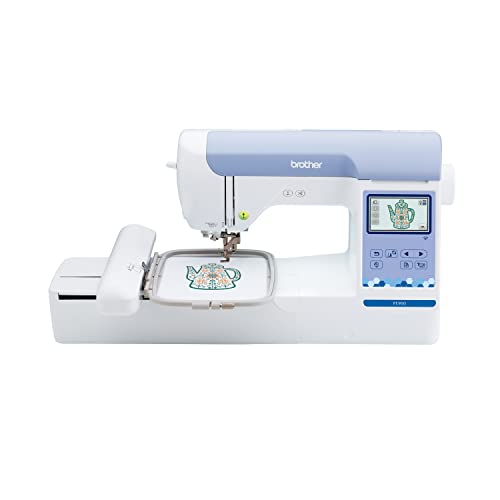
Brother PE900 Wireless Embroidery Machine
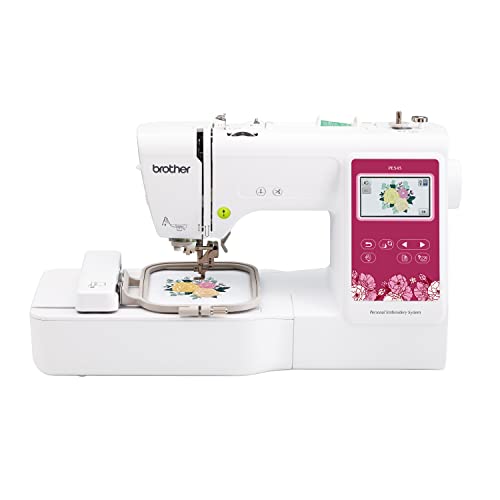
Brother PE545 Wireless Embroidery Machine, 4×4 Hoop

Brother Skitch Single-Needle Embroidery Machine
A Breakdown Of The Leading Choices
The Janome JW8100 is the closest thing here to a true do-everything household machine, leaning heavily toward sewing rather than hoop embroidery. With 100 built-in stitches and seven buttonhole styles, it handles everything from mending school uniforms to quilting a throw blanket without an accessory shopping spree.
In a busy craft room, the extension table earns its keep on larger fabric runs, and the hard cover protects the machine between sessions. Owners commonly praise the computerized stitch selection as forgiving for people moving up from mechanical models.
Good Reasons To Consider
- 100 built-in stitches cover garment work, quilting, and decorative topstitching from one dial-free interface.
- Seven one-step buttonhole styles mean plackets and waistbands look consistent across a whole project.
- The included extension table supports bulky seams and quilt sandwiches instead of them dragging off a narrow arm.
- A hard cover shields the machine from dust and accidental knocks in shared spaces.
- Twenty-two accessories arrive in the box, so threading tools and feet are ready on day one.
Things To Weigh Up
- This is a sewing-first machine, so dedicated hoop embroidery means pairing it with one of the picks below.
- Like most computerized units, it dislikes lint buildup, so regular bobbin-area cleaning keeps stitch quality steady.
Key Specs
Who It Suits Best
Intermediate home sewists who want one dependable machine for garments, repairs, and quilting rather than a hoop-focused unit.
Where A Sibling Pick Shines
Crafters whose main goal is embroidered logos and monograms will get more from the Poolin EOC06’s larger hoop area.
Where the Janome above rules the sewing table, the Poolin EOC06 stakes its claim on hoop real estate. An 11 by 7.9 inch maximum field fits jacket backs and large tote panels, while two smaller hoops handle chest logos and sleeve work without repositioning fabric.
A 7-inch touchscreen drives design placement, and both USB and wireless transfer routes mean you can load files from a laptop or skip cables entirely. Two hundred onboard designs give beginners something to stitch before they ever buy a file.
The Good Stuff
- Three hoop sizes (11″x7.9″, 7.9″x7.9″, 5.5″x5.5″) cover everything from back panels to left-chest marks.
- The 7-inch touchscreen makes positioning and previewing designs far less fiddly than button-only menus.
- USB and wireless transfer options fit whatever design workflow you already have.
- 200 built-in designs mean gift projects are possible straight out of the box.
Points To Note
- Hoop-heavy projects generate lint fast, so owners commonly report cleaning the race area weekly during busy stretches.
- Larger hoops need clear table space around the machine, worth measuring before it arrives.
- Newer brand support networks vary, so check community resources alongside the manual when troubleshooting.
At A Glance
Made For
Hobbyists ready to move beyond four-inch patches into larger garments, bags, and home decor pieces.
Another Choice May Suit
Total newcomers on a tighter budget will find the Poolin EOC05’s bundled starter kit a gentler entry point.
The EOC05 is Poolin’s on-ramp model, and it shows in the packaging: two hoops and a starter kit ship alongside the machine. Its 4 by 9.25 inch field is a slim, tall shape that suits shirt fronts, hoodie chests, and bag panels better than wide jacket backs.
Setup follows the same playbook as the bigger EOC06, with a 7-inch touchscreen and both WiFi and USB file transfer. In most homes, that means your first name-monogram happens the same evening the box opens.
Points In Its Favor
- The included starter kit removes the guesswork of buying stabilizer and thread separately.
- A tall 4″ x 9.25″ hoop area matches common placements like shirt fronts and gift bags.
- WiFi and USB transfer lets you send designs however your workspace is arranged.
Small Caveats
- This is embroidery only, so garment construction still needs a separate sewing machine such as the Janome JW8100.
- Beginners commonly report a learning curve on hooping tension, so expect a few practice runs on scrap fabric.
- The narrower width limits wide-format designs compared with the EOC06’s 11-inch field.
Quick Facts
The Right Fit
First-time embroiderers decorating shirts, hoodies, and gifts at home with no prior machine experience.
Reach For A Different Pick When
Crafters planning jacket-back artwork should step up to the Poolin EOC06 for its wider maximum field.
Everything before this point plays in hobby territory; the Smartstitch S-1001 does not. Ten needles mean ten thread colors loaded at once, which turns multi-color logo jobs from a constant rethreading chore into a single setup. A 1200 stitches-per-minute top speed moves production orders along noticeably faster than consumer single-needle units.
The 9.5 by 14.2 inch field swallows flat garments, caps, and tee fronts, and automatic thread trimming plus color changing cut hands-on time further. Laser positioning helps line up repeatable placements across a run of shirts, which matters once orders stop being one-offs.
The Practical Payoff
- Ten needles hold ten colors at once, eliminating mid-design thread swaps on complex logos.
- A 1200 SPM maximum speed shortens per-item time on batch orders.
- Automatic trimming and color changing reduce supervision during longer runs.
- Thread break detection stops a mis-stitched design before it ruins a finished garment.
Worth Bearing In Mind
- Commercial-class machines need routine oiling and maintenance discipline; skipping it shows up quickly in stitch consistency.
- The footprint and learning curve exceed what a casual hobbyist typically needs.
- You may find cap and hat work demands extra practice with framing compared with flat items.
Whose Shelf It Belongs On
Side-hustle and small-shop owners producing hats, tees, and uniforms in repeatable batches.
Consider Something Else When
Weekend crafters sticking to occasional personal projects will be better served by the Brother PE900’s simpler workflow.
The PE900 occupies the sweet spot many home embroiderers land on: a 5 by 7 inch field, big enough for meaningful designs yet still apartment-sized. Wireless design transfer through WLAN means files move from your computer to the machine without a USB stick shuffle.
Compared with the smaller Brother PE545 below, the extra hoop width opens up quilt blocks, larger lettering, and fuller florals. Brother’s long presence in home embroidery also means tutorial coverage and accessory availability are about as deep as this category gets.
Key Advantages
- The 5″ x 7″ embroidery field accommodates larger projects in a single hooping.
- Wireless WLAN transfer streamlines getting new designs onto the machine.
- Built-in designs plus import capability give you creative range from day one.
Honest Caveats
- Single-needle operation still means manual color changes on multicolor designs.
- Dust around the bobbin case is the most commonly reported upkeep issue, so a soft brush belongs in your kit.
Feature Snapshot
Who Should Grab It
Home embroiderers outgrowing a 4-inch hoop who want wireless convenience without commercial complexity.
Skip It When
Shoppers wanting phone-first design creation may prefer the Bluetooth-driven Brother Skitch later in this list.
Small spaces and monogramming are where the PE545 feels at home. Its 4 by 4 inch hoop handles names, initials, kids’ clothing accents, and patch-scale designs, and the machine itself tucks onto a desk or shelf corner without rearranging a room.
The onboard library includes 135 embroidery designs, 10 frame patterns, and 10 font styles, which is plenty for personalized gifts before you ever import a file. Like the PE900 above, it transfers designs wirelessly, so your laptop stays wherever it lives.
What Earns Its Place
- 135 built-in designs plus 10 frame patterns offer variety without any file hunting.
- Ten font styles make monogramming towels, bibs, and stockings genuinely quick.
- The compact 4″ x 4″ hoop suits closets, dorm rooms, and crowded craft tables.
- Wireless design transfer keeps the workflow cable-free.
Less Ideal Details
- The 4-inch ceiling rules out large back-piece and quilt-block designs; step up to the PE900 for those.
- Owners commonly note that dense lettering benefits from good stabilizer choices, an extra supply to keep stocked.
Core Details
Built With In Mind
Apartment dwellers and gift-makers focused on monograms, small motifs, and personalized accessories.
Swap It Out When
Anyone planning jacket-back or multi-hoop layouts should choose the Poolin EOC06 for its 11-inch field instead.
The Skitch takes a different route into embroidery: nearly everything flows through Brother’s Artspira mobile app over Bluetooth, with no USB drive involved. You sketch or edit a design on your phone, pair, send, and stitch. For crafters who already live on their phones, that workflow feels natural rather than gimmicky.
The trade-off is dependence. The app is required to drive the machine, so a phone battery or software update hiccup pauses your session, something worth knowing before committing.
Bright Spots
- Bluetooth pairing sends designs straight from the Artspira app, no cables or memory cards.
- On-phone editing lets you tweak lettering and layouts anywhere, not just at the machine.
Details To Watch
- The Artspira app is required for operation, so the phone becomes part of your toolchain.
- Bluetooth-dependent workflows occasionally frustrate owners during connectivity drops, per widely reported user feedback.
- Compared with the PE545, fewer controls live on the machine itself.
Right Fit For
Mobile-first crafters and casual hobbyists who prefer designing on a phone over learning desktop software.
Not Your Match When
Users wanting standalone touchscreen control will find the Poolin EOC05’s built-in display more self-sufficient.
Factors That Matter Before You Commit
Match The Hoop To Your Projects
Hoop size dictates what you can stitch in one pass. A 4-inch frame covers monograms and patches, while jacket backs and quilt blocks demand 5 by 7 inches or more. Measure your most common blank, whether that’s a toddler shirt or a work uniform, and buy for that reality.
Decide Between Sewing, Embroidery, Or Both
True combination units like the Janome JW8100 lean toward sewing with decorative stitching, while dedicated embroidery machines such as the Poolin models produce hoop-based designs only. Owning two specialized machines often beats one compromised hybrid, provided you have the space for both.
Think About Connectivity Habits
Design transfer shapes daily use more than most shoppers expect. USB works everywhere, wireless suits fixed home studios, and app-driven Bluetooth fits phone-centric creators. Pick the method matching how you actually save and edit files today.
Plan For Maintenance From Day One
Every machine here needs periodic lint removal around the bobbin case, and commercial-grade units add oiling schedules. Budget thirty minutes monthly for upkeep and your stitch quality stays consistent for years.
Key Considerations Across These Picks
Traps First Timers Fall Into
The classic mistake is buying a huge hoop for projects you rarely make, then storing a half-used machine. Another is ignoring stabilizer costs, which add up faster than thread. Start honest about your actual project list.
What Separates Premium From Basic
Higher-tier machines buy speed, needle count, and automation. Multi-needle units like the Smartstitch S-1001 eliminate rethreading, and auto-trimming saves minutes per design. Those features pay off only when volume justifies them.
Frequently Asked Questions
Can one machine really sew and embroider?
Some models combine both functions, though most lean strongly toward one discipline. Dedicated embroidery machines generally deliver better hoop results than hybrids.
Do these machines require special thread?
Embroidery machines perform best with polyester or rayon embroidery thread, which is smoother than all-purpose sewing thread. Regular polyester sewing thread works for standard machine sewing tasks.
How difficult is learning curve-wise for a beginner?
Modern touchscreen models like the Poolin EOC05 walk newcomers through hooping and design placement. Most first-timers complete a simple monogram within their first few sessions.
How much table space do these machines need?
Compact units like the Brother PE545 fit on a standard desk, while the Smartstitch S-1001 needs a sturdy dedicated table. Allow clearance around larger hoops for fabric movement.
Is wireless design transfer reliable?
WLAN and USB transfers are dependable in typical home networks, and USB remains the fallback everywhere. App-based Bluetooth systems depend on your phone staying paired and charged.
Closing Thoughts
Your best match depends on what lands on the hoop most often. Monogram lovers should look hard at the Brother PE545, growing creators at the Poolin EOC06, and production-minded sellers at the Smartstitch S-1001. Pair whichever embroidery machine you choose with solid stabilizer habits and a cleaning routine, and it will reward you for years. Happy stitching.
