
Anyone running a home studio, alterations side business, or production line knows the frustration of a hobby-grade machine stalling mid-job. These commercial sewing machines are built to push through denim layers, run for hours, and handle embroidery orders without complaint. Below you’ll find seven options that cover everything from straight-stitch speed demons to multi-needle embroidery workhorses, so you can match the tool to the workload instead of fighting it.
The Shortlist At A Glance
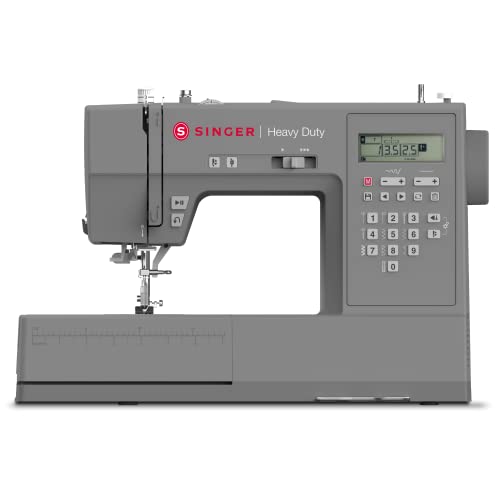
SINGER® 6700C Heavy Duty Computerized Machine

Janome JW8100 Computerized Sewing Machine with Hard Cover

Smartstitch S-1001 Embroidery Machine 10 Needles 1200SPM
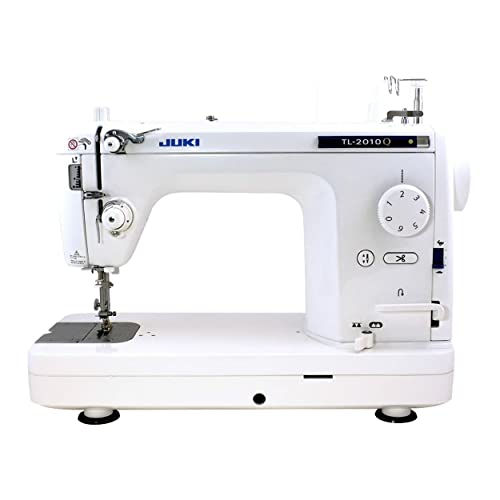
Juki TL-2010Q High Speed Sewing & Quilting Machine

SINGER® 6380 Heavy Duty Sewing Machine with Extension Table

SINGER® Heavy Duty 500 Classic High Speed Sewing Machine

Smartstitch S-1501 Commercial Embroidery Machine 15 Needles
Why These Options Stand Out
Stitch variety is where this SINGER earns its spot. With hundreds of built-in applications spanning basic, stretch, and decorative styles plus a lettering font, you can move from hemming jeans to monogramming a tote bag without swapping machines.
In a busy studio that flexibility matters. One afternoon might involve garment repairs, then home décor cushions, then personalized gifts, and the menu-driven selection keeps setup quick between jobs.
Useful Strengths
- An extensive library of stitch applications covers utility work, stretch fabrics, and decoration in one unit
- Built-in lettering lets you add names and monograms directly, no separate embroidery setup needed
- The bundled accessory kit means you start working the day it arrives rather than ordering extras
- Computerized controls reduce guesswork for newer operators taking paid commissions
Things To Consider
- Owners of feature-heavy computerized models commonly report a learning curve with the settings menus, so expect some practice time
Key Specs
Who It Suits Best
Garment makers and craft sellers who want maximum creative range from a single durable machine.
Where A Sibling Pick Shines
Quilters focused purely on straight-line speed will get more done with the Juki TL-2010Q instead.
Where the SINGER 6700C leans hard into stitch count, the Janome JW8100 balances capability with convenience. One hundred stitches and seven buttonhole styles cover most commission work, while the backlit LCD display keeps navigation straightforward during long sessions.
Quality-of-life touches stand out here: an automatic needle threader saves your eyes after hour six, and the auto-declutch bobbin winder stops winding at the right moment. The included extension table gives quilt tops and curtain panels proper support.
Notable Upsides
- Automatic needle threader and presser foot lift cut setup friction on every project
- Seven one-step buttonhole styles make garment finishing faster and more consistent
- A hard cover protects the machine between jobs, useful when storage shares space with a workbench
- Twenty-two accessories arrive in the box, reducing add-on purchases
- Extension table supports bulky fabric through large projects
Worth Noting
- With 100 stitches versus the SINGER’s much larger count, heavily decorative work may feel limited over time
- The hard cover adds bulk, so plan shelf or cabinet space accordingly
Made For
Sewists running mixed workloads, from clothing alterations to home décor, who value convenience features over sheer stitch volume.
Reach For A Different Pick When
Production embroidery shops should look at the Smartstitch S-1001, which is purpose-built for that trade.
Ten needles mean ten thread colors loaded at once, so multi-color logos run start to finish without you standing by to rethread. That single attribute changes what a one-person shop can deliver in a day.
The S-1001 packs genuine commercial behavior into a smaller frame than most industrial units. Automatic thread trimming and color changing remove the two most tedious steps in embroidery, and a self-lubrication system trims routine maintenance. Laser positioning helps you line up placements on caps and shirts accurately, which matters when a misaligned logo means a ruined garment.
Useful Highlights
- Thread break detection halts stitching immediately, protecting an entire run from errors
- Laser positioning guides accurate placement across hats, flats, and tees
- Physical buttons were added alongside the touchscreen for quicker repeated actions
- A quieter, more stable structure suits shared spaces like apartments or garages
Trade Offs To Consider
- The 9.5 x 14.2 inch embroidery field handles most apparel but falls short for very large jacket-back designs
- New owners commonly report spending time learning digitizing software before production feels smooth
Feature Snapshot
Right Fit For
Solo embroiderers launching a small business from a spare room or garage who need industrial features in a compact footprint.
Consider Something Else When
Shops already filling large jacket-back orders will want the bigger field of the Smartstitch S-1501.
Juki builds this one around a simple idea: one straight stitch, executed extremely well, extremely fast. Quilters piecing large tops or running long free-motion lines benefit from that consistency more than they would from a hundred decorative options they rarely touch.
Compared with the computerized picks above, there’s less menu navigation and more pedal-to-the-metal sewing. The powerful motor holds stitch quality at speed, and the generous throat space accommodates rolled-up quilts. A bonus pack of accessories comes along, softening the initial outlay.
The Case For It
- High-speed straight stitching finishes big quilting projects in a fraction of the usual time
- Precise, even stitch formation across layered fabric, the core requirement for professional quilting results
- Straightforward mechanical operation means fewer electronics to troubleshoot over years of ownership
- Included bonus pack adds immediate value to the purchase
Points To Note
- No zigzag or decorative stitches, so garment makers needing stretch seams should look elsewhere
- High-speed operation produces more noise than quieter computerized models, worth considering in shared living space
Quick Facts
Who Will Love This
Dedicated quilters and anyone whose work lives or dies on flawless straight seams at production speed.
Swap It Out When
Decorative and stretch-stitch needs point you toward the SINGER 6700C’s broader library.
Thick material is where lesser machines give up, skipping stitches or stalling entirely. This SINGER attacks that problem with a motor rated roughly half again stronger than standard models and a top speed around 1,100 stitches per minute, enough to chew through denim hems and canvas bags all day.
Versatility doesn’t suffer either. Adjustable presser foot pressure lets the same machine handle lightweight sheers without puckering, so one workstation covers both ends of the fabric weight range.
Everyday Perks
- The reinforced motor drives multiple denim or canvas layers without strain
- Adjustable presser pressure adapts from heavy twill down to delicate sheers
- Extension table stabilizes oversized projects like curtains and quilts
- Non-stick foot and clearance plate in the kit help with sticky or bulky seams
Small Caveats
- At high speeds, beginners commonly report needing practice to keep seams controlled and straight
- Feature set is more utilitarian than the computerized Janome JW8100, with fewer automated conveniences
Details At A Glance
Whose Shelf It Belongs On
Alteration shops, upholsterers, and home sewists whose regular diet includes denim, canvas, and layered seams.
Skip It When
You mainly sew delicate garments and would prefer the gentler touch and automation of the Janome JW8100.
Some machines earn their place on looks alone, and this one does it honestly: vintage-inspired styling wrapped around genuinely modern hardware. In a visible studio or a living-room sewing corner, it reads as furniture rather than equipment.
The substance matches the shell. A built-in needle threader, one-step buttonhole, and drop feed for free-motion work cover the daily tasks, and the high-speed motor carries the same heavy-duty lineage as its siblings in this list.
What Works In Its Favor
- Classic exterior design elevates a workspace without sacrificing function
- One-step buttonholes speed up garment finishing considerably
- Drop feed enables free-motion quilting and darning on demand
- Accessory kit arrives bundled, covering common feet and tools
Honest Caveats
- Style-forward models sometimes trade a few advanced features for aesthetics, so check the stitch list against your project list first
- The glossy finish shows dust and lint quickly in busy rooms, so frequent wiping keeps it presentable
Best Suited To
Sewists who want dependable heavy-duty performance and care how their machine looks in a shared or photographed space.
A Better Fit Elsewhere
Those prioritizing raw fabric-crushing power over looks may prefer the SINGER 6380’s stronger motor rating.
This is the step up from the S-1001 for shops whose order book keeps growing. Fifteen loaded needles mean complex multi-color designs run unattended longer, and the wider 14 x 20 inch field takes on jacket backs and larger flat goods the smaller unit can’t fit.
The 270-degree wide-angle cap system opens structured-hat work, a lucrative niche many entry machines can’t serve well. WiFi connectivity and automatic color changing round out a workflow built for volume, and laser positioning keeps placement consistent across batches.
The Practical Payoff
- Wide-angle cap system handles 3D caps alongside flats, tees, and more
- Large embroidery area accepts oversized designs in one hooping
- Wireless connectivity simplifies transferring designs to the machine
- Large touchscreen puts job control front and center during runs
- Automatic color change removes manual rethreading from multi-color jobs
Potential Drawbacks
- Its size demands dedicated floor or table space, a real consideration for garage startups
- Commercial embroidery machines generally need regular cleaning and oiling routines to stay reliable under daily load
Core Details
The Right Fit
Established embroidery businesses scaling past solo-shop capacity who need cap, flat, and large-format coverage in one unit.
Not Your Match When
Brand-new embroiderers testing the waters will find the compact Smartstitch S-1001 a gentler starting point.
What Matters Most Before You Buy
Match The Machine To Your Actual Workload
A machine that spends its life on cotton quilting cotton needs different strengths than one hemming raw denim daily. Write down your three most common project types and let them drive the choice. Straight-stitch specialists like the Juki excel at volume quilting, while multi-material shops need adjustable presser pressure and a broad stitch set.
Count Stitches Honestly
Big numbers impress, but most sewists regularly use fewer than twenty stitch types. Pay for variety only when decorative work or lettering generates revenue for you. Otherwise, prioritize motor strength and feed consistency, which affect every seam you sew.
Plan The Physical Footprint
Industrial-style embroidery machines need dedicated floor space, stable power, and room for hooping workflow around them. Measure your area before falling for a wide-field model. A cramped setup turns productivity gains into constant frustration.
Think About Support And Upkeep
Mechanical machines tolerate owner servicing better than fully computerized ones, and embroidery units need scheduled cleaning and lubrication to hold their stitch quality. Availability of parts and responsive support matters more the harder you run the machine.
Key Considerations Across These Picks
Traps First Timers Fall Into
The classic mistake is buying for the project you dream about rather than the work on your desk today. Overspending on a fifteen-needle embroidery head for occasional monogramming ties up cash and space. The opposite trap is equally real: pushing a basic household model into daily denim production, which commonly leads to skipped stitches and burned-out motors within months.
What Separates Premium From Basic
Higher-tier machines buy throughput and autonomy. Multi-needle heads, larger embroidery fields, automatic trimming, and WiFi file transfer each shave minutes off every job, and those minutes compound across a week of orders. Pay the premium when billable volume justifies it; stay simpler when sewing remains a few evenings a week.
Frequently Asked Questions
Can a home sewer really use a commercial-grade machine?
Yes, plenty of home-based businesses run these daily. Just confirm you have the table space and power access they require.
How many needles do I need for embroidery?
Ten needles cover most apparel and cap work comfortably. Fifteen helps when designs use many colors or you batch similar jobs back to back.
Are computerized machines harder to maintain?
They aren’t harder, just different. Keep lint cleared from the bobbin area and follow the manual’s oiling points, and both types last for years.
Do heavy duty machines handle delicate fabrics?
Many do, thanks to adjustable presser foot pressure. Models like the SINGER 6380 move between canvas and sheers without changing machines.
Is a straight-stitch-only machine practical?
For quilters and anyone doing topstitching, absolutely. Machines like the Juki TL-2010Q prove specialization beats versatility when speed and accuracy are the goal.
Bottom Line
Match the machine to the work actually on your table and everything else falls into place. Quilters have a clear answer in the Juki, heavy-fabric shops in the SINGER 6380, and embroidery entrepreneurs can grow from the S-1001 into the S-1501 as orders justify it. Start with your workload, not the spec sheet, and whichever pick you land on will earn its corner of the studio.
